Unpainted ceramics are clay pieces that have already been fired once in a kiln, called bisque firing, but haven’t yet been decorated or glazed. They’re hard, porous, and ready to take underglaze or glaze, which is why paint-your-own studios use them. Once you decorate a piece, it goes back into the kiln for a second firing that seals the colour in permanently.
If you’ve been browsing paint-your-own pottery options, you’ve probably seen the phrase unpainted ceramics pop up again and again without much explanation. It sounds simple enough, but there’s a bit more going on behind that plain white or pale pink mug than most first-time visitors realise, and understanding it makes your first session a lot more relaxed.
At Le Studio Art Space in Mordialloc, we see new visitors pick up a bisque piece, turn it over in their hands, and wonder why it feels so dry and chalky. That texture is exactly the point. This guide walks through what unpainted ceramics actually are, why they’re offered this way, what you can do with them, and how to choose a good first piece, so you can walk into a session feeling like you already know the ropes.
What Unpainted Ceramics Actually Means
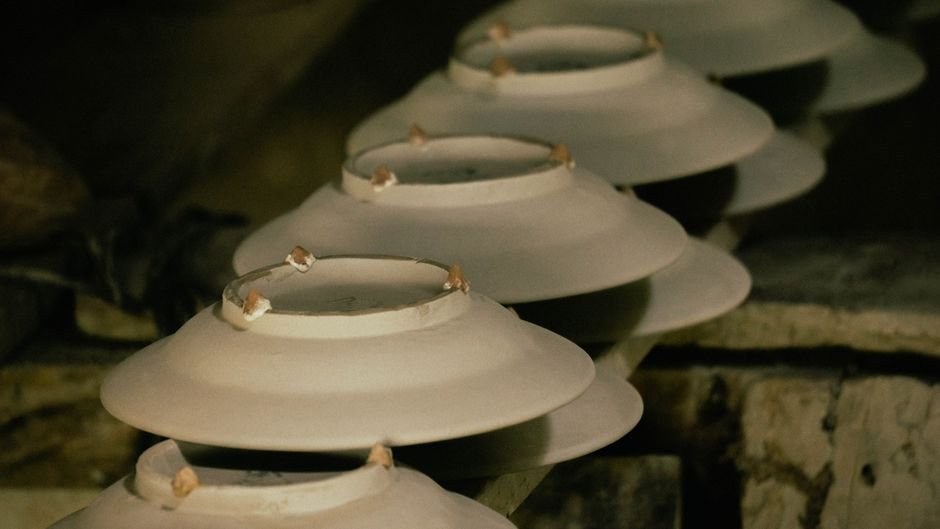
In plain terms, unpainted ceramics are pieces of clay that have been shaped, dried, and fired once in a kiln, but haven’t yet received any colour or glaze. That first firing is called a bisque firing, and the result is usually called bisqueware. It’s no longer soft clay, and it can’t be squashed back into a lump, but it isn’t finished pottery either.
A bisque firing typically happens at a lower temperature than the final glaze firing. It drives out all the water, burns away organic material in the clay, and permanently changes the clay into a ceramic material. What it deliberately doesn’t do is fully vitrify, or seal, the clay. That’s why an unpainted piece feels slightly rough and absorbs water if you touch it with a damp finger.
That porous surface is what makes unpainted ceramics so useful for decorating. Underglazes and glazes soak in slightly rather than beading up and sliding off, which gives you far more control over where colour lands. If the piece were fully fired and glassy, most decorating materials simply wouldn’t grip in the same way.
Why Ceramics Are Sold Or Offered This Way
The paint-your-own model depends on separating the hard, technical parts of pottery from the fun, creative part. Making a mug from scratch means wedging clay, throwing or hand building, trimming, attaching a handle, drying slowly, and firing. That takes skill and several days at minimum. Unpainted ceramics let you skip straight to decorating while still ending up with a genuine fired ceramic piece.
Bisque comes first because it’s the stage where a piece is strong enough to handle freely but still absorbent enough to decorate well. Greenware, which is dried but unfired clay, is extremely fragile and can crumble or dissolve if it gets wet, so it’s a poor choice for casual decorating. A fully glaze-fired piece, on the other hand, has a glassy surface that most decorating materials won’t bond with.
There’s also a practical reason studios love bisque. Pieces can be made in batches, fired once, and stored on shelves ready for visitors. That means you can walk in, choose a shape, and start painting within minutes, which is a big part of why paint-your-own sessions work so well for birthdays, date nights, and relaxed catch-ups with friends.
Finally, keeping the final glaze firing in the studio’s hands means the finished result is food safe and durable when the right materials are used. It’s one of the key differences between a real studio session and many home kits, which we cover in our honest look at whether ceramic painting kits are worth it.
What You Can Do With An Unpainted Piece
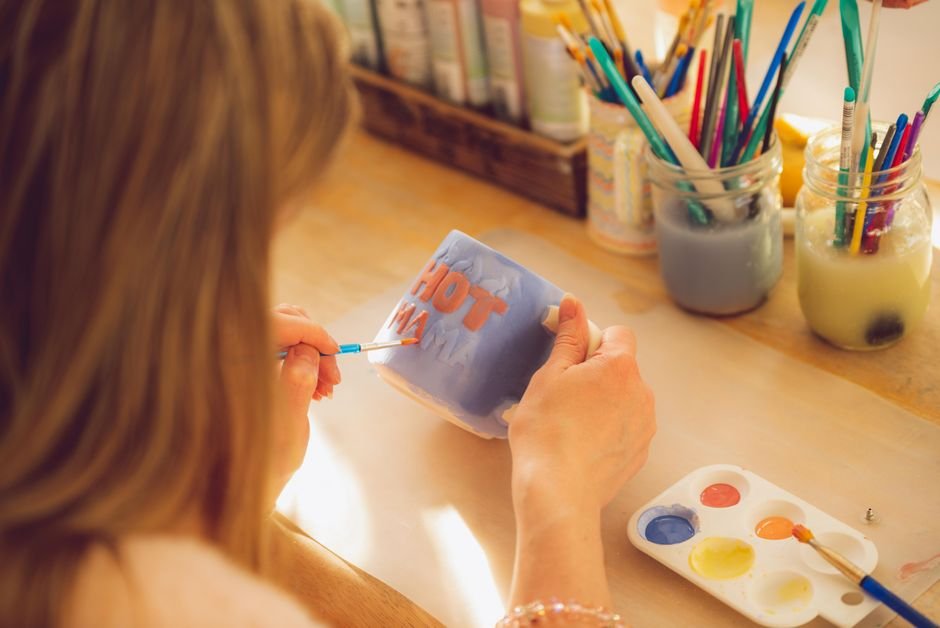
The most common option is underglaze, a coloured clay-based paint that behaves a lot like thick poster paint when you apply it. It stays roughly where you put it during firing, which makes it ideal for detailed designs, lettering, and illustrations. Many studios then cover it with a clear glaze so the colours become glossy and the surface is sealed.
Brush-on glazes are another popular choice. They can be glossy, satin, or matte, and some produce lovely effects as they melt and move in the kiln. Glazes are a little less predictable than underglazes, and colours often look quite different before firing, so it helps to check the fired sample tiles most studios keep on display.
You can also try techniques like sponging, stencilling, wax resist, splatter, and layering colours. Wax resist is a favourite for creating crisp lines or leaving areas of bare clay showing, since glaze won’t stick where the wax sits. If you want to dig into the options, our article on ceramic painting ideas has plenty of inspiration to get you started.
How Unpainted Ceramics Differ From A Blank Canvas
It’s tempting to think of an unpainted piece as a three dimensional blank canvas, and in some ways it is. The big difference is that the base material is already permanent. Once clay has been bisque fired, it can’t return to soft clay, so you’re decorating the surface of an object that’s already structurally complete.
Paper and canvas stay the same after you paint on them. With unpainted ceramics, your decoration still has one more transformation ahead, because the second firing melts glazes into a glassy layer and sets underglazes permanently. That means colours shift, textures change, and a chalky pastel can come out of the kiln bright and glossy. It’s part of the magic, and part of the learning curve.
The surface also behaves differently from paper. Bisque soaks up moisture quickly, so the first coat of paint can feel like it disappears. That’s normal, and it’s why most studios suggest two or three coats for solid, even colour.
Mistakes are handled differently too. On canvas you might paint over an error, but on bisque you can often wipe off wet underglaze with a damp sponge and start again, as long as you act before it soaks in too deeply. That forgiving quality is one of the reasons beginners tend to enjoy working on unpainted ceramics so much.
What Competing Guides Leave Out
Most guides explain what bisque is and stop there, but a couple of practical questions come up all the time in the studio and rarely get a straight answer online. The first is how long unpainted ceramics can sit before being decorated. The good news is that bisque is very stable. Kept dry, clean, and away from dust, it can sit on a shelf for months or even years without any problem.
The catch is dust and oil. Bisque that’s been handled a lot or stored somewhere dusty can end up with a film that stops glaze sticking evenly, which sometimes shows up as bare patches or crawling after firing. A quick wipe with a slightly damp sponge before decorating, then letting it dry for a few minutes, usually solves this. Hand lotion is another sneaky culprit, so it’s best to skip it before a session.
The second gap is what to check before you choose a piece. Look for hairline cracks, especially around handles, rims, and the base, since a crack in bisque will almost always get worse in the glaze firing. Tap the piece gently. A clear ring is a good sign, while a dull thud can suggest a hidden crack. Run your fingers over the rim too, since small chips or rough spots are worth avoiding on anything you’ll drink from.
It’s also worth asking how the studio handles the second firing and how long it takes. Most studios need about a week to fire and return pieces, depending on how full the kiln is.
Choosing An Unpainted Piece For Your First Project
For a first project, simple shapes with broad, open surfaces are your friend. A flat plate, a shallow bowl, or a straight-sided mug gives you room to paint without wrestling with tight curves. Small, highly detailed figurines look cute on the shelf, but they can be surprisingly fiddly for a first attempt.
Think about what you’ll actually use. A mug or small dish you’ll reach for every day tends to feel more rewarding than a decorative piece that ends up in a cupboard. Many first timers find that making something functional adds a lovely sense of connection every time they use it afterwards.
Plan your design roughly before you start. A quick pencil sketch directly on the bisque is fine, since the graphite burns away in the kiln. Keeping your first design fairly simple, with a limited palette of two or three colours, usually gives a cleaner result than trying to fit in every idea at once.
Finally, don’t be afraid to ask for guidance. Staff at a good studio can tell you which colours behave well together, how many coats to use, and what to expect after firing. If you catch the bug and want to go further, our workshops and classes are a natural next step, and our ceramic studio gives you access to the wheels and hand building space when you’re ready to make your own pieces from scratch.
Ready to pick your first piece? Come and browse our shelves of unpainted ceramics and start a relaxed paint-your-own project at Le Studio Art Space in Mordialloc, with glazes, brushes, and friendly guidance all on hand.
Frequently Asked Questions
Are unpainted ceramics the same as raw clay?
No, they’re not. Unpainted ceramics have already been fired once, so they’re hard and permanent, while raw clay is still soft and can be reshaped or recycled.
Can I just use normal acrylic paint on unpainted ceramics?
You can for purely decorative pieces, but the finish won’t be waterproof or food safe. For mugs, plates, and bowls you plan to use, underglaze and glaze with a second kiln firing is the better choice.
Why does my paint look so pale and chalky before firing?
Most underglazes and glazes look dull and pastel until they’re fired. The heat of the kiln brings out their true colour and gloss, which is why studios keep fired sample tiles for you to compare against.
How long does it take to get my painted piece back?
It depends on the studio’s firing schedule, but around a week is common. At Le Studio Art Space we’ll let you know the expected collection time when you finish your piece.
Is it a problem if my unpainted piece has a tiny crack?
It usually is, because cracks tend to open up further during the glaze firing. It’s best to choose another piece or ask staff to check it before you start painting.
This article is provided for general educational purposes by Le Studio Art Space and reflects common studio practice. Materials, firing schedules, and results can vary between studios and individual pieces.