Ceramic painting kits can be worth it as a cheap, low-pressure craft activity or a gift for kids, but most don’t produce true fired ceramics. Because home kits usually rely on acrylic or air dry paints rather than a kiln firing, the finish isn’t waterproof or food safe. If you want a durable piece you can actually eat or drink from, a studio paint-your-own session usually offers better value.
Ceramic painting kits are everywhere at the moment, from toy shops to online marketplaces, and they look like a fun way to try pottery painting at home. A pack of blank mugs, a set of little paint pots, and a couple of brushes can seem like a bargain compared to booking a studio session.
At Le Studio Art Space in Mordialloc, we get asked about these kits fairly often, usually by people who tried one and felt a little disappointed with the result. There’s nothing wrong with a kit for the right purpose, but it helps to know exactly what you’re buying. Here’s our honest take on what kits include, where they fall short, and when a studio session makes more sense.
What A Typical Ceramic Painting Kit Includes
Most ceramic painting kits contain a small number of pre-made ceramic pieces, often mugs, small plates, animal figurines, or trinket dishes. These are usually either bisque fired or already glazed white, which matters a great deal for the final result, as we’ll explain below.
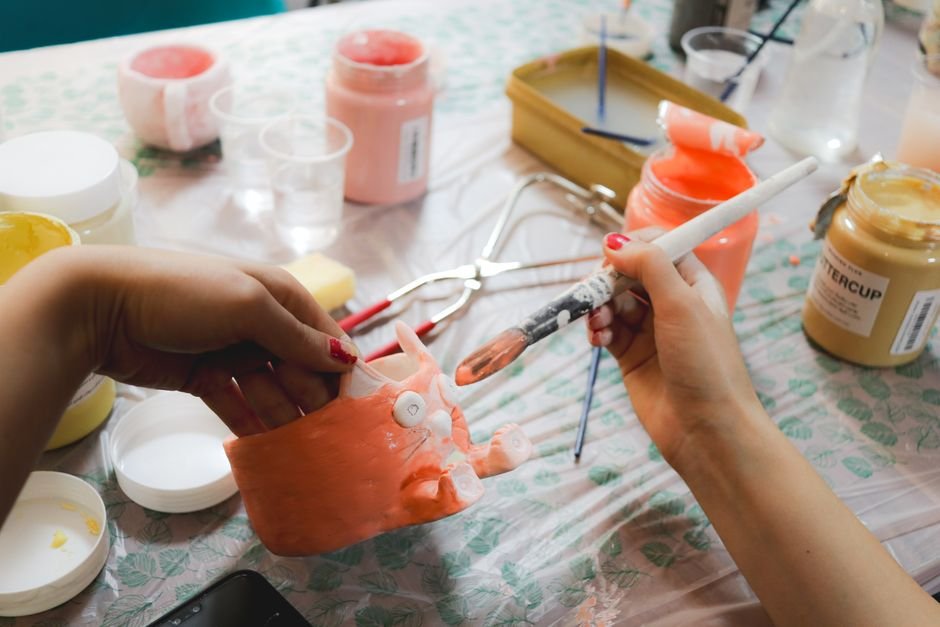
Alongside the pieces, you’ll typically find a set of small paint pots or tubes, one to three basic brushes, and sometimes a sponge, stencils, or a printed idea sheet. The paint is usually acrylic, enamel, or a so-called ceramic paint designed to air dry or be baked in a home oven.
Some premium kits include paint pens, glitter, or a sealer to brush on at the end. A few specialist kits contain genuine underglazes, but these still need a kiln to finish properly, which most buyers don’t have at home.
It’s worth reading the box closely before you buy. Look for the exact type of paint, whether the pieces are bisque or pre-glazed, and any wording about food safety or dishwasher use. Vague phrases like ceramic effect or suitable for ceramics usually mean decorative only, while a clear statement that the finish is food safe after kiln firing tells you the kit expects a real kiln to be involved.
What You Get For The Price
On paper, ceramic painting kits look cheap. For the price of a single studio session, you might get several pieces and enough paint to decorate them all. For a rainy afternoon with kids or a quick birthday craft, that can be genuinely good value.
The value picture changes once you look at what you end up with. A painted kit piece is essentially a decorated ornament. Without a kiln firing, the paint sits on the surface rather than fusing into it, so it can scratch, peel, or fade with handling and washing.
A studio session usually includes the bisque piece, underglazes and glazes, use of brushes and tools, guidance from staff, and the kiln firing itself. You pay more per piece, but you leave with something closer to a finished, durable ceramic object.
It’s also worth counting the hidden costs of a kit. Brushes in kits are often very basic, so many people end up buying better ones, plus a varnish or sealer, and the total creeps up faster than expected.
The Firing Problem Most Kits Do Not Solve
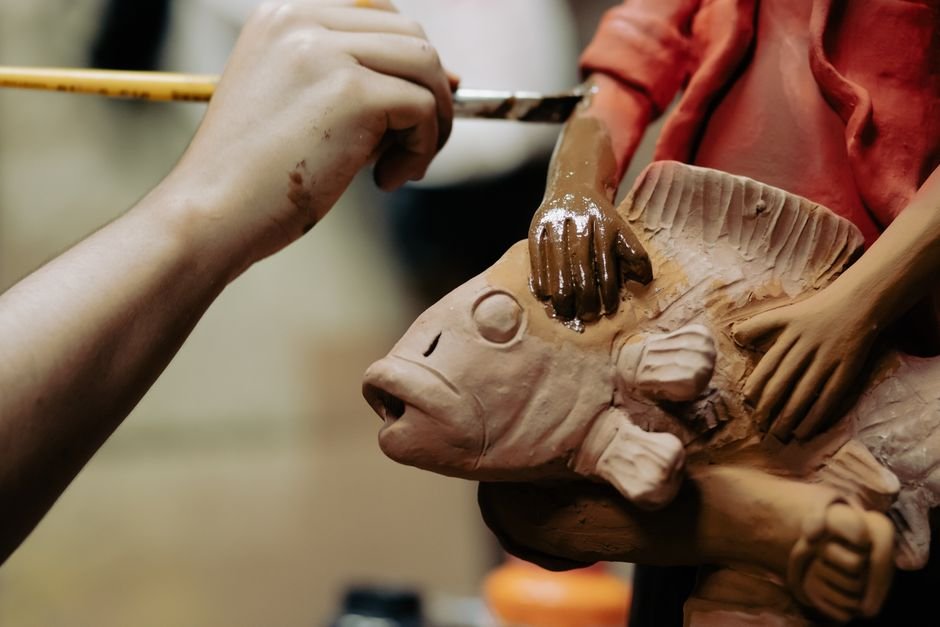
The biggest limitation of ceramic painting kits is firing. Genuine pottery decoration relies on a kiln reaching very high temperatures, often over 1000 degrees Celsius, so glazes melt into a glassy layer that bonds permanently with the clay. A home oven simply can’t get anywhere near that.
To work around this, kits use paints that either air dry or cure at low oven temperatures. These can look lovely when fresh, but they’re still paint sitting on top of the ceramic. Most manufacturers say to hand wash gently and avoid painting the lip or food contact areas of a mug, which is a pretty clear sign of the limits.
Kits that include pieces already glazed white create a second issue. Paint struggles to grip a glassy surface, so it tends to chip more easily. Bisque pieces absorb paint better but stay porous and not waterproof unless sealed.
If your kit includes true underglazes, you’ll need access to a kiln. That’s where a service like our firing service can help, since we can fire suitable pieces for you as long as the materials are kiln safe.
Some kits also recommend a spray or brush-on varnish to protect the finished design. A good varnish can help decorative pieces last longer, but it doesn’t turn paint into glaze. Varnished pieces still shouldn’t go in the dishwasher, microwave, or oven, and most varnishes aren’t intended for surfaces that touch food, so the finished piece remains an ornament rather than tableware.
Who A Home Kit Actually Suits
Home kits genuinely suit people who want a relaxed, inexpensive craft activity and aren’t worried about long term durability. Parents keeping young kids busy, school holiday activities, and party craft tables are all great uses, since the fun is in the painting rather than the finished object.
They also work as a gentle gift for someone who enjoys crafting, especially if the pieces are meant to sit on a shelf as decorations. A painted trinket dish or planter cover can look charming for years as long as it isn’t washed often or used with water.
Where kits fall short is for anyone wanting a real ceramic result. If you’re picturing a favourite coffee mug, a set of plates, or a gift someone will use every day, a kit is likely to disappoint. The same goes for anyone curious about pottery as a hobby, since a kit doesn’t teach you how glazes behave in a kiln.
There’s a middle ground worth mentioning for keen crafters. Some people use a kit at home to practise designs, colour combinations, and brush control, then bring that confidence into a studio session for the pieces they actually want to keep and use. In our experience, people who’ve had a little home practice often feel more relaxed at the studio table and waste less time second guessing their design.
What Competing Guides Leave Out
Many reviews of ceramic painting kits focus on how many pieces you get and how bright the colours are, but they rarely explain how the finish differs without a real kiln firing. A kiln-fired glaze is essentially a thin layer of glass. It’s smooth, hard, and resistant to scratching and dishwashers when formulated for that. Air dry or oven cured paint is a polymer coating. It can look glossy, but it’s softer and far more likely to wear.
Texture is another difference people notice in person. Fired glazes often have depth, with colours pooling in grooves and breaking over edges, while kit paint tends to sit flat and even. That depth is a big part of why handmade pottery looks the way it does.
Cost comparisons are usually missing too. Studio paint-your-own sessions vary by location and piece size, but prices commonly land somewhere around the cost of a casual meal out, with larger pieces costing more. When you compare that to a kit plus better brushes and sealer, the gap is often smaller than it first appears, especially per usable piece.
Finally, most kit reviews skip the social side. A studio session gives you guidance, shared tables, and a chance to see what others are making, which many people find is half the enjoyment.
Ceramic Painting Kits Versus A Studio Session
If you want an inexpensive, mess-contained activity at home and don’t need a food safe or long lasting result, ceramic painting kits are a perfectly reasonable choice. Go in with realistic expectations and treat the finished pieces as decorations.
If you want a durable piece you can use, wash, and give with confidence, a studio session is usually the better option. You’ll work on quality bisque, use proper glazes, and the kiln firing turns your design into genuine ceramic.
A studio visit is also a natural next step if a kit sparked your interest. Once you’ve tried decorating bisque, you might want to learn how pieces are made in the first place, which is where our workshops and classes come in. Our guide to unpainted ceramics is a good primer before your first visit.
Curious how a real kiln-fired finish compares to a home kit? Book a paint-your-own session at Le Studio Art Space in Mordialloc and see the difference a proper glaze firing makes for yourself.
Frequently Asked Questions
Can I drink out of a mug I painted with a ceramic painting kit?
Usually it isn’t recommended, especially on the rim or inside surfaces. Most kit paints aren’t food safe, and many manufacturers advise keeping paint away from areas that touch your mouth or food.
Is baking my painted mug in the oven the same as kiln firing?
No, a home oven only reaches a fraction of kiln temperatures. Oven curing hardens some paints, but it doesn’t melt glaze into glass the way a kiln does.
Are ceramic painting kits a waste of money for adults?
Not necessarily, since they can be a relaxing hobby for decorative pieces. If you want functional pottery, though, most adults find a studio session gives a far more satisfying result.
Can a studio fire the pieces from my kit?
Sometimes, but only if the paints and pieces are kiln safe. Acrylic and air dry paints will burn off, so it’s best to ask a studio like Le Studio Art Space before bringing anything in.
Why did the paint on my kit mug start peeling?
Kit paints sit on the surface rather than fusing into it, so washing, scrubbing, and heat gradually wear them away. Hand washing gently can help, but some wear over time is normal.
This article is provided for general educational purposes by Le Studio Art Space and reflects common studio practice. Product formulations vary, so always follow the manufacturer’s instructions for any kit or paint.