Contemporary ceramic artists are redefining the craft by pushing scale, blending clay with unconventional materials, and moving ceramic work into gallery and fine art spaces that once treated it purely as functional craft. The result is a genuinely exciting moment for anyone paying attention to where ceramic art is heading right now.
Ceramic art has never really stood still, but there’s something particularly energetic happening in the space right now. At Le Studio Art Space, this is a topic that comes up often in gallery conversations, with members genuinely curious about where the craft is heading and who’s pushing it there. Contemporary ceramic artists are taking a medium with thousands of years of history and finding entirely new things to say with it.
Understanding what’s actually driving this shift, and where you can go to see it firsthand, makes it a lot easier to appreciate just how much is happening in ceramic art beyond the traditional wheel-thrown vessel.
What Makes Ceramic Art Feel Contemporary Right Now
A lot of what feels contemporary in ceramic art right now comes down to scale and ambition. Where ceramics were once associated almost exclusively with tableware and small decorative objects, many artists today are working at architectural scale, creating installations that fill entire gallery rooms.
There’s also a growing embrace of imperfection and rawness as a deliberate aesthetic choice, rather than something to be smoothed away. Cracks, unglazed surfaces, and visible construction marks are increasingly treated as part of the finished statement rather than flaws to hide.
Colour and surface treatment have become another area of real experimentation, with artists layering unconventional glazes, oxides, and even non-ceramic materials to create textures and finishes that would have been considered unusual just a couple of decades ago.
None of this replaces traditional technique, it builds on it. Most contemporary ceramic artists still rely on a deep, hands-on understanding of clay behaviour, they’re simply applying that understanding toward new visual and conceptual goals.
Cultural and personal narrative has also become a much bigger part of contemporary ceramic practice, with many artists using clay to explore identity, heritage, or lived experience rather than purely decorative or functional intent. That conceptual layer is part of what distinguishes a lot of contemporary work from purely traditional ceramic practice.
How Contemporary Artists Are Pushing Technique
Experimental glazing is one of the more visible areas of technical push right now, with artists developing highly personal glaze recipes that produce surfaces genuinely unlike anything available commercially. That kind of glaze development often takes years of testing and refinement to get right.
Scale itself is a technical challenge many contemporary artists are tackling head on, since building and firing large-scale ceramic work introduces real engineering problems around drying evenly, avoiding cracking, and fitting pieces into a kiln at all, sometimes requiring work to be built in sections and assembled afterward.
Some artists are blending hand building and wheel throwing techniques within a single piece, using the wheel to create a symmetrical base and then hand building more organic, asymmetrical elements on top, which produces forms that neither technique alone would easily achieve.
Digital tools are entering the picture too, with some ceramic artists using 3D printing or digitally designed molds as a starting point before finishing a piece entirely by hand, blending traditional and modern methods in ways that spark genuine debate within the ceramics community.
Ceramics Crossing Into Broader Contemporary Art Spaces
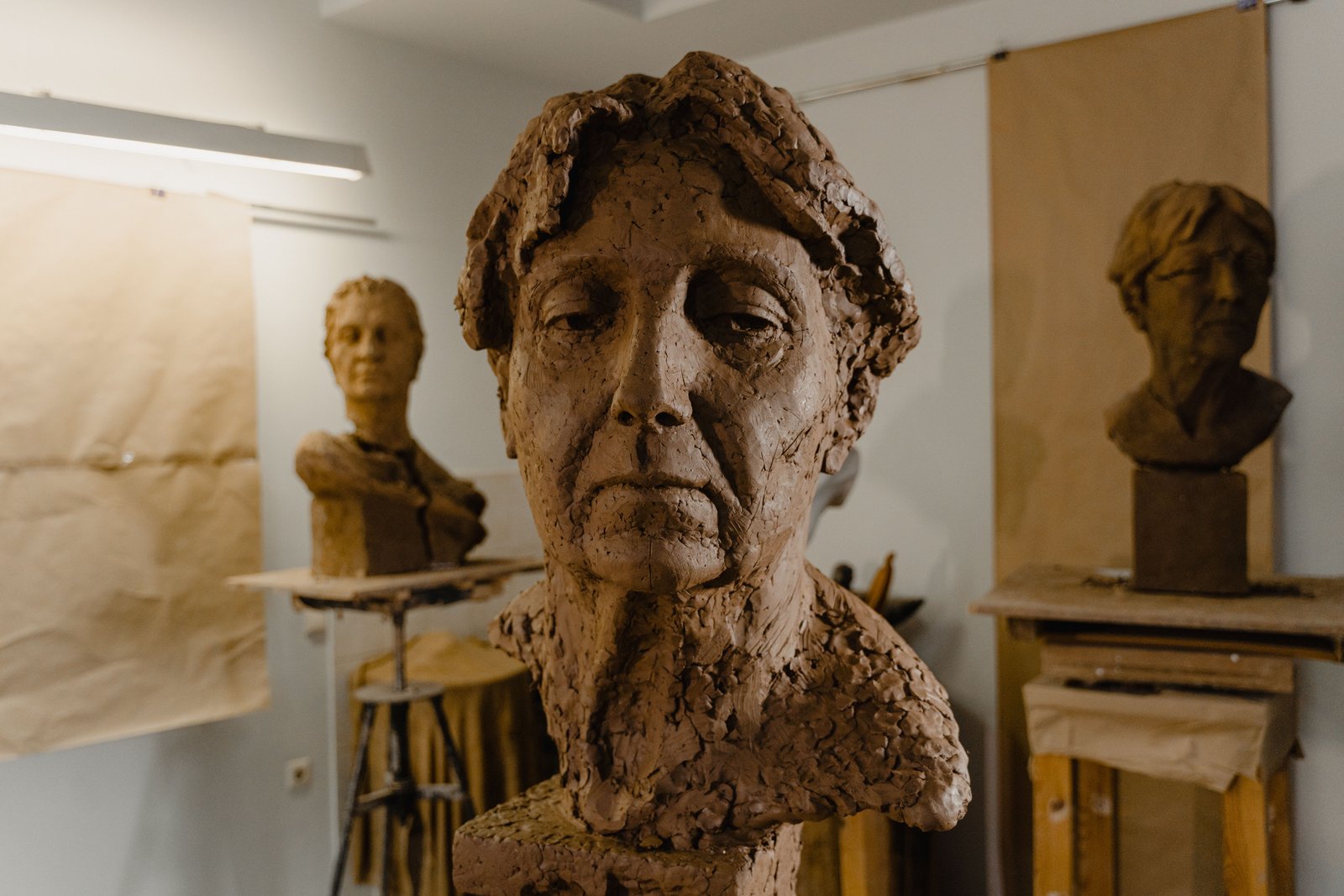
One of the clearest signs of ceramics gaining broader recognition is how often it now appears in major contemporary art galleries and fairs, spaces that historically treated ceramics as craft rather than fine art. That distinction is genuinely blurring more each year.
Museums and institutions that once confined ceramics to decorative arts wings are increasingly showing ceramic work alongside painting, sculpture, and installation art, treating it as an equally serious conceptual medium rather than a separate, lesser category.
This shift matters because it changes how ceramic artists themselves think about their work, with many approaching a piece from a conceptual, idea-first perspective rather than starting purely from function or traditional form.
The craft versus fine art divide hasn’t disappeared entirely, and plenty of genuinely excellent ceramic work is still made with function firmly in mind, but the boundary between the two is far more porous today than it was even a decade ago.
Collectors have followed this shift too, with ceramic work increasingly appearing in serious art collections and auction sales at prices that would have seemed unlikely for the medium a generation ago, further reinforcing how much perception has changed.
Where To See This Kind Of Work
Contemporary art fairs increasingly feature dedicated ceramic sections, reflecting growing collector and curator interest in the medium as a serious investment category alongside painting and sculpture.
University and independent galleries often showcase emerging ceramic artists earlier in their careers, which makes them a genuinely good place to spot new directions in the craft before they reach wider recognition.
Online platforms and social media have also become a major discovery space, with many contemporary ceramic artists building substantial followings by sharing process videos and finished work directly, bypassing traditional gallery representation entirely.
Local exhibitions and pop-up shows, including the kind hosted at working studios like Le Studio Art Space, offer a more accessible way to see contemporary ceramic work up close, often with the chance to talk directly to the artist about their process.
What Competing Guides Leave Out
Many general articles on this topic focus heavily on internationally famous names while barely mentioning local and emerging artists who are genuinely shaping the direction of the craft at a grassroots level. That’s a real gap, since a lot of the most interesting experimentation happens well before an artist reaches wide recognition.
Melbourne and the broader Australian ceramics scene in particular has a genuinely active community of working artists exploring contemporary approaches, often exhibiting through smaller galleries and studio spaces rather than major international institutions.
Another gap is how little attention is paid to affordability and accessibility for people wanting to start collecting contemporary ceramic work, as opposed to only discussing museum-scale pieces that are far beyond a typical collector’s reach.
It’s also worth noting that contemporary doesn’t mean disconnected from tradition. Many of the artists pushing the craft furthest are doing so with a deep, genuine grounding in traditional technique, using that foundation as the platform for experimentation rather than working from scratch.
How This Influences Everyday Studio Practice
You don’t need to be aiming for a gallery career to take something useful from contemporary ceramic art trends. Even hobbyist and beginner potters can borrow ideas around texture, asymmetry, or unconventional glaze combinations to bring more personality into their own work.
Paying attention to contemporary trends can also simply make studio time more interesting, giving you new things to try and new questions to ask about your own developing style, rather than sticking purely to traditional forms out of habit.
Many potters find that exposure to more experimental, conceptual ceramic work actually loosens up their own approach at the wheel or in hand building, making them more willing to embrace an unexpected result rather than treating it as a mistake.
At a working studio, this kind of cross-pollination happens naturally, with members seeing each other’s experiments and gallery visitors’ conversations feeding back into everyday studio practice in small but genuine ways. Even a single conversation about a piece in an exhibition can send someone back to the wheel wanting to try something they’d never have considered otherwise.
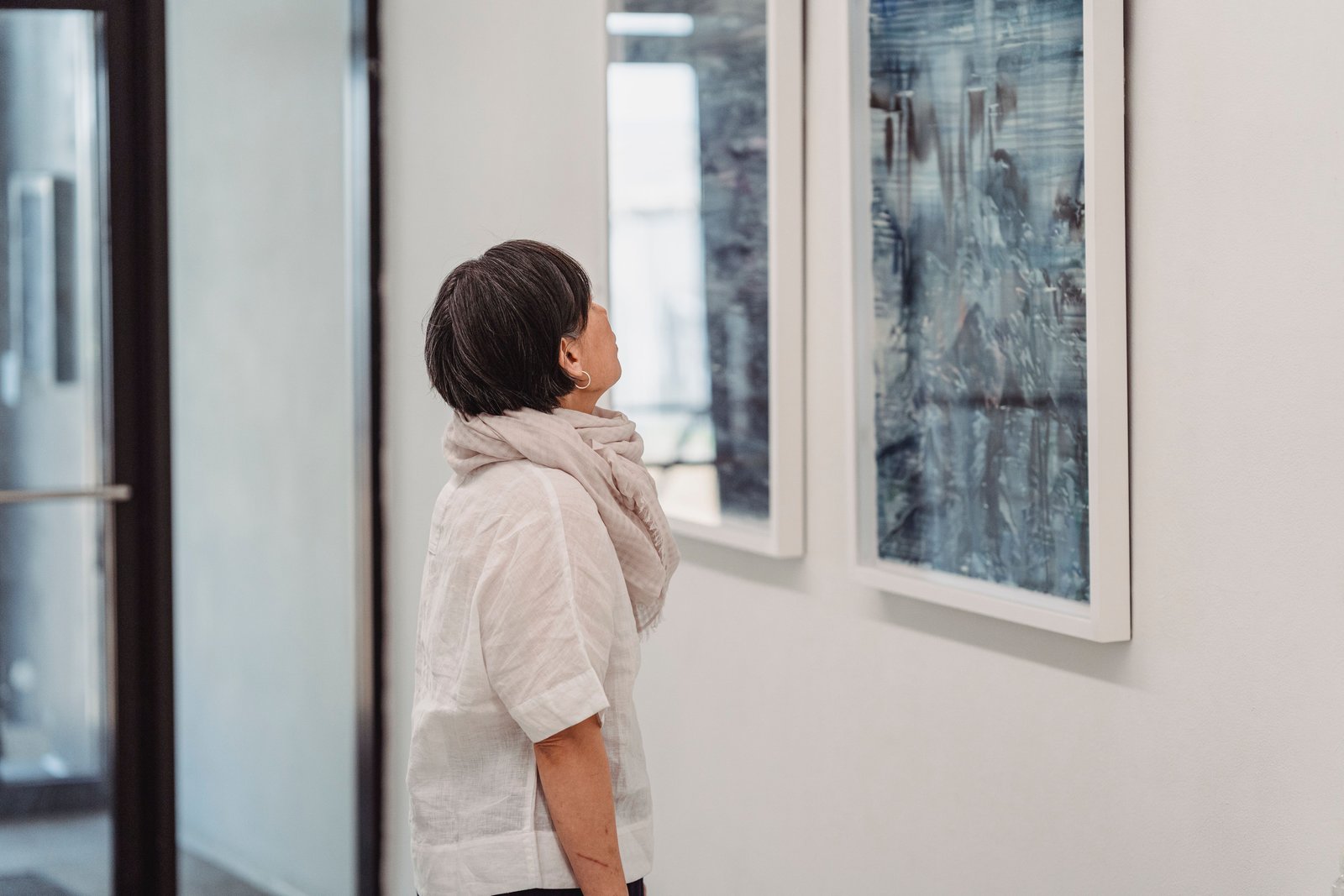
Want to see contemporary ceramic work up close? Visit Le Studio Art Space’s gallery in Mordialloc during our next exhibition or pop-up show.
Frequently Asked Questions
Is contemporary ceramic art really considered fine art now, or is that overstating it?
It’s a genuine, ongoing shift rather than an overstatement. Major galleries and art fairs increasingly show ceramic work alongside painting and sculpture, treating it as a serious conceptual medium in its own right.
Do I need years of experience before I can experiment like contemporary artists do?
Not at all. Many contemporary techniques, like embracing texture or asymmetry, can be explored at any skill level, and studios like Le Studio Art Space encourage that kind of experimentation even for newer members.
Isn’t a lot of contemporary ceramic art just weird for the sake of being different?
Some pieces are certainly provocative by design, but most contemporary ceramic artists are working from a genuine technical and conceptual foundation rather than novelty alone, even when the results look unfamiliar at first glance.
Where can I actually see this kind of work without traveling to a major city gallery?
Local exhibitions, university galleries, and working studios that host pop-up shows are all genuinely good starting points, and often more accessible and personal than a large international gallery.
Can this influence really trickle down to a hobbyist potter’s everyday work?
Yes, genuinely. Many hobbyist potters find that exposure to contemporary trends loosens up their own approach, making them more willing to experiment with texture, form, or glaze in their regular studio sessions.
This article is provided for general educational purposes by Le Studio Art Space and reflects broad trends in contemporary ceramic art. It is not an exhaustive or definitive survey of the field.