The Kemper Pottery Tool Kit, the Original 8-Piece Pottery Tool Set, is genuinely worth buying for most beginners, since it covers the core tools a new potter reaches for constantly in a single, well-made, reasonably priced package. It includes a wire clay cutter, sponge, wood potter’s rib, loop tool, ribbon tool, needle tool, wood modeling tool, and steel scraper, packed in a reusable vinyl case. It is not the only reasonable starter kit on the market, but it is one of the most consistently recommended for good reason.
Deciding what to actually buy for your first proper pottery tool kit is a genuinely common source of hesitation, especially with so many options and price points out there. Here at Le Studio Art Space in Mordialloc, this exact kit comes up in conversation with new members regularly, so here is an honest, practical opinion on whether it is worth buying.
What Comes In The Kemper 8 Piece Tool Kit
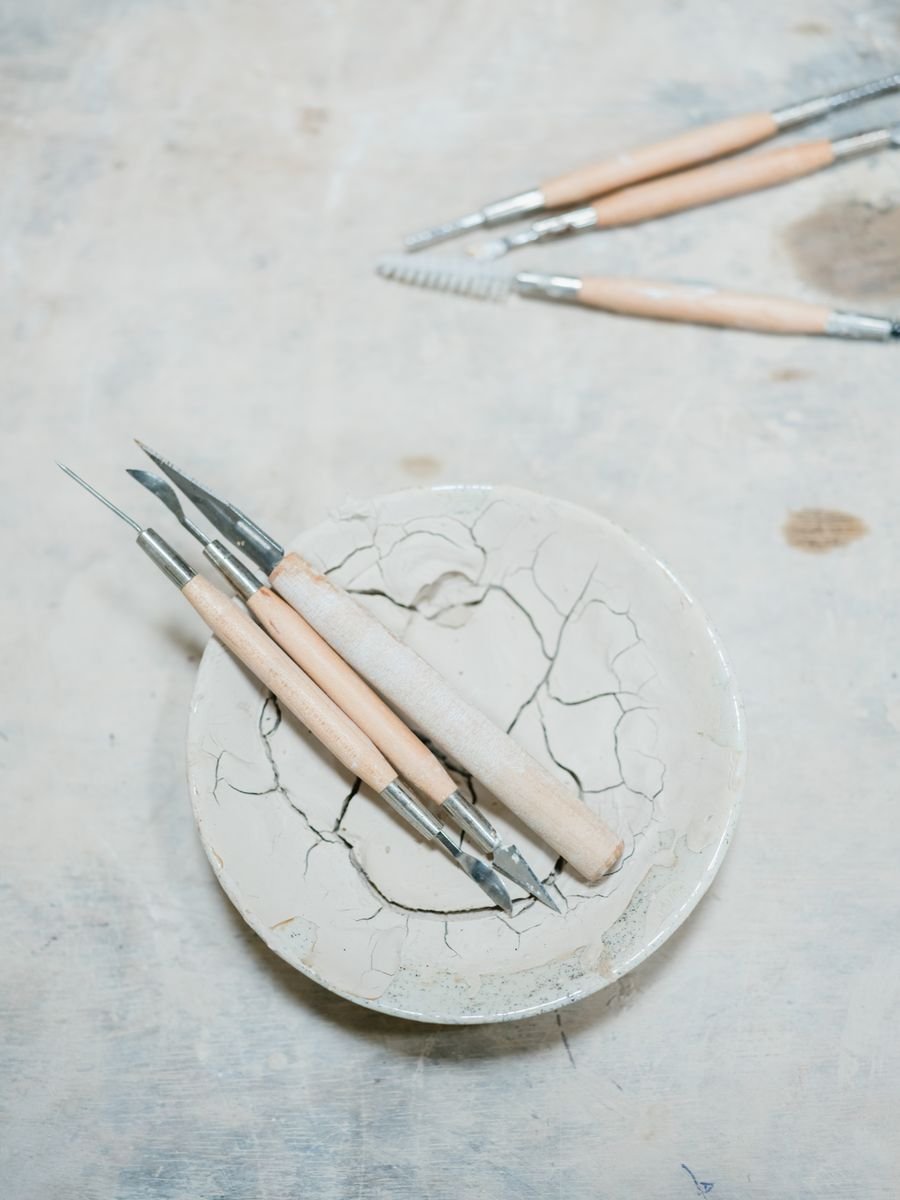
The kit includes eight core tools, a wire clay cutter for slicing clay off a block or lifting a piece off the wheel, a synthetic sponge for controlling water and smoothing surfaces, and a wood potter’s rib for shaping and smoothing clay as you work. A loop tool and a ribbon tool cover trimming, carving, and surface shaping, while a needle tool handles piercing, scoring, and checking wall thickness.
Rounding out the set, a wood modeling tool adds fine detail and shaping control, and a steel scraper removes excess clay and cleans up surfaces. Everything comes packaged in a reusable, clear vinyl case with individual pockets, which keeps the set organized and genuinely practical to carry to a class or studio session.
Each tool is made from the same finest stainless steel and select hardwood construction Kemper uses across its broader catalog, so the kit isn’t a stripped-down, budget version of their normal quality. It’s genuinely the same build standard scaled into an accessible starter package.
That consistency also means there’s no real compromise involved in starting with this kit rather than buying individual tools later, since you’re not settling for a lesser version of the brand’s usual quality just to get a beginner-friendly price point.
Who This Kit Actually Suits
Complete beginners are exactly who this kit was built for. It covers the essential categories a new potter needs, cutting, shaping, smoothing, and detail work, without overwhelming a first-time buyer with specialty tools they don’t yet know whether they’ll use.
More experienced potters building a second kit, maybe one to keep at home alongside tools already at a studio, can also get genuine value from it, since the core eight tools stay useful no matter how advanced you get. Where it makes less sense is for someone who already owns most of these individual tools and is really just hunting for one or two specific specialty items instead.
It’s also a genuinely thoughtful gift option for someone starting classes for the first time, since it covers real, practical need rather than being a novelty purchase. A few members here at Le Studio Art Space have mentioned receiving this exact kit as a gift before ever setting foot in a studio, and it served them well from day one.
It also travels well for anyone splitting their time between a home practice and a shared studio, since the whole kit fits neatly into its case and slips easily into a bag rather than requiring a separate toolbox for each location.
How It Compares To Buying Tools Individually
Buying this set as a kit is almost always cheaper than purchasing all eight tools separately, since bundled sets typically carry some pricing advantage over piecing together the equivalent individual items. The convenience of one purchase covering your immediate needs also matters, especially for someone who doesn’t yet know exactly which individual tools they’ll reach for most.
The trade-off is flexibility. Buying tools individually lets you choose a specific loop tool shape or a particular rib you’ve already tried and liked, rather than accepting whatever’s bundled into a fixed set. For a genuine beginner without strong preferences yet, that trade-off usually favors the kit.
There’s also a genuine time-saving element worth factoring in. Researching and individually selecting eight separate tools from scratch takes real time and a level of product knowledge most beginners simply don’t have yet, so a well-curated kit effectively does that research for you, backed by decades of the manufacturer knowing what beginners actually need.
That curation also reduces decision fatigue at a stage when a beginner is already absorbing a lot of new information about technique and materials. Not having to research eight separate purchasing decisions on top of everything else genuinely lightens the mental load of getting started.
What The Kit Is Missing
Honestly, no eight-piece kit covers everything a growing pottery practice eventually needs. Trimming tools beyond the included loop tool, additional rib shapes, a banding wheel, and specialty carving tools are all things many potters add over time as their technique and preferences develop.
None of that is a real criticism of the kit itself, a genuine beginner starter set was never meant to be a complete, lifelong toolkit. Think of it as a strong foundation you build outward from, adding specific tools as you discover what your own work actually calls for.
A banding wheel in particular is worth mentioning specifically, since it’s genuinely one of the most useful pieces of equipment a hand builder or a potter doing detail work eventually wants, letting you rotate a piece smoothly while working rather than constantly repositioning it by hand. It’s a natural, sensible second purchase once the core kit is covered.
What Competing Guides Leave Out
Most reviews of this kit are written from a first-impressions perspective, unboxing photos and initial reactions, without addressing how the tools actually hold up after real, regular studio use over months or years. In our experience at Le Studio Art Space’s Ceramic Studio, Kemper tools that see daily handling from many different members continue performing reliably well beyond that initial period, which says a lot about genuine build quality rather than just first impressions.
The other gap is honesty about studios that already provide these tools. If you’re regularly working in a shared studio with house tools available during classes and sessions, buying your own kit isn’t strictly necessary right away, and it’s worth trying studio equipment first to confirm you genuinely want your own set before spending the money.
Resale and hand-me-down value is a third gap worth mentioning. Because these tools genuinely hold up over years of use, a well-cared-for kit retains real practical value even secondhand, which is worth keeping in mind if you’re weighing up a slightly higher upfront cost against a cheaper set that may need replacing sooner.
Kemper 8 Piece Kit Versus Other Beginner Tool Sets
This isn’t the only beginner tool set worth considering, and other manufacturers offer their own reasonably priced starter kits with a similar core selection of tools. Some alternative sets lean toward a slightly different tool mix or a different price point that might suit a tighter beginner budget better.
Where the Kemper kit tends to stand out is the specific combination of genuinely durable construction and a well-chosen, versatile eight-tool selection that covers real beginner needs without unnecessary padding. If your budget is especially tight or you have specific preferences already, it’s worth comparing a couple of alternative sets before committing.
Ultimately, the right choice comes down to trying a few options in person where possible, rather than deciding purely from online descriptions or reviews. How a tool actually feels in your own hand is genuinely hard to judge from a product photo, no matter how detailed the listing is.
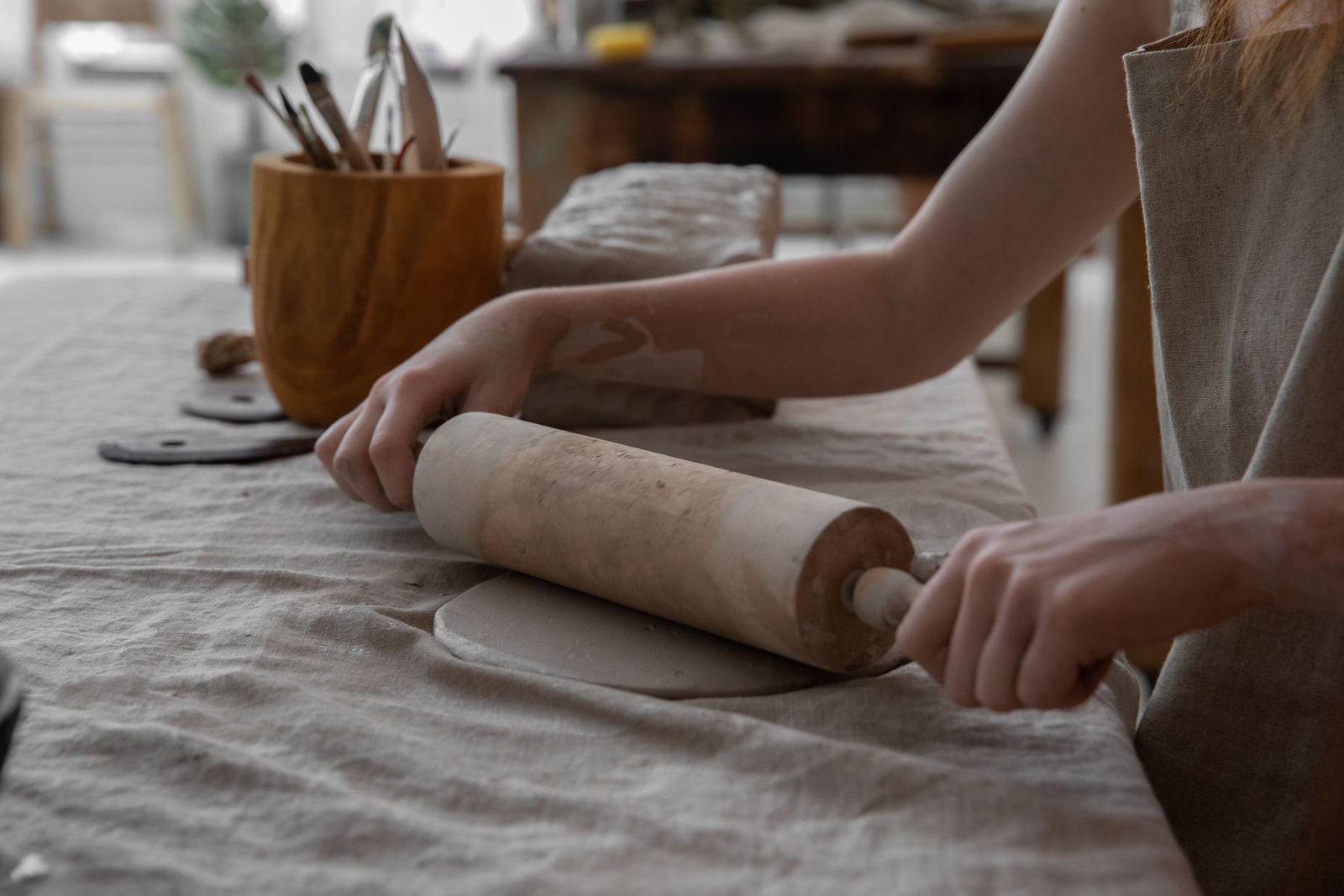
Before buying any tool kit, it genuinely helps to try the tools yourself first. Try Kemper tools in a class before deciding what to buy, at Le Studio Art Space in Mordialloc.
Frequently Asked Questions
Is the Kemper 8 piece tool kit actually enough to get started, or will I need more right away?
It genuinely covers the essentials, cutting, shaping, smoothing, and detail work, so it’s enough to get started confidently. Most potters add specific extra tools gradually as their technique develops, rather than needing anything more on day one.
Will these tools actually last, or are they more of a starter throwaway kit?
In our experience, Kemper tools genuinely hold up well over years of regular use, even under the heavy daily handling a shared studio like ours puts them through. They’re built to last rather than being a disposable starter product.
Should I buy this kit if my studio already provides tools to use?
Not necessarily right away. It’s worth trying the studio’s own tools first to confirm you actually want a personal set before spending the money, especially if you’re still deciding how often you’ll be working outside of studio sessions.
What’s missing from the 8 piece kit that I’ll probably want later?
Additional trimming tools, extra rib shapes, and specialty carving tools are common additions many potters make over time as their preferences develop. None of that means the starter kit is incomplete, just that it’s a foundation rather than a lifelong final toolkit.
Is this kit worth it compared to buying tools individually?
For a genuine beginner without strong preferences yet, yes, the bundled price is typically cheaper than buying all eight tools separately. More experienced potters with specific preferences might prefer picking individual tools instead.
This article is provided for general educational purposes by Le Studio Art Space and reflects publicly available product information and common studio practice.