Raku firing is a fast, hands on process where glazed pieces are heated quickly, removed from the kiln while glowing hot, and usually placed in combustible material like sawdust or paper to create smoke and reduction effects. Traditional kiln firing heats work slowly in a closed kiln on a controlled schedule and lets it cool gradually. Raku gives dramatic crackle, smoke, and metallic surfaces, while traditional firing gives stable, durable, often food safe results.
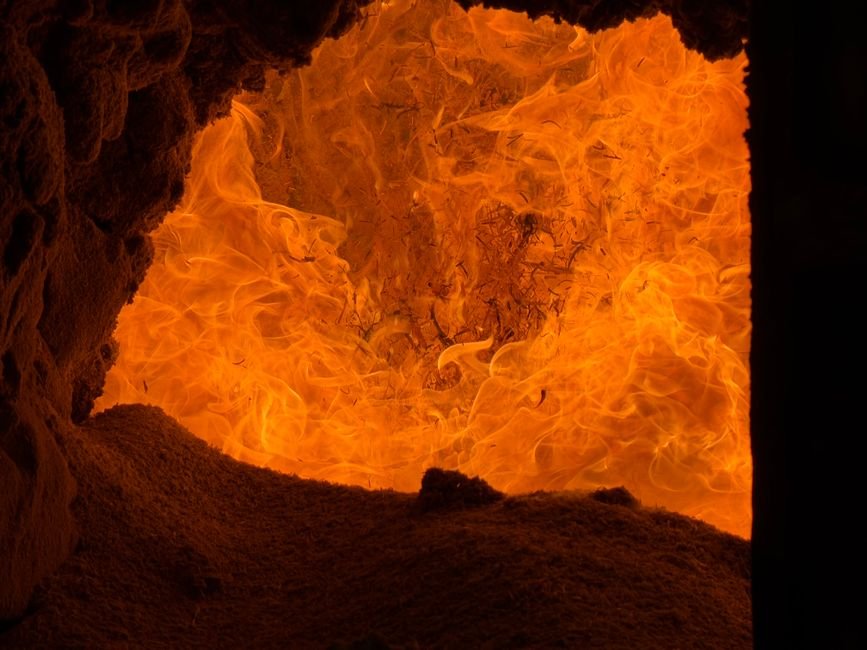
If you’ve ever seen a raku firing, you’ll know it’s unforgettable. Glowing pots are lifted out of a kiln with long tongs, flames leap as they’re lowered into sawdust, and smoke billows before the pieces are revealed with crackled glazes and smoky black clay. It’s a very different experience from loading a studio kiln, closing the lid, and waiting a day or two.
At Le Studio Art Space in Mordialloc, most of our firings are the controlled, everyday kind, but raku is something people ask about all the time. This guide compares raku firing with traditional kiln firing, explaining how each works, how the results differ, the safety realities, and how to try raku the right way.
What Raku Firing Is
Raku has its roots in sixteenth century Japan. The tile maker Chojiro is credited with making hand formed tea bowls for the tea master Sen no Rikyu, and the Raku family has continued the tradition for generations. Traditional Japanese raku focused on tea bowls valued for their simplicity and character.
What most people today call raku is a Western adaptation. In the 1950s and 1960s, American potters, notably Paul Soldner, developed the now familiar technique of placing hot pieces into combustible materials to create a reduction atmosphere. This post firing reduction is what produces many of the classic Western raku effects.
In a typical Western raku firing, bisque fired pieces coated with raku glaze are placed in a small kiln and heated quickly until the glaze melts, often reaching somewhere around 900 to 1000 degrees Celsius or a little more, depending on the glaze.
The kiln is then opened, and the glowing pieces are removed with tongs. They’re placed in a metal container with combustible materials like sawdust, newspaper, or leaves, which ignite. The container is covered to starve the fire of oxygen, creating heavy smoke and reduction.
After a short time, the pieces are removed, cooled, and cleaned to reveal the surface. The whole process can take less than an hour per load, which is part of the excitement.
How Traditional Kiln Firing Works
Traditional kiln firing, whether in an electric or gas kiln, is slow and controlled. Work is loaded into a cold kiln, the door or lid is closed, and the temperature rises gradually according to a firing schedule.
A typical glaze firing might take many hours to reach temperature, often followed by a hold, and then a long, slow cool. The kiln usually isn’t opened until it’s close to room temperature. That gradual approach protects work from thermal shock and allows glazes and clay to mature fully.
Studio glaze firings often reach mid fire around cone 6 or high fire around cone 10, much hotter than most raku firings. At those temperatures, stoneware and porcelain become dense and vitrified.
Results are generally stable and repeatable. Once you know how a glaze behaves on a certain clay in a certain kiln, you can expect similar results next time. Our guide to kiln firing temperatures explains typical bisque and glaze firings.
Traditional firing is what most functional pottery goes through, from everyday mugs to fine porcelain tableware. It’s quieter and less theatrical than raku, but opening a kiln full of well fired work has its own kind of thrill.
How The Finished Work Differs
Raku is famous for its dramatic surfaces. Crackle glazes develop fine networks of cracks as the hot piece meets cooler air, and smoke from the reduction chamber seeps into those cracks, turning them black. The result is a striking web of lines across a white or coloured glaze.
Bare clay areas often turn black or smoky grey from carbon. Many raku artists leave parts unglazed or use resist techniques to create contrasting black areas.
Metallic and lustrous effects are another raku signature. Copper bearing glazes can produce iridescent flashes of red, gold, purple, and green, depending on how the reduction goes. No two pieces come out the same, which is exactly what many raku lovers enjoy most.
Traditional firing gives more even, stable surfaces. Glazes melt fully and form durable coatings. Colours are consistent, and there’s much less of the smoke and surprise that defines raku.
Both have their beauty. Raku feels spontaneous and elemental, while traditional firing offers reliability and the depth of a fully matured glaze.
Strength differs too. Raku pieces are fired at lower temperatures and go through intense thermal shock, so they’re usually more fragile and porous than stoneware or porcelain fired traditionally. They’re best handled gently and kept indoors, away from frost and constant moisture.
There’s also a difference in control. In traditional firing, potters shape results mainly through clay, glaze, and schedule choices made before the kiln is closed. In raku, much of the result is shaped in the moments after the kiln opens, by timing, materials in the reduction chamber, and how long the piece stays covered.
Safety And Practicalities Of Raku Firing
Raku firing demands real experience and serious safety precautions. You’re handling glowing pottery, open flames, and combustible materials, so it’s not something to try casually at home.
Protective equipment is essential. That typically includes heat resistant gloves, long sleeved natural fibre clothing, closed shoes, eye or face protection, and often a respirator for smoke. Long tongs keep your body away from the heat.
Raku needs suitable outdoor space. The process produces flames and plenty of smoke, so it’s done outdoors, away from buildings, overhanging trees, and dry vegetation. Fire safety equipment should be on hand, and local fire restrictions must be respected, especially during the Australian fire season.
Clay choice matters too. Raku pieces experience extreme thermal shock, so potters use clays designed to cope with it, often heavily grogged bodies.
Because of all this, raku is best experienced in a supervised workshop or with an experienced raku potter who has the right equipment and knows the risks.
What Competing Guides Leave Out About Raku Firing
Most articles about raku firing celebrate the dramatic results but skip a crucial point: raku ware is usually decorative, not food safe. Raku clay is typically porous, the glazes are often low fired and crackled, and the surfaces can harbour bacteria or leach materials. Most raku pieces are meant for display, not for eating or drinking.
Some raku pieces aren’t even waterproof. Vases may need a liner if you want to use them with fresh flowers.
Competing guides also rarely explain why a shared studio kiln isn’t used for raku. Standard studio kilns are designed for slow, controlled heating and cooling. Opening them while red hot can damage elements, bricks, and controllers, and it creates serious safety hazards in an indoor space.
Raku uses dedicated kilns, often small gas fired or specially designed electric units, set up outdoors for that purpose. It’s a separate setup, not something you can do with the regular firing service kiln. Our guide to the parts of a kiln every potter should know explains how studio kilns are built for controlled firing.
Is Raku Right For You
If you love dramatic, unpredictable surfaces and enjoy the idea of a hands on, communal firing, raku can be incredibly rewarding. Many potters describe their first raku firing as one of their most memorable studio experiences.
If your main goal is functional pottery for daily use, traditional kiln firing is usually the better path. You’ll get durable, often food safe results and consistent glazes.
The best way to try raku is through a supervised workshop with experienced potters, proper equipment, and a safe outdoor setup. That lets you experience the process without the risk or cost of setting it up yourself.
In the meantime, our workshops and classes build the skills you’ll need, members of our ceramic studio can develop forms suited to raku, and our firing service takes care of the bisque firing that raku pieces need first.
Curious about raku and other firing methods? Ask the team at Le Studio Art Space in Mordialloc about firing options and workshops, and find a safe, supported way to explore different kinds of firing.
Frequently Asked Questions
Is raku pottery food safe?
Usually not. Raku clay is often porous and the crackled glazes aren’t designed for food use. Most raku is made for display.
Can I do raku in my home kiln?
Standard electric kilns aren’t designed to be opened while red hot. Raku uses dedicated equipment and outdoor space, ideally with experienced supervision.
Why does raku crackle?
The sudden temperature change when hot pieces meet cool air causes the glaze to craze. Smoke then darkens the cracks, making the pattern visible.
Is raku dangerous for beginners?
It involves real hazards like extreme heat, flames, and smoke. With proper protective gear and an experienced leader, many beginners take part safely in workshops.
Does Le Studio Art Space offer raku firing?
Le Studio Art Space’s regular firing service uses controlled kiln firing. Ask the team about firing methods and any special workshops that may be offered.
This article is provided for general educational purposes by Le Studio Art Space. Raku involves serious fire and heat hazards and should only be attempted with appropriate training, equipment, supervision, and compliance with local fire regulations.