Before buying sculptures for sale, understand what drives the price (materials, time, firing, and the artist’s reputation), inspect the piece closely for cracks, chips, and stable construction, and ask about care, provenance, and whether it suits indoor or outdoor display. Buying directly from artists or local galleries often gives you better information, and it supports working makers.
There’s something special about bringing home an original sculpture. Unlike a print or a mass-produced ornament, it’s a single object shaped by someone’s hands, and it can change the feel of a room. But if you’ve never bought one before, browsing sculptures for sale can feel a little intimidating, especially when prices vary so widely.
At Le Studio Art Space in Mordialloc, our gallery hosts exhibitions and pop-up shows, and we often chat with visitors who love a piece but aren’t sure what to ask. This guide focuses mostly on ceramic sculpture, and it covers what you’re paying for, how to check condition, where to buy, and how to look after your piece once it’s home.
Understanding What You Are Actually Paying For
Materials are only a small part of a sculpture’s price. Clay itself is relatively inexpensive, but glazes, specialist clays, and firings add up, especially for large pieces that take up a lot of kiln space. Bronze, stone, and mixed media works carry very different material costs again.
Time is usually the biggest factor. A ceramic sculpture might involve many hours of building, days or weeks of slow drying, multiple firings, and careful surface work. Pieces can also be lost at any stage, particularly in the kiln, and artists factor that risk into their pricing.
Skill and experience matter too. An established artist with a long exhibition history, strong collector base, or recognised style will generally price higher than an emerging maker. That doesn’t mean emerging artists’ work is less worthwhile, only that the market values track records.
Finally, there are the costs of selling. Galleries usually take a commission to cover exhibition space, promotion, and staff, and artists selling online pay for photography, packaging, and fees. Knowing this helps you understand why two similar-looking pieces can be priced quite differently.
A fair price is ultimately one that reflects the work and feels right to you. It’s perfectly reasonable to ask an artist or gallery how a price was set, and most are happy to explain.
Checking The Piece’s Condition And Durability
Whenever possible, look closely at a piece in person before buying. Check for cracks, especially hairline cracks around joins, bases, and thin extensions. Gently run your fingers over edges to feel for chips, and look underneath, since damage often hides at the base.
Consider stability. A sculpture should sit securely without rocking unless it’s designed to. Tall or top-heavy pieces may need a stand, fixings, or a heavy base, so ask how the artist intends it to be displayed.
For ceramics, ask how the piece was fired. High fired stoneware and porcelain are generally denser and more durable, while low fired earthenware or pit fired work may be more porous and delicate. Alternative surfaces like raku or smoke firing are beautiful but usually better suited to indoor display.
If you’re buying online, ask for detailed photos from several angles, including the base and any areas of concern. Good sellers are used to these requests and will happily provide them, along with clear dimensions and weight.
Don’t be put off by small, deliberate irregularities. Handmade ceramic sculpture often shows finger marks, glaze variations, crawling, or crackle that the artist intended as part of the work. The difference between character and damage usually comes down to whether the mark affects the structure. A glaze pool or textured surface is part of the piece, while a crack running through a join is a genuine concern.
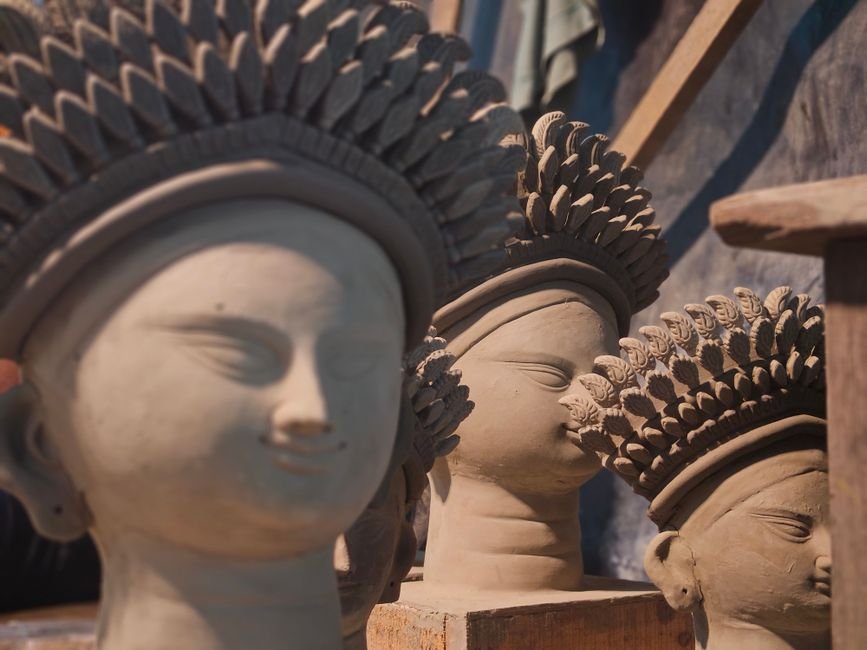
Buying Sculptures For Sale From A Gallery Versus Directly From An Artist
Galleries offer curation and a degree of trust. A reputable gallery has already selected work it believes in, often knows the artist well, and can provide background on their practice. Many also offer clear sales terms, packaging, and sometimes delivery or installation.
Buying directly from an artist, at a studio, market, or open day, creates a personal connection. You can hear how a piece was made, ask questions, and sometimes discuss commissions. More of the price usually goes to the artist, though prices are often kept consistent with gallery pricing to be fair to both.
Provenance, which is the documented history of a piece, matters more for established or historically significant work. For contemporary pieces, a signature, a receipt, and a short artist statement or certificate are usually enough. For older or higher-value work, galleries tend to provide better documentation.
Online platforms sit somewhere in between. They offer huge choice, but you’ll need to do more of the checking yourself, so look for clear policies on returns, damage in transit, and contact with the seller.
Whichever route you choose, think about how the piece will get home. Ceramics are heavy and fragile, and larger sculptures may need custom crating or careful transport. Galleries and artists who sell regularly usually have packing and delivery sorted, but if you’re collecting yourself, bring blankets, boxes, and padding, and plan to keep the piece secure and upright in the car.
Questions Worth Asking About Sculptures For Sale Before You Buy
Ask what the piece is made from and how it was fired or finished. This tells you a lot about durability and care. It’s also worth asking whether it’s suitable for outdoor display, since not all ceramics handle frost, rain, or harsh sun.
Ask about size, weight, and display requirements. Some pieces need wall fixings, plinths, or a particular kind of shelf. Knowing this before you buy avoids unpleasant surprises when you get home.
Ask about the artist. Where have they exhibited, and is this piece part of a series? Understanding the context often deepens your appreciation and can matter for long term value.
Finally, ask about practical terms, including payment options, delivery, packaging, and what happens if the piece is damaged in transit. A clear answer to each question is a good sign you’re dealing with a professional seller.
What Competing Guides Leave Out
Most buying guides stop at the point of sale, but caring for a ceramic sculpture once you own it is just as important. Keep it somewhere stable and out of busy walkways, away from shelves that get bumped. Dust gently with a soft, dry brush or cloth, and avoid harsh cleaning products, which can dull some surfaces.
Unglazed or low fired surfaces may absorb oils from hands and water, so handle them as little as possible and never soak them. For outdoor pieces, check whether they need to be brought inside over winter or raised off wet ground to prevent frost damage.
Long term value is another area most guides skip. Value is influenced by the artist’s ongoing career, exhibition history, condition, and documentation. Keeping receipts, artist information, and any exhibition details together helps if you ever want to insure, sell, or pass on the piece.
It’s also worth being realistic. Most people buy sculpture because they love it, not as an investment, and that’s usually the best approach. A piece you enjoy every day has value regardless of what the market does.
Supporting Local And Emerging Ceramic Artists
Buying from local and emerging artists is one of the most direct ways to support a creative community. Your purchase helps pay for studio rent, materials, and firings, and it encourages artists to keep developing their work.
Emerging artists often offer genuinely exciting work at more accessible prices, and there’s a real pleasure in following an artist’s career and seeing their practice grow over the years. Some collectors find that early purchases become their most meaningful pieces.
Visiting studios, open days, and exhibitions is a great way to discover makers. Many of the artists who work in our ceramic studio show in exhibitions and pop-ups, and you can learn more about local artists in our piece on popular ceramic artists worth following.
And if seeing sculpture in person sparks your own curiosity, our workshops and classes are a lovely way to understand the craft from the inside, which many collectors find deepens their appreciation of every piece they buy.
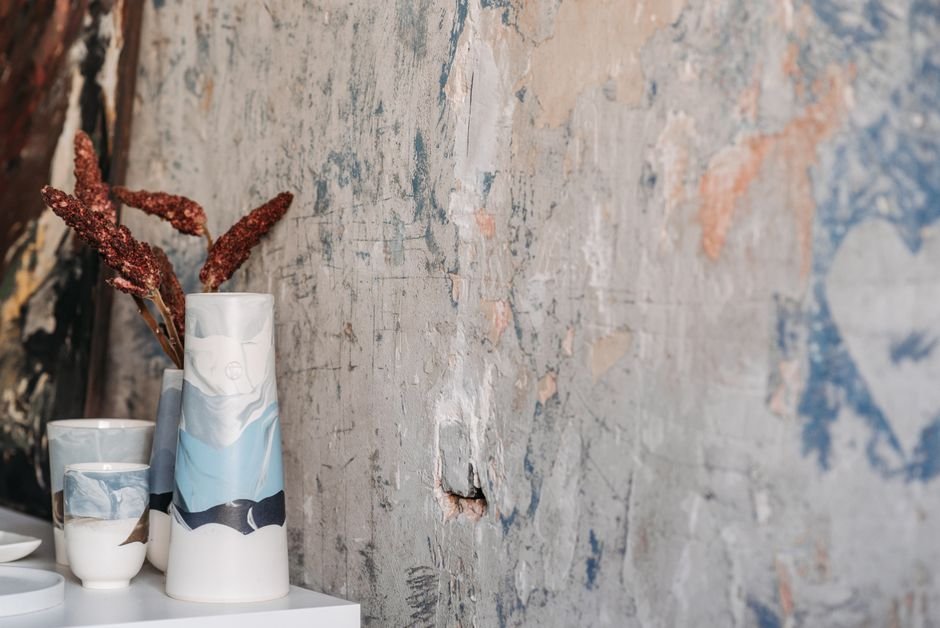
Looking for original ceramic sculpture? Visit the gallery at Le Studio Art Space in Mordialloc during our exhibitions and pop-up shows, meet local makers, and find a piece you’ll love for years.
Frequently Asked Questions
Why are handmade ceramic sculptures so expensive?
The price reflects time, skill, materials, firings, and the risk of losing pieces in the kiln. Gallery commissions and selling costs are often included too.
Is it safe to buy sculptures for sale online?
It can be, as long as you ask for detailed photos, clear dimensions, and firm policies on returns and damage in transit. Buying from established platforms or artists with good reviews helps.
Can I put a ceramic sculpture outside?
Only if it’s made and fired for outdoor use. Many low fired or porous pieces can crack in frost, so check with the artist first.
Is it okay to negotiate on the price of a sculpture?
Some artists are open to discussion, especially for multiple purchases, but many keep prices fixed to be fair to galleries. Asking politely is fine.
Where can I see local ceramic sculpture in Mordialloc?
Le Studio Art Space hosts exhibitions and pop-up shows in our gallery. It’s a relaxed way to see work in person and meet the artists who made it.
This article is provided for general educational purposes by Le Studio Art Space and does not constitute financial or investment advice. Care requirements vary by artwork, so always follow the artist’s guidance.