A figurine is a small sculpted figure, usually of a person, animal, or character, made to be held in the hand or displayed on a shelf. A ceramic figurine is one made from clay and fired in a kiln, which turns it into hard, permanent ceramic. Figurines can be sculpted by hand, pressed into moulds, or slip cast, then glazed, painted, or left as plain bisque.
You’ve probably seen them on a grandparent’s mantelpiece, in an antique shop window, or tucked onto a gallery plinth. But what is a figurine, exactly, and what makes a ceramic one different from a toy, an ornament, or a full sized sculpture? It’s a simple word with a surprisingly long history behind it.
At Le Studio Art Space in Mordialloc, figurines come up in our hand building sessions all the time, usually when someone pinches a tiny bird or a little character and asks whether it counts as sculpture. This guide gives you a clear, friendly definition, explains how ceramic figurines are made, and shows you how to try making one yourself.
What Is A Figurine In Ceramics
At its simplest, a figurine is a small three dimensional figure. The word comes from the Italian figurina, meaning a little figure, and it’s generally used for pieces small enough to hold or sit on a shelf. Many sources describe figurines as being under about sixty centimetres tall, though there’s no strict rule.
Figurines can be made from almost anything, including wood, metal, glass, resin, and plastic. A ceramic figurine is specifically one made from clay that has been fired in a kiln. Firing changes the clay chemically, so the finished piece can’t soften back into mud the way unfired clay can.
Ceramic figurines are also some of the oldest objects people have ever made. The Venus of Dolni Vestonice, found in what’s now the Czech Republic, is a fired clay figure thought to be roughly 26,000 years old, far older than the earliest known pottery vessels.
Later examples range from ancient Greek Tanagra terracottas to the porcelain figures made at Meissen in Germany from the early 1700s, and the colourful earthenware Staffordshire figures popular in English homes from around the mid 1700s onward. Today, studio potters and hobbyists make figurines in every style imaginable.
How Ceramic Figurines Are Made
There are three main ways to make a ceramic figurine, and each suits a different purpose. The first is hand sculpting, where the maker shapes the figure directly from a lump of clay, using fingers, simple tools, and techniques like pinching, rolling, and joining small pieces together.
Hand sculpting makes every figure one of a kind. It’s how most beginners start, and it’s how many artists still work today. Small figures are often made solid, while larger ones are hollowed out or built hollow so they dry and fire safely.
The second method is press moulding. Soft clay is pressed into a plaster mould, usually in two halves, then removed, joined, and cleaned up. This allows a maker to repeat a design with some consistency while still finishing each piece by hand.
The third is slip casting, the method behind most commercially made figurines. Liquid clay, called slip, is poured into a plaster mould, which draws water out and leaves a clay shell. Our guide on how slip casting molds work explains the process in more detail.
Figurines Versus Larger Ceramic Sculpture
So where does a figurine end and a sculpture begin? Technically, every figurine is a small sculpture. The difference is mostly about scale and intent rather than material or technique.
Figurines tend to be small, often representational, and frequently made as decorative, collectable, or sentimental objects. Think of a porcelain shepherdess, a ceramic cat on a windowsill, or a set of tiny nativity figures.
Larger ceramic sculpture is usually made as a standalone artwork, often exploring ideas, form, or emotion more than charm. It may be abstract, life sized, or installed in a gallery or garden. Our article on what ceramic sculpture is covers that wider world.
The line is genuinely blurry. Many contemporary artists make small figurative pieces that are clearly serious artworks, and some collectors treat antique figurines as fine art. In practice, people tend to use whichever word feels right for the piece in front of them.
Another useful clue is how the piece is meant to be seen. A figurine is usually viewed up close, picked up, and turned in the hand, so small details and a pleasing shape from every angle matter a lot. A larger sculpture is often viewed from a distance, where overall form and presence count for more than tiny surface details.
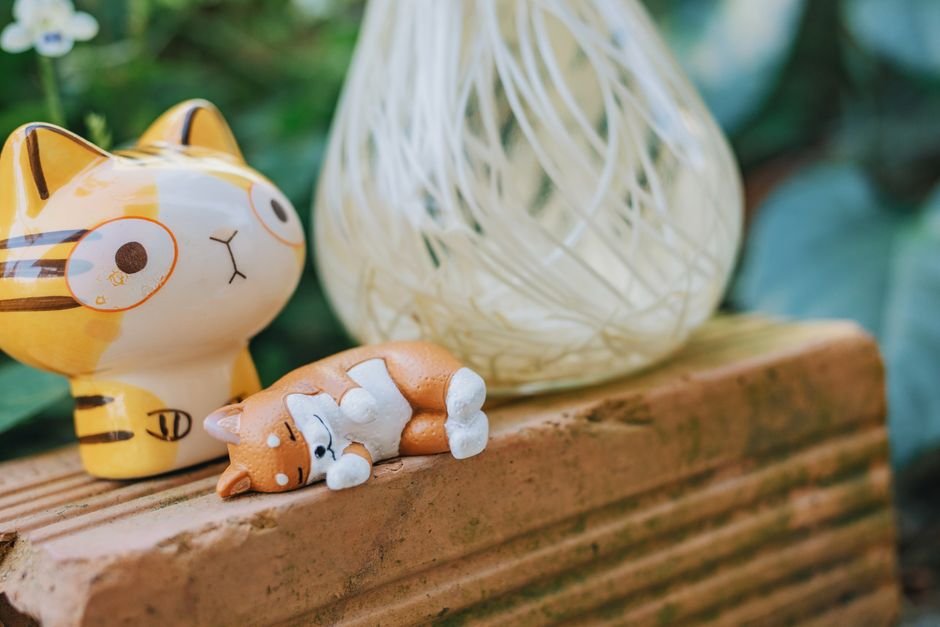
Common Finishes And Decoration
Once a figurine is fired, it can be finished in several ways. A glazed figurine has a glassy coating, either clear over painted colours or coloured glaze directly on the clay. Glaze gives a shiny or satin surface and makes the piece easier to keep clean.
Painted figurines often use underglazes, which are coloured clay based paints applied before the final firing, sometimes with a clear glaze on top. Fine details like eyes, patterns, and facial features are usually done this way. Some figurines are also painted after firing with acrylics, though that paint sits on the surface rather than being fused into it.
Unglazed bisque figurines are left with a matte, chalky surface. This finish was especially popular for European porcelain figures in the eighteenth and nineteenth centuries, because it resembles carved marble.
Some makers also use slips, oxides, or stains rubbed into textures to bring out detail without a glossy finish. Each approach gives a very different feel, so it’s worth looking at plenty of examples before deciding how to finish your own.
If you’re making a figurine as a beginner, a simple approach works well. Many people paint a few underglaze colours onto the bisque, add a clear glaze over the top, and leave the base bare so it can sit safely on the kiln shelf. It’s an easy way to get bright, lasting colour without needing advanced glazing skills.
What Competing Guides Leave Out When Explaining What Is A Figurine
Most definitions explain what is a figurine and stop there, without telling you how to actually make one or what happens to delicate details in the kiln. That’s the part beginners most often get stuck on.
The biggest issue is drying. Thin arms, tails, ears, and other small details dry faster than the body of the figure, which can cause cracks where they join. Drying slowly under loose plastic, and keeping parts similar in thickness, helps a great deal.
Joins are the next challenge. Pieces attached without scoring and slip often fall off during drying or firing. Scratching both surfaces, adding a little slip, and pressing firmly together makes the bond much stronger.
Firing matters too. Solid pieces thicker than a couple of centimetres can trap moisture and crack, or even burst. Hollowing out thicker sections, or poking a small hole into enclosed spaces, lets air and steam escape. Our article on why pottery can explode in the kiln explains why that matters.
Finally, delicate details can soften or slump slightly during firing, especially thin parts that stick out. Designing your figure with chunky, well supported shapes gives it the best chance of coming out the way you made it.
Making Your Own Simple Ceramic Figurine
A great first figurine is small, compact, and simple. Animals like birds, owls, cats curled up asleep, or little hedgehogs work well, because their shapes are naturally rounded and don’t need thin, fragile limbs.
Start with a ball of clay about the size of a lemon. Pinch out the main body shape first, then add small features like ears, wings, or a tail using scored and slipped joins. Use a simple wooden tool or a toothpick to add texture and details like feathers or eyes.
Keep the figure hollow if it’s bigger than a golf ball, or carefully scoop out clay from the base once it’s leather hard. Let it dry slowly before it goes into the kiln.
Making figurines is one of the most relaxed ways to start working with clay, and it’s a favourite in our workshops and classes. Once your piece is dry, our firing service takes care of the kiln, and members of our ceramic studio can keep working on figures between sessions. For more ideas, try our guide to clay art ideas to try in the studio.
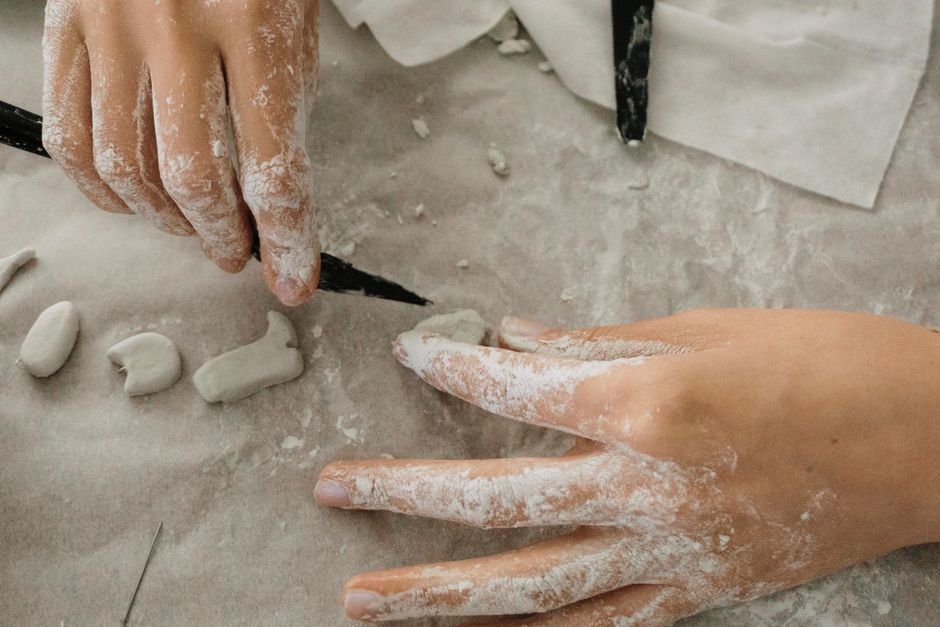
Fancy making a little figure of your own? Sculpt a small ceramic figurine during a hand building session at Le Studio Art Space in Mordialloc, and we’ll help you shape, dry, and fire it so it lasts.
Frequently Asked Questions
What is a figurine compared to a statue?
The main difference is size. A figurine is small enough to hold or display on a shelf, while a statue is usually large, often life sized or bigger, and made for public or outdoor display.
Are ceramic figurines the same as porcelain figurines?
Porcelain is one type of ceramic, so all porcelain figurines are ceramic, but not all ceramic figurines are porcelain. Many are made from earthenware or stoneware instead.
Can a total beginner really make a ceramic figurine?
Yes, especially with simple, rounded shapes like birds or sleeping animals. Starting small and keeping details chunky makes it much more likely your figure will survive drying and firing.
Why did my clay figurine’s arm fall off?
Usually because the join wasn’t scored and slipped, or because the thin part dried faster than the body. Scratching both surfaces, adding slip, and drying slowly helps prevent it.
Where can I get a handmade figurine fired?
You’ll need access to a kiln, either through a studio or a firing service. Le Studio Art Space offers a firing service in Mordialloc, and our team can let you know whether your piece is ready to fire.
This article is provided for general educational purposes by Le Studio Art Space. Results vary with clay type, technique, and firing conditions.