Ceramic jobs range from studio roles like assistant, technician, kiln manager, and class instructor, to running your own practice as an independent ceramic artist or production potter. There are also teaching and community program roles, plus industrial and technical careers in manufacturing and materials science. Many people working with clay combine several of these, rather than relying on a single income.
Maybe you’ve been taking classes for a while, you’ve started selling a few pieces to friends, and a little voice is asking whether this could ever be more than a hobby. It’s a very natural question, and the honest answer is that ceramic jobs do exist, in more varieties than most people expect.
At Le Studio Art Space in Mordialloc, we’re surrounded by people who work with clay in all sorts of ways, from working artists leasing studio space to teachers, technicians, and makers juggling several projects at once. This guide gives you a realistic overview of the main kinds of ceramic jobs, what they involve, and practical first steps if you’d like to explore them.
Studio Based Ceramic Jobs
Many ceramic jobs sit inside working studios. A studio assistant helps keep things running, which can include preparing clay, reclaiming scraps, cleaning, organising shelves, and helping students during classes. It’s often an entry point, and a great way to learn how a studio really works.
A studio technician takes on more technical responsibility. Typical duties include mixing glazes, maintaining wheels and equipment, managing clay stock, and keeping the space safe and tidy. Many technician roles ask for solid studio experience, and some prefer a ceramics qualification as well.
Kiln management is a specialised role in its own right. Someone has to load and unload kilns, program firing schedules, check cones, maintain elements and shelves, and make sure every piece is fired at the right range. In a busy studio with a firing service, this can be a big part of the week.
Instructors teach the classes and workshops that bring new people into clay. Strong technical skills matter, but so does patience and the ability to explain things clearly to complete beginners.
Many of these roles are part time or casual, and some studios combine them, so a single person might assist, teach, and fire kilns across a week. That flexibility suits plenty of people who are also building their own practice.
Making And Selling Your Own Work
For many people, the dream is making and selling their own ceramics. Independent ceramic artists create one off or small batch pieces, often with a distinctive style, and sell through galleries, exhibitions, markets, online shops, and commissions.
Production potters focus more on repeatable functional work, such as mugs, bowls, plates, and planters. Some supply cafes, restaurants, and retailers, which needs consistency, reliable timelines, and the ability to make similar pieces in volume.
Both paths need much more than making skills. You’ll also be photographing work, pricing it, managing stock, handling sales and postage, posting on social media, and keeping basic business records. For many makers, the business side takes as much time as the clay.
Space and equipment are a big consideration too. Many independent makers lease studio space or join a shared studio rather than setting up at home. Our guide comparing individual studios, shared studios, and memberships explains the options.
Exhibiting is another part of this path. Group shows, open studios, and pop-up exhibitions help makers build an audience and get feedback on their work. Many artists start with small local shows, where the pressure is low and the chance to meet buyers face to face is high. Over time, a steady exhibition history can open doors to galleries, stockists, and commissions.
Teaching And Community Ceramic Jobs
Teaching is one of the most common ways people earn from ceramics. Community studios, art centres, councils, schools, and private studios all run classes, and many need instructors for evenings, weekends, and holiday programs.
Community roles can also include running workshops for groups, corporate team events, school holiday programs, and outreach sessions in places like aged care or community health settings. These often focus as much on wellbeing and connection as on technique.
Teaching in schools or vocational settings usually needs formal teaching qualifications, while community and studio teaching tends to value experience and people skills. If you’ll be working with children in Victoria, you’ll generally need a Working With Children Check.
Many people find teaching rewarding because it keeps them close to clay and to a creative community. It can also bring a steady income that supports their own making on the side.
Good teachers don’t have to be the most technically brilliant potters in the room. What matters most is being able to break a skill into simple steps, spot what a student is doing wrong, and keep the mood relaxed when pots collapse. Many instructors start by assisting an experienced teacher before running classes of their own.
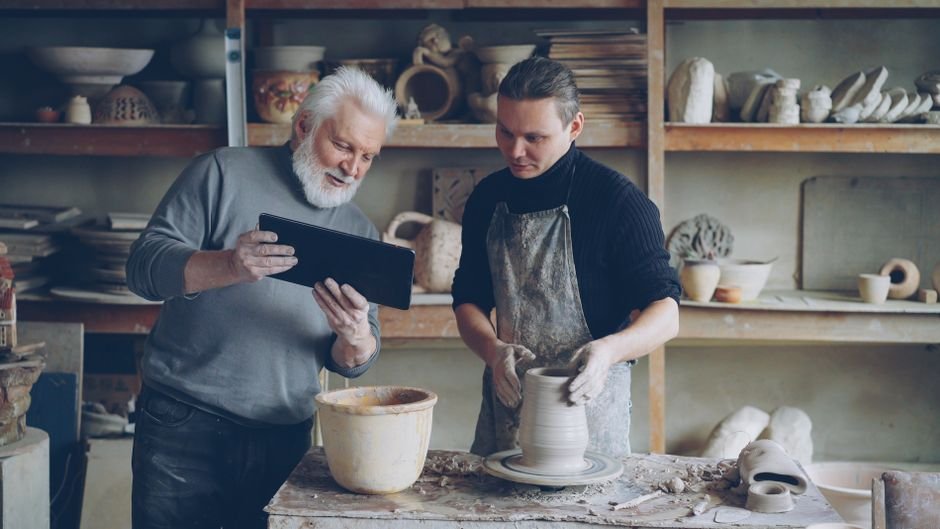
Industrial And Technical Ceramics
Beyond studio pottery, there’s a whole world of industrial and technical ceramic jobs. Factories producing tiles, bathroomware, tableware, and bricks need production staff, glaze technicians, mould makers, quality controllers, and kiln operators.
Technical ceramics go even further. Advanced ceramic materials are used in electronics, aerospace, medical implants, cutting tools, and engineering parts. Ceramic engineers and materials scientists research and develop these materials, which typically requires a university degree in engineering or science.
There are also specialist niches, such as ceramic conservation and restoration for museums and collectors, ceramic design for manufacturers, and roles in ceramic supply businesses advising customers on clay, glaze, and kilns.
These paths can look quite different from studio life, but the underlying understanding of clay, heat, and materials connects them all. For some people, that technical side is exactly what makes ceramics so fascinating.
What Competing Guides Leave Out About Ceramic Jobs
Most lists of ceramic jobs make every role sound like a neat full time career. In reality, studio pottery incomes are often irregular. Sales can be seasonal, with busy periods before Christmas and quieter months in between, and market or exhibition income can vary a lot.
That’s why many people working with clay build a mix of income streams. A common pattern might combine teaching a few classes, selling at markets or online, taking commissions, working part time as a technician, and sometimes holding a separate job outside ceramics altogether.
This isn’t a sign of failure. It’s simply how a lot of creative careers work, and it can make income more stable. It also means skills like teaching, firing, or glaze mixing can be just as valuable as making beautiful pots.
Another gap is cost. Clay, glaze, firing, studio rent, market fees, and packaging all add up, so it’s worth tracking your expenses early. Many makers find it takes some time before ceramics covers its own costs, let alone provides an income. Our guide on what to know before buying sculptures offers a look at pricing from the buyer’s side.
First Steps Toward Working With Clay
If you’re curious about ceramic jobs, start by building strong foundations. Regular classes, consistent practice, and plenty of time at the wheel or bench will develop both your skills and your understanding of how a studio runs.
Studio membership is a great next step. Being part of a working studio gives you access to equipment and kilns, and it puts you around people who already work with clay, which is one of the best ways to learn what different roles really involve.
Look for chances to help out. Assisting at workshops, volunteering at studio events, or helping with exhibitions can build experience and connections. Selling a few pieces at a local market is a low pressure way to test whether people respond to your work.
Formal study can help too, especially for teaching, technical, or industrial roles. TAFE and university courses in ceramics, visual arts, or materials science are worth exploring if a particular path appeals.
Above all, go gently. Not everyone needs to turn clay into a career, and many people find a happy balance between ceramics as work and ceramics as joy. Our workshops and classes and ceramic studio are good places to start either way, and our guide on how clay artists develop their style is worth a read too.
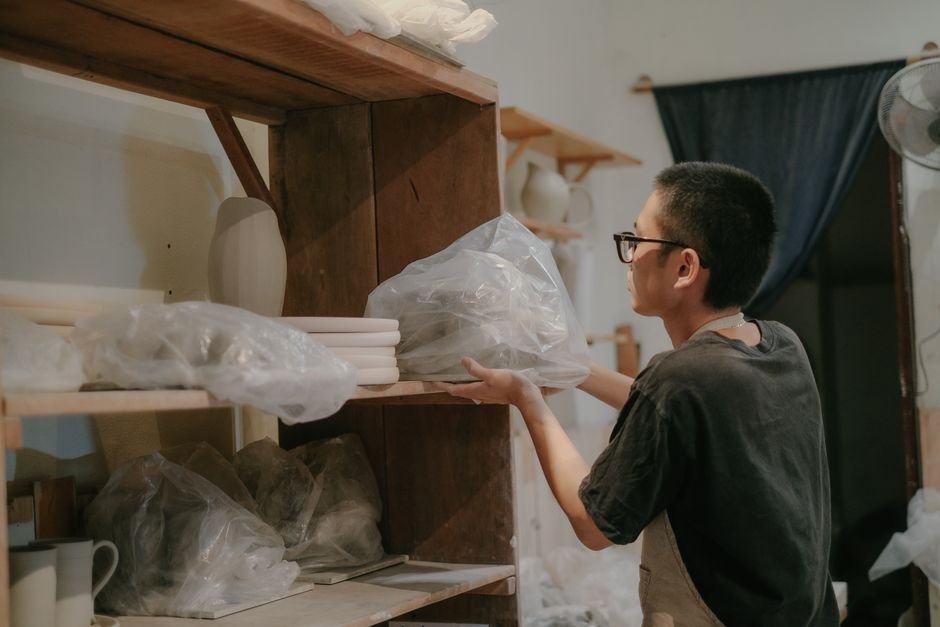
Thinking about where clay could take you? Build your skills and real studio experience through classes and membership at Le Studio Art Space in Mordialloc, alongside working artists who make, teach, and sell.
Frequently Asked Questions
Can you actually make a living from pottery?
Some people do, but it’s often through a mix of income streams like teaching, selling, and commissions. It usually takes time to build, and results vary a lot from person to person.
Do I need a degree to get a ceramic job?
Not for many studio and community roles, where experience and skill matter most. Technical, engineering, and school teaching roles usually do require formal qualifications.
What ceramic jobs are good for beginners?
Studio assistant and helper roles are common starting points. They let you learn how a studio works while building skills and connections.
Is it too late to start a career in ceramics in my 40s or 50s?
Plenty of people come to clay later in life and build rewarding practices. Transferable skills like teaching, business, or design can be a real advantage.
Can studio membership help me start selling my work?
It can help a lot, mainly by giving you regular access to equipment, kilns, and a community of makers. At Le Studio Art Space, members work alongside local artists and can see how others exhibit and sell.
This article is provided for general educational purposes by Le Studio Art Space. It is not career, financial, or legal advice, and job requirements and incomes vary widely.