An individual studio offers private, dedicated space at a higher cost, a shared studio offers community and lower cost with shared equipment, and a studio membership typically bundles ongoing access to shared equipment, kilns, and often classes into one regular arrangement. Which suits you depends mainly on how often you work and what kind of environment you actually enjoy.
Once someone moves beyond casual, occasional classes and starts thinking seriously about a more regular pottery practice, a genuinely common question comes up at Le Studio Art Space, which of these three options actually makes sense for them. There’s no single right answer, since each genuinely suits a different kind of potter, working style, and stage of practice.
Understanding what each option actually involves makes the decision a lot clearer, rather than guessing based on price alone.
What An Individual Studio Offers
An individual studio gives you private, dedicated space that’s entirely your own, meaning your equipment, work in progress, and materials stay exactly where you left them without needing to pack up or share space with anyone else.
This kind of privacy and control comes at a genuinely higher cost, both in rent and often in equipment you may need to provide yourself, since an individual space typically doesn’t include shared kilns or wheels the way a communal setup would, meaning you may still need firing arranged elsewhere.
For someone working on a large, ongoing project, or who simply values uninterrupted, private working time, this level of dedicated space can be genuinely worth the added cost and responsibility involved.
Storage is another genuine advantage worth mentioning, since drying work in progress often needs weeks of undisturbed space, something a private studio handles far more easily than a shared setup where every surface needs to be cleared regularly for the next person.
It also demands more self-motivation, since there’s no built-in community or scheduled class structure keeping you accountable, which suits some personalities far better than others depending on how you like to work. Some potters genuinely thrive with that independence, while others find they miss the energy of working around other people.
What A Shared Studio Offers
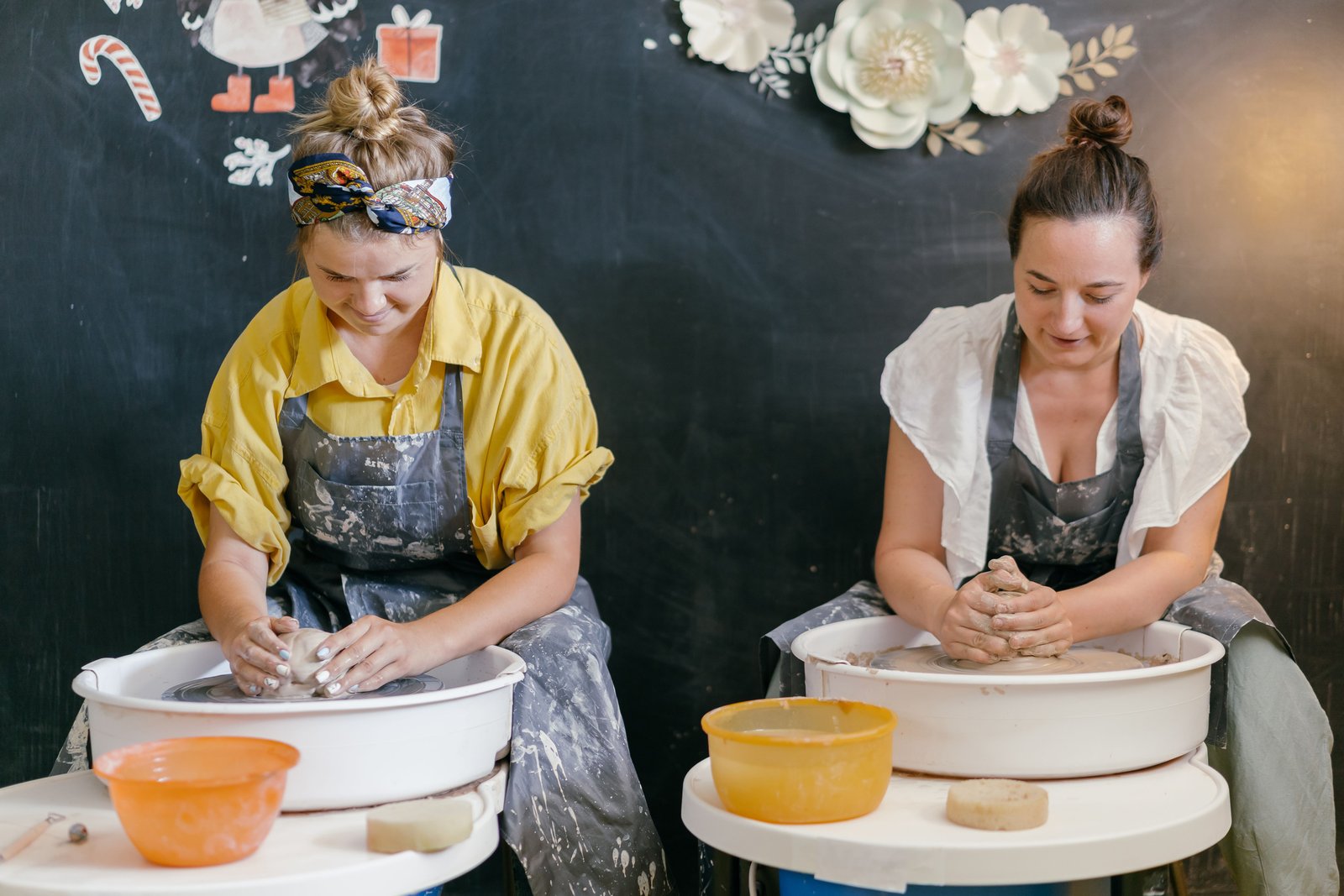
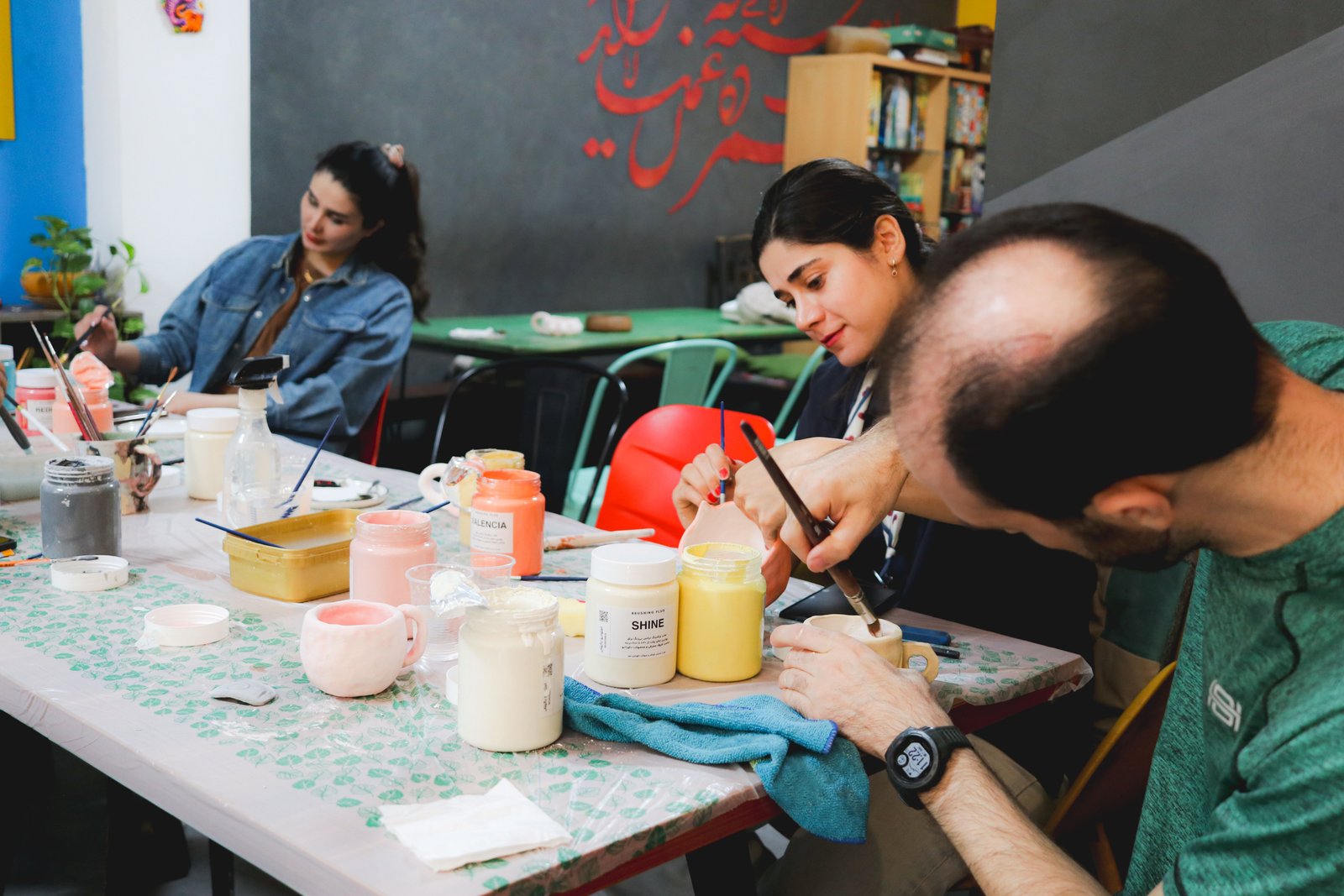
A shared studio gives you access to communal equipment, wheels, kilns, and often work tables, typically at a considerably lower cost than maintaining an individual space entirely on your own.
Community is a genuine, often underrated benefit here, since working alongside other potters naturally creates opportunities for casual advice, shared enthusiasm, and the kind of creative energy that’s harder to replicate working entirely alone. Many lasting friendships and even creative collaborations start from simple conversations at a shared wedging table.
The tradeoff is reduced control over your immediate environment, since you’re sharing space and equipment with others, which can mean waiting for a wheel or kiln slot during busier periods rather than having guaranteed, immediate access.
For many hobbyist and developing potters, this tradeoff is genuinely worth it, since the cost savings and community benefits often outweigh the minor inconvenience of shared scheduling. A well organised shared studio also tends to minimise wait times through sensible booking systems and clear equipment etiquette.
Access to a genuinely wider range of equipment is another underrated benefit, since a shared studio often stocks multiple wheel types, several kilns, and specialty tools that would be a significant expense to buy individually for a single home setup.
What A Studio Membership Actually Includes
Studio membership typically bundles regular access to shared equipment, kilns, and studio space into a single ongoing arrangement, often at a monthly or term-based rate rather than paying per individual class or session.
Many memberships include a certain amount of firing included as part of the package, along with access to communal tools and materials, though exact inclusions genuinely vary between different studios and membership tiers.
Some memberships also include a set number of classes or workshops, blending structured learning with independent open studio time, which suits potters who want ongoing guidance alongside self-directed practice.
Membership tiers often scale with access level too, with a basic tier covering limited open studio hours and a higher tier offering extended or unlimited access, so it’s worth comparing tiers carefully against your realistic attendance rather than assuming the top tier is automatically the best value.
Membership tends to make the most financial sense for someone attending regularly, since the cost per session drops considerably compared to paying for individual casual sessions each time you want to use the studio. It also removes the friction of deciding whether a visit is worth the cost each time, since the arrangement is already paid for.
Who Each Option Actually Suits
An individual studio genuinely suits someone with a serious, ongoing practice, often working toward selling or exhibiting their work, who needs consistent, uninterrupted access and is willing to pay for that level of privacy and control.
A shared studio, used casually or through drop-in sessions, suits a hobbyist wanting occasional, flexible access without committing to a regular schedule or ongoing membership cost, especially someone still figuring out how much they’ll realistically use the space.
A studio membership genuinely suits someone attending regularly, whether weekly or several times a month, who wants the cost efficiency of a bundled arrangement alongside the community benefits of a shared space.
None of these categories are strictly fixed, and many potters move between them over time as their practice, budget, and available time genuinely change. There’s no expectation to pick one option and stay there forever regardless of how your circumstances shift.
What Competing Guides Leave Out
A gap many general guides skip is how to actually recognise when you’ve outgrown casual, occasional classes and are ready for a more committed option like membership or a private studio.
Signs worth paying attention to include consistently wanting more studio time than casual classes offer, feeling limited by shared class schedules, or simply finding yourself thinking about pottery between sessions more than you used to, or planning projects around when you’ll next have access.
It’s also worth mentioning that many studios, including Le Studio Art Space, offer a range of options side by side, letting members trial a membership or shared arrangement before committing to something more significant like an individual studio lease, reducing the risk of overcommitting too early.
Cost isn’t the only factor worth weighing either. Community, structure, and even simple motivation to keep showing up regularly are all genuine considerations that a purely price-based comparison tends to overlook entirely.
Making The Right Choice For Where You Are Right Now
Rather than choosing based on where you eventually want to be, it’s genuinely more useful to choose based on where your practice actually sits right now, since you can always upgrade or change arrangements as your needs evolve without any real penalty for starting smaller.
If you’re still relatively new or uncertain how often you’ll actually attend, starting with casual shared studio access or a lower-commitment membership tier is a reasonable, low-risk way to test the waters.
If you’re already attending consistently and finding shared scheduling genuinely limiting, it’s worth having an honest conversation with studio staff about membership or more dedicated space options that might better suit your current pace and the direction your practice is heading.
There’s no wrong choice here, only a choice that fits where you are today, and it’s completely normal to reassess and change your arrangement as your pottery practice continues to develop over time and your priorities shift.
Not sure which option fits you best? Ask about individual studio, shared space, and membership options at Le Studio Art Space in Mordialloc.
Frequently Asked Questions
Is a studio membership actually worth it if I only go once a week?
It can be, depending on the specific membership rate compared to casual session pricing. It’s worth doing the math on your typical attendance before deciding, or simply asking studio staff directly.
Do I need my own equipment for an individual studio?
Often, yes, at least partially, since an individual studio typically doesn’t include the shared kilns and wheels a communal space would provide, which adds real cost on top of the space itself.
Can I switch between these options later if my needs change?
Generally, yes. Most studios, including Le Studio Art Space, are used to members shifting between casual access, membership, and more dedicated arrangements as their practice evolves over time.
Is a shared studio actually less serious than having your own space?
Not at all. Plenty of serious, skilled potters work happily in shared studios for years, valuing the community and cost efficiency over the privacy of an individual space.
How do I know if I’ve genuinely outgrown casual classes?
Common signs include wanting more studio time than classes offer, feeling limited by shared schedules, or simply thinking about pottery between sessions more than before. It’s worth discussing with studio staff if you notice this.
This article is provided for general educational purposes by Le Studio Art Space and reflects common studio arrangements. Specific pricing and inclusions vary by studio.