Japanese ceramics are so highly regarded because they combine centuries of continuously refined regional technique with a genuine philosophy, wabi-sabi, that finds real beauty in imperfection, giving the tradition both technical depth and a distinct aesthetic identity few other ceramic cultures can match.
It’s a question worth genuinely digging into rather than accepting at face value, because Japanese ceramics carry a level of international prestige that few other pottery traditions ever reach.
At Le Studio Art Space, this comes up often in studio discussions, usually from a potter who’s admired a Japanese tea bowl and wants to understand what makes it so significant.
Part of the answer is technical, rooted in genuinely long-running regional kilns. Part of it is philosophical, tied to how imperfection itself is valued.
This guide walks through both sides, from the historical lineage to the aesthetic ideas, and where those influences show up in studio practice today.
Along the way we’ll look at specific named styles worth recognising, plus how you might genuinely draw on this tradition respectfully in your own work.
A Tradition Built Over Centuries
Japan’s so-called Six Ancient Kilns, Shigaraki, Bizen, Tanba, Echizen, Seto, and Tokoname, have genuinely been producing ceramics continuously since the medieval period, some with roughly a thousand years of unbroken history.
Each of these regional kilns developed its own distinct clay, glaze, and firing traditions, passed down through generations of potters working within the same local lineage.
This continuity is genuinely rare. Many ceramic traditions elsewhere in the world were interrupted by war, industrialisation, or simply fell out of practice over the same span of centuries.
Techniques refined over that many generations reach a level of quiet mastery that’s genuinely difficult to replicate in a tradition with a shorter, less continuous history.
Family workshops in these regions often trace their lineage back many generations, with technique and knowledge passed down directly rather than purely through formal instruction.
This deep, unbroken lineage is one of the clearest, most concrete reasons Japanese ceramics carry the historical weight and reputation that they genuinely do internationally.
Many of these regions are still recognisable ceramic centres today, with active workshops continuing methods that trace back many centuries with only gradual, considered change.
Compare that to traditions that were interrupted by industrialisation or lost entirely, and it’s genuinely easier to understand why Japan’s continuous kilns carry such distinct authority.
The Philosophy Behind Japanese Ceramic Aesthetics
Wabi-sabi, the aesthetic and philosophical appreciation of transient, imperfect beauty, sits at the genuine heart of much traditional Japanese ceramic work.
Rather than striving for flawless symmetry, wabi-sabi finds real value in an asymmetrical form, a rough texture, or a glaze that pools unpredictably during firing.
This is a genuinely different starting point to many Western ceramic traditions, which have often prized precision and uniformity as the marks of technical skill.
A slightly uneven rim or a visible fingerprint left in the clay isn’t treated as a flaw to hide, but as evidence of the piece’s honest, handmade nature.
This philosophy extends beyond ceramics into the wider Japanese tea ceremony tradition, where a deliberately humble, imperfect tea bowl is genuinely prized over an ornate, flawless one.
Understanding wabi-sabi genuinely changes how you look at a piece, shifting the question from “is this perfect” to “does this feel honest and alive.”
It’s a mindset that takes real time to absorb, and many potters find it genuinely reshapes not just how they judge Japanese ceramics but how they judge their own work too.
This isn’t about deliberately faking flaws either. It’s about accepting the genuine, unplanned results of a handmade process rather than fighting against them.
Famous Japanese Ceramic Styles Worth Knowing
Raku ware originated in Kyoto in the 16th century, developed by the potter Tanaka Chojiro specifically for the tea master Sen no Rikyu’s wabi-cha tea ceremony style.
Raku pieces are genuinely hand-shaped rather than wheel-thrown, fired at low temperatures, and prized for their organic, irregular forms that embody the wabi-sabi aesthetic directly.
Bizen ware, from Okayama prefecture, evolved from earlier Sueki pottery and is fired unglazed at high temperature in a wood-burning climbing kiln, relying purely on natural ash and flame patterns for surface variation.
Sen no Rikyu also favoured Bizen ware for its rustic, unglazed honesty, and it remains one of the most respected of the Six Ancient Kilns traditions today.
Shigaraki ware, known for its warm, reddish clay body and natural ash glaze effects, is another of the Six Ancient Kilns with a genuinely distinct regional character.
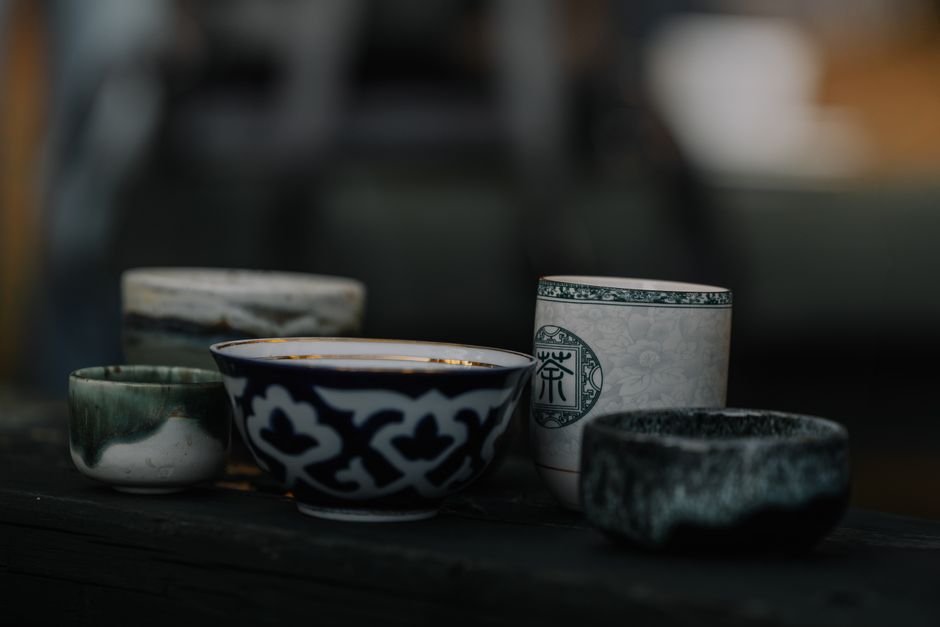
Each of these named styles carries its own visual signature, and learning to recognise them is a genuinely satisfying way to deepen an appreciation for the wider tradition.
Tanba and Echizen, the two remaining Ancient Kilns, are known respectively for subtle natural glaze streaking and for a warm, iron-rich clay body distinct from the others.
None of these styles are interchangeable, and mixing them up is a genuinely common mistake among newcomers first exploring the wider tradition.
How This Tradition Has Influenced Potters Worldwide
Studio pottery movements across the West, particularly in the mid-20th century, drew genuinely heavily on Japanese technique, glaze chemistry, and aesthetic philosophy.
The appreciation of an asymmetrical, hand-thrown form over a flawless, mould-made one has genuinely spread well beyond Japan into contemporary studio practice worldwide.
Ash glaze techniques, inspired directly by Bizen and Shigaraki firing traditions, are now genuinely used by potters and hobbyists in studios far outside Japan.
Many Western ceramic artists explicitly credit exposure to Japanese ceramics as the moment their own approach to form and imperfection genuinely shifted.
Even the everyday language potters use, terms like wabi-sabi itself, has entered common studio vocabulary well beyond Japan’s borders.
This influence isn’t a passing trend either. It’s been building steadily across generations of potters for the better part of a century now.
University ceramics programs and independent studios worldwide now regularly teach Japanese-influenced glazing and firing methods as a standard, established part of the wider curriculum.
That kind of lasting adoption is a genuine measure of how significant the influence has become, far beyond a passing aesthetic trend.
What Competing Guides Leave Out
Many overviews mention wabi-sabi as a vague, poetic idea without explaining how a local studio or hobbyist potter can actually draw on it respectfully in their own work.
Respectful influence generally means understanding the underlying philosophy, not simply copying surface characteristics like an irregular rim without any connection to the ideas behind it.
Few guides distinguish clearly between the Six Ancient Kilns either, often lumping distinct regional traditions like Bizen and Shigaraki together as simply “traditional Japanese pottery.”
The historical connection between specific styles and the tea ceremony also gets glossed over, even though it explains a huge amount of why certain forms and imperfections are prized the way they are.
Most guides also skip how genuinely accessible some of these ideas are for a beginner potter, since embracing imperfection can actually be a more forgiving starting point than chasing flawless symmetry.
The role of the tea ceremony itself in shaping which forms became valuable is another gap, since prestige here didn’t come from market demand alone but from a specific cultural ritual.
Where To See Or Learn More About Japanese Ceramic Traditions
Museum collections with dedicated Asian ceramics sections are a genuinely good starting point for seeing authentic historical pieces up close rather than only in photographs.
Specialist books on Japanese ceramic history and the Six Ancient Kilns go into far more depth than any single article realistically can, and are genuinely worth seeking out.
Studying reproductions and applying wabi-sabi principles in your own studio practice is one of the most genuine ways to internalise the philosophy rather than just reading about it.
Workshops focused on ash glazing or hand-building techniques inspired by these traditions offer a genuinely hands-on way to explore the influence directly.
At Le Studio Art Space, we’re always happy to talk through these traditions and how they might inform your own developing style during a class.
Visiting a ceramics-focused exhibition, whenever one comes through a local gallery, is also genuinely worth prioritising over relying purely on photographs online.
Want to discuss ceramic traditions and influences further? Join a workshop at Le Studio Art Space in Mordialloc and explore them hands-on.
Frequently Asked Questions
Isn’t wabi-sabi just a fancy word for imperfect?
Not quite. It’s a genuine philosophy that finds real beauty and honesty in transience and imperfection, rather than simply tolerating flaws as acceptable.
What’s the actual difference between Raku and Bizen ware?
Raku is hand-shaped and low-fired, developed for the tea ceremony, while Bizen is wheel-thrown or hand-built and fired unglazed at high temperature in a wood kiln, relying on natural ash for surface variation.
Can a beginner potter actually use these ideas in their own work?
Yes, embracing an asymmetrical form or an unplanned glaze result is genuinely a more forgiving starting point, and it’s something we talk through with members at Le Studio Art Space regularly.
Do the Six Ancient Kilns still actually produce pottery today?
Yes, all six regions, including Bizen and Shigaraki, remain active ceramic producing areas with continuously running local traditions today.
Is it disrespectful to use Japanese-inspired techniques in Western studio work?
Approaching it with genuine understanding of the underlying philosophy, rather than just copying surface aesthetics, is generally seen as respectful engagement rather than appropriation.
This article is provided for general educational purposes by Le Studio Art Space and reflects publicly documented ceramic history and tradition.