Ceramic art is genuinely any clay based work made with artistic intent, whether that’s a sculptural piece with no practical use at all or a functional vessel crafted with enough skill and expression that it’s treated as art rather than tableware.
It’s a genuinely common assumption that ceramics fall into one of two neat boxes, either practical pottery you’d use at the table or precious museum pieces behind glass.
In reality, the line between the two is far blurrier, and where exactly ceramic art begins is a question worth exploring properly.
At Le Studio Art Space, this comes up naturally in gallery conversations, since our own space sits right at that intersection of working studio and exhibiting gallery.
This guide looks at where the distinction genuinely lies, where it blurs, and how the wider ceramics world actually thinks about the question.
There’s no single tidy answer, but understanding the factors that genuinely shape the categorisation makes the whole conversation far less confusing.
Ceramic Art Versus Functional Pottery
Functional pottery is generally defined by its intended use, a mug meant for coffee or a bowl meant for soup, with form following that practical purpose closely.
Ceramic art, by contrast, is made primarily for its expressive or conceptual value, with aesthetics and idea taking priority over whether the piece is ever actually used.
The distinction genuinely blurs the moment a functional form is pushed toward the artistic, like a teapot so sculptural it would be awkward to actually pour from.
Intent matters enormously here. Two nearly identical bowls can sit on opposite sides of the line depending on whether the maker set out to create a tool or a statement.
Context also shifts the categorisation. A bowl displayed in a gallery reads differently to the same bowl sitting in a kitchen cupboard, even though the object itself hasn’t changed at all.
Many working potters genuinely move between both modes, throwing functional ware for daily use while also creating more expressive, gallery-bound pieces alongside it.
Neither mode is genuinely more legitimate than the other, and plenty of respected ceramic artists happily describe their functional output as simply a different, equally valid part of their practice.
The Range Of Forms Ceramic Art Can Take
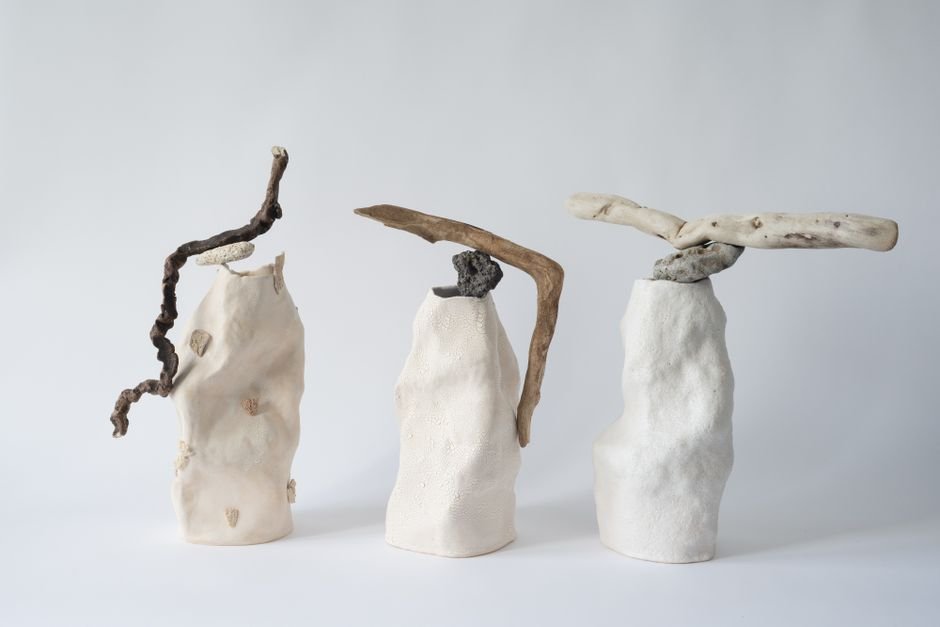
Sculptural ceramic art can take almost any shape imaginable, entirely freed from the constraints that come with needing to hold liquid or stack neatly in a cupboard.
Wall based ceramic work, mounted rather than freestanding, treats clay more like a painting surface, often incorporating relief texture, glaze colour, and shadow as part of the composition.
Installation pieces might use dozens or even hundreds of individual ceramic elements arranged together, creating a single artistic statement built from many smaller fired components.
Vessel forms, while echoing traditional pottery shapes like vases or jars, can still be considered ceramic art when scale, surface treatment, or concept push well beyond simple function.
Figurative ceramic sculpture, depicting human or animal forms, has its own long, distinct history separate from vessel-based pottery traditions entirely.
Abstract ceramic sculpture, exploring pure form, texture, and glaze without representing anything recognisable at all, is another genuinely significant strand of contemporary ceramic art.
Mixed media ceramic work, combining fired clay with wood, metal, or fibre, has also grown genuinely more common as artists push the material beyond its traditional boundaries.
Why Some Functional Pieces Are Still Considered Art
Exceptional craftsmanship alone can elevate an everyday form into something genuinely recognised as art, when the skill and precision involved goes well beyond simple utility.
A tea bowl made with genuine mastery of throwing, glazing, and firing can carry the same artistic weight as a purely sculptural piece, even though it’s technically still functional.
Historical and cultural weight matters too. Certain traditional functional forms carry centuries of refined technique and meaning that firmly place them within an artistic tradition rather than simple craft.
The maker’s reputation and intent also play a role. A recognised ceramic artist’s functional bowl is often treated differently by galleries and collectors than an equivalent mass produced item.
Limited, one-off production is another factor. A functional piece made as a single unrepeated work carries different artistic weight than the same form produced in an ongoing series for daily use.
Ultimately, many collectors simply judge functional ceramic art on the same criteria as sculpture, looking at originality, skill, and expression rather than whether it happens to hold soup.
A well made functional piece can genuinely take just as long, and demand just as much technical judgement, as an equivalent sculptural work, even if the end result looks more modest.
How Galleries And Collectors Think About Ceramic Art
Galleries typically consider a piece’s originality, technical mastery, and conceptual strength first, with functionality treated as incidental rather than a defining feature either way.
Provenance and the maker’s standing within the ceramics world genuinely shape how a piece is valued and categorised, much as with any other fine art medium.
Some collectors specifically seek out functional forms made by recognised artists, valuing the tension between everyday use and genuine artistic intent within a single object.
Others focus purely on sculptural, non-functional work, treating ceramics exactly as they would painting or sculpture in another material entirely.
Exhibition context itself often does a lot of the categorising work. Placing a piece in a gallery show frames it as art regardless of its original functional form.
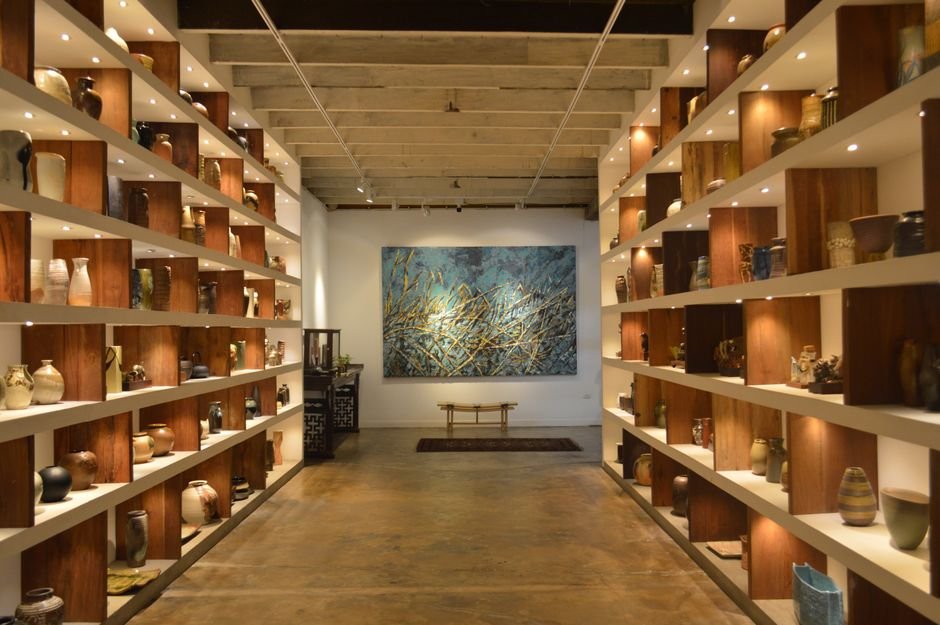
At a working studio and gallery like Le Studio Art Space, seeing both functional and purely artistic ceramic work displayed side by side is a genuinely useful way to notice these distinctions firsthand.
Pricing also often signals categorisation indirectly, with gallery-priced ceramic art typically reflecting the artist’s reputation and originality rather than simply the material or hours involved in making it.
What Competing Guides Leave Out
Most overviews define ceramic art in the abstract without addressing how a working studio and gallery actually sees this distinction play out day to day among real, working members.
Emerging local artists rarely get mentioned either, yet much of the genuinely interesting boundary-pushing work happens exactly there, among potters still developing their own voice rather than established names.
Few guides discuss how a single artist’s own practice can shift over time, moving between purely functional production and more expressive, gallery-focused work across different periods of their career.
The economic side is also usually skipped. Functional ware often supports a working ceramicist financially while sculptural, gallery-bound work builds their artistic reputation, and the two genuinely feed each other.
Community context matters too, and a bayside creative community like Mordialloc’s plays a real role in shaping what gets made, exhibited, and valued locally, beyond any abstract art-world definition.
Ceramic Art Versus Craft Debate
The ceramic art versus craft debate has genuinely run for decades, rooted partly in a historical hierarchy that placed painting and sculpture above so-called decorative or applied arts like ceramics.
Many in the ceramics world now reject that hierarchy outright, arguing that skill, concept, and originality matter far more than the traditional material or historical category a work falls into.
Others still find the craft label meaningful, taking real pride in technical mastery and functional tradition without needing the work reclassified as fine art to feel valued.
There’s genuinely no single resolved answer, and different galleries, collectors, and makers continue to draw the line in different places depending on their own perspective.
What most agree on is that the conversation itself has become more nuanced, moving away from a rigid divide and toward judging individual pieces on their own genuine merit.
For most working potters and gallery visitors alike, the debate matters far less day to day than simply making, or encountering, work that genuinely resonates.
Curious to see ceramic art up close? Visit an exhibition at Le Studio Art Space’s gallery in Mordialloc and see the range for yourself.
Frequently Asked Questions
Isn’t ceramic art just fancy pottery?
Not quite. Ceramic art is made primarily for expressive or conceptual reasons rather than practical use, though the line between the two genuinely does blur at times.
Can something I use every day still be considered art?
Yes, exceptional craftsmanship, historical significance, or a recognised maker’s intent can all elevate a functional piece into something treated as art by galleries and collectors.
Do I need formal training to make ceramic art?
No, though building genuine skill through practice and instruction, like the workshops at Le Studio Art Space, helps you develop the technique to express your ideas more fully.
Why do some people insist ceramics is craft, not art?
It stems from a historical hierarchy that ranked painting and sculpture above applied arts, though many in the ceramics world now reject that distinction entirely.
How do I know if my own pottery counts as ceramic art?
If you’re making it with genuine expressive intent rather than purely for use, most in the ceramics world would say it counts, regardless of whether it’s technically functional.
This article is provided for general educational purposes by Le Studio Art Space and reflects common perspectives within the ceramics world.