Signs your clay body is wrong for your piece include cracking or warping during drying and firing, glaze results that look nothing like expected, durability problems after firing, and genuine workability struggles during the making process itself. Catching these signs early helps you choose better on your next project.
There’s a particular kind of disappointment that comes from opening a kiln to find a piece cracked, warped, or just not looking the way you imagined, especially after putting real time into making it. At Le Studio Art Space, this experience often traces back to a clay body that simply wasn’t the right match for what was being made, rather than any lack of skill or care in the process. Recognising the signs early, and understanding why they happen, makes a genuinely big difference for future projects.
Here’s what to actually look out for, and how to make a better clay choice the next time around.
Cracking Or Warping That Points To A Mismatch
Cracking that appears consistently in the same areas across multiple attempts, rather than as an occasional accident, often points to a genuine mismatch between the clay body’s properties and the form you’re trying to make.
Warping during drying or firing is another common sign, particularly on flatter forms like plates or wide bowls, where a clay body with poor structural memory or uneven shrinkage can distort noticeably as it moves through the drying and firing process.
Some clay bodies are simply more prone to warping on wide, flat forms regardless of technique, which is why choosing a clay body known for stability on that kind of shape matters more than technique alone can compensate for.
If cracking or warping keeps happening despite solid technique and proper drying practices, it’s worth seriously considering whether the clay body itself, rather than your process, is the actual root cause. Switching clay bodies entirely, rather than continuing to troubleshoot technique alone, often resolves the issue faster than any amount of extra care with the original clay.
Glaze Results That Do Not Match Expectations
A clay body’s own colour and texture can noticeably affect how a glaze looks once fired, since glaze isn’t applied in isolation, it interacts directly with the surface and colour of the clay underneath it.
A glaze that looks vibrant and even on a white porcelain test tile can look completely different, sometimes muddier or less vibrant, on a darker or more heavily grogged stoneware body, even when the exact same glaze recipe is used.
Surface texture matters too, since a coarser, more heavily grogged clay body can cause a glaze to pool or settle differently than it would on a smoother, finer clay body, changing the finished appearance in ways that can genuinely surprise a maker.
If your glaze results consistently look different from what you expected based on test tiles or reference images, it’s worth checking whether those references were actually made on a comparable clay body to your own. A glaze recipe shared online rarely comes with details about which clay body it was originally tested on, which is easy to overlook.
Durability Issues After Firing
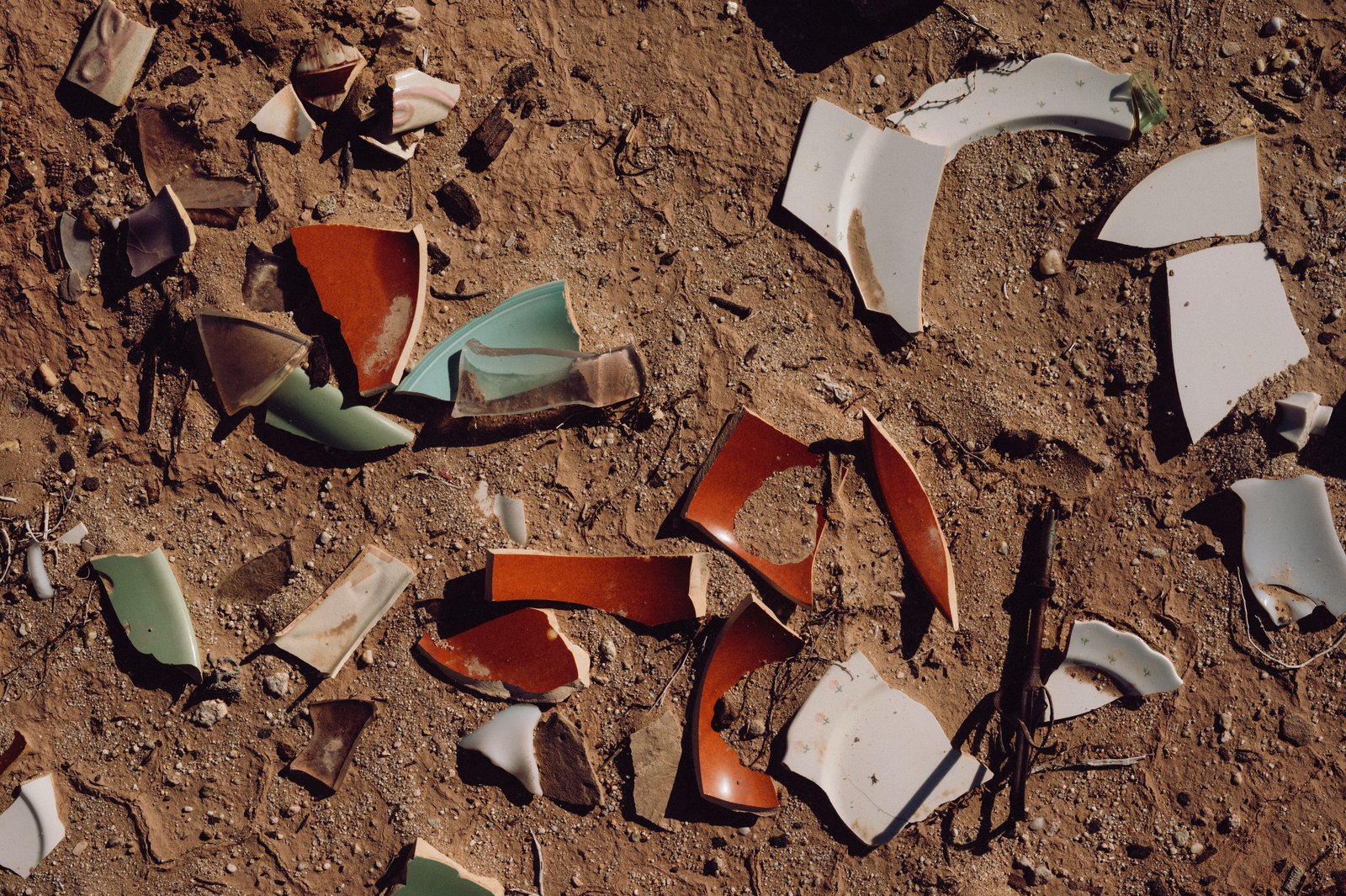
Chipping easily, even under normal handling, can be a sign that a clay body wasn’t fired to full maturity for its type, or that the clay body itself wasn’t well suited to the level of durability a functional piece actually needs.
Fragility around edges, handles, or rims specifically often points to a clay body that’s more brittle than ideal for a piece that will see regular handling, since some clay bodies are genuinely better suited to sturdier, thicker forms than fine, delicate ones.
Porosity problems, where a fired piece still absorbs moisture more than expected, can indicate either underfiring or a clay body that wasn’t dense enough once matured for the kind of functional use you intended.
These durability issues often don’t show up until well after the piece is finished and in regular use, which is part of why it’s worth thinking ahead about durability needs before choosing a clay body in the first place. A piece that looks perfectly fine leaving the kiln can still reveal a genuine weakness months later under normal daily handling.
Workability Problems During The Making Process
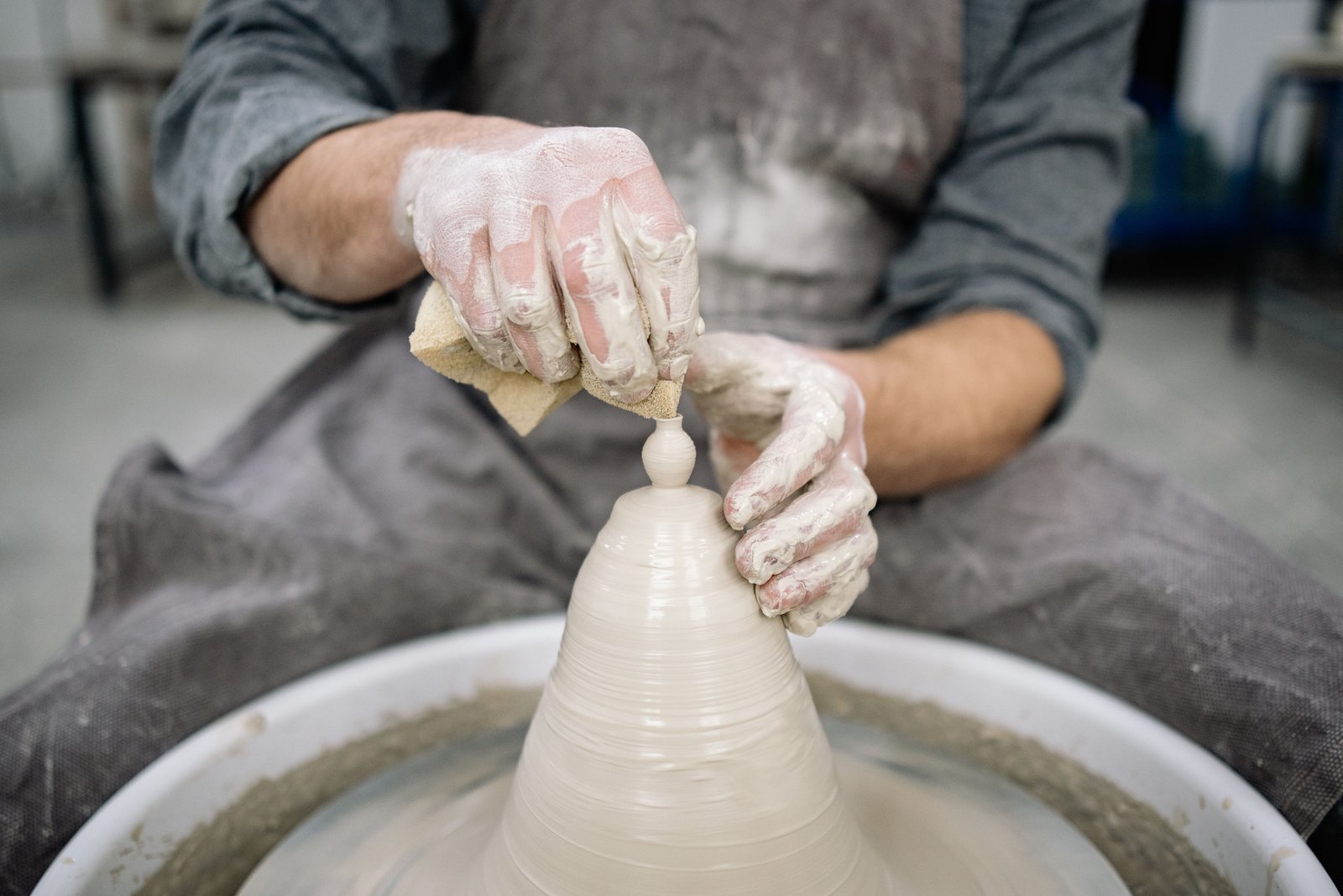
Struggling noticeably on the wheel, beyond what you’d expect for your current skill level, can be an early sign that a clay body’s plasticity simply isn’t well suited to wheel work, rather than purely a personal technique issue.
In hand building, a clay body that cracks readily at joins or doesn’t hold texture and detail well can make an otherwise sound technique feel like it’s failing, when the real issue is a clay body better suited to a different kind of work.
Excessive stickiness or an unusually short working window before the clay becomes too stiff to shape can also point to a mismatch between the clay body and the technique or pace you’re working at.
If a clay body genuinely feels like it’s fighting you at every stage of the process, despite reasonable technique, it’s worth considering whether a different clay body would simply suit your working style and current skill level better. There’s no shame in switching clay bodies partway through learning a new technique if the one you started with clearly isn’t working out.
What Competing Guides Leave Out
A gap many general guides skip is how to identify a mismatch early, before investing significant time into a piece, rather than only recognising it after a disappointing firing has already happened.
Doing a small test piece in an unfamiliar clay body before committing to a larger, more ambitious project is a genuinely simple habit that catches many of these problems well before they become a real disappointment.
A working studio can help considerably with this, since instructors and experienced members have often already made these mistakes themselves and can offer guidance on which clay bodies suit which kinds of projects based on real, accumulated experience.
It’s also worth mentioning that some mismatches only become apparent at scale, meaning a clay body that behaves fine on a small test piece can reveal problems once you attempt a larger version of the same form. This is exactly why an experienced studio’s guidance matters so much when you’re scaling up an ambitious design.
Choosing A Better Clay Body Next Time
Start by being honest about what the piece actually needs to do, whether that’s holding liquid daily, surviving outdoor exposure, or simply looking a certain way, since that intended use should genuinely drive the clay body choice from the very start.
Ask directly about a clay body’s known tendencies for the specific form you’re planning, since experienced potters and studio staff often already know which bodies are prone to warping on wide flat forms or struggling with fine detail work, saving you from repeating a mistake they’ve already seen many times before.
Testing a small sample of an unfamiliar clay body before committing to your full project remains one of the most reliable ways to avoid an unwelcome surprise later in the process, and it costs very little compared to the time invested in a full-sized piece.
None of this means you’ll never have a clay body mismatch again, even experienced potters occasionally get it wrong, but building this habit genuinely reduces how often it happens and how much it costs you in wasted time, materials, and disappointment down the line.
Not sure which clay body suits your next project? Get advice on clay body selection at Le Studio Art Space’s ceramic studio in Mordialloc.
Frequently Asked Questions
Is it possible I’m just bad at pottery rather than using the wrong clay?
It’s genuinely common for both to be true to some degree, but consistent, repeated problems in the same areas across multiple attempts often point to a clay body mismatch rather than skill alone.
Can a clay body really change how my glaze looks?
Yes, significantly in some cases. The colour and texture of the clay underneath a glaze genuinely affects the fired result, which is why the same glaze can look quite different on two different clay bodies.
How do I know if a clay body is prone to warping before I use it?
Asking experienced potters or studio staff, like the team at Le Studio Art Space, is a genuinely reliable way to find out, since this kind of practical knowledge often comes from real, accumulated studio experience.
Should I test a new clay body before making my actual project?
It’s genuinely worth doing, especially for a larger or more ambitious piece. A small test helps catch potential problems before you’ve invested significant time into the real project.
Is it too late to fix a piece that’s already cracked from a clay mismatch?
Once cracking has occurred, it’s usually best treated as a learning experience for next time rather than something to salvage, though minor cracks can sometimes be repaired depending on the stage and severity.
This article is provided for general educational purposes by Le Studio Art Space and reflects common studio practice. Individual results may vary depending on the specific clay body and technique used.