Pottery plaster shows up in a working studio mainly as mold making material for slip casting and press molds, and as the absorbent surface used in bats and reclaiming tables that help wedge and dry clay. It’s a quiet but genuinely essential material behind a lot of everyday studio work.
Plaster isn’t the first material people think of when they picture a pottery studio, but it’s genuinely everywhere once you start looking for it. At Le Studio Art Space, plaster shows up in mold making, work surfaces, and clay reclaiming, doing a lot of quiet, behind-the-scenes work that keeps the rest of the studio running smoothly. New members are often surprised at just how much this one material does.
Understanding the different ways pottery plaster is actually used makes it a lot easier to appreciate why it’s such a genuinely useful, versatile material in a working ceramic studio.
What Pottery Plaster Actually Is
Pottery plaster is a specific formulation of plaster of paris designed for ceramic use, differing from general purpose or construction plaster in its absorbency, strength, and setting characteristics tailored specifically to working with wet clay and slip.
It’s mixed with water and cast into a workable, semi-liquid form before setting into a hard, porous material, and that porosity is genuinely the whole point, since it’s what allows plaster to absorb moisture from clay in contact with it.
Ceramic grade plaster is formulated to be genuinely durable under repeated use, since molds and work surfaces made from it are handled, cleaned, and reused constantly in a working studio environment.
It’s a relatively simple, inexpensive material by ceramics standards, which is part of why it’s remained a standard studio tool for generations despite advances in other areas of ceramic technology and equipment.
Understanding that pottery plaster is a distinct, purpose-formulated material, not just any plaster you might find at a general hardware store, matters a lot once you start using it for actual studio work. Different grades exist within ceramics-specific plaster too, formulated for different absorbency levels depending on whether it’s destined for a mold or a work surface.
Mold Making With Pottery Plaster
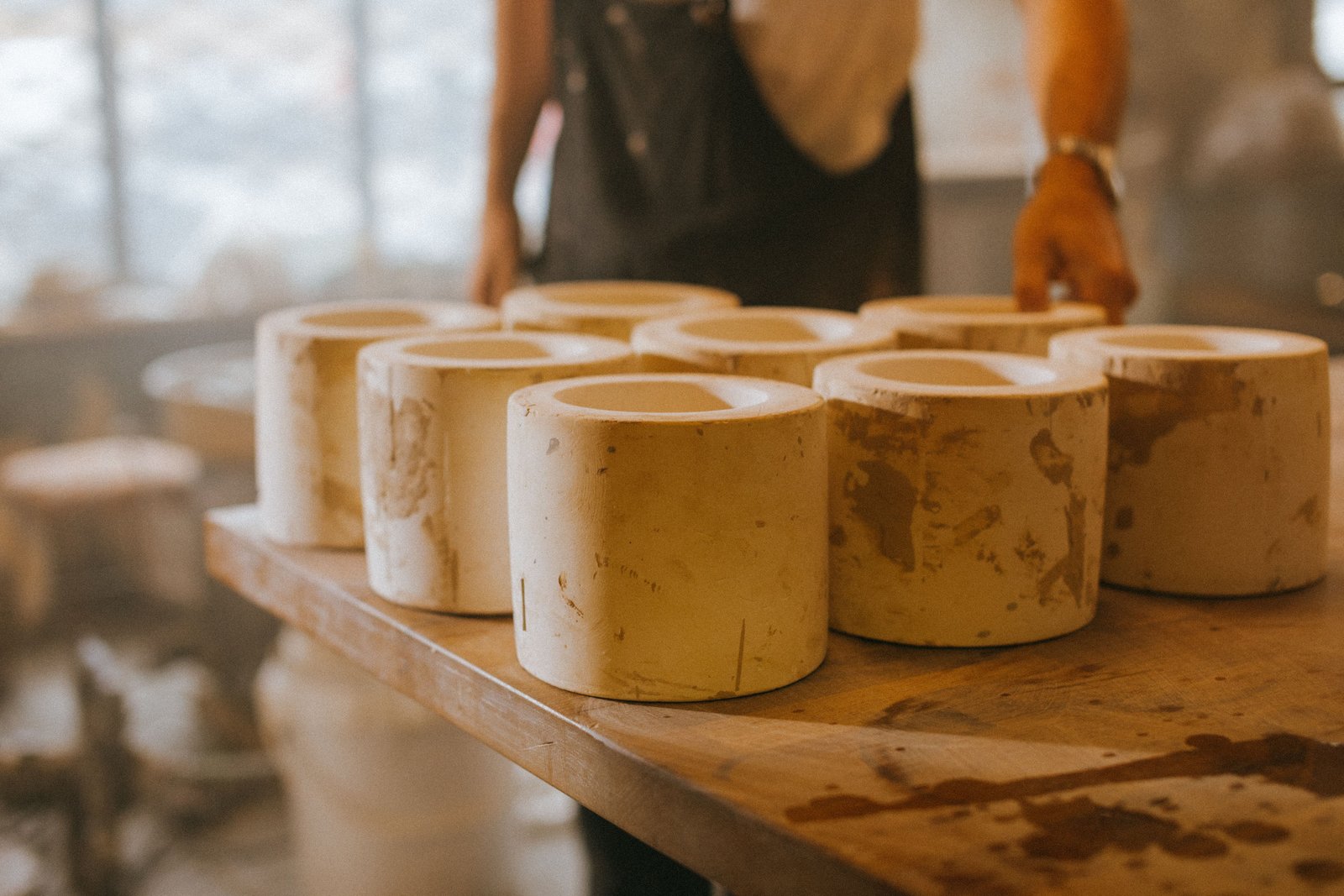
Slip casting relies heavily on plaster molds, where liquid clay slip is poured into a plaster mold and left to sit, with the plaster’s absorbency drawing moisture out of the slip against the mold wall to form a solid clay shell.
Press molds work on a similar absorbency principle but with softer clay pressed directly into or over a plaster form, letting the maker create repeatable shapes or texture patterns with genuine consistency across multiple pieces.
Making a plaster mold itself is a skilled, deliberate process, requiring an accurately mixed plaster batch poured around a model form and allowed to cure fully before use, since a poorly made mold can produce inconsistent or flawed results.
Molds do wear out over time with repeated use, since plaster’s absorbency gradually declines as it becomes saturated with use, which is why studios periodically retire and remake commonly used molds.
For members interested in producing multiples of the same form, whether for functional ware or a repeated decorative element, learning basic mold making is a genuinely valuable studio skill worth exploring. It also opens up design possibilities that would be extremely time consuming to achieve by hand building or wheel throwing each piece individually.
Bats And Work Surfaces Made From Plaster
Plaster bats, flat discs or slabs used as a working surface, are genuinely popular for wheel throwing because their absorbency helps draw moisture out of the base of a piece, making it easier to remove a finished form from the wheel without distorting it.
Wedging tables with a plaster surface are common in shared studios too, since plaster’s absorbency helps draw excess moisture out of overly wet clay during the wedging process, making it easier to bring clay back to a workable consistency.
These plaster surfaces need periodic maintenance, since they can become saturated with moisture over heavy use and need time to dry out fully before they’ll draw moisture effectively again, especially during a busy stretch of back-to-back studio sessions.
They also wear down physically with repeated use and cleaning, so most studios replace plaster bats and work surfaces on a regular schedule rather than expecting them to last indefinitely.
For members working at home without a dedicated plaster surface, a simple plaster bat is often one of the more affordable, useful additions to a home studio setup for exactly these reasons. Even a modest home wheel setup benefits noticeably from a proper plaster bat compared to a plain plastic one.
Why Not Just Use Any Plaster
General purpose or construction plaster typically isn’t formulated with the same absorbency or strength characteristics as ceramic grade plaster, which can lead to inconsistent mold performance or a surface that wears out much faster than expected.
Some non-ceramic plasters also contain additives or impurities that aren’t ideal for direct, repeated contact with clay, potentially affecting mold release or leaving unwanted residue on a piece during the casting or wedging process.
Setting time and working consistency also differ between plaster types, and a plaster that sets too quickly or too slowly can make mold making considerably more difficult than using a product genuinely designed for the task.
Buying ceramic grade plaster specifically from a proper ceramics supplier, rather than substituting a general hardware store product, is a small cost difference that genuinely pays off in more reliable, longer lasting results across every mold or bat you make with it.
What Competing Guides Leave Out
A detail many general guides skip is how plaster bats specifically speed up the clay reclaiming process, since laying wet clay scraps out on a plaster surface draws moisture out far faster than air drying alone, cutting reclaiming time down considerably.
Safe handling and disposal of plaster is another area rarely covered in enough detail. Plaster dust from cutting, carving, or cleaning up old molds should be handled carefully, ideally with a mask and good ventilation, since it isn’t something you want to breathe in regularly.
Plaster should never go down a studio drain either, since it can set inside pipes and cause genuinely serious plumbing problems, which is exactly why most well run studios have clear rules around plaster cleanup and disposal.
It’s also worth mentioning that plaster contamination in clay, even small fragments, can cause a piece to explode or blow out during firing, since plaster expands when heated in a way clay doesn’t, which is why studios are careful to keep plaster tools and clay tools genuinely separate at every stage of handling.
Where Beginners Are Likely To Encounter Plaster First
Most beginners first encounter plaster through a plaster bat on the wheel, often before realising exactly what it’s made of or why it behaves differently to a plain wooden or melamine bat.
A wedging table with a plaster surface is another early, practical introduction, especially in a shared studio setting where new members are shown how to properly wedge clay before their first real project.
Members interested in slip casting or mold making will encounter plaster more directly, often during a dedicated workshop or class focused specifically on that technique rather than as an incidental studio tool.
Wherever you first come across it, it’s worth asking questions if you’re curious, since understanding plaster’s role genuinely deepens your appreciation for how much groundwork goes into a smoothly run ceramic studio behind the scenes.
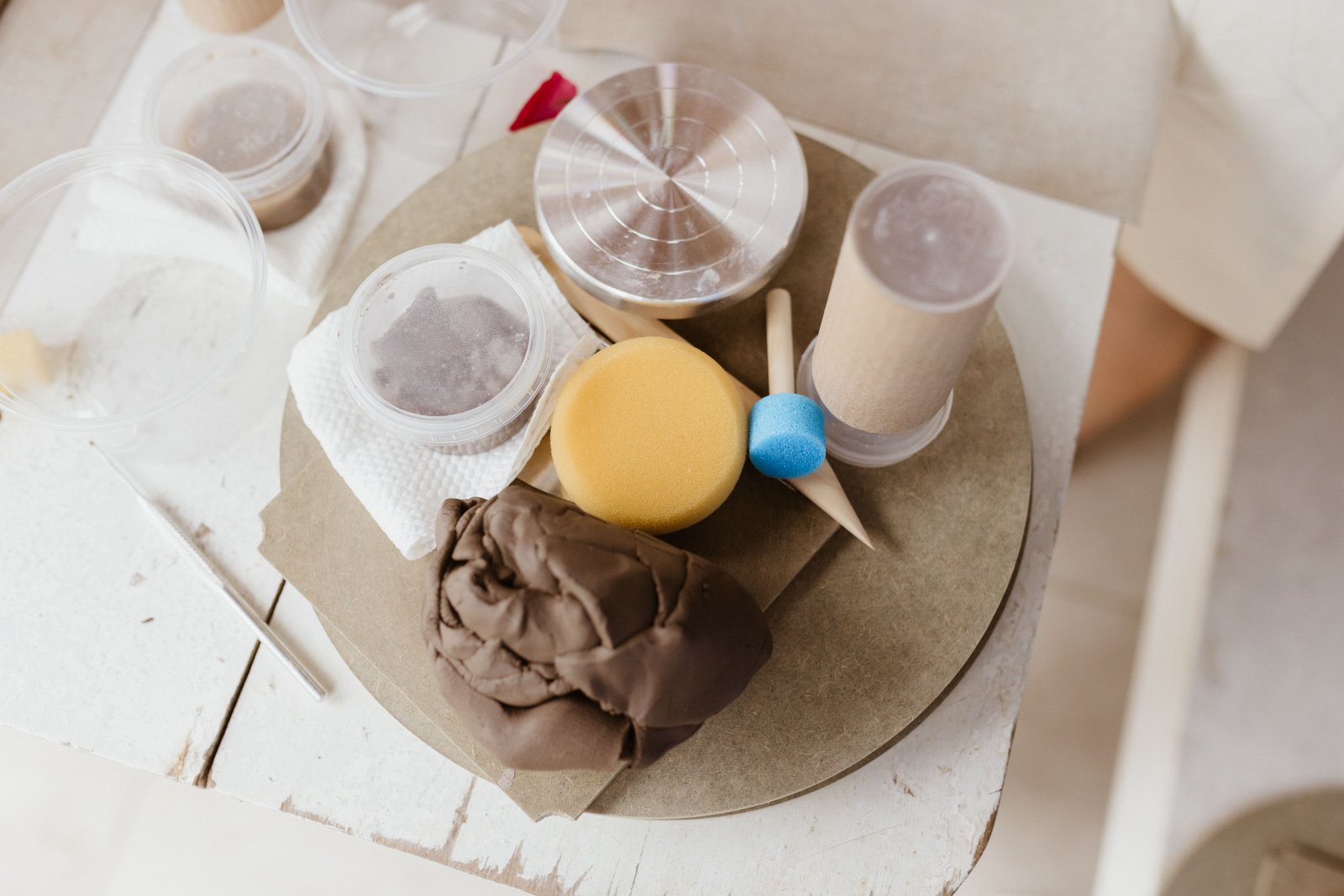
Curious to see plaster tools and bats in action? Visit Le Studio Art Space’s ceramic studio in Mordialloc and ask about mold making during your next class.
Frequently Asked Questions
Is pottery plaster really that different from the plaster I’d buy at a hardware store?
Yes, genuinely different. Ceramic grade plaster is formulated specifically for absorbency and durability suited to clay work, while general hardware store plaster isn’t designed for that purpose and can perform inconsistently.
Can plaster contamination actually ruin a piece of pottery?
It can, in a serious way. Even small plaster fragments in clay can cause a piece to crack or explode during firing, since plaster expands under heat differently than clay does.
Why can’t I just wash plaster dust down the studio sink?
Plaster can set inside pipes and cause significant plumbing blockages. Most studios, including Le Studio Art Space, have specific disposal practices in place to avoid this exact problem.
Do plaster bats and molds need to be replaced often?
Eventually, yes. They wear down and become less absorbent with heavy use over time, so most studios replace them on a regular maintenance schedule rather than using the same one indefinitely.
Is mold making something a beginner could actually learn?
Absolutely, with some guidance. It’s a genuinely valuable skill, and studios like Le Studio Art Space often offer dedicated workshops for members interested in learning proper mold making technique.
This article is provided for general educational purposes by Le Studio Art Space and reflects common studio practice. Always follow proper safety guidance when handling plaster dust or materials.