Wear comfortable, fitted, washable clothes you don’t mind getting a little dirty to a pottery class, along with closed shoes and minimal jewellery, particularly rings and bracelets that can interfere with wheel work. Loose sleeves and delicate fabrics are the main things worth avoiding.
Standing in front of the wardrobe deciding what to wear to a first pottery class is a genuinely common source of small pre-class anxiety, and it’s a question that comes up regularly at Le Studio Art Space from first-time visitors. The good news is that the actual answer is refreshingly simple once you know what to look out for.
Here’s a practical, honest breakdown of what genuinely works, and what to leave at home before your session.
Clothes You Should Avoid Wearing
Loose, flowing sleeves are one of the most common practical problems, since they can easily drag through wet clay, slip, or glaze, especially during wheel throwing where your arms are constantly moving close to the spinning clay.
Delicate or expensive fabrics are also worth avoiding entirely, since clay and slip can stain fabric, and while many stains do wash out, it’s simply not worth the risk on something you’d be genuinely upset to damage. Silk, fine wool, and anything dry-clean only are all worth leaving in the wardrobe for this reason.
Anything particularly loose or baggy around the torso can also become a minor hazard near a spinning wheel, catching on the clay or equipment in a way that’s more of an annoyance than a serious risk, but still worth avoiding. A loose scarf falls into this same category and is best left at home or tucked away securely.
Light coloured clothing, while not dangerous, does show clay and slip stains more visibly than darker colours, so it’s worth considering if you’d rather not walk out with obvious marks on a pale outfit. A pale shirt that looked perfectly clean at the start of class can end up looking considerably more lived-in by the end.
What Actually Works Well In The Studio
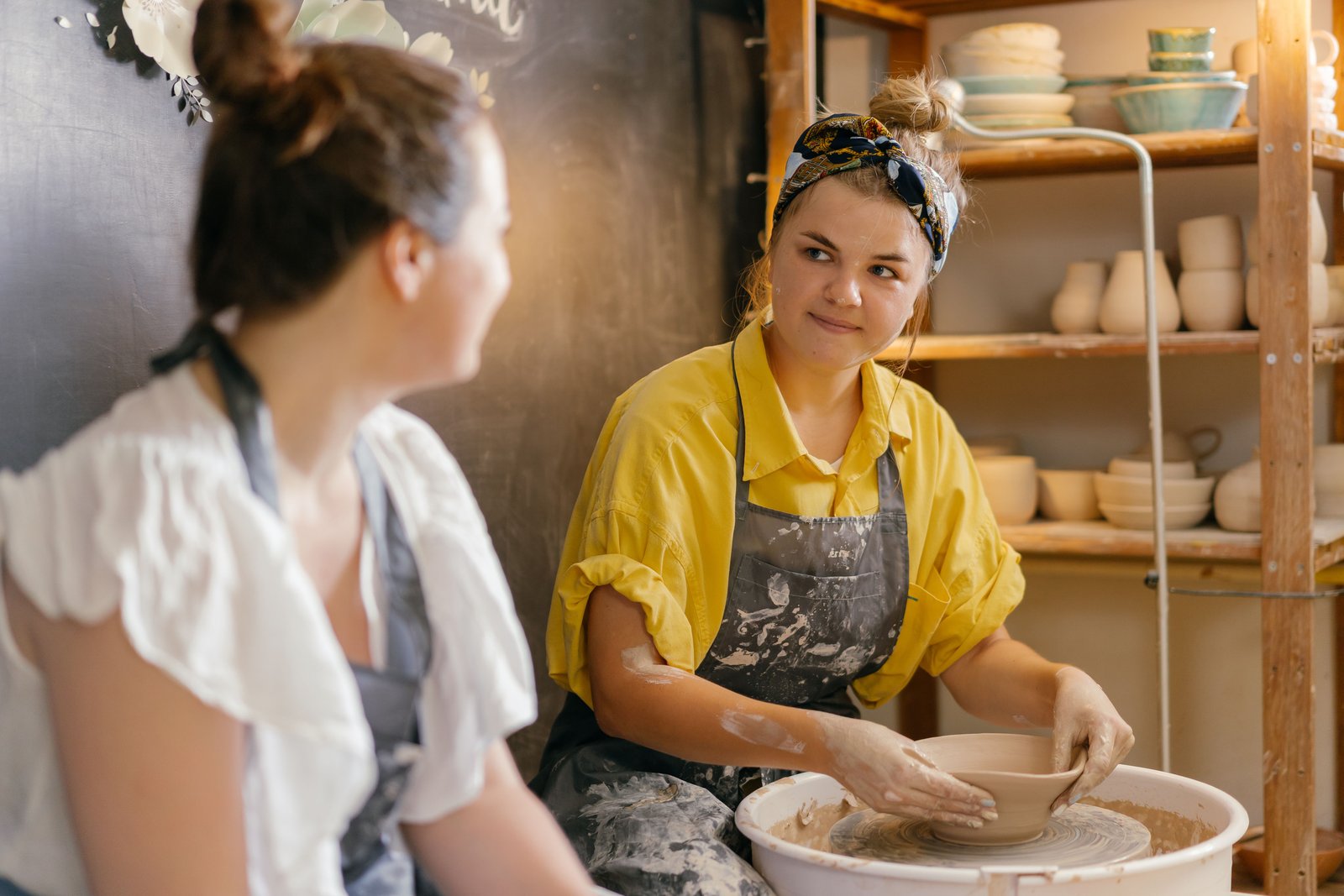
Comfortable, well-fitted clothing that allows a full range of arm movement is genuinely ideal, since pottery involves a surprising amount of reaching, leaning, and repetitive hand movement throughout a typical session.
Washable, everyday fabrics like cotton work well precisely because they’re durable and forgiving if they do pick up some clay or water during the session, without needing any special care afterward. Synthetic blends generally hold up fine too, as long as they’re not particularly delicate or dry-clean only.
Darker colours or patterns are a genuinely practical choice for anyone worried about visible staining, since they simply hide the inevitable marks of a hands-on pottery session far better than light or pastel colours.
Layering is worth considering too, particularly for a studio that runs cooler due to ventilation or water use, since you can always remove a layer if you warm up during a more active session. A light jacket or cardigan you can tie around your waist works well if the studio temperature shifts during class.
Footwear Worth Considering
Closed shoes are genuinely a sensible choice in a working ceramic studio, since there’s often equipment, tools, and occasionally dropped clay or water on the floor that open sandals don’t protect against as well.
Comfortable, flat shoes also matter more than people initially expect, since you may be standing for a reasonable stretch of a session, particularly around a wheel or a wedging table. Anything with a heel or an awkward fit tends to become noticeably uncomfortable well before a session ends.
Shoes you don’t mind getting a little dirty are worth choosing over your newest or most expensive pair, since studio floors can pick up clay dust and occasional splashes during a typical session. A pair you keep specifically for studio visits is a genuinely practical habit many regular members eventually adopt.
If a specific studio has particular footwear guidelines, it’s always worth checking beforehand, since some spaces around kilns or heavy equipment may have more specific safety expectations around footwear. A quick question before your visit removes any guesswork about what’s genuinely appropriate to wear on your feet.
Jewellery And Accessories To Think Twice About
Rings, particularly anything with a raised stone or intricate design, can genuinely interfere with wheel work, catching on clay or making it harder to achieve a smooth, even surface while centering and throwing.
Bracelets and long necklaces present a similar problem, especially on the wheel, where they can dangle into wet clay or even catch on the spinning wheel head if you’re not careful, so tucking them away or leaving them at home is the safer choice.
Watches are worth removing too, both to protect them from water and clay exposure and because a bulky watch face can genuinely get in the way of comfortable hand positioning during hands-on work. Smartwatches in particular are worth keeping well away from wet clay and splashing water entirely.
It’s not that jewellery is strictly forbidden, but removing rings, bracelets, and watches before starting genuinely makes the whole session more comfortable and reduces the risk of damaging either the jewellery or your work. Most studios keep a small dish or tray at the entrance specifically for storing jewellery during a session.
What Competing Guides Leave Out
A distinction many general guides skip is how much messier wheel throwing genuinely is compared to hand building, meaning the clothing considerations here matter considerably more for a wheel-focused class than a hand building session.
For hand building specifically, the clothing stakes are generally lower, since there’s less water and centrifugal splatter involved, though clay residue on hands and forearms can still occasionally transfer to clothing during a longer session, particularly around the sleeves and lap.
It’s also worth mentioning that hair, while not clothing, is worth tying back regardless of the technique you’re learning, since loose hair can easily pick up clay or slip and become a genuine distraction during hands-on work.
Some guides also overlook mentioning that most studios keep spare aprons or protective clothing on hand for visitors who show up underprepared, so a wardrobe mistake on your first visit isn’t the end of the world. Staff have genuinely seen every possible clothing mishap before and rarely think twice about it.
What To Bring Along Just In Case
A hair tie is a genuinely simple, useful thing to bring along if you have longer hair, since tying it back before starting saves the distraction of constantly pushing it out of the way mid-session.
An old towel or rag can be handy too, particularly if you’re planning to drive somewhere afterward and want a quick way to wipe down before getting back in the car.
A change of shoes for after class is a small but genuinely practical touch for anyone who’d rather not track studio floor residue into their next stop of the day, especially if you’re heading somewhere else immediately after.
Beyond these small extras, there’s really nothing elaborate needed for a first pottery class, since the whole point of good preparation here is keeping things simple and low-stress rather than overthinking it. Showing up comfortable and ready to get a little messy really is most of what matters.
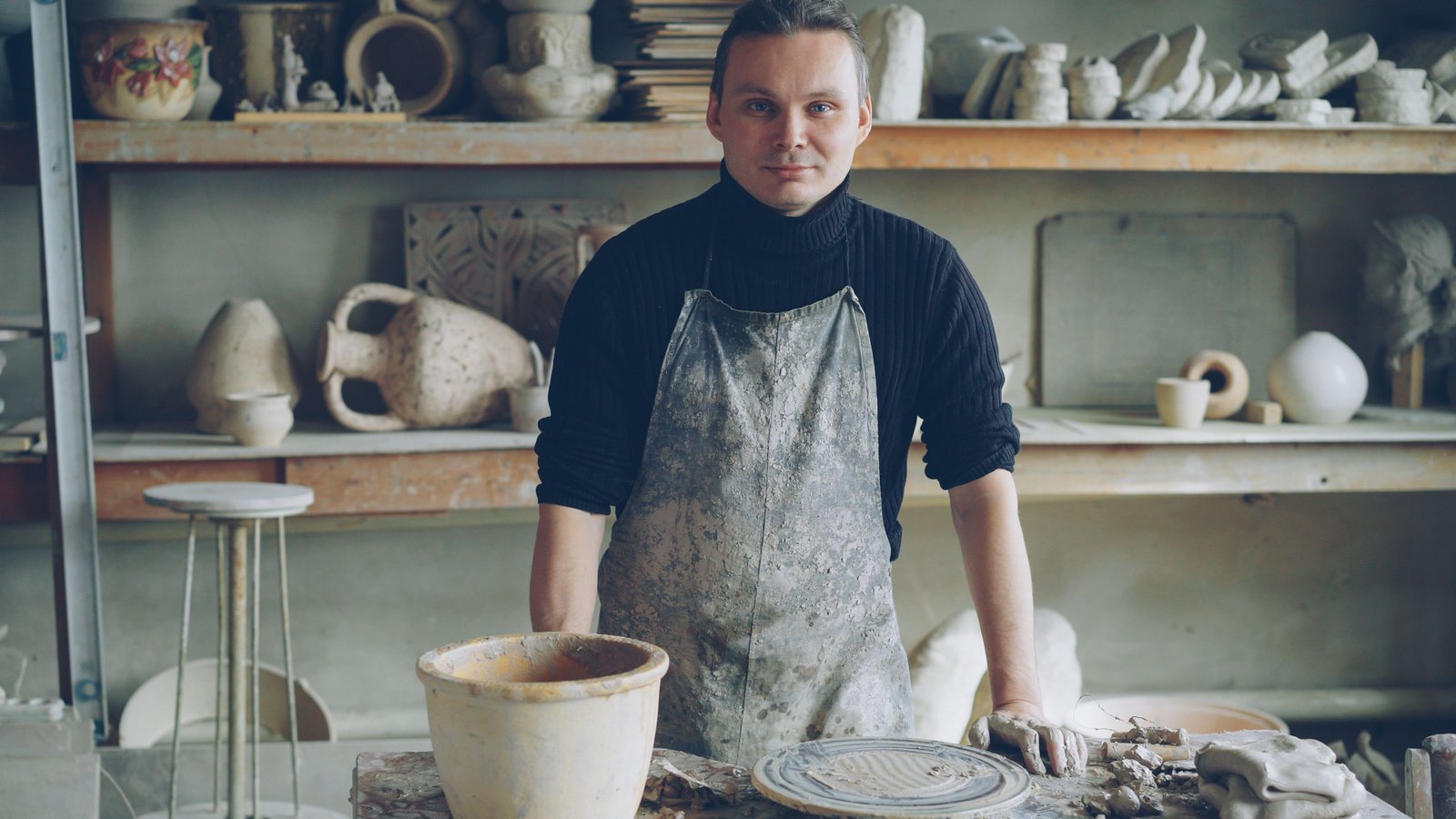
Ready for your first class? Check studio guidelines and get comfortable before your session at Le Studio Art Space in Mordialloc.
Frequently Asked Questions
Will I ruin whatever I wear to a pottery class?
It’s unlikely with sensible clothing choices, though there’s always some small risk of clay or water contact. Wearing something you don’t mind getting a little dirty is the safest approach.
Do I really need to take off my rings and jewellery?
It’s genuinely recommended, especially for wheel throwing, since rings and bracelets can interfere with clay work and risk getting damaged or dirty during a hands-on session.
Is it fine to wear shorts or a skirt to a pottery class?
Generally, yes, though bear in mind that bare skin can come into more direct contact with clay and water, which some people find less comfortable than fully covered arms and legs.
What if I forget to bring a hair tie?
Most studios, including Le Studio Art Space, usually have a spare on hand or can offer a simple workaround, so it’s a minor issue rather than something to worry about.
Does it matter what I wear for hand building versus wheel throwing?
It matters a little less for hand building, since it’s generally less messy, though comfortable, washable clothing is still a sensible choice regardless of which technique you’re learning.
This article is provided for general educational purposes by Le Studio Art Space and reflects common studio practice. Specific studio guidelines may vary.