Clay sculpting equipment worth investing in usually includes a few high quality loop and carving tools, a sturdy banding wheel or sculpting turntable, good ribs, reusable armature supports, and solid work boards. Bigger items like slab rollers, extruders, and kilns are often better accessed through a shared studio unless you work at high volume. Buy in response to real limits in your work, not because a list says so.
There comes a point in every sculptor’s journey when the basic kit starts to feel limiting. Maybe your loop tools are dragging instead of cutting, your pieces are getting taller, or you’re constantly craning your neck to see the back of a sculpture. That’s usually a sign you’re ready to upgrade your clay sculpting equipment.
At Le Studio Art Space in Mordialloc, we often talk with members who’ve moved past the basics and want advice on what’s genuinely worth buying. This guide covers the clay sculpting equipment that makes a real difference, what separates a worthwhile upgrade from an unnecessary one, and how to prioritise your spending sensibly.
Signs You Have Outgrown Basic Tools
The clearest sign is frustration with results rather than skill. If you know what you want to do but your tools won’t do it cleanly, it’s time to look at upgrades. Loop tools that tear clay instead of slicing it, ribs that flex too much, or wooden tools that have worn blunt all hold you back.
Another sign is scale. When your sculptures grow beyond what you can comfortably hold, you’ll need equipment for turning, supporting, and moving work. Trying to build a large piece on a small bat or tabletop quickly becomes awkward and risky.
A third sign is repetition. If you’re constantly improvising the same workaround, like balancing a piece on upturned buckets to see it from below, a proper piece of equipment will save time and reduce the risk of damage.
Finally, pay attention to your body. Hunching over low tables, straining your wrists with poor tools, or twisting awkwardly to reach the back of a piece are all signs that better equipment could make your practice more comfortable and sustainable over the long term.
Quality Carving And Shaping Tools Worth The Cost
Good carving tools are often the first worthwhile upgrade. Loop and ribbon tools with sharp, rigid steel loops and comfortable handles cut cleanly and give far more control than cheap versions. Many sculptors own a few favourite shapes in two or three sizes rather than a large set.
Fine detail tools are valuable for figurative work. Small, precise wire loops, dental-style tools, and fine metal modelling tools help with faces, hands, and intricate surface work where larger tools feel clumsy.
Quality ribs make a noticeable difference too. A set of metal ribs in different profiles, along with firm and soft rubber or silicone ribs, lets you shape, compress, and finish surfaces precisely. Brands vary, but the key is rigidity, smooth edges, and a comfortable grip.
What doesn’t usually justify the cost is buying a huge premium set all at once. Many tools overlap in function. It’s better to replace the tools you use most with high quality versions and let the rest follow naturally. If you’re still building the basics, our guide to essential clay sculpting tools for beginners is a better starting point.

Armatures And Support Equipment For Larger Work
As sculptures grow, support becomes essential. In clay, supports are generally temporary, since anything left inside a piece can cause problems in firing. Many sculptors use materials like newspaper, foam, or bubble wrap packed inside a form to hold it up while building, removing or allowing them to burn out safely later.
Reusable external supports are worth investing in. Adjustable metal or wooden props, padded clamps, and simple stands help hold extended parts, like limbs or overhangs, while the clay firms up. Some sculptors build removable internal armatures from pipe or dowel that slide out before drying completes.
For heads and busts, a sculpting stand with a removable central support is a popular choice. The clay is built around the support, then hollowed and removed before firing. It’s a technique borrowed from traditional modelling but adapted to clay’s firing needs.
Plastic sheeting and damp boxes might not sound like equipment, but they’re vital for large work. Being able to keep sections at the right moisture level over several sessions is what makes big sculptures possible.
A simple damp box is easy to make and genuinely useful. A lidded plastic tub with a layer of plaster or a damp sponge in the base keeps smaller parts, like handles, limbs, or detail elements, at a workable moisture level for days. Many sculptors keep one or two on hand so components made in one session are ready to attach in the next without any cracking or stiffness.
Clay Sculpting Equipment For Your Workspace
A banding wheel or heavy-duty sculpting turntable is probably the single most useful upgrade for sculptors. It lets you rotate work smoothly to see and reach every side without handling the piece. A sturdy metal model with a good bearing will last for decades and handle heavier work.
Work boards and bats matter too. Having several flat, rigid boards means you can move pieces without touching them and keep multiple projects going at once. Plaster or wooden boards also help absorb moisture evenly from the base.
A good work surface at the right height reduces strain. Some sculptors use adjustable stands or raise their banding wheel onto blocks so they can work standing up. Canvas-covered tables stop clay sticking and make cleanup easier.
Larger items, like slab rollers, extruders, and kilns, can transform a practice, but they’re expensive and take up space. For many people, these are better used through a shared studio than owned at home.
Lighting and storage are easy to overlook but make a real difference. A movable lamp that casts light across a surface reveals lumps, dips, and uneven areas far better than overhead light, which is why many sculptors check their forms under a side light before a piece dries. Sturdy shelving with space between pieces also protects work from bumps while it dries slowly.
What Competing Guides Leave Out
Most equipment guides assume you’re setting up a private studio, but many sculptors work in a shared space. That changes the calculation dramatically. A good shared studio already provides banding wheels, work tables, slab rollers, kilns, and often extruders, which means you don’t need to buy them at all.
What’s genuinely worth owning personally are the tools that touch the clay most and suit your hands. Carving tools, ribs, and detail tools wear in to your grip and style, and shared versions can be well worn or in use when you need them. These are also affordable and portable.
Items that are usually better shared include kilns, which need electrical work, ventilation, and firing expertise, and bulky equipment like slab rollers. Our firing service and the equipment in our ceramic studio are designed for exactly this.
A personal banding wheel can go either way. If you work at home between studio visits, one is worth having. If all your work happens in the studio, you may never need your own. Our comparison of buying a kiln versus using a community studio explores the bigger ownership question.
Prioritising Which Clay Sculpting Equipment To Buy First
Start with the tools you use every session. Upgrading your main loop tool, a favourite modelling tool, and a quality rib gives the biggest return for the smallest spend, and you’ll feel the difference immediately.
Next, look at workflow. If you work at home, a banding wheel and a few good boards come next. If you mostly work in the studio, consider a well organised tool roll or case so your personal tools travel easily and stay in good condition.
Support equipment follows as your work grows. Buy props, stands, and plastic sheeting when you’re actually tackling larger pieces rather than in advance. You’ll understand your needs better once you’re mid-project.
Leave the big-ticket items until last, and only if access is genuinely limiting you. In our experience, many committed sculptors happily work for years with a small personal kit plus studio equipment. If you want structured help growing your skills alongside your kit, our workshops and classes are a good next step.
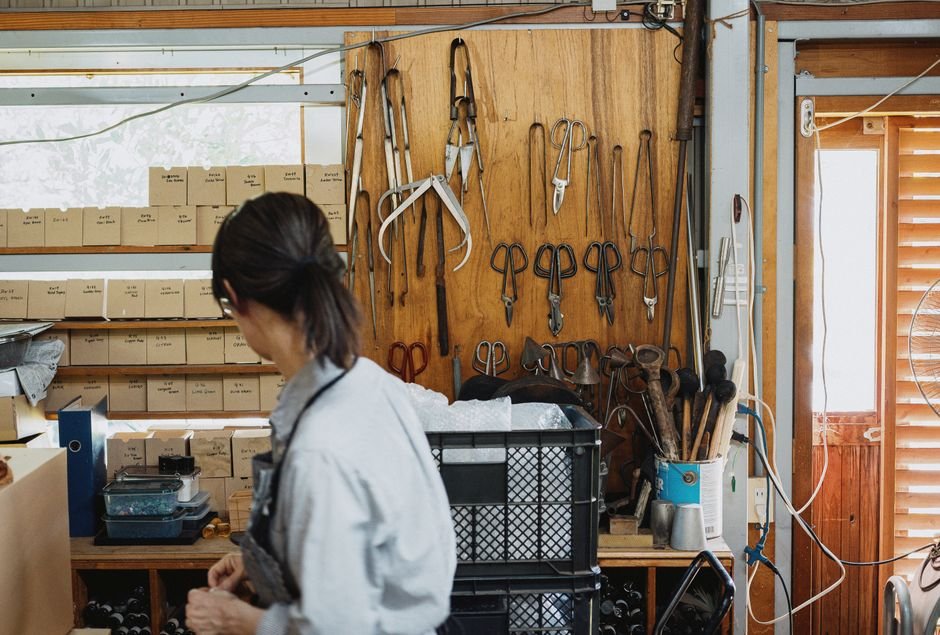
Before you buy, come and see what’s already on offer. Explore the banding wheels, slab roller, kilns, and workspace available at Le Studio Art Space’s ceramic studio in Mordialloc, and invest only in what you truly need.
Frequently Asked Questions
Is a banding wheel really worth buying?
For most sculptors, yes, especially if you work at home. It makes it much easier to see and reach every side of a piece without handling it.
Are expensive sculpting tools actually better than cheap ones?
Often they are for the tools you use most, since sharper, more rigid loops and ribs give better control. That doesn’t mean every tool needs to be premium.
Can I use a metal armature inside my clay sculpture?
Not if it stays in during firing, as metal expands differently and can crack the piece. Use removable or burnable supports instead.
Should I buy my own kiln once I get serious about sculpture?
Not necessarily. Many sculptors use a studio firing service for years, since owning a kiln involves cost, space, and electrical requirements.
What equipment can I use at Le Studio Art Space?
Members at Le Studio Art Space can access shared studio equipment including wheels, work tables, and kilns through our firing service. Ask the team for current details.
This article is provided for general educational purposes by Le Studio Art Space. Equipment needs vary with each artist’s practice, and studio inclusions may change over time.