To choose a pottery studio membership, compare what’s included (access hours, wheel and equipment use, shelf space, clay and glaze), check how busy the studio is at the times you’d visit, confirm exactly which firings are included or charged separately, and weigh up the community and support on offer. Then match the membership level to how often you’ll realistically attend, and trial the studio before committing long term.
So you’ve decided a studio membership is the right way to keep your pottery practice going. Maybe classes have run their course, or you want regular access to wheels and kilns without buying your own. Now comes the tricky part, working out how to choose a pottery studio membership when every studio describes its offer a little differently.
At Le Studio Art Space in Mordialloc, we’re often asked to explain what membership involves, and we always encourage people to compare carefully. This guide walks through what a typical membership includes, the questions worth asking, how firing costs work, and how to match a membership to the way you actually use a studio.
What A Typical Studio Membership Includes
Most pottery studio memberships include access to the studio during set hours, use of shared equipment like wheels, banding wheels, slab rollers, and work tables, and a personal shelf or storage space for work in progress. Many also include use of shared glazes and basic tools.
Access hours vary widely. Some studios offer set open studio sessions each week, others offer extended or around the clock access for certain membership levels. It’s worth being clear on exactly when you can come in, since a membership with limited hours may not suit a busy work schedule.
Clay is often purchased separately, sometimes from the studio at a member rate. Using studio-approved clay matters because it helps the studio fire everything safely at consistent temperatures. Some studios allow you to bring your own clay if it’s compatible with their firings.
Firing may or may not be included, and this is one of the biggest differences between memberships. We’ll look at that in detail below, since it can have a big effect on the true cost.
If you’re still deciding between membership and other kinds of studio access, our comparison of individual studio, shared studio, and studio membership is a useful starting point.
Questions To Ask About Access And Availability
Ask about peak times. Evenings and weekends are often the busiest periods, and if that’s when you’ll visit, you want to know whether wheels are usually available. A studio with plenty of members but only a few wheels can feel crowded at popular times.
Ask how equipment is booked or shared. Some studios use a booking system for wheels, while others run on a first-come basis. Neither is wrong, but knowing the system helps you plan and avoid frustration.
Ask about classes and workshops running in the space. If the studio hosts classes during open studio times, member access to wheels or tables may be limited during those sessions.
Ask about storage. How much shelf space do you get, and how long can work sit there? Clear rules help keep a shared studio organised, but you’ll want enough space for the amount you make.
Finally, ask about cleaning expectations. Most studios expect members to clean their wheel, tools, and work area after every session. It’s part of shared studio life, and it keeps the space pleasant for everyone.
Understanding What Firing Costs Are Included
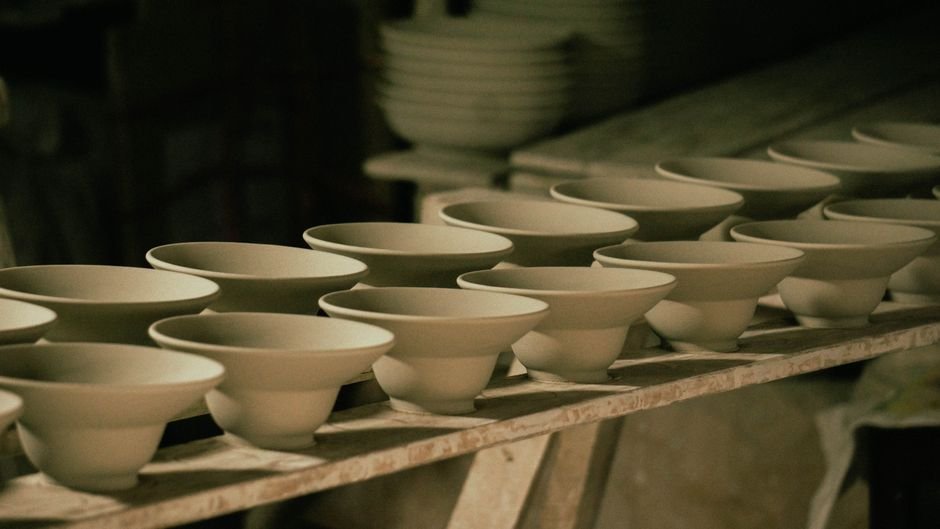
Firing is often where membership costs differ most. Some memberships include both bisque and glaze firing for a set volume of work. Others include only one, or charge for all firing separately, often by size, weight, or shelf space.
Ask exactly what’s included. Is there a limit on how many pieces or how much kiln space you can use each month? Are larger pieces charged differently? Are special firings, such as different temperatures or alternative techniques, available and at what cost?
It’s also worth asking about firing turnaround times. In a busy studio, it might take a week or two for pieces to go through each firing. That’s normal, but it helps to know when planning gifts or market stock.
Clarify policies on glazes and clays too. Most studios require members to use approved materials in shared kilns, since the wrong glaze can run onto shelves or damage other people’s work.
At our studio, our firing service is part of how we support members and independent potters, and we’re always happy to explain how firing works for each membership option.
Community And Support As Part Of The Value
A membership isn’t just about equipment. The people around you can make a huge difference to how much you enjoy and grow in your practice. Some studios have a lively, social atmosphere, while others are quieter and more focused. Both are valid, but one will probably suit you better.
Instructor access is worth asking about. Some memberships include informal guidance from staff or experienced members, which is invaluable when you hit a technical problem. Others are independent access only, suited to confident potters.
Look for opportunities like member critiques, group firings, exhibitions, or markets. These can motivate you, build connections, and help you develop your work. Our studio’s gallery, for example, hosts exhibitions and pop-ups that members can be part of.
Studio culture also shows in small things, like how clean the space is, how welcoming people are, and whether members share tips and glaze results. Spending some time in the space before joining is the best way to get a feel for it.
Location matters more than people expect, too. A studio that’s a short drive or walk from home is far easier to visit on a weeknight than one across town, even if the second has slightly better equipment. Many members find that convenience is what turns good intentions into a regular habit, so it’s worth weighing travel time alongside everything else on your list.
What Competing Guides Leave Out
Most guides list features, but they rarely talk about trialling a studio before committing to a longer membership. Many studios offer casual sessions, short-term memberships, or class packages that let you experience the space first. It’s worth asking, especially if a longer commitment is required.
During a trial, notice practical details. Are wheels in good condition? Are glazes well labelled and tested? Is the kiln schedule reliable? Are the rules clear and fairly applied? These small signs tell you a lot about how well a studio is run.
There are also red flags worth watching for. Vague answers about firing costs, cluttered or unsafe spaces, poorly maintained equipment, and unclear cancellation terms are all reasons to ask more questions before signing up.
Finally, check the membership terms. How much notice is needed to cancel or pause? Are there minimum commitment periods? Can you upgrade or downgrade if your circumstances change? Understanding this upfront avoids stress later.
Matching A Studio Membership Level To Your Actual Studio Habits
The best membership is the one that fits how often you’ll genuinely attend, not how often you hope to. Be honest about your schedule. If you’ll realistically visit once a week, a smaller membership with set hours may be ideal. If you’ll come in several times a week, more access usually makes better value.
Think about the kind of work you do. Wheel throwers may need guaranteed wheel time, while hand builders might care more about table space and storage. Potters preparing for markets may need more firing capacity.
It can help to track your current habits for a few weeks. How many hours do you spend making? How many pieces do you fire each month? This gives you a realistic basis for comparing options.
It’s also worth working out a rough cost per visit. Divide the monthly membership fee, plus any separate clay and firing costs, by the number of sessions you expect to attend. If that figure feels higher than paying casually for studio time or a class, a smaller plan may suit you better for now. If it feels like great value, you’ve probably found a good match.
If you’re not ready for membership yet, our workshops and classes are a good way to build confidence first. When you are ready, our ceramic studio team will happily walk you through the options.
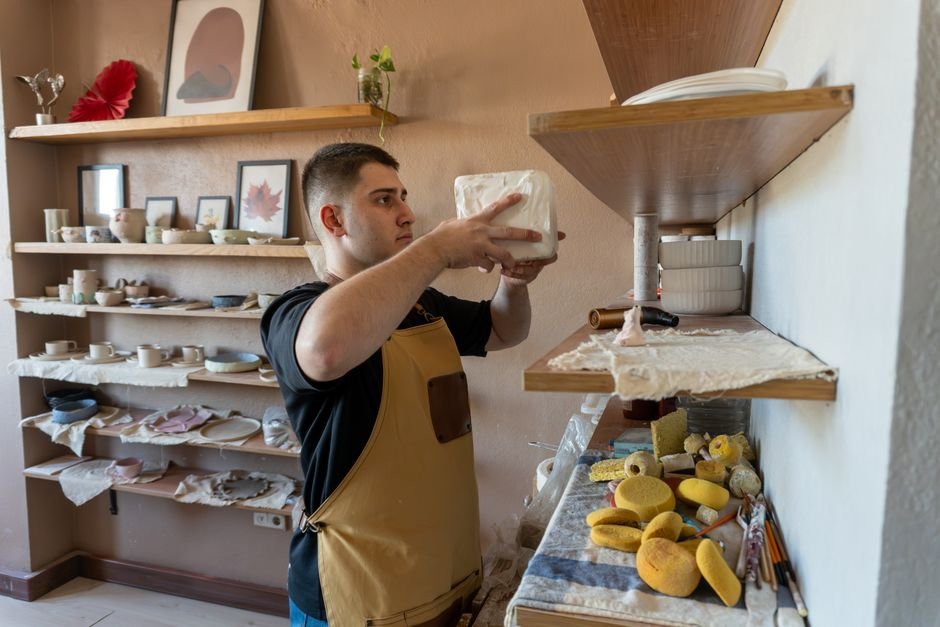
Ready to find the right membership? Ask about membership options at Le Studio Art Space’s ceramic studio in Mordialloc, and we’ll walk you through access, equipment, and firing so you can choose with confidence.
Frequently Asked Questions
Is a pottery studio membership worth it for a beginner?
It can be once you’ve done a few classes and feel comfortable working independently. Complete beginners often get more value from classes first.
Does a studio membership usually include firing?
Sometimes, but not always. Some memberships include a set amount of firing, while others charge separately, so it’s important to ask.
Can I bring my own clay to a studio?
It depends on the studio. Many require approved clays so everything can be fired safely together in shared kilns.
What if the studio is always busy when I can visit?
Ask about peak times and booking systems before joining. A trial session at your usual time is the best way to check availability.
Can I try Le Studio Art Space before joining?
Yes, we encourage people to visit and ask questions first. Le Studio Art Space can explain current options, including classes that help you get a feel for the studio.
This article is provided for general educational purposes by Le Studio Art Space. Membership inclusions, pricing, and terms vary between studios and may change over time.