After a paint your own pottery session, the studio checks your piece, adds a clear glaze if the paints need one, and loads it into a kiln for a glaze firing. The heat fuses the colour permanently into the surface, which is why dull, chalky paint comes out bright and glossy. Most studios have pieces ready for pickup within one to two weeks, depending on their kiln schedule.
You’ve put down your brush, admired your mug or plate one last time, and handed it over. Now you’re wondering what happens after paint your own pottery, and whether that slightly streaky, pastel looking piece will really turn into something you’ll want to drink from. It’s one of the most common questions we hear at the end of a session.
At Le Studio Art Space in Mordialloc, the part you don’t see is where the real transformation happens. This guide walks you through every step, from the moment your piece leaves the table to the day you take it home, including what can go wrong and how to look after it once it’s yours.
What Happens After Paint Your Own Pottery, Straight After You Finish
The first thing a studio does is a quick handover check. Someone looks over your piece for paint on the base, since anything on the bottom can fuse the pot to the kiln shelf during firing. If there’s paint where it shouldn’t be, it’s usually wiped back with a damp sponge so the foot is clean bare clay.
Your piece is then labelled. Most studios use a name tag, a written number on the base in underglaze pencil, or a ticket system so nothing gets mixed up among dozens of similar mugs. It’s worth double checking your name is spelled the way you want, because that label follows your work all the way to pickup.
Next comes the glaze step. Many paint your own studios use underglazes, which are coloured clay based paints that need a coat of clear glaze over the top to become glossy and sealed. Staff usually dip or brush that clear coat on for you after the session, so you don’t have to worry about technique.
Either way, the piece is left to dry fully, because wet glaze going into a kiln can bubble or crawl.
Finally, your piece joins a kiln load. Kilns are loaded carefully so pieces don’t touch, since glaze melts into a glassy layer that will glue two pots together if they’re too close. A full, well planned load is part of why studios wait until there’s enough work before firing.
The Glaze Firing Step
The piece you painted was already fired once before you got it. That first firing, called the bisque firing, turned soft dry clay into hard, porous ceramic that can hold paint. If you’d like to know more about that starting point, our guide to unpainted ceramics explains what bisqueware actually is.
The second firing is the glaze firing, and it’s where your colours become permanent. In most paint your own studios this happens at a low temperature range, often somewhere around 1000 to 1060 degrees Celsius. At that heat, the glaze melts into a thin layer of glass that bonds with the clay and locks the colour underneath it.
A typical glaze firing takes many hours to heat up and then roughly as long again to cool. Opening the kiln too early can crack pieces through thermal shock, so studios are patient here. From switching on to unloading, it often takes a day or more.
Studios with their own kilns usually schedule glaze firings once they have a full load. At Le Studio Art Space, firings are handled through our in-house firing service, the same kilns our members and working artists use for their own pieces.
The firing is also the reason your piece becomes durable. Unfired paint simply sits on the surface and can scratch or wash off. Once fired, the glaze has become part of the object, which is why kiln fired pieces generally behave very differently to anything painted with craft paint at home.
Why Colours Look Different Once Fired
Almost everyone worries that their piece looks washed out at the end of the session. Underglazes dry to a flat, chalky finish, and many colours look completely different in the jar. A deep red might look pinkish brown, and a bright blue can look like faded denim.
That chalky look is normal. The colours develop in the kiln, where heat changes the pigments and the clear glaze melts into a glossy layer that deepens everything underneath. In our experience, most people are pleasantly surprised by how much richer their colours look once fired.
This is why studios usually have a sample board or tiles showing each colour after firing. Using the fired sample as your guide, rather than the wet paint, gives you a much better idea of what you’ll get back.
Coverage matters too. One thin coat can look streaky or patchy after firing, while two or three even coats usually give solid colour. Brush strokes sometimes show through slightly, which many people end up loving as part of the handmade character of the piece.
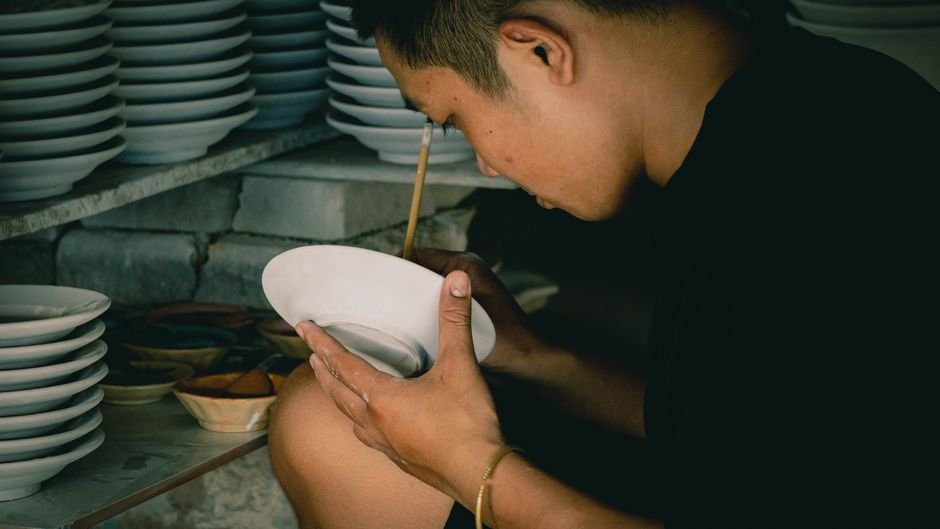
How Long You Will Wait And How You Will Know It Is Ready
Turnaround varies, but many paint your own studios have pieces back within about one to two weeks. The timing depends on how often the kiln is fired, how busy the studio is, and whether your piece needs any extra steps, such as a separate firing for decals or special effects.
School holidays, the lead up to Christmas, Mother’s Day, and other busy seasons can stretch that wait, simply because there are more pieces waiting for kiln space. If you’re painting a gift for a particular date, it’s a good idea to ask about timing before you start.
Most studios let you know when your work is ready by text, email, or phone call, or they give you a pickup date at the end of your session. Keep your receipt or ticket number handy, because it makes finding your piece on the shelf much quicker.
Some studios keep finished work for a limited time, often a few weeks to a couple of months, before it’s donated or cleared to make room. It’s worth asking how long your piece will be held, especially if you’re travelling.
When you collect, take a moment to look the piece over before you leave. If something seems off, such as a missing piece or a fault from the kiln, it’s much easier to talk it through with staff in person than later.
What Competing Guides Leave Out About What Happens After Paint Your Own Pottery
Most guides cover the firing and pickup but skip the uncomfortable question: what if something goes wrong? Kilns are reliable, but they’re not perfect. Occasionally a piece cracks, usually from a hidden flaw in the bisque or from stress at a handle joint, and occasionally glaze runs further than expected.
Glaze running happens when glaze is applied too thickly near the base and melts down onto the shelf. Studios try to prevent it by keeping the bottom portion of each piece clean. If you’d like to understand why glazes misbehave, our article on why glaze crawls, pinholes, or runs covers it in more depth.
If your piece does come out of the kiln damaged, most studios handle it case by case. Some may offer a replacement blank or a chance to repaint, while others explain that kiln losses are a normal risk with handmade work. Asking about the studio’s approach up front helps set realistic expectations.
Another gap is food safety. Not every paint your own glaze is suitable for surfaces that touch food or drink, and some decorative effects are best kept for display pieces. If you plan to eat or drink from your work, ask which colours and finishes the studio recommends. Our guide to what makes a glaze food safe explains the basics.
Finally, few guides mention cost context. The price of a session usually covers the bisque piece, paints, glazing, and the firing itself. Kilns use a lot of electricity and need careful handling, so the firing is a real part of what you’re paying for, not just a minor extra.
Caring For Your Finished Piece
Once your piece is home, a little care goes a long way. Many studios recommend handwashing with warm soapy water, even when a glaze is labelled dishwasher safe, because repeated dishwasher cycles can dull some surfaces over time.
Avoid sudden temperature changes. Pouring boiling water into a cold mug or moving a piece straight from the fridge into a hot oven can cause cracking, since ceramics expand and contract with heat. Letting pieces warm up gradually is a simple habit that helps them last.
Whether a piece is microwave or oven safe depends on the glaze, the clay, and any metallic decoration. Gold or lustre details should never go in a microwave. If you’re unsure, ask the studio rather than testing it at home.
If you’ve enjoyed the process and want to go further, many people move from painting bisque to making their own pieces from scratch. Our workshops and classes and our ceramic studio are natural next steps, and our guide to how ready to paint ceramics work is a good refresher before your next session.
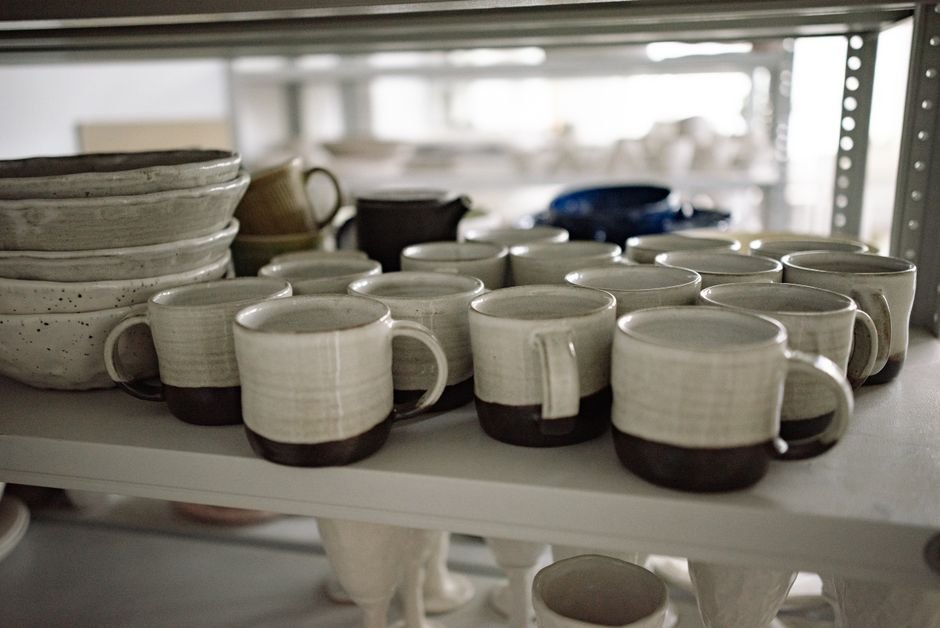
Ready to see your colours come out of the kiln? Book a paint your own session at Le Studio Art Space in Mordialloc, and our team will glaze, fire, and have your finished piece waiting for you to collect.
Frequently Asked Questions
Why does my painted pottery look so dull before it’s fired?
Underglazes dry to a flat, chalky finish, and the colours only develop fully in the kiln. Once the clear glaze melts during firing, the colours usually look much richer and glossier.
How long does it take to get my paint your own pottery back?
Many studios have pieces ready within about one to two weeks. Busy seasons and extra firing steps can make the wait a little longer, so it’s worth asking at the end of your session.
What if my piece cracks in the kiln?
It doesn’t happen often, but it can, usually because of a hidden flaw or a stressed joint. Studios handle it differently, so ask about their approach if you’re worried.
Is paint your own pottery actually safe to eat off?
It depends on the glazes and finishes used. Ask the studio which options are suitable for food and drink, and keep decorative or metallic effects for display pieces.
Can I pick up my piece any time after it’s ready?
Most studios hold finished work for a set period, often a few weeks or more. At Le Studio Art Space, we’ll let you know when your piece is ready and how long we can keep it for you.
This article is provided for general educational purposes by Le Studio Art Space. Firing times, finishes, and results vary between studios, materials, and kilns.