Beginners can buy pottery clay from specialist ceramic suppliers, online pottery shops, some large hardware and craft retailers, or directly through a pottery studio. Specialist suppliers offer the widest range and the best advice, while buying through a studio is often the simplest option because the clay is already matched to the studio’s kilns. Most beginners start with a single 10 kilogram bag.
You’ve decided to get your hands dirty, and now you’re standing at the first hurdle: where to buy pottery clay. It’s not something you’ll find next to the flour at the supermarket, and the craft store version often isn’t the real thing. For a lot of new potters, just knowing where to look is half the battle.
At Le Studio Art Space in Mordialloc, new members ask us this question all the time. This guide walks through the main places Australian potters buy clay, what to expect from each, how much to get when you’re starting out, and the questions worth asking before you hand over your money.
Where To Buy Pottery Clay: Ceramic Supply Shops And Specialist Suppliers
Specialist ceramic suppliers are where most potters buy their clay. These businesses stock clay bodies, glazes, tools, kiln furniture, and raw materials, and the staff usually know their products well. In Melbourne, well known names include Walker Ceramics in Bayswater and Northcote Pottery Supplies in Brunswick East.
Many suppliers also carry clays from other Australian makers, such as Clayworks, Keanes, and Feeneys, so you can compare different bodies in one place. You’ll typically find earthenware, stoneware, mid fire, porcelain, raku, and sculpture clays, often in both smooth and grogged versions.
The biggest advantage of a specialist supplier is advice. If you explain what you’d like to make, whether that’s wheel thrown mugs or a hand built sculpture, staff can usually point you towards a suitable clay. Most suppliers also publish product sheets listing firing range, shrinkage, and colour.
Visiting in person is worth it if you can. You can see and feel the clay, ask questions, and avoid freight costs by loading the bags straight into your car. Just be ready for the weight, since clay is heavy and a few bags add up quickly.
Buying Clay Through A Studio
If you’re learning at a studio, buying clay there is often the easiest option. Many studios keep a stock of clays that suit their kilns and their teaching, and members and students can buy a bag as needed. Some include clay in the cost of a class or course.
The real benefit is compatibility. A studio chooses clays that fire well at the temperatures its kilns run at, so you’re far less likely to end up with a piece that melts, bloats, or stays weak and porous. That’s a common and avoidable beginner mistake.
Studios also tend to keep things simple, stocking a small range of reliable clays rather than dozens of options. For a beginner, that’s a good thing. You can learn how one clay behaves before trying others.
Many studios also have a reclaim system for scraps, which makes your clay go further. Ask whether outside clay is allowed, too. Some studios only fire clays they’ve approved, to protect their kilns and other people’s work. At Le Studio Art Space, members of our ceramic studio can ask our team which clays suit our kilns.
Online Suppliers And Shipping Realities
Buying clay online is convenient, especially if you don’t live near a supplier. Many Australian ceramic shops sell online, and some large retailers stock clay through partnerships with pottery suppliers. You’ll often see 10 kilogram bags listed somewhere around AUD 25 to 40, depending on the clay body.
The catch is freight. Clay is heavy, and shipping is often charged by weight. A single bag might be reasonable to send, but several bags can cost more to deliver than the clay itself, particularly to regional areas.
Lead times vary too. Popular clays sometimes sell out, and delivery can take a week or more. If you’re planning a project or a class, order well ahead rather than at the last minute.
Be cautious about very cheap clay from general marketplaces. Some products listed as pottery clay are actually air dry or polymer modelling clays, which can’t be fired in a kiln. Always check the product description for a firing range before buying.
A handy middle ground is ordering online and collecting in person. Some suppliers offer click and collect, so you can check stock and pay ahead, then skip the freight by picking the bags up yourself. If a supplier is within driving distance, it’s often the cheapest way to get exactly the clay you want.
How Much To Buy When You Are Just Starting
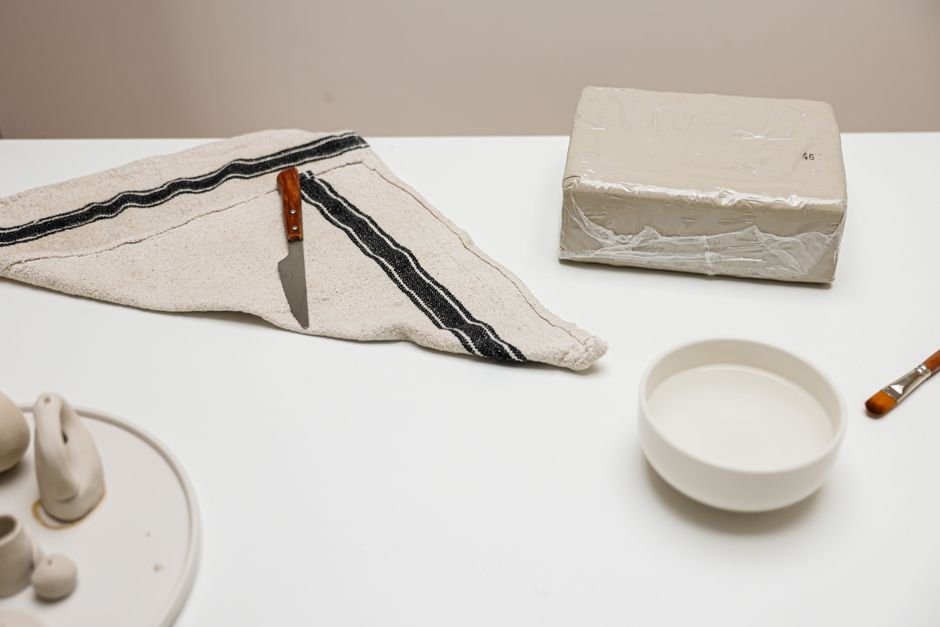
For a beginner, one 10 kilogram bag is usually plenty to start. That’s enough for a good number of small pieces, such as mugs, bowls, and pinch pots, especially once you learn to reclaim your scraps.
It can be tempting to buy in bulk to save money, but there’s a risk. Your preferences often change quickly as you learn, and you might discover you prefer a smoother or grittier clay than the one you started with.
Clay also needs to be stored well. Keep bags sealed, out of direct sun, and away from frost. Clay that dries out can be reclaimed, but it takes time and effort. Our guide on what to do when your clay dries out explains how.
A sensible approach is to buy one bag, use it up, and then decide whether to stick with it or try something new. Once you know what you like, buying two or three bags at a time can reduce trips and freight costs.
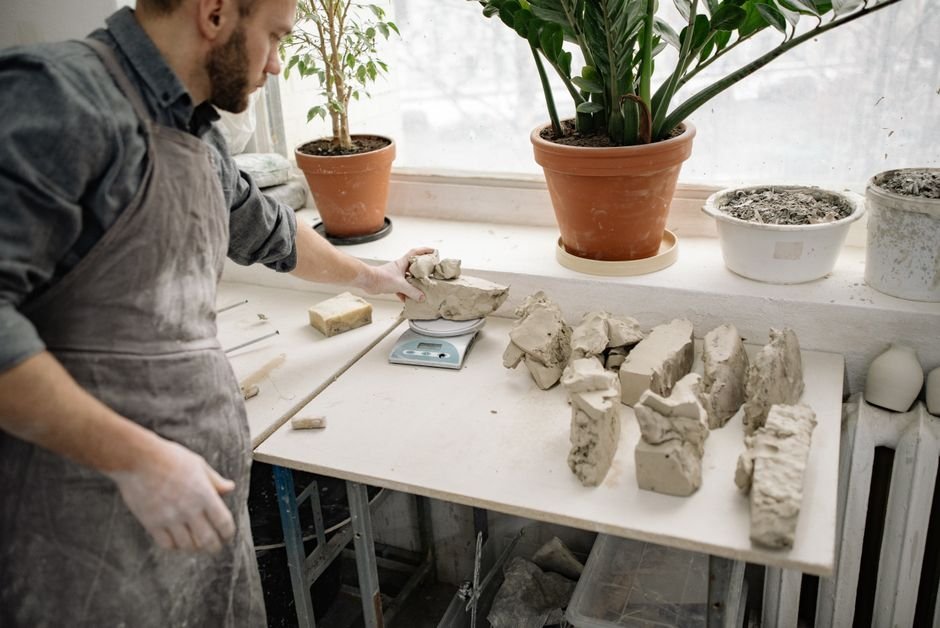
To give you a rough idea, a typical wheel thrown mug uses somewhere around half a kilogram to a kilogram of clay before trimming, and a small pinch pot uses much less. Larger bowls, vases, and sculptures use far more, and beginners tend to use extra clay while learning, since plenty of early attempts end up back in the reclaim bucket.
What Competing Guides Leave Out About Where To Buy Pottery Clay
Most lists of where to buy pottery clay just name stores, without explaining why clay is such an awkward product to buy. The weight is the big one. Clay is mostly water and minerals, so it’s heavy for its size, which affects freight, storage, and how much you can carry home.
Another gap is checking your clay suits the kiln it will be fired in. Clays are made for specific temperature ranges, measured in cones. A low fire earthenware fired too hot can slump or melt, while a stoneware fired too low stays porous and weak. Our guide to what cone numbers mean in pottery firing explains the system.
That’s exactly why buying through a studio can save trouble. If you’re firing through a studio’s firing service, using clay the studio already knows means fewer surprises and a much lower chance of damaging a kiln shelf or someone else’s work.
Guides also rarely mention that clay bodies vary between batches. Colour and texture can shift slightly, so if you’re making a matching set, try to use clay from the same batch.
Questions To Ask Before You Order
Before you buy, ask what the clay body is, such as earthenware, stoneware, or porcelain, and what it’s best suited for. Some clays are designed for the wheel, while others are better for hand building and sculpture.
Next, check the firing range. Make sure it matches the kiln you’ll use, whether that’s at home, at a studio, or through a firing service. If you’re unsure, ask the studio before buying.
Ask about texture and grog. Smooth clays are lovely for fine detail and throwing, while grogged clays are stronger and more forgiving for larger pieces.
It’s also worth asking about colour, both raw and fired. Many clays look grey or brown in the bag but fire to white, buff, or deep red, and that fired colour changes how your glazes look. Suppliers usually have fired samples or photos, which are far more useful than judging by the wet clay.
Finally, confirm the bag size, price, and delivery cost, so there are no surprises. For more on choosing the right clay, see our guides to what to look for when buying pottery clay and pottery clay types, or learn the basics in our workshops and classes.
Not sure which clay to start with? Ask about clay supply and suitable clay bodies at Le Studio Art Space’s ceramic studio in Mordialloc, and we’ll help you pick one that works with our kilns and the pieces you want to make.
Frequently Asked Questions
Can I buy pottery clay at Bunnings or a craft store?
Some large retailers do sell real kiln fired clay, often supplied by pottery businesses. Craft stores more commonly stock air dry or polymer clay, so always check that the label lists a firing range.
How much does pottery clay cost in Australia?
A 10 kilogram bag of standard clay often costs somewhere around AUD 25 to 40, with porcelain and specialty clays usually costing more. Freight can add a lot if you order online.
Is it cheaper to buy clay online?
Not always. The clay itself might be similar in price, but shipping heavy bags can make online orders more expensive than picking up from a supplier.
Can I bring my own clay to a studio?
It depends on the studio. Many prefer approved clays so firings stay predictable, so it’s worth asking first.
What clay should a complete beginner buy?
A smooth or lightly grogged mid fire stoneware is a forgiving choice for many beginners. At Le Studio Art Space, we’re happy to recommend a clay that suits your project and our kilns.
This article is provided for general educational purposes by Le Studio Art Space. Supplier names, prices, and stock change over time, so check details with suppliers directly.