Greenware is any clay piece that has been shaped but not yet fired. The term usually refers to work that is leather hard or bone dry and waiting for its first bisque firing. Greenware is very fragile because the clay particles haven’t fused yet, so it can crack, chip, or crumble easily, but it can still be trimmed, carved, joined, and repaired before it goes in the kiln.
You’ve finished your first bowl, it’s sitting on the shelf drying, and your teacher calls it greenware. It isn’t green, and it doesn’t look especially special. So what does the word mean, and why does everyone suddenly get so careful when they pick it up? Understanding greenware ceramics is one of the most useful things a beginner can learn, because it affects how you handle, fix, and finish every piece you make.
At Le Studio Art Space in Mordialloc, shelves of greenware are part of everyday life in the studio, waiting their turn for the kiln. This guide explains what greenware is, why it’s so fragile, what you can still do to it, how it differs from bisqueware, and how to get it ready for the firing service.
What Greenware Means
Greenware simply means unfired clay. Once a piece has been shaped, whether thrown on the wheel, built by hand, or cast in a mould, it’s considered greenware until it goes through its first firing. The word green here means unfinished or raw, not the colour.
Greenware covers a range of drying stages. A freshly thrown pot is technically greenware, but potters usually use the term most for leather hard and bone dry work. Leather hard pieces are firm but still slightly damp, while bone dry pieces have lost almost all their workable moisture.
The key thing about greenware is that it’s still clay in a chemical sense. If you put a bone dry greenware piece in water, it will slowly break down and turn back into mud. That’s very different from fired ceramic, which won’t dissolve.
That’s also why greenware can be reclaimed. Failed or unwanted greenware can be soaked, dried back to a workable state, and reused. Once fired, though, the clay is permanently changed. Our guide to the stages of clay from wet to fired shows where greenware sits in the full journey.
You’ll hear the word used in other places too. Some paint your own and hobby suppliers sell cast greenware for people to clean up and decorate before firing, although most paint your own studios use bisqueware instead.
Why Greenware Is So Fragile
Greenware is fragile because nothing is holding the clay particles together except a little remaining moisture and the way the flat particles sit against each other. There’s no glassy bond yet. That only forms during firing.
Bone dry greenware is the most fragile of all. It’s light, chalky, and can crumble if squeezed. Thin rims, handles, and spouts are especially vulnerable, and picking a piece up by its handle or rim is one of the most common ways greenware breaks.
Leather hard greenware is a little stronger and more flexible, but it can still dent, warp, or crack if pressed. Fingerprints and knocks show easily at this stage.
Moisture differences add to the risk. If one part of a piece dries faster than another, for example a thin rim drying before a thick base, the uneven shrinkage can cause cracks. That’s why slow, even drying matters so much.
Greenware is also sensitive to dampness and water. A splash, a wet hand, or a damp shelf can soften part of a dry piece and cause it to slump or crack. Our guide to why pots crack in the kiln explains how drying problems can show up later.
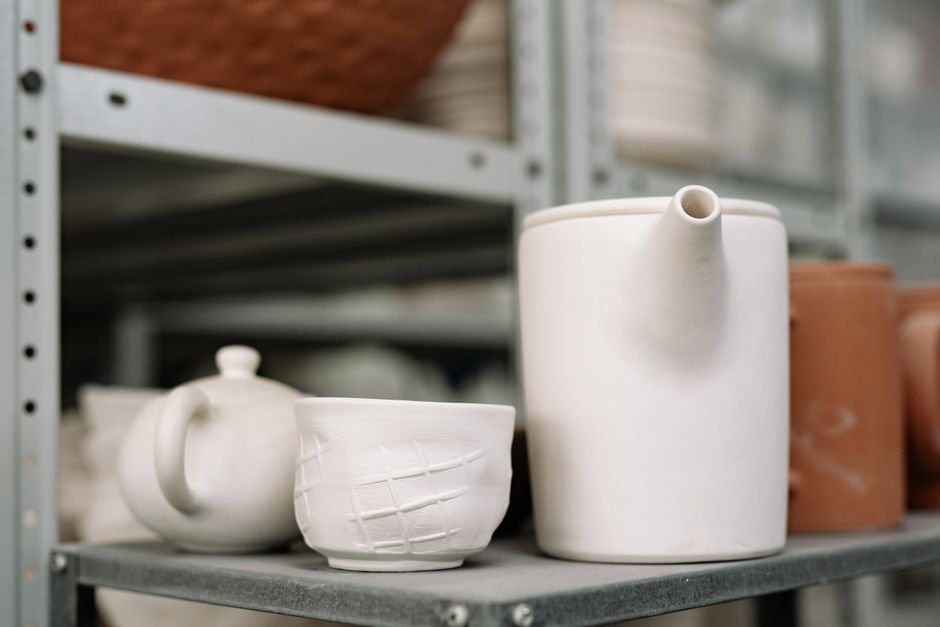
What You Can Still Do To Greenware
The good news is that greenware is still workable in many ways. At the leather hard stage, it’s ideal for trimming on the wheel, carving designs, and refining shapes. Many potters consider leather hard the most versatile stage of all.
Joining also happens at leather hard. Handles, knobs, spouts, and feet are usually attached at this stage using scoring and slip, because the clay is firm enough to hold its shape but still damp enough to bond well.
Surface work is possible too. You can burnish, stamp lightly, apply slips, and paint underglazes on leather hard or bone dry greenware, depending on the material. Sgraffito, scratching through a layer of slip or underglaze, works best around leather hard.
Small repairs can often be made. A tiny crack at leather hard can sometimes be compressed and smoothed over with a little slip or a damp sponge. Bone dry repairs are harder, but special repair products and paper clay slips can help in some cases.
Cleaning up is another job for greenware. Many potters gently smooth rough edges with a slightly damp sponge once a piece is bone dry. This needs a light touch, but it can make a big difference to the finished surface.
Greenware Versus Bisqueware
The main difference between greenware and bisqueware is firing. Bisqueware has been through its first firing, usually called a bisque firing, which changes the clay chemically and makes it ceramic.
That firing makes bisqueware much stronger. You can handle bisque more freely, and it won’t dissolve in water. It’s also porous, which helps glaze stick to the surface during glazing.
Greenware, by contrast, is weak, can dissolve, and isn’t ready for most glazes. Some potters do apply glaze to greenware and fire it once, a method called single firing or raw glazing, but most studios bisque fire first because it’s more reliable for beginners.
Shrinkage also continues through firing. A piece shrinks as it dries from wet to bone dry, and shrinks again in the kiln. Our guide to preparing ceramic bisque picks up the story once your greenware has become bisque.
What Competing Guides Leave Out About Greenware Ceramics
Most explanations of greenware ceramics stop at the definition. What they rarely explain is how to tell when greenware is fully dry and safe to fire. That matters because water left in the clay can turn to steam in the kiln and crack or even blow apart a piece.
A simple test is temperature. Hold the piece against the inside of your wrist or your cheek. If it feels cool, there’s probably still moisture inside. Fully bone dry greenware usually feels close to room temperature.
Colour is another clue. Most clays get noticeably lighter as they dry. If the base or thick areas are still darker than the rest, they need more time. Thick pieces and closed forms can take much longer than you’d expect.
Safe handling and transport are also underexplained. Always pick greenware up from the base with two hands, never by the rim or handle. For transport, nest pieces in a box with soft padding like foam or towels, keep them upright, and avoid stacking. Many studios suggest carrying greenware on a board or tray rather than in your hands.
Finally, competing guides rarely mention patience. Many cracked pieces are simply greenware that was rushed into the kiln. Giving work an extra few days can save a lot of heartbreak.
Getting Greenware Ready For Its First Firing
Before you hand greenware to a firing service, check that it’s bone dry. Use the temperature and colour tests, and give thick or enclosed pieces extra time. If in doubt, wait.
Check for cracks, especially around joins, handles, and rims. Small cracks rarely heal in the kiln and often grow. It’s better to repair them now or accept that the piece may not survive.
Make sure any enclosed spaces have an air hole. Hollow sculptures and closed forms need a small vent so air and steam can escape during firing. Our guide on why pottery can explode in the kiln explains why this matters.
Clean the base and smooth any sharp edges, then label your work or follow the studio’s labelling system. Finally, place it carefully on the designated greenware shelf.
Our firing service takes care of bisque firing for members and visiting makers, our ceramic studio has space for work to dry safely, and our workshops and classes teach good drying and handling habits from the start.
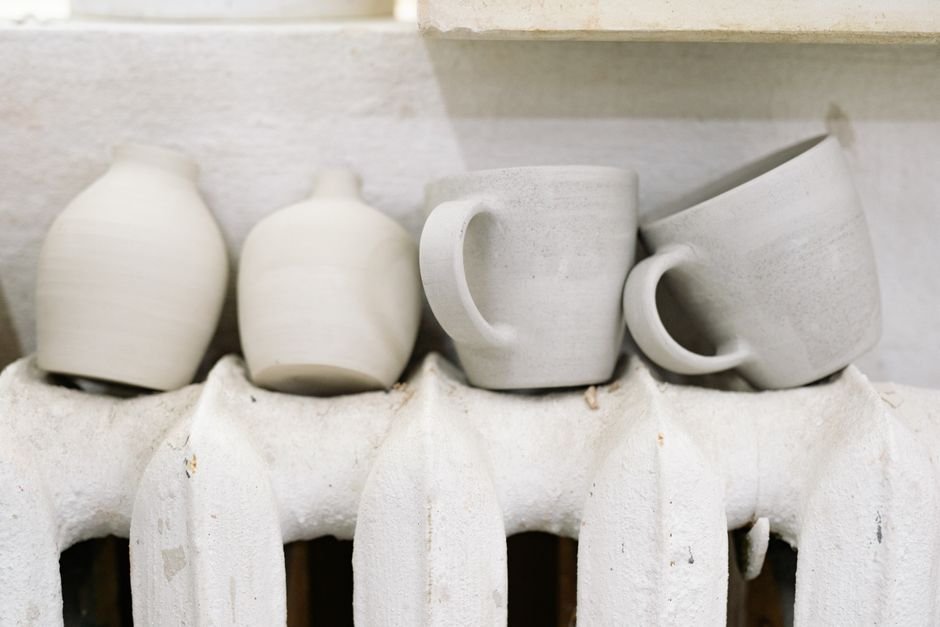
Not sure whether your greenware is ready for the kiln? Learn how work moves from the drying shelf through bisque and glaze firing with the firing service at Le Studio Art Space in Mordialloc.
Frequently Asked Questions
Why is it called greenware if it isn’t green?
Green here means raw or unfinished, the way you might call unseasoned timber green. It has nothing to do with the colour of the clay.
Can I fix a crack in greenware?
Sometimes. Small cracks at leather hard can often be compressed and smoothed, while bone dry cracks are harder to fix. Some cracks will reopen in the kiln.
How long does greenware take to dry?
It depends on thickness, clay body, and weather. Small pieces may dry in a few days, while thick or large pieces can take a week or more.
Can I glaze greenware instead of bisque?
Some potters do single fire glazed greenware, but it’s trickier. Most studios, including many teaching studios, bisque fire first for more reliable results.
Will Le Studio Art Space check my greenware before firing?
The team at Le Studio Art Space can advise on whether work looks ready. It’s still a good idea to check dryness and vents yourself before handing work over.
This article is provided for general educational purposes by Le Studio Art Space. Drying times and firing results vary with clay body, thickness, and conditions.