Unglazed ceramic tile is fired clay tile without a glassy glaze layer on top, so the colour and texture come from the clay body itself. It’s commonly used for floors, outdoor areas, and decorative or handmade tile work, because it tends to offer good grip and a natural, matte look. Depending on the clay and firing, it may be porous and need sealing.
Terracotta courtyard pavers, matte porcelain floor tiles, a handmade tile panel above a kitchen bench. All of these can be unglazed ceramic tile, and they look and behave quite differently from the shiny glazed tiles you might picture in a bathroom. If you’re planning a project or just curious, it helps to understand what unglazed tile actually is and why people choose it.
At Le Studio Art Space in Mordialloc, we see tiles from the clay side: rolled, cut, dried, and fired in our own studio. This guide explains unglazed ceramic tile in plain terms, where it’s used, how it differs from glazed tile, how handmade tiles are made, and what to think about before choosing it for a project.
What Unglazed Ceramic Tile Is
An unglazed ceramic tile is simply a tile made from clay and fired, without a glaze coating. Glaze is a thin layer of glass melted onto a ceramic surface. Without it, what you see and touch is the fired clay itself.
That means the colour of an unglazed tile comes from the clay body. Terracotta tiles are warm orange or red because of iron in the clay. Other unglazed tiles might be buff, grey, cream, or almost black, depending on the clay and any stains added to it.
Unglazed tiles come in different types. Terracotta is a lower fired earthenware tile that’s usually quite porous. Quarry tiles are denser, often made from extruded clay and fired harder. Unglazed porcelain tiles are fired to high temperatures and become very dense, with the colour running through the whole tile.
The surface is usually matte, with a natural, slightly textured feel. Some unglazed tiles are polished after firing, but most keep the honest look of fired clay. If you’d like to understand the clay families behind these tiles, our guide to stoneware, porcelain, and earthenware explains the differences.
Common Uses For Unglazed Tile
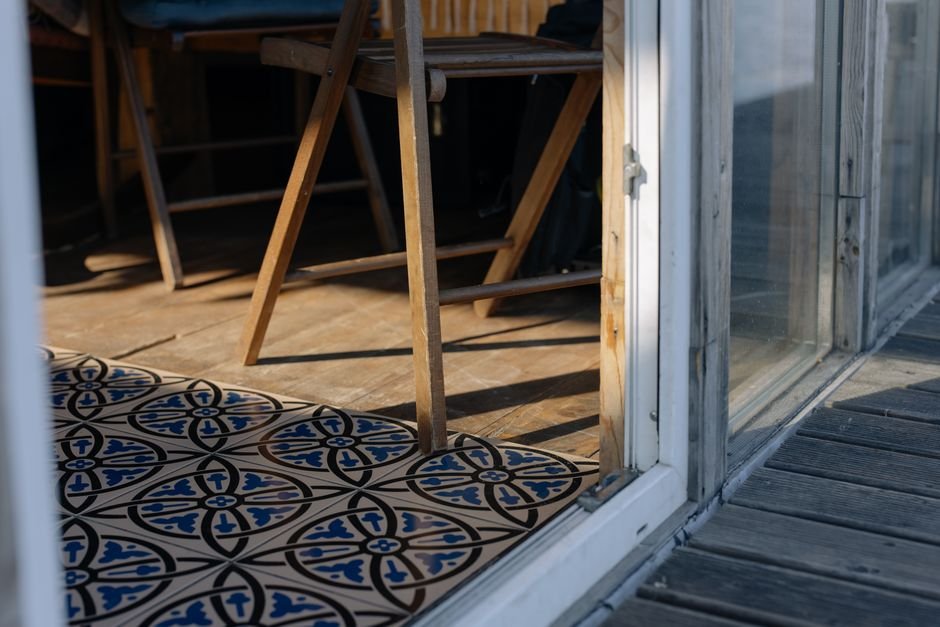
Floors are one of the most common uses for unglazed ceramic tile. Because there’s no slippery glaze surface, unglazed tiles often provide good grip underfoot, which is why they’re popular in kitchens, laundries, entryways, and commercial spaces.
Outdoor areas are another. Terracotta and dense unglazed tiles are widely used on patios, courtyards, and verandahs, where a natural, earthy look and slip resistance are valued. Frost resistance matters in cold climates, but in much of coastal Australia that’s less of a concern than sun and wet weather.
Wall applications exist too, especially where a rustic or textured look is wanted. Unglazed tiles can add warmth to feature walls, fireplaces, and garden structures.
Decorative and handmade tile work is where unglazed tile gets creative. Artists and potters make relief tiles, carved tiles, and textured panels that rely on the clay surface itself. Some combine unglazed areas with small glazed accents for contrast.
Unglazed bisque tiles also make wonderful test tiles and teaching tools in the studio. Many potters use them to test underglazes, slips, and surface textures before trying them on a full piece.
How Unglazed Tile Differs From Glazed Tile
The most obvious difference is the surface. Glazed tiles have a glassy coating that can be glossy, satin, or matte, and that coating can be almost any colour. Unglazed tiles show the clay itself, so colours are usually more natural and earthy.
Porosity is another key difference. Glaze seals the top of a tile, making it resistant to water and stains. Unglazed tiles vary. Dense porcelain tiles absorb very little water, while terracotta can be quite absorbent and may stain more easily without sealing.
Grip often favours unglazed tile. The slightly textured, matte surface tends to be less slippery when wet, which is why it’s popular for floors and outdoor areas. Some glazed tiles are made with grippy surfaces too, so it’s worth checking slip ratings when choosing.
Maintenance differs as well. Glazed tiles are usually easy to wipe clean. Unglazed tiles may need regular sealing, especially porous types, and can show wear differently over time. Many people love the way unglazed tiles age, developing a soft patina.
Durability depends on the specific tile. Because the colour runs through an unglazed tile, chips and wear are often less obvious than on a glazed tile, where a chip can expose a different coloured body underneath.
Making Handmade Tiles In The Studio
Handmade tiles start with slab rolling. Clay is rolled out to an even thickness, often using guides or a slab roller, so tiles are consistent. Thickness matters, because tiles that are too thin can warp, while very thick tiles take a long time to dry.
Next, tiles are cut to shape using a template, a tile cutter, or a knife. Many potters let slabs stiffen slightly first so the edges stay crisp. Texture can be pressed in with stamps, fabrics, or carved designs. Our guide to using ceramic stamps has ideas for surface texture.
Drying is the critical stage. Tiles are prone to warping and cracking if they dry unevenly, so potters often dry them slowly between boards or on mesh, sometimes flipping them regularly. Weighting them lightly can help keep them flat.
Firing follows. Handmade tiles are usually bisque fired, and they may be left unglazed or glazed in a second firing. For unglazed work, the final firing temperature determines how dense and durable the tile becomes. Our firing service can take handmade tiles through the kiln.
Many hand builders find tile making a lovely project because it combines simple forms with endless room for surface creativity. Our guide to the core hand building methods covers slab work in more detail.
What Competing Guides Leave Out About Unglazed Ceramic Tile
Most articles about unglazed ceramic tile focus on commercial products and installation. They rarely explain sealing clearly. Porous unglazed tiles, like terracotta, are often sealed after installation to reduce staining and water absorption. Denser porcelain tiles may need little or no sealing. The right approach depends on the tile, so it’s worth following manufacturer or installer advice.
They also skip how handmade tiles differ from factory tiles. Factory tiles are pressed or extruded with precise machinery and fired in controlled industrial kilns, so they’re very uniform. Handmade tiles vary slightly in size, thickness, colour, and flatness, which is part of their charm but means they need more careful layout.
Handmade tiles also behave differently in firing. They can warp, curl at the edges, or shrink slightly differently depending on where they sit in the kiln. Potters usually make extra tiles to allow for losses.
Finally, competing guides rarely mention that not all handmade tiles are suitable for floors or wet areas. Studio tiles fired at lower temperatures may be too porous or soft for heavy wear, so they’re often better suited to walls, splashbacks, or decorative panels.
Choosing Unglazed Tile For A Project
Unglazed tile makes sense when you want a natural, matte look and good grip, such as for floors, outdoor areas, or rustic feature walls. It’s especially appealing if you love the idea of the clay itself being visible.
Budget and time also play a part. Commercial unglazed tiles are usually more affordable for large areas, while handmade tiles take many hours to make and fire, so they often work best in smaller, more personal spaces where each tile can be appreciated up close.
It may be less suitable where heavy staining is likely and you don’t want to maintain a sealer, or where you need a very specific bright colour that only glaze can provide.
For handmade tiles, think about where they’ll go. Decorative panels and splashbacks are a great starting point, while floors and wet areas may need professional products or advice.
If you’d like to try making your own tiles, a hand building session is a great introduction. Our workshops and classes cover slab work, and members of our ceramic studio often make tile projects in their own time.
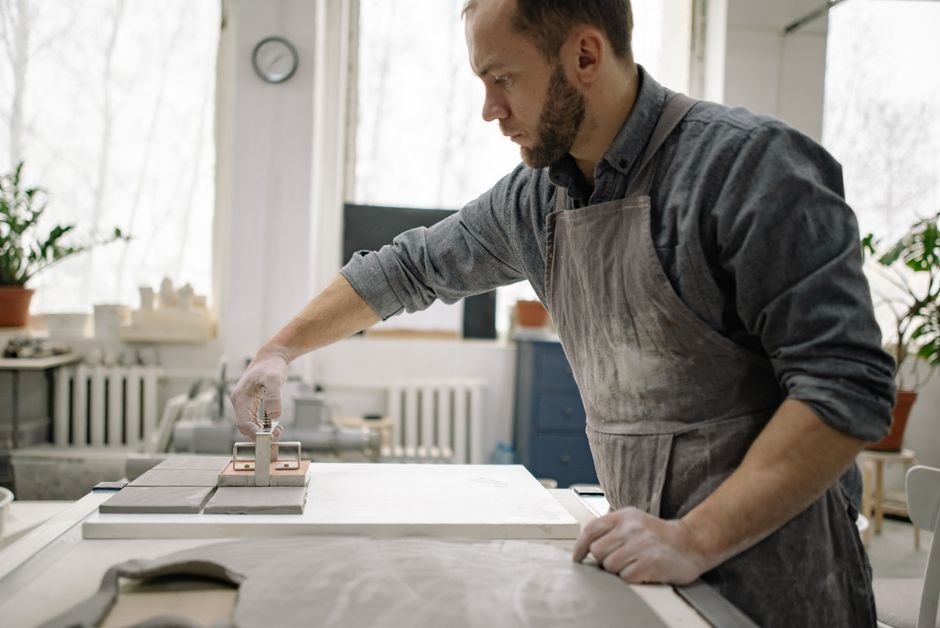
Fancy making your own handmade tiles? Roll, cut, texture, and fire a set of tiles in a hand building session at Le Studio Art Space in Mordialloc, with guidance on drying and firing.
Frequently Asked Questions
Does unglazed ceramic tile need to be sealed?
It depends on the tile. Porous types like terracotta are often sealed to reduce staining, while dense unglazed porcelain may need little or no sealing.
Is unglazed tile slippery when wet?
Unglazed tile is often less slippery than glossy glazed tile because of its matte, textured surface. Slip resistance still varies, so check product ratings for floors.
Can I use handmade tiles on a floor?
Some can, but many studio tiles are better for walls or decorative use. Floors need dense, well fired tiles that can handle wear and moisture.
Why do my handmade tiles keep warping?
Uneven drying is the most common cause. Drying slowly between boards, flipping tiles, and keeping thickness even all help reduce warping.
Can I make tiles at Le Studio Art Space?
Yes. Le Studio Art Space runs hand building sessions where you can learn slab techniques, and members can make tile projects and have them fired through the firing service.
This article is provided for general educational purposes by Le Studio Art Space. For tile installation, sealing, and slip resistance requirements, consult a qualified installer and manufacturer guidance.