Clay is made in nature when rocks rich in minerals like feldspar slowly break down through weathering over very long periods, forming tiny, flat clay particles. Commercial pottery clay is then dug, cleaned, blended with other clays and minerals to get specific properties, mixed with water, and run through a pug mill that removes air and packs it into bags for studios.
When you open a fresh bag of clay in the studio, it’s smooth, even, and ready to throw. It’s easy to forget that it began as rock, possibly millions of years old, and travelled a long way to reach your wheel. So how is clay made, and how does raw earth become the soft, workable material we use every day?
At Le Studio Art Space in Mordialloc, clay is the material at the centre of everything we do, from beginner classes to members’ studio work. This guide tells the surprisingly interesting story of where clay comes from, how it’s refined and blended, how it’s prepared for studios, and why knowing this makes you a better potter.
How Clay Forms In Nature
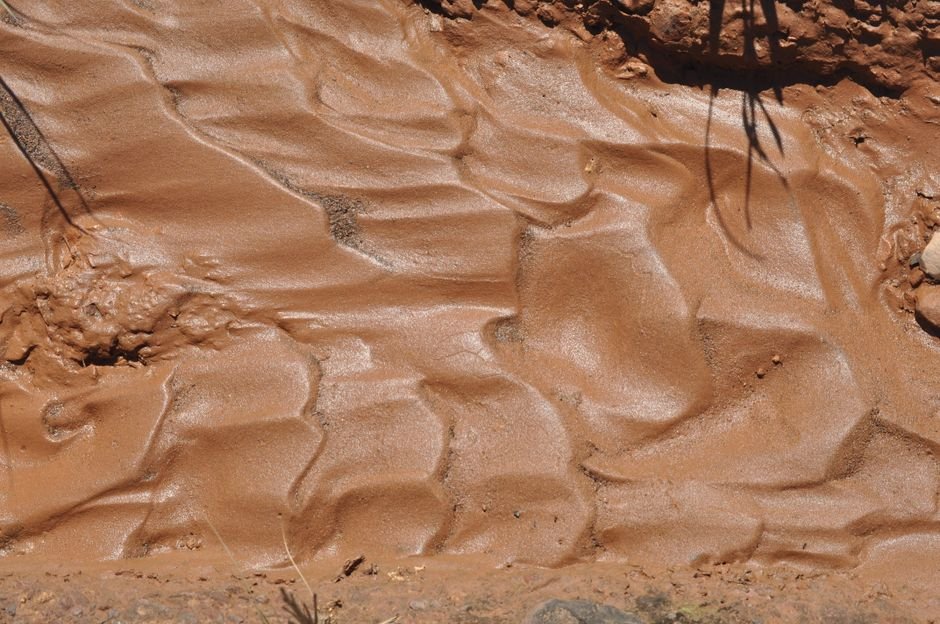
Clay begins as rock. Many clays form from the slow breakdown of feldspar rich rocks, such as granite. Over very long timescales, water, weather, and chemical reactions break these rocks down, a process called weathering.
During weathering, the minerals in the rock change. Feldspar, for example, can gradually transform into clay minerals like kaolinite. These minerals form incredibly tiny, flat particles, much smaller than grains of sand.
Those flat particles are what give clay its special qualities. When mixed with water, they slide over each other while still sticking together, which is why clay is plastic and can be shaped. When dried and fired, they lock together and fuse.
Geologists often describe clays as primary or secondary. Primary clays, like many kaolins, stay near the rock they formed from, so they tend to be purer and whiter but less plastic. Secondary clays have been carried by water, wind, or ice and deposited elsewhere, picking up other minerals along the way. They’re often finer, more plastic, and more coloured, like many ball clays and earthenware clays.
This natural variation is why clay deposits around the world differ so much, and why potters in different regions developed such different traditions.
From Raw Earth To Workable Clay
Commercial clay starts with mining or digging from known deposits. Suppliers test the raw material to understand its properties, such as plasticity, colour, and firing behaviour.
Raw clay usually contains impurities like stones, roots, sand, and organic matter. To clean it, clay is often mixed with water into a slurry, then sieved or screened to remove larger particles. Some processes let heavier particles settle out while the fine clay stays suspended.
The cleaned slurry is then dewatered. Traditionally, this might mean leaving it to dry in shallow beds. In modern production, filter presses squeeze water out to form firm clay cakes.
Some clays are dried completely and ground into powder. This powdered form is easier to store, transport, and weigh accurately when blending clay bodies or making glazes.
Not all studio clay goes through every step, and methods vary between suppliers. But the general journey from raw earth to refined material is similar for most commercial pottery clays.
Australia has its own clay story too. Local suppliers draw on deposits around the country, and many studio clays sold in Melbourne are made by Australian manufacturers who blend local and imported materials. That’s one reason clay bodies from different suppliers can feel and fire a little differently, even when they’re labelled for the same temperature range.
How Clay Bodies Are Mixed
Most studio clay isn’t a single natural clay. It’s a clay body, a recipe that combines several clays and minerals to achieve specific properties. That’s why you’ll see different bags labelled for throwing, hand building, or sculpture.
Common ingredients include ball clays for plasticity, kaolin for whiteness and high temperature strength, fire clays for structure, and fluxes like feldspar to help the body mature at a certain temperature. Silica is often added to help control shrinkage and fit with glazes.
Grog, which is crushed fired clay, or sand may be added for texture, strength, and better drying, especially in sculptural or large scale bodies. Our guide to what fire clay is used for explains one of these important ingredients.
Colourants such as iron oxide or commercial stains can be added to create red, brown, or coloured bodies. Recipes are carefully tested so the body fires reliably at its intended temperature, whether that’s low fire earthenware or mid or high fire stoneware.
The result is a material designed for a purpose. Our guide to pottery clay types explains the main bodies you’ll find in a studio.
Pugging And Packing Clay For Studios
Once a clay body is mixed with the right amount of water, it usually goes through a pug mill. A pug mill is a machine with rotating blades inside a barrel that mixes the clay thoroughly and pushes it out through a nozzle.
Many pug mills include a vacuum chamber. This de airs the clay, removing tiny air pockets that could cause problems when throwing or firing. De aired clay is smoother, denser, and more consistent to work with.
The clay comes out of the pug mill as a long, solid log. It’s cut into blocks, often around 10 or 12.5 kilograms, and sealed in plastic bags to keep it moist.
That’s the clay you buy from a supplier. Even so, many potters still wedge clay before using it, because moisture can vary within a bag, especially if it’s been stored a while. Our guide to what a wedge tool does explains why wedging still matters.
Some larger studios have their own pug mills, which they use to recycle and prepare clay on site.
Storage matters after packing. Bagged clay keeps best in a cool spot out of direct sun, with bags tightly sealed. Some potters find that clay stored for a while actually becomes more pleasant to throw, as moisture distributes evenly and the particles settle, though very old bags can dry out if the plastic is damaged.
What Competing Guides Leave Out About How Clay Is Made
Most explanations of how clay is made stop when the bag is sealed. What they rarely cover is what happens in a working studio afterwards, especially reclaiming clay. Scraps, trimmings, failed pots, and slurry from the wheel tray can all be turned back into usable clay, as long as they haven’t been fired.
The basic process involves letting scraps dry completely, soaking them in water until they slake down into a slurry, then drying that slurry on plaster bats or fabric until it reaches a workable consistency.
Reclaimed clay needs careful preparation. It can contain lumps, air, and uneven moisture, and sometimes bits of other clays or debris. Thorough wedging, or running it through a pug mill, is essential before using it for throwing.
Mixing clay bodies is a common reclaim problem. If different clays get mixed, the result may behave unpredictably in the kiln. Many studios keep separate reclaim buckets for different bodies to avoid this.
Competing guides also skip the environmental angle. Reclaiming reduces waste and makes the most of a natural material that took a very long time to form.
Why Knowing How Clay Is Made Helps You Work With Clay
Understanding how clay is made helps you make better choices. Knowing that clay bodies are recipes explains why one bag throws beautifully while another suits sculpture, and why you need to match clay to your kiln temperature.
It also helps with troubleshooting. If your clay is cracking, warping, or feeling too short, understanding its ingredients can point you toward the cause. Our guide to signs your clay body is wrong for your piece explores this further.
It deepens your respect for the material. Many potters find that knowing clay began as ancient rock makes them more thoughtful about waste and more patient with the process.
And it makes studio life more interesting. Our workshops and classes introduce different clay bodies, our ceramic studio gives members hands on access to studio clay, and our firing service completes the journey from rock to ceramic.
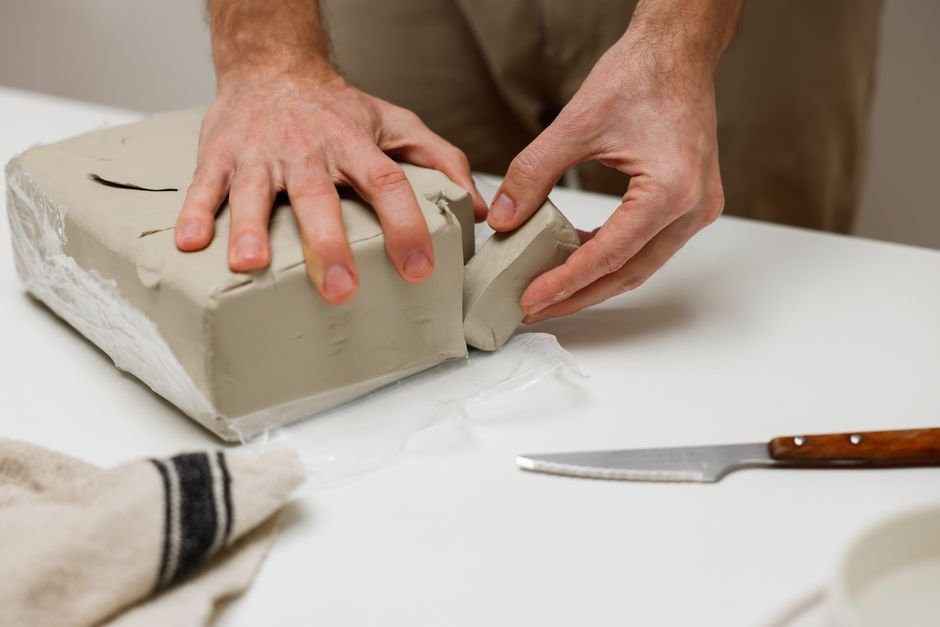
There’s nothing like feeling the material for yourself. Get your hands into studio clay at Le Studio Art Space in Mordialloc, and learn how different clay bodies throw, build, and fire.
Frequently Asked Questions
Is pottery clay just mud from the ground?
Not quite. Natural clay is dug from the ground, but most studio clay is cleaned, refined, and blended with other minerals to make a reliable clay body.
Can I dig my own clay and use it?
Some potters do, but wild clay needs cleaning, testing, and often blending. It can behave unpredictably in the kiln, so test small pieces first.
Why does bagged clay still need wedging?
Moisture can vary within a bag, and small air pockets can remain. Wedging evens out the clay and helps prevent problems on the wheel and in the kiln.
Can fired pottery be turned back into clay?
No. Firing permanently changes clay into ceramic. Only unfired clay, including greenware and scraps, can be reclaimed.
Does Le Studio Art Space reclaim clay?
Many studios, including Le Studio Art Space, encourage good reclaim habits to reduce waste. Ask the team how reclaim works for members.
This article is provided for general educational purposes by Le Studio Art Space. Clay processing methods and recipes vary between suppliers and studios.