Tooling clay is a dense, fine grained, non drying modelling material, usually oil or wax based, used to make prototypes, patterns, and mould making setups such as fillets, dams, and plugs. Unlike pottery clay, it isn’t designed to be fired, and it should never go in a ceramic kiln. For fired work, you need a proper ceramic clay body such as earthenware, stoneware, or porcelain.
If you’ve been browsing mould making suppliers or sculpture forums, you’ve probably seen tooling clay mentioned and wondered whether it’s something you should be using. The name is a bit confusing, because it sounds like a type of pottery clay. In reality, tooling clay is a completely different material with a different job.
At Le Studio Art Space in Mordialloc, we’re often asked about all the different things that get called clay, from air dry clay to polymer clay to the stoneware and porcelain in our studio. This guide explains what tooling clay is, how it differs from pottery clay, what it’s used for, how it relates to slip casting and moulds, and how to choose the right material for your goal.
What Tooling Clay Is
Tooling clay is a modelling material designed for precision work. Most tooling clays are oil based or wax based rather than water based, which means they don’t dry out and harden in the air the way pottery clay does. You can work them for days, weeks, or even longer.
They’re usually dense and fine grained, so they hold crisp edges and fine detail. Many are formulated to be firm at room temperature and softer when warmed, which lets you shape them easily and then carve or smooth them precisely once they cool.
Some tooling clays are sold as sulfur free. That matters in mould making, because sulfur in some modelling clays can interfere with certain silicone rubbers, particularly platinum cure silicones, and stop them curing properly. Sulfur free clays are formulated to avoid that problem.
You’ll find tooling clay sold under many names, including industrial modelling clay, plasticine style clays, and specific product lines from mould making and sculpture suppliers. Some are designed for automotive and industrial design models, while others suit figurative sculpture and special effects work.
The common thread is that tooling clay is about shaping and holding form, not about becoming a permanent ceramic object.
How Tooling Clay Differs From Pottery Clay
Pottery clay is a natural material made from clay minerals and water. As it dries, it hardens, and when it’s fired in a kiln, it undergoes a permanent chemical change and becomes ceramic. That’s what makes a mug or vase durable.
Tooling clay doesn’t work that way. Because it’s oil or wax based, it doesn’t dry or harden with time in the same way, and it doesn’t turn into ceramic in a kiln. Heat softens or melts it rather than hardening it.
Reusability is another difference. Pottery clay can be reclaimed while it’s unfired, but once fired it’s permanent. Many tooling clays can be reshaped and reused indefinitely, which makes them ideal for prototypes that go through many changes.
The feel is different too. Pottery clay is moist and responds to water, while tooling clay feels waxy or slightly greasy and is shaped with heat, pressure, and tools rather than water.
If you’re curious how pottery clay compares with other non fired options, our guide to air dry clay versus kiln fired clay covers another common point of confusion.
Cost and storage are different as well. Tooling clay is usually sold in small blocks and can be relatively expensive per kilogram, but because it doesn’t dry out, a single block can last a long time. Pottery clay is cheaper by weight but needs to be kept sealed and moist, and it’s used up once fired. Each suits a different kind of work.
Common Uses For Tooling Clay In Making And Design
Pattern making is one of the main uses. A pattern is an original model used to create a mould. Designers and makers sculpt the pattern in tooling clay, refine it, and then take a mould from it.
Mould making setups are another big use. Tooling clay is often used to build fillets, which are smooth curves between surfaces, parting walls or dams that divide a mould into sections, and plugs that block holes or undercuts. Its non drying nature makes it perfect for these temporary jobs.
Detailed models and prototypes are common too. Industrial designers, product designers, and car designers have long used firm modelling clays to shape full size or scaled models, because they can be carved and adjusted precisely.
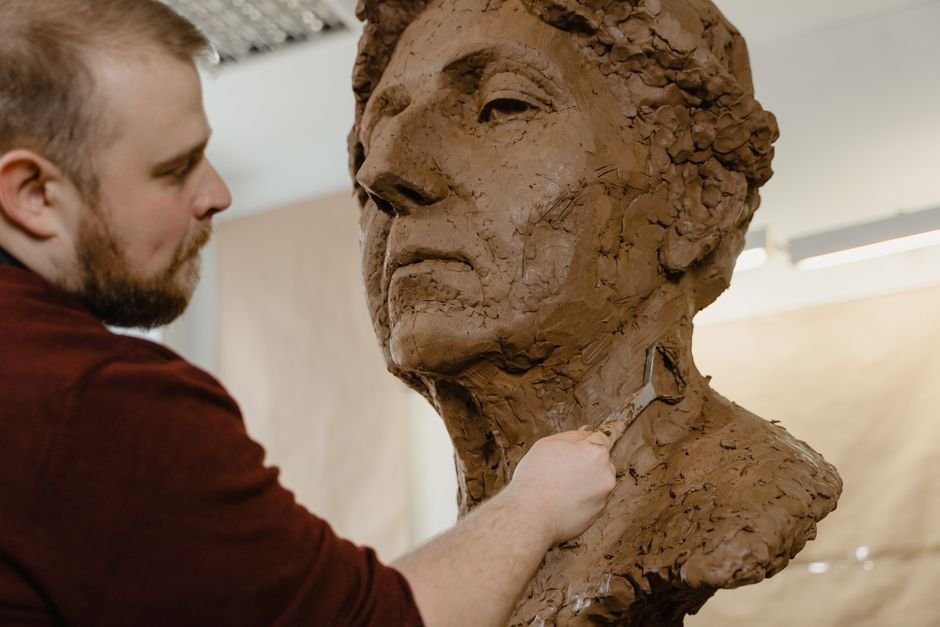
Sculptors and special effects artists use softer tooling clays to sculpt figures, faces, and props before moulding and casting them in other materials like resin, plaster, or silicone.
In all these cases, the tooling clay object is a step in a process, not the finished piece.
Where Tooling Clay Fits Alongside Slip Casting And Moulds
Tooling clay has a useful role in ceramics, but it’s behind the scenes. In slip casting, liquid clay is poured into a plaster mould, which absorbs water and forms a clay shell. To make that plaster mould, you first need a model.
That model can be made from many materials, including tooling clay. You sculpt or refine the shape, set it up with clay walls or dams, and pour plaster around it to create the mould. Our guide to making plaster molds for slip casting explains this process.
Tooling clay is also handy for blocking undercuts or creating parting lines when making multi part moulds. Its firmness and non drying quality let you set up a mould neatly and leave it in place while plaster sets.
Once the mould is made, the tooling clay is removed and can often be reused. The plaster mould then produces ceramic pieces from ordinary casting slip, which are dried and fired in a kiln like any other pottery. Our guide to how slip casting molds work covers the casting side.
So tooling clay can help you make ceramics, but it never becomes ceramic itself.
What Competing Guides Leave Out About Tooling Clay
Most articles about tooling clay are written for mould makers or industrial designers, and they rarely address the pottery confusion. The most important point is simple: tooling clay should never go in a pottery kiln.
Because it’s oil or wax based, tooling clay can melt, smoke, and burn when heated. In a kiln, that can produce fumes, smoke, and residue, and it could damage elements, shelves, or other people’s work. It won’t become a usable ceramic object.
This is especially important in a shared studio. If you’ve made something in tooling clay or another non ceramic modelling material, please don’t put it on the firing shelf. Studios and firing services need to know exactly what’s going into the kiln.
For fired work, use a proper ceramic clay body. Earthenware, stoneware, and porcelain are all designed to be fired. If you want a fired piece with fine detail, a smooth porcelain or fine stoneware might be a good choice. Our guide to choosing the right clay for sculpting helps match clay to sculptural work.
Choosing The Right Clay For Your Goal
If you want a permanent, fired object like a mug, bowl, tile, or ceramic sculpture, choose a ceramic clay body and plan to fire it in a kiln.
If you want to make a prototype, pattern, or model to take a mould from, tooling clay or another non drying modelling clay is often the right tool. It lets you refine shapes without worrying about drying or cracking.
If you want a quick decorative piece without a kiln, air dry or polymer clays may suit, although they have their own limits for durability and water resistance.
Sometimes the answer is both. A maker might sculpt an original in tooling clay, take a plaster mould from it, and then cast that form in porcelain slip to fire in the kiln. Seeing tooling clay as a design and mould making tool, and ceramic clay as the material for the finished piece, keeps things simple.
When in doubt, ask. Our ceramic studio team can help you choose the right clay for your project, our workshops and classes introduce different clay bodies, and our firing service handles the kiln for genuine ceramic work.
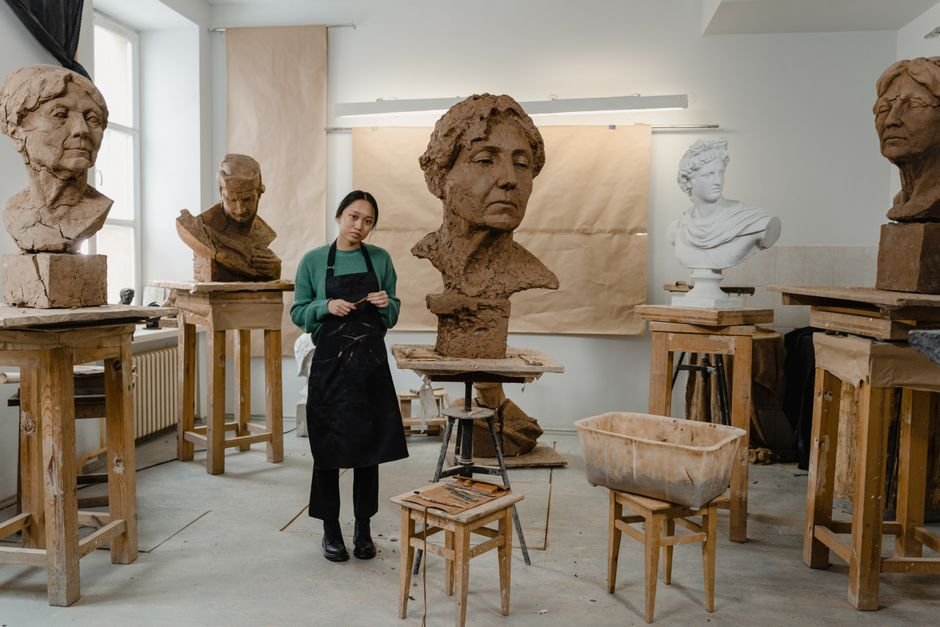
Not sure which clay your project needs? Ask the team at Le Studio Art Space’s ceramic studio in Mordialloc, and we’ll help you match the right material to what you want to make and fire.
Frequently Asked Questions
Can I fire tooling clay in a kiln?
No. Tooling clay is usually oil or wax based and will soften, smoke, or burn rather than becoming ceramic. It should never go in a pottery kiln.
Is tooling clay the same as plasticine?
They’re related. Many tooling clays are firm, professional grade oil based modelling clays, similar in principle to plasticine but formulated for precision and mould making.
What does sulfur free mean on tooling clay?
It means the clay is formulated without sulfur, which can stop some silicone rubbers from curing. Sulfur free clays are preferred when moulding with platinum cure silicone.
Can I use tooling clay to make a slip casting mould?
Yes, it can be used to make the model or set up the mould before pouring plaster. The finished plaster mould is then used with casting slip.
Does Le Studio Art Space sell or use tooling clay?
Le Studio Art Space focuses on ceramic clay bodies for fired work. The team can advise on which ceramic clay suits your project instead.
This article is provided for general educational purposes by Le Studio Art Space. Always follow the manufacturer’s guidance for modelling and mould making materials.