Cone 6 is a mid fire range, roughly around 1220 degrees Celsius, while cone 10 is a high fire range, roughly around 1285 degrees Celsius, depending on the heating rate. Both can produce strong, vitrified stoneware and porcelain. Cone 6 is popular with electric kilns and uses less energy, while cone 10 is traditionally linked with gas reduction firing and its classic glaze effects.
Once you’ve been making pottery for a while, you’ll notice clay bags and glaze jars labelled with cone numbers, and sooner or later you’ll face the question of cone 6 vs cone 10. They’re two of the most common firing ranges for stoneware and porcelain, and each has its own fans, traditions, and practical advantages.
At Le Studio Art Space in Mordialloc, we talk about firing ranges with members all the time, especially when they’re choosing clay and glazes for a new body of work. This guide explains what these cone numbers mean, how clay and glaze behave at each range, the kiln and energy differences, how finished work looks, and how to choose.
What Cone 6 And Cone 10 Mean
Cone numbers come from pyrometric cones, small slender pyramids made from ceramic materials that bend when they’ve absorbed a certain amount of heat work. Heat work combines temperature and time, which is why cones are more meaningful to potters than temperature alone.
Cone 6 sits in what’s called the mid fire range. On commonly published charts, cone 6 bends at roughly 1220 degrees Celsius at a typical heating rate of about 60 degrees per hour in the final stage. Cone 10 sits in the high fire range, at roughly 1285 degrees Celsius under similar conditions.
Those numbers vary with how fast the kiln heats. A slower final climb means a cone bends at a slightly lower temperature, and a faster climb means slightly higher. That’s why potters often talk in cones rather than degrees.
For context, low fire earthenware and bisque firings sit much lower, usually in the cone 06 to cone 04 range, around 1000 to 1060 degrees Celsius. Our guide to what cone numbers mean explains the whole system, including why the zero matters.
The gap between cone 6 and cone 10 might look small, about 60 degrees, but at these temperatures that’s a meaningful difference in how clay and glaze mature.
How Clay And Glaze Behave At Each Range
Both cone 6 and cone 10 clay bodies can become strong, dense, and vitrified, which means they absorb very little water. The key is that the clay is formulated for its range. A cone 10 stoneware fired to cone 6 is likely to be underfired, porous, and weaker.
Cone 10 bodies have traditionally relied on the higher temperature to melt and fuse. Cone 6 bodies use more flux to achieve similar vitrification at a lower temperature. Modern cone 6 stoneware and porcelain can be every bit as durable for everyday functional ware.
Glazes behave differently too. Cone 10 glazes are typically higher in silica and alumina and rely on intense heat to melt. Cone 6 glazes use stronger fluxes to melt at a lower temperature, which can affect surface quality, colour response, and how the glaze interacts with the clay.
Glaze fit is crucial at both ranges. A glaze needs to expand and contract at a similar rate to the clay, or it can craze or shiver. Our guide to how pottery glazes change in the kiln explains more about what happens as glazes melt.
Both ranges can produce excellent functional pottery when clay and glaze are well matched and properly fired.
Kiln Types And Energy Use
Most modern electric kilns can reach cone 6 comfortably, and many are rated to cone 10. However, firing an electric kiln to cone 10 regularly puts more strain on elements, which wear out faster. That’s one reason many electric kiln users choose cone 6.
Gas kilns are traditionally associated with cone 10. Fuel burning kilns can reach high temperatures readily and allow reduction firing, which is central to many classic high fire glaze effects.
Energy use is lower at cone 6. Reaching a lower top temperature and spending less time at the hottest part of the firing generally means less electricity or gas. Over many firings, that difference adds up.
Firing time is often shorter for cone 6 as well, although schedules vary with kiln size, load, and controller programs.
These practical factors are a big reason the mid fire range has grown so popular with home potters and community studios over recent decades.
Kiln furniture matters at both ranges as well. Shelves, posts, and kiln wash need to be rated for the temperatures you fire to, and shelves can sag over time with repeated high fire use. Good quality furniture, loaded sensibly, lasts longer and protects your work.
Look And Feel Of The Finished Work
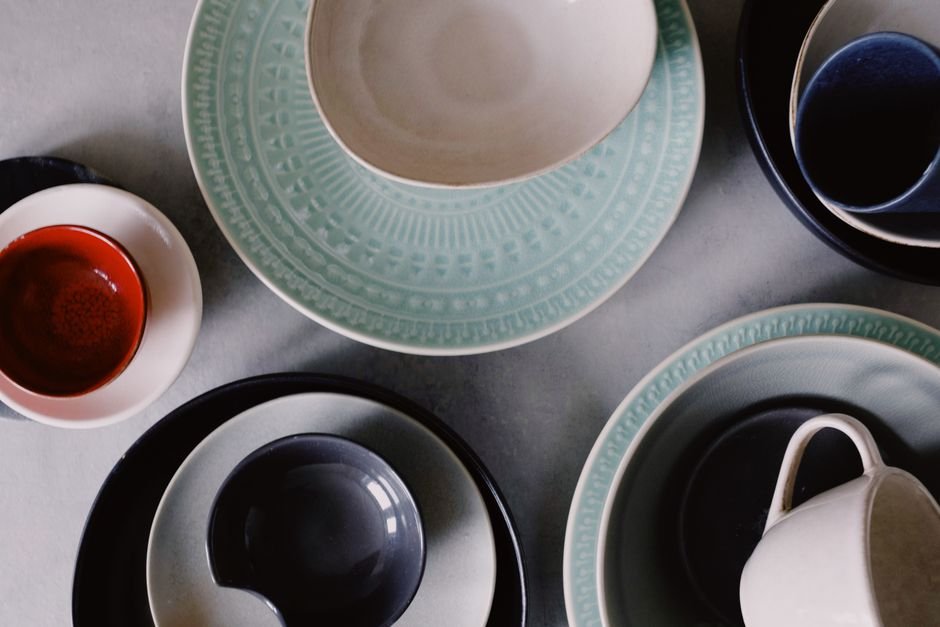
Cone 10 is traditionally linked with certain looks, especially in gas reduction. Think soft celadon greens and blues, rich tenmoku browns and blacks, copper reds, and speckled stoneware where iron in the clay bleeds through the glaze. Many potters love the depth and subtlety of these surfaces.
Cone 6 in an electric kiln has its own strengths. Colours tend to be brighter and more consistent, and there’s a huge range of commercial glazes formulated specifically for mid fire, from glossy brights to matte and satin finishes.
Some cone 6 glazes are designed to imitate reduction looks, and specialised firing schedules, like slow cooling, can produce more depth and variation.
The feel of the clay can differ too. High fire stoneware often has a dense, stony quality, while cone 6 bodies range from smooth porcelains to toasty speckled stonewares.
In the end, the look depends as much on the specific clay, glaze, kiln, and firing schedule as on the cone number itself.
What Competing Guides Leave Out On Cone 6 Vs Cone 10
Most comparisons of cone 6 vs cone 10 focus on temperature and tradition. They rarely explain why so many studios and hobbyists choose cone 6. The main reasons are practical: electric kilns handle it well, elements last longer, firings use less energy, and there’s a vast range of reliable commercial glazes.
Competing guides also understate the most important rule: clay and glaze must always match the firing range. A cone 6 glaze fired to cone 10 may run off the pot and damage kiln shelves. A cone 10 clay fired to cone 6 may stay porous. A low fire clay fired to cone 6 can slump, bloat, or melt.
That’s why studios are careful about what goes into each firing. Always check the cone rating on clay bags and glaze jars, and ask before putting new materials into a shared kiln. Our guide to signs your clay body is wrong for your piece covers some of the warning signs.
Finally, few guides mention that the decision isn’t permanent. Many potters work at one range for years and then switch, or work at both for different projects, as their interests develop.
Choosing A Firing Range
Start with your kiln access. If you’ll be using an electric kiln or a studio firing service, cone 6 is often the most practical choice. If you have access to a gas kiln and love reduction effects, cone 10 might be worth exploring.
Think about the surfaces you love. If you’re drawn to bright, consistent colours, cone 6 has plenty to offer. If celadons and tenmokus make your heart sing, high fire reduction may be the way to go.
Consider cost and sustainability. Lower firing temperatures generally use less energy, which matters for both your budget and the environment.
Think about materials availability too. In Australia, a wide range of mid fire clays and commercial glazes is readily available from local suppliers, which makes cone 6 an easy range to get started in. High fire materials are also available, but your choices may depend more on the kiln you have access to.
Most of all, ask. Our firing service team can tell you which ranges are available, members of our ceramic studio can learn which clays and glazes suit the studio kilns, and our workshops and classes cover firing basics in a friendly, practical way.
Not sure whether your clay and glazes suit cone 6 or cone 10? Ask which firing ranges are used through the firing service at Le Studio Art Space in Mordialloc before your next batch goes in.
Frequently Asked Questions
Is cone 10 pottery stronger than cone 6?
Not necessarily. Well formulated cone 6 stoneware and porcelain can be very strong and vitrified. Strength depends more on the clay being correctly matched and fired than on the range itself.
Can I fire cone 10 clay at cone 6?
It will usually be underfired, staying more porous and weaker than intended. It’s best to use clay rated for the cone you’ll fire to.
Can I use cone 6 glaze at cone 10?
It’s risky. Many cone 6 glazes will overfire, run, and possibly damage kiln shelves at cone 10. Always match glazes to the firing range.
Why do most home potters fire to cone 6?
Cone 6 suits electric kilns, uses less energy, is easier on elements, and has a wide choice of commercial glazes. Those practical benefits make it popular.
Which cone does Le Studio Art Space fire to?
The firing ranges available can vary by kiln and firing type. Ask the team at Le Studio Art Space before choosing clay and glaze so everything matches.
This article is provided for general educational purposes by Le Studio Art Space. Cone temperatures are approximate and depend on heating rate. Always follow the manufacturer’s firing recommendations for clay and glaze.