Most beginners need several months of regular practice before wheel throwing starts to feel genuinely comfortable, with basic centering often clicking within the first few sessions and real consistency developing over roughly six months to a year of ongoing practice. Progress depends heavily on how often you actually get on the wheel.
Nearly every new student at Le Studio Art Space asks some version of the same question after their first wobbly attempt at centering clay, how long is this actually going to take. It’s a completely fair question, and the honest answer involves more nuance than a single number, since progress genuinely depends on practice frequency, natural coordination, and even the specific goals you’re working toward.
Understanding what realistic progress actually looks like helps set the right expectations from the very start, rather than getting discouraged by a rough first few sessions that are, honestly, completely normal for everyone.
Why Everyone’s First Attempts Look Rough
Wheel throwing involves a genuinely unusual combination of physical coordination, since you’re using both hands differently while simultaneously managing pressure, speed, and water, all while the clay itself is spinning rapidly beneath you.
Centering, the very first skill taught, is deceptively difficult precisely because it relies on a feel that’s almost impossible to explain in words alone, which is exactly why it usually takes hands-on repetition rather than verbal instruction to actually click.
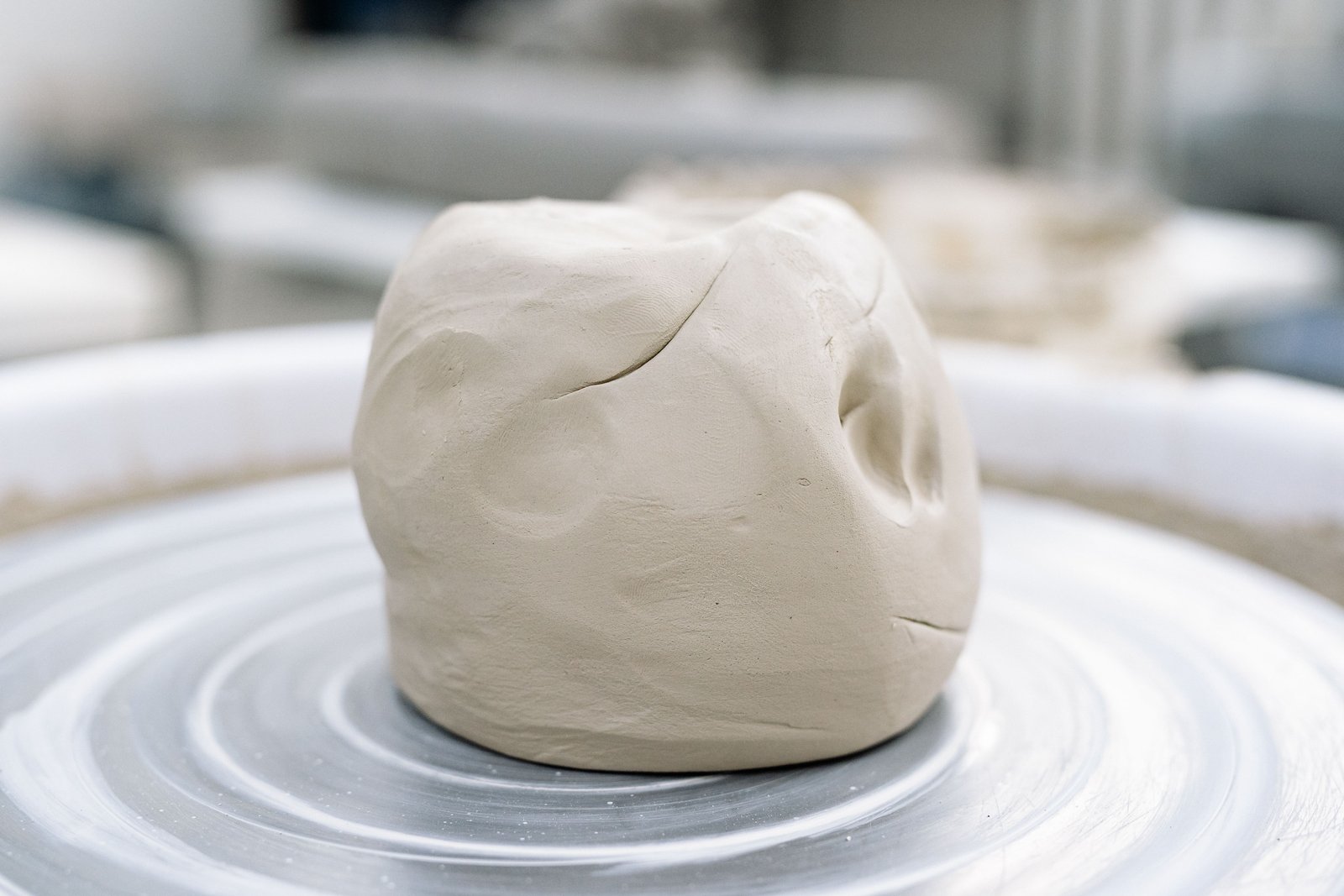
It’s genuinely common, almost universal, for a first attempt to result in an off-centre, wobbly, or collapsed lump of clay, and this isn’t a sign of poor aptitude, it’s simply what learning a genuinely new physical skill looks like at the very start. Even people with strong hand skills in other areas, like drawing or woodworking, often find their first attempt at the wheel humbling in exactly the same way.
Instructors at Le Studio Art Space see this same rough first attempt from nearly every new student, which is part of why it’s treated as a completely normal, expected part of the process rather than something to feel discouraged about. Many instructors even keep their own early attempts to show students just how universal this rough starting point genuinely is.
What Progress Typically Looks Like Over The First Few Months
Centering consistently, meaning reliably getting clay centred without repeated attempts, is often the first real milestone, and most students with regular practice start to feel this clicking somewhere within their first several sessions.
After centering feels more reliable, basic forms like simple cylinders and bowls typically come next, though walls often stay thicker and less even than a student would like during this stage, which is completely normal.
Around the two to three month mark with regular practice, many students start producing recognisably even, intentional forms, even if fine details like consistent rim thickness or taller forms still feel genuinely challenging. This stage is often when students start to feel a real sense of ownership over their pieces rather than treating each attempt as purely practice.
By around six months of consistent practice, most students report feeling noticeably more confident and consistent, though continuing to refine technique and attempt more ambitious forms remains an ongoing part of the craft well beyond this point. Taller, narrower forms in particular tend to remain a genuine challenge well past this stage for most learners.
Factors That Affect How Quickly You Improve
Practice frequency is genuinely the single biggest factor in how quickly wheel throwing skill develops, since the physical, hands-on nature of the skill means it builds through repetition far more than through watching or reading about technique.
Class structure matters too, since consistent, focused instruction with genuine hands-on correction tends to accelerate progress compared to occasional, unstructured practice without any feedback on what’s actually going wrong. A quick correction from an instructor at the right moment can save weeks of practising the same subtle mistake unknowingly.
Natural hand coordination varies between individuals, and while it can affect how quickly early centering clicks, it genuinely evens out over time as consistent practice becomes the dominant factor rather than any innate advantage.
Confidence and a willingness to keep trying despite early frustration also plays a real role, since students who push through the rough early stage generally progress faster than those who get discouraged and practice less consistently as a result. A supportive instructor and a low-pressure class environment can genuinely make a measurable difference here too.
When Most Potters Start To Feel Genuinely Comfortable
Feeling genuinely comfortable at the wheel, meaning trusting your hands rather than consciously thinking through every step, typically develops somewhere between six months and a year of regular, consistent practice for most students.
This timeline varies considerably though, and some students report feeling reasonably confident within a few months of frequent practice, while others take longer, particularly if their practice has been more occasional or spread out. There’s genuinely no fixed schedule everyone follows, and that variation is completely normal.
It’s worth noting that comfort doesn’t mean mastery. Even experienced potters continue refining technique and tackling new challenges indefinitely, since wheel throwing genuinely offers room for growth at every skill level, no matter how many years someone has been practising.
The goal shouldn’t be reaching some fixed endpoint of being finished learning, but rather reaching a level of comfort where the process itself starts to feel enjoyable and intuitive rather than frustrating and effortful. Most experienced potters would say that shift in feeling matters more than any specific technical milestone.
What Competing Guides Leave Out
A gap many general guides skip is how much regular studio access genuinely speeds up progress compared to occasional classes, since the muscle memory involved in wheel throwing benefits enormously from short, frequent practice sessions rather than infrequent, longer ones.
Plateaus are another normal part of the process rarely addressed honestly. It’s genuinely common to feel like you’ve stopped improving for a stretch of time, even while practicing regularly, before a noticeable jump in skill happens somewhat suddenly afterward.
It’s also worth mentioning that specific goals affect timelines considerably, since learning to make simple, functional bowls takes less time than developing the skill for taller, more technically demanding forms like vases or narrow-necked pieces.
Comparing your own progress to other students, especially on social media, is worth approaching cautiously, since everyone’s practice frequency, natural coordination, and specific goals genuinely differ enough to make direct comparisons unhelpful and often discouraging. Highlight reels online rarely show the many rough attempts that came before the polished final piece.
Staying Motivated While You Are Still Learning
Setting small, achievable goals rather than fixating on an ambitious end result helps maintain motivation during the inevitably frustrating early stages of learning wheel throwing.
Celebrating small wins, like a cleanly centred piece of clay or a wall that’s noticeably more even than your last attempt, genuinely helps sustain motivation during a learning process that can otherwise feel slow.
Connecting with other learners at a shared studio, comparing notes and encouragement rather than direct comparison of skill level, provides genuine emotional support during an often frustrating early learning curve.
Remembering that every experienced potter went through this exact same rough beginning stage, including the instructors teaching your class, can genuinely help normalise the frustration and make it feel like a shared, temporary experience rather than a personal shortcoming. It’s a stage everyone passes through, not a sign you’re somehow behind where you should be.
Keep building your wheel throwing skills with regular sessions. Join a class at Le Studio Art Space in Mordialloc and practice at your own pace.
Frequently Asked Questions
Is it normal to feel like I’m terrible at this after my first few classes?
Completely normal. Nearly every beginner finds their first attempts at centering and throwing genuinely rough, and this isn’t a sign of poor aptitude, just the normal early stage of learning a new physical skill.
Do I need to practice at home to actually improve?
Regular practice genuinely accelerates progress, though home access to a wheel isn’t essential. Attending studio sessions consistently, like those offered at Le Studio Art Space, matters more than where the practice happens.
Why did I suddenly stop improving after a few months?
Plateaus are a genuinely normal part of the learning process for wheel throwing. Many students find a noticeable jump in skill happens after a period that felt stagnant, so it’s worth pushing through rather than getting discouraged.
Will I ever stop feeling like I need to think through every step?
Yes, generally, though the timeline varies. Most students report the process starting to feel more intuitive and automatic somewhere between six months and a year of consistent practice.
Should I compare my progress to other students in my class?
It’s better to avoid direct comparison, since everyone’s practice frequency and natural coordination genuinely differ. Focusing on your own progress over time is a more encouraging, accurate way to track improvement.
This article is provided for general educational purposes by Le Studio Art Space and reflects general observations about skill development. Individual progress varies considerably.