Handmade ceramics fit current interior design trends because they bring texture, warmth, and individuality to rooms that can otherwise feel flat or mass produced. Vases, bowls, and sculptural pieces work well on shelves, tables, and mantels, especially when grouped thoughtfully. Choosing glazes that suit your space, mixing pieces with what you already own, and buying from local makers help ceramics feel personal rather than trend driven.
Scroll through any interiors magazine or styled home feed and you’ll spot them: a speckled vase on a sideboard, a stack of uneven bowls on open shelving, a sculptural form on a coffee table. Handmade pottery has become a staple of ceramics interior design trends, and it’s not hard to see why. Clay adds something to a room that flat pack furniture and printed homewares often can’t.
At Le Studio Art Space in Mordialloc, our gallery regularly shows work by local makers, and visitors often ask how to use a piece once they get it home. This guide is the advice we’d give you standing in front of the shelves: why handmade ceramics work so well, how to place them, how to choose colours, and how to start a small collection that feels like yours.
Why Handmade Ceramics Suit Current Interiors
Many modern homes lean on smooth, uniform surfaces: painted walls, engineered stone, glass, and factory finished furniture. Handmade ceramics bring texture back. A visible throwing line, a speckled clay body, or a glaze that pools in the curves of a bowl gives the eye something to rest on.
They also bring warmth. Earthy clay tones, soft matte glazes, and natural irregularities connect a room to the physical world in a way that plastic or printed decor rarely does. Many people describe handmade pieces as making a space feel lived in and calm.
Individuality is another reason. No two handmade pieces are exactly alike, so a thrown vase or hand built bowl gives your home a quality that can’t be bought in bulk. It also carries a story about who made it and where.
There’s a broader cultural shift behind this too. As people grow more interested in sustainability, local makers, and objects that last, handmade ceramics feel like a considered choice. Our article on why handmade ceramics are having a moment explores that shift in more depth.
Vases, Bowls, And Sculptural Pieces In A Room
Different forms do different jobs. Vases add height and can hold stems or branches, but many look just as good empty. A tall vase works well on a floor beside a sofa, on a sideboard, or at the end of a dining table, while smaller bud vases suit windowsills and bedside tables.
Bowls are versatile. A large shallow bowl on a coffee table or kitchen bench can hold fruit, keys, or nothing at all. Smaller bowls work on bathroom shelves or dressing tables for jewellery and trinkets, adding a handmade touch to practical spaces.
Sculptural pieces act more like art. A single abstract form on a mantel, plinth, or bookshelf can become a focal point, especially with good light. If you’re drawn to these, our guide to abstract ceramic art explains how to look at and choose them.
Grouping is often more effective than spreading pieces out. Odd numbers, like three or five pieces of varying height clustered together, tend to feel balanced. Mixing a tall vase, a medium bowl, and a small object creates a little landscape that draws people in.
Light changes everything with ceramics. A glaze that looks flat in shadow can glow beside a window, and textured surfaces really come alive when light rakes across them from the side. Before settling on a spot, try a piece in a few places at different times of day. Many people are surprised how much a simple move from a dark corner to a sunny shelf changes the way a piece feels.
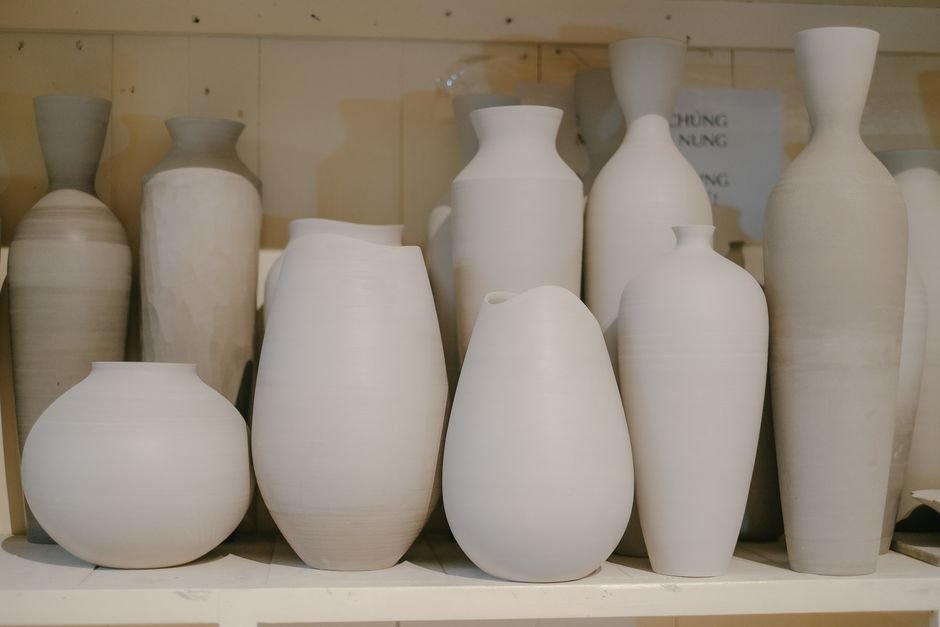
Colour, Glaze, And Finish Choices For Ceramics In Interior Design
Glaze colour can make or break how a piece sits in a room. Neutral tones like oatmeal, white, grey, and natural clay are easy to place and work in most interiors. Deeper colours, like rich blues, greens, or rust, can add a strong accent against pale walls or timber.
Finish matters just as much. Glossy glazes reflect light and feel crisp and lively, while matte and satin finishes feel softer and more organic. Our guide to glossy, matte, and satin glaze finishes explains how each one behaves.
A good rule is to look at what’s already in your room. Pick up a colour from a cushion, rug, artwork, or timber floor, and choose a glaze that echoes or gently contrasts with it. That connection makes a new piece feel like it belongs.
Try not to chase fads too hard. Specific colours go in and out of fashion, but a piece you genuinely love will keep working long after a trend passes. Choosing what you respond to, rather than what’s popular this season, usually leads to a home that feels more personal.
Mixing Handmade Pieces With What You Already Own
You don’t need a full redesign to bring ceramics into your home. One or two well chosen handmade pieces can lift a room filled with everyday furniture. Often the contrast between something mass produced and something handmade is what makes the ceramic stand out.
Start with a spot you see every day, like a kitchen bench, entry table, or bookshelf. Swap out one object for a handmade piece and see how it changes the feel. Small changes like this are easy to live with and adjust.
Mix materials for interest. Ceramics look lovely beside timber, linen, books, plants, and metal. A stoneware vase on a timber shelf next to a stack of books feels relaxed and layered.
Don’t be afraid to use your pieces. A handmade bowl on the dining table or a mug you use every morning becomes part of daily life, which is what many makers hope for. If you’re curious how handmade work differs from factory ware, our guide to stoneware, porcelain, and earthenware explains the clay types you’ll see.
What Competing Guides Leave Out About Ceramics Interior Design Trends
Most articles on ceramics interior design trends focus on styling photos and colour palettes. They rarely talk about caring for pieces in daily use. Many handmade ceramics are durable, but they can chip if knocked, and some decorative pieces aren’t designed to hold water or food.
It’s worth asking the maker whether a vase is watertight and whether a bowl is food safe. Unglazed interiors can absorb water, so some vases need a liner or a glass insert for fresh flowers. Wiping pieces with a soft damp cloth is usually enough to keep them looking good.
Another gap is where to buy. Big retailers sell ceramic style homewares, but buying directly from local makers, studio galleries, and markets gives you genuinely handmade work, a chance to meet the artist, and the satisfaction of supporting your local creative community.
Finally, few guides mention scale. A piece that looks large in a photo may be small in person, and vice versa. Seeing work in a gallery and holding it in your hands helps you choose pieces that really suit your space.
Starting A Collection Of Handmade Ceramics
Begin with one piece you genuinely love. It might be a vase, a bowl, or a small sculpture. Living with it for a while helps you understand what draws you to certain colours, textures, and forms.
Then add slowly. Many collectors build around a theme, like a particular glaze colour, clay body, or local makers, while others simply follow what catches their eye. There’s no wrong way, as long as each piece means something to you.
Visiting exhibitions is one of the best ways to discover new makers. Seeing a range of work in person helps you refine your taste and often leads to conversations that make each piece more meaningful.
And if you’d like to understand ceramics from the inside, try making some yourself. Our workshops and classes are a great introduction, our ceramic studio welcomes members who want to keep going, and our firing service takes care of the kiln. Many people find their collection means even more once they’ve felt clay in their own hands.
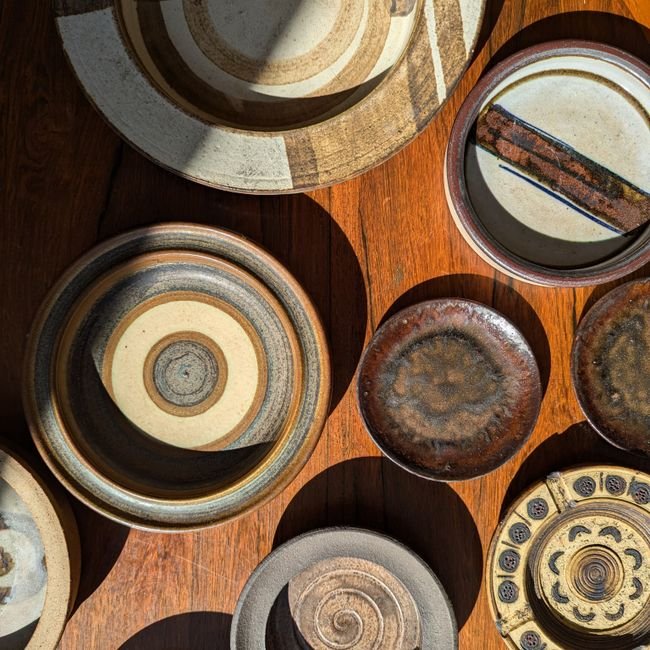
Looking for a handmade piece to bring warmth to your home? Browse work by local makers in the gallery at Le Studio Art Space in Mordialloc, and find a vase, bowl, or sculpture that feels right for your space.
Frequently Asked Questions
Are handmade ceramics just a passing trend?
Specific colours and styles come and go, but people have decorated homes with ceramics for thousands of years. Choosing pieces you love helps them outlast any trend.
Can I put fresh flowers in any handmade vase?
Not always. Some vases are fully glazed inside and watertight, while others aren’t. Ask the maker, or use a glass liner to be safe.
How many ceramic pieces should I display together?
Many stylists find odd numbers, like three or five, look balanced. Vary the heights and shapes so the group feels relaxed rather than lined up.
Are handmade ceramics more expensive than shop bought homewares?
Often they are, because each piece takes time, materials, and firing. Many people find the quality and individuality worth it, and smaller pieces can be quite affordable.
Where can I buy handmade ceramics in Melbourne’s bayside?
Local markets, makers’ studios, and studio galleries are great places to look. Le Studio Art Space in Mordialloc shows work by local makers in its gallery, including pop up shows.
This article is provided for general educational purposes by Le Studio Art Space. Always check with the maker about the care and suitable use of individual pieces.