Glossy, matte, and satin are the three broad glaze finish categories potters choose between, based mainly on how much silica melts fully smooth versus how much stays textured on the surface. Glossy is highly reflective, matte is soft and non-reflective, and satin sits in between, with each suiting different pieces and different practical needs.
Standing in front of a shelf of test tiles trying to decide glossy vs matte vs satin glaze for a piece you’ve been working on for weeks is a genuinely common moment in any studio. Here at Le Studio Art Space, it’s one of the more frequent questions that comes up during a glazing session, so here’s an honest, practical breakdown to help you choose with a bit more confidence.
What Makes A Glaze Glossy
A glossy glaze melts fully smooth in the kiln, forming a genuine glass layer over the clay surface that reflects light strongly. That high reflectivity is what gives glossy glazes their characteristic shine, and it’s usually the result of a recipe with enough silica and flux relative to alumina to melt without any leftover surface texture.
Glossy finishes tend to show colour with real depth and saturation, since light passes into and reflects back out of the glass layer rather than scattering off a textured surface. That’s part of why so many of the richest, most vivid glaze colours on a supplier’s shelf are glossy rather than matte.
Glossy glazes are also the traditional choice for most functional ware, largely because a smooth, fully melted surface is easier to clean and less prone to holding onto residue than a textured one. If you’ve ever wondered why so many everyday mugs and plates default to a glossy finish, that practical durability is a big part of the reason.
There’s also a durability angle worth mentioning. A fully melted glossy surface tends to resist scratching and crazing slightly better than a softer matte finish over time, since the glass layer itself is more complete. That’s part of why glossy remains such a common default for pieces that will see years of regular handling, like everyday dinnerware.
What Makes A Glaze Matte
Matte glazes are formulated to stop short of melting completely smooth, either through a lower proportion of silica relative to alumina, or through matting agents added specifically to interrupt full glass formation. The result is a surface with a soft, non-reflective texture, sometimes described as having a slight tooth or grip to the touch.
That textural quality is exactly what draws a lot of potters to matte finishes for decorative and sculptural work. A matte surface tends to emphasise form and shadow over shine, which suits pieces where you want the eye drawn to shape and texture rather than a reflective surface competing for attention.
Matte glazes aren’t a lesser or unfinished version of glossy ones, despite sometimes looking that way to a beginner comparing test tiles side by side. They’re a deliberately different formulation, chosen for a genuinely different visual and tactile result.
Matte finishes also tend to sit more quietly alongside natural materials in a home, which is part of why they’ve become such a popular choice for contemporary decorative pieces. A matte vase or planter often reads as more understated and organic than the same shape in a glossy finish, even when the underlying form is identical.
Where Satin Sits Between The Two
Satin finishes occupy a middle ground, with just enough melt to soften the fully matte texture without reaching full glossy reflectivity. The result is a subtle sheen, sometimes described as a soft glow rather than a shine, that reads as somewhere between the two extremes depending on the angle and lighting.
Many potters find satin genuinely versatile precisely because of that middle position. It offers a bit of the depth and richness a glossy glaze provides, while keeping some of the tactile softness matte finishes are known for, which makes it a natural fit for pieces where you want both qualities without fully committing to either extreme.
Satin glazes can be trickier to formulate consistently than a full glossy or full matte, since they rely on hitting a fairly narrow melt range rather than either extreme. That’s worth knowing if a satin glaze in your studio behaves a little differently from firing to firing.
Application thickness has an outsized effect on satin glazes too, sometimes pushing the same recipe noticeably closer to glossy in a thick spot and closer to matte in a thin one. That sensitivity is part of what makes satin such a genuinely flexible finish once you’ve learned how a particular glaze responds on your own pieces.

How Each Finish Performs On Functional Ware
Practicality matters as much as looks for anything meant for daily use, like mugs and plates. Glossy finishes generally clean up the easiest, since a fully melted, smooth glass surface resists staining and doesn’t trap food residue the way a more textured surface can.
Matte finishes can perform well on functional ware too, but they’re worth a bit more care in food-contact areas, since a rougher surface texture has more microscopic tooth for residue to cling to over repeated washing. Many studios still use matte glazes on functional pieces successfully, it just tends to reward a properly food-safe recipe and thorough washing rather than being avoided altogether.
Satin finishes generally split the difference here as well, offering easier cleaning than a full matte while keeping a bit more tactile interest than a full gloss. For a first functional piece, especially a mug that will see daily use, many studios lean toward recommending glossy or satin over full matte simply for the easier day-to-day upkeep.
What Competing Guides Leave Out
Most explainers on glaze finishes talk about glossy, matte, and satin as if they’re purely a colour and recipe choice, without mentioning how much application thickness changes the outcome. In our experience at Le Studio Art Space’s Ceramic Studio, the exact same glaze can read noticeably glossier where applied thickly and slightly more matte or satin where the coat thins out over an edge or texture, which surprises a lot of members the first time they notice it on their own piece.
Cleaning differences between finishes are another gap that rarely gets an honest mention. A textured matte mug genuinely needs a bit more attention when washing, especially if it’s been used for something like tea or coffee that can stain a porous-feeling surface, compared to a glossy piece that wipes clean easily.
Combining finishes on a single piece is a third area worth exploring that most guides skip entirely. Using a glossy glaze on the interior of a functional mug, where easy cleaning matters most, and a matte or satin glaze on the exterior, where texture and tactile interest matter more, is a genuinely practical approach many working potters use without it being flagged as an option in most beginner guides.
Choosing A Finish Based On The Piece You Are Making
For everyday functional ware, especially anything that will be washed often, glossy or satin generally makes practical sense as a starting point, with matte reserved for pieces where you’re comfortable with the slightly higher care it can call for.
For decorative and sculptural work, where form and texture matter more than ease of cleaning, matte finishes genuinely shine, emphasising shape and shadow in a way glossy surfaces don’t. Satin remains a solid middle-ground choice here too, if you want some of that textural quality without going fully matte.
Ultimately, the most reliable way to choose is to see and touch actual fired test tiles of each finish before committing a piece you’ve put real time into. Photos and screens genuinely don’t capture the tactile and light-reflecting differences between the three anywhere near as clearly as holding a real fired tile does.
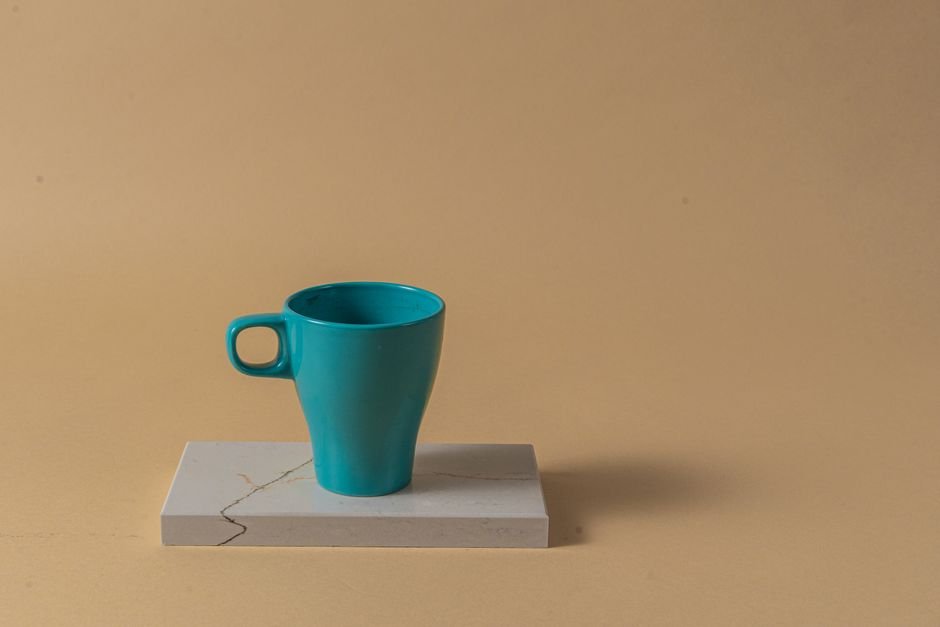
The easiest way to choose between glossy, matte, and satin is to see and touch real fired samples. Come compare finishes in person at Le Studio Art Space’s ceramic studio in Mordialloc.
Frequently Asked Questions
Is matte glaze actually safe for a mug I’ll drink from every day?
Yes, as long as it’s a properly formulated food-safe glaze applied and fired correctly. It just tends to need a bit more thorough washing than a glossy finish, since the slightly textured surface has more tooth for residue to cling to.
Why does the same glaze look glossier in some spots than others on my piece?
Application thickness is usually the reason. Thicker areas of glaze tend to read glossier, while thinner areas over edges or texture can look more matte or satin, even though it’s the same glaze throughout.
Is satin glaze harder to get consistent results with than glossy or matte?
It can be, since satin relies on hitting a fairly narrow melt range between the two extremes. Most studios report that satin glazes reward a bit more attention to even application than a full gloss or full matte.
Can I use different finishes on the inside and outside of the same mug?
Yes, and it’s a genuinely practical approach many potters use, glossy on the interior for easy cleaning and matte or satin on the exterior for tactile interest. It’s worth testing the combination on a small piece first.
Which finish is best for a first functional piece as a beginner?
Glossy or satin are generally the more forgiving starting points for functional ware, mainly because of easier cleaning. In our experience, matte is worth trying once you’re comfortable with a bit more day-to-day care.
This article is provided for general educational purposes by Le Studio Art Space and reflects publicly available product information and common studio practice.