Ceramics matter in art history because fired clay is one of the oldest and most durable art materials people have ever used, surviving for tens of thousands of years where wood, cloth, and paint have long since vanished. Pottery records how people cooked, traded, worshipped, and decorated their lives. Over time, ceramics have moved between craft and fine art, and today clay is a major presence in contemporary galleries.
It’s easy to think of ceramics as everyday things: the mug you reach for in the morning, the plate on the dinner table, the tiles in the bathroom. But step back and look at the long view, and the story of ceramics in art history turns out to be one of the richest stories in human culture.
At Le Studio Art Space in Mordialloc, we see that story continue every day, in our studio where people throw and build, in our kilns, and in the exhibitions on our gallery walls. This guide connects the clay in your hands to the bigger picture, and explains why this humble material has held such a lasting place in art.
Clay As One Of Humanity’s Oldest Art Materials
Fired clay is among the oldest art materials we know of. The Venus of Dolni Vestonice, a small fired clay figure found in what is now the Czech Republic, is commonly dated to around 26,000 years ago. Some of the earliest known pottery vessels, found in Xianrendong Cave in China, have been dated to roughly 20,000 years ago.
The reason so much of this survives comes down to firing. When clay is heated in a kiln or fire, it changes chemically and becomes ceramic, a hard material that doesn’t rot, rust, or dissolve the way wood, textiles, or many pigments do. Broken pottery, called sherds, can last almost indefinitely in the ground.
That durability means ceramics are often the most complete record we have of early societies. Paintings fade and buildings fall, but pots, figurines, and tiles remain. Archaeologists frequently date and identify sites by the pottery styles they find there.
Clay was also widely available. Almost every region on earth has some kind of clay, so people in very different places developed their own traditions independently. If you’d like more on early techniques, our guide to how pottery was made in ancient times explores the methods behind those first pots.
Ceramics As A Record Of Daily Life And Belief
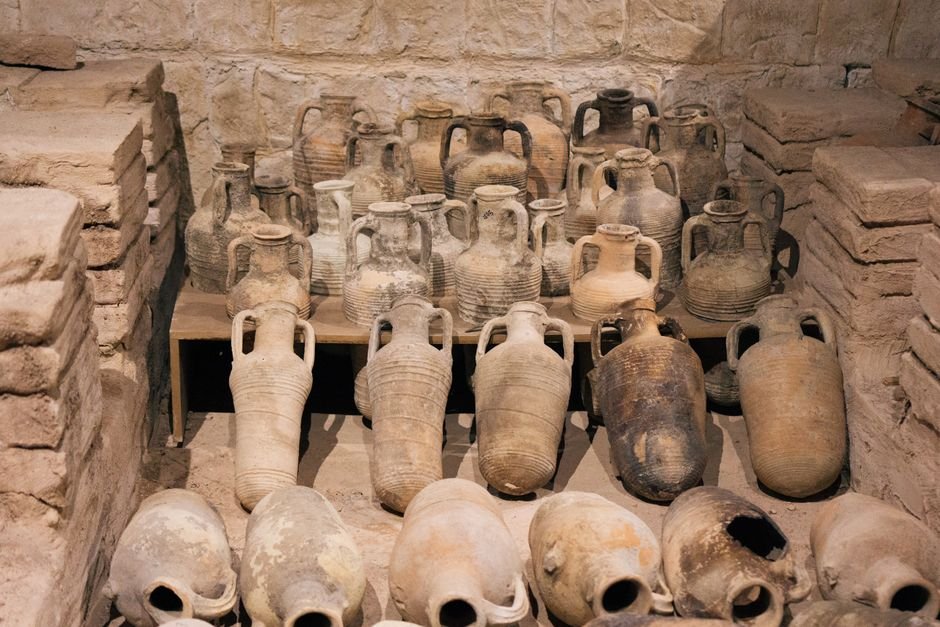
Pottery tells historians an enormous amount about how people lived. The shapes of vessels show what people ate and drank, how they stored grain or oil, and how they cooked. Residue inside ancient pots can even reveal specific foods and drinks.
Ceramics also show trade and connection. When a particular style of pottery turns up far from where it was made, it tells us people were travelling, exchanging goods, and influencing each other. Chinese porcelain, for example, travelled along trade routes for centuries and shaped ceramic traditions in the Middle East and Europe.
Belief and ritual are recorded in clay too. Figurines, funerary vessels, temple tiles, and ceremonial wares show what people valued and how they marked important moments. The decoration on pots, from painted scenes to stamped patterns, offers a window into stories, myths, and symbols that might otherwise be lost.
In this sense, ceramics are a kind of everyday archive. They weren’t usually made to be historical documents, which is exactly why they’re so honest. For a broader overview, our short history of pottery traces how these traditions developed across the world.
Where Craft And Fine Art Meet In Ceramics
The status of ceramics has shifted many times. In some cultures, ceramics were always treated as high art. In Japan, for instance, tea bowls and other wares have long been collected, named, and treasured, and great potters have been deeply respected. Our guide on why Japanese ceramics are so highly regarded explores that tradition.
In Europe, the picture was more mixed. Fine porcelain was prized by royalty and wealthy collectors, and factories like Meissen and Wedgwood produced celebrated wares. Yet for a long time ceramics were grouped with the decorative or applied arts, often seen as a step below painting and sculpture.
The Arts and Crafts movement in the late nineteenth century pushed back against that, valuing handmade objects and the skill of the maker. Later, studio potters in the twentieth century argued that a pot could be as expressive and meaningful as any painting.
This tension between craft and fine art is part of what makes ceramics in art history so interesting. Clay can be useful and beautiful at the same time, and many people now see that combination as a strength rather than a weakness.
Australia has its own chapter in this story too. Aboriginal and Torres Strait Islander artists, studio potters influenced by Japanese and English traditions, and generations of art school ceramicists have all shaped a distinctive local scene. Today Australian ceramic artists exhibit widely, and regional galleries, art centres, and studio spaces across the country keep that tradition visible and evolving.
Ceramics In Modern And Contemporary Art
In the mid twentieth century, artists began to push clay in bold new directions. In the United States, Peter Voulkos and his students in the 1950s treated clay with the energy of abstract expressionist painting, tearing and stacking forms into large sculptures. That shift helped open galleries and art schools to ceramics as a serious sculptural medium.
Since then, clay has steadily gained ground in the contemporary art world. Major museums and biennales now regularly include ceramic work, and many well known artists who began in other media have turned to clay for its tactility and directness.
Contemporary ceramic art covers a huge range, from finely crafted vessels to large installations, figurative sculpture, and abstract forms. Some artists explore identity, history, and place through clay, while others focus on surface, colour, and material experiments.
Interest from the public has grown too. Handmade ceramics are having a real moment, partly as a response to mass production. Our article on contemporary ceramic artists redefining the craft looks at some of the people leading the way.
What Competing Guides Leave Out About Ceramics In Art History
Most articles on ceramics in art history focus on famous museum pieces and big names. That’s useful, but it misses how the tradition actually stays alive. Ceramics is a practice passed from hand to hand, and much of that happens in local studios, community classes, and small galleries rather than in famous institutions.
Local studios are where people learn to wedge, throw, and fire, and where techniques that are thousands of years old get taught to new makers every week. Without these spaces, the knowledge behind the objects in museums would slowly fade.
Community galleries play a role too. They give emerging and local artists a place to show work, test ideas, and connect with audiences. Many artists who later show in larger institutions had their first exhibitions in small, local spaces.
Competing guides also tend to treat history as finished. In reality, every new piece made in a studio adds to it. When you make a pinch pot or glaze your first bowl, you’re taking part in one of the longest continuous traditions in human culture.
Why This History Matters To A Maker Today
Knowing the lineage you’re working in can make your own practice richer. Understanding why certain forms exist, like the foot ring on a bowl or the lip on a jug, helps you make better choices about your own work.
History is also a huge source of inspiration. Many makers find ideas in ancient glazes, historic decoration, or traditional forms, then reinterpret them in a contemporary way. Looking back can be one of the best ways to move forward.
It can also be grounding. When a glaze fails or a pot collapses, it helps to remember that potters across thousands of years faced the same challenges. Learning in our workshops and classes, working in our ceramic studio, or having pieces fired through our firing service connects you directly to that ongoing story.
And perhaps most simply, knowing the history helps you see ceramics everywhere. Once you understand the story of clay, a museum visit, a market stall, or even your favourite mug starts to feel a little more meaningful.
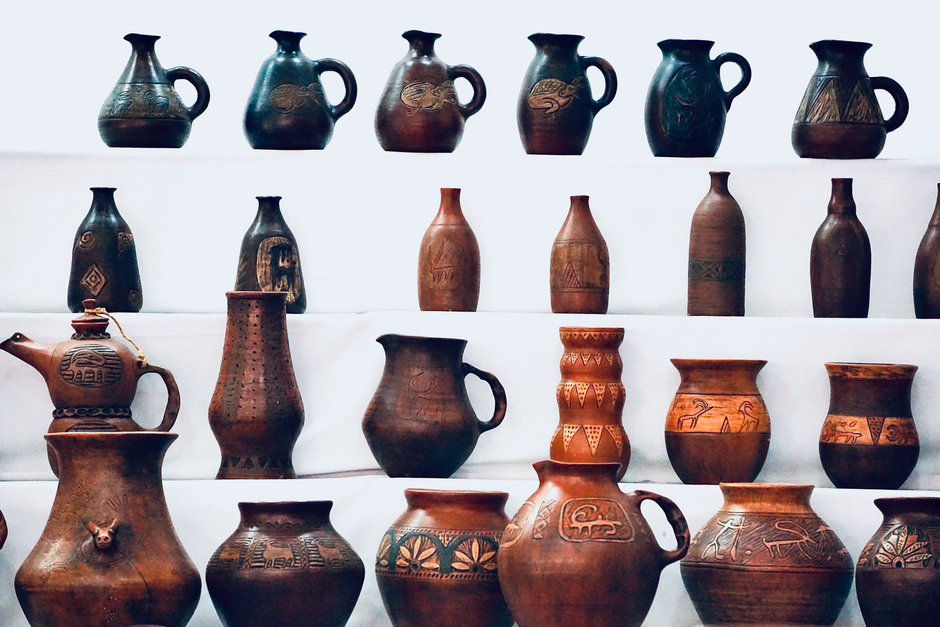
The story of ceramics is still being written. See how this long tradition lives on in the work of local makers at the exhibitions in the gallery at Le Studio Art Space in Mordialloc.
Frequently Asked Questions
Why are ceramics so important to archaeologists?
Fired clay survives far longer than most other materials, so pottery is often the most complete record left at a site. Its styles help date and identify cultures.
Is pottery really considered art?
It depends on the piece and who you ask, but today many museums and galleries treat ceramics as fine art. Functional pottery can also be highly artistic.
What is the oldest ceramic object ever found?
Among the oldest known is the Venus of Dolni Vestonice, a fired clay figure commonly dated to around 26,000 years ago. Early pottery vessels from China date to around 20,000 years ago.
Why did ceramics lose status in Western art for a while?
For a long time, European art hierarchies placed painting and sculpture above the decorative arts. Movements in the nineteenth and twentieth centuries challenged that view.
Can I see historic and contemporary ceramics at Le Studio Art Space?
Le Studio Art Space focuses on contemporary work by local makers through its gallery exhibitions in Mordialloc. Seeing new work in person is a great way to connect with the living tradition of clay.
This article is provided for general educational purposes by Le Studio Art Space. Historical dates are approximate and may differ between sources.