Stoneware, porcelain, and earthenware differ mainly in firing temperature, durability, and finished appearance, with stoneware offering the most balanced middle ground for most potters.
Trying to decide between stoneware, porcelain, and earthenware, without reading three separate articles to piece the comparison together, can feel genuinely frustrating.
At Le Studio Art Space, we lay this comparison out clearly for members in our introductory materials class, side by side rather than in isolation.
This guide puts all three clay types together directly, covering firing temperature, durability, workability, and finished appearance in one place.
None of this requires memorising technical specifications. A genuine, practical understanding of the tradeoffs is really all you need.
By the end, you’ll be able to compare stoneware, porcelain, and earthenware confidently, without needing to look anything up separately.
Firing Temperature Differences
Earthenware fires at the lowest range of the three, typically cone 06 to 04, making it accessible for basic studio setups and lower-cost kilns.
Stoneware fires at a mid to high range, typically cone 5 to 10, requiring a kiln capable of reaching considerably higher temperatures.
Porcelain fires at the highest range, typically cone 6 to 10, and genuinely demands the most precise, well-controlled firing of the three.
This temperature range directly determines which glazes are compatible with each clay body, since not every glaze suits every firing range equally well.
A shared studio’s kiln, like ours at Le Studio Art Space, typically fires to one consistent range, which genuinely shapes which clay types members can use.
Checking your studio’s actual firing schedule before choosing a clay body is always a sensible first step, regardless of which type appeals to you.
Understanding these ranges genuinely explains much of why the three clay types differ so much in cost, durability, and finished appearance.
A kiln that only reaches earthenware’s lower range simply cannot mature stoneware or porcelain properly, regardless of how long the firing runs.
Durability And Everyday Use
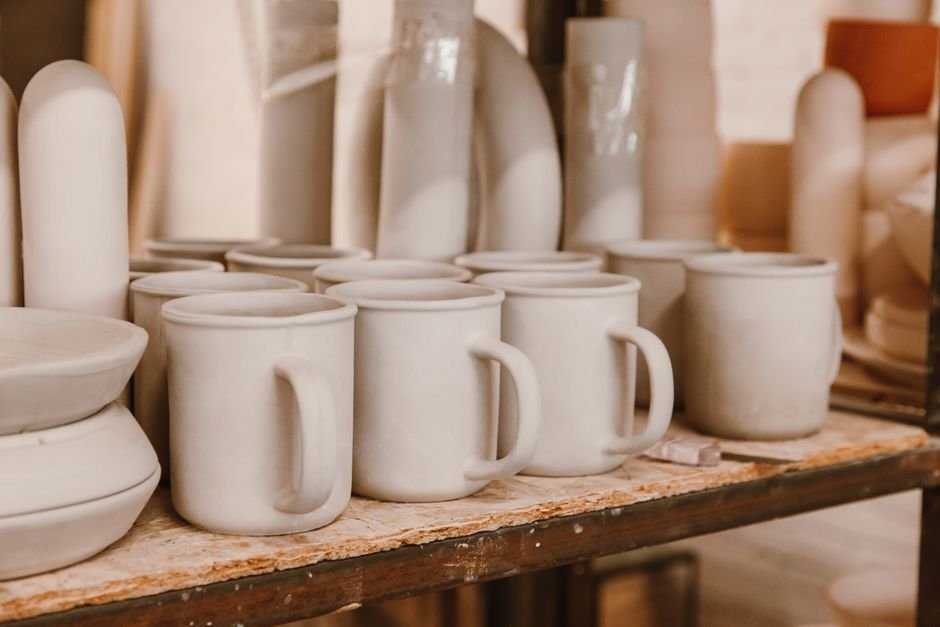
Stoneware is genuinely dense and durable once fired, making it the most popular choice for functional ware like everyday mugs, bowls, and plates.
Porcelain is also dense and durable, though its thinner, more delicate typical forms make it somewhat more prone to chipping than sturdier stoneware.
Earthenware remains more porous even after firing, generally needing a glaze to become watertight, and it’s genuinely more prone to chipping and cracking.
For daily-use functional pieces, stoneware typically strikes the best balance between genuine durability and reasonable ease of production.
Porcelain suits refined, special-occasion pieces well, though many potters find it needs more careful handling than a sturdier stoneware mug would.
Earthenware remains popular for decorative work and paint-your-own pottery, where lower cost and easy workability outweigh its reduced durability.
Most studios, including ours, stock stoneware most heavily precisely because it performs reliably across the widest range of everyday functional projects.
Repeated dishwasher and microwave use also tends to be gentler on dense stoneware than on a more delicate, thin-walled porcelain piece.
Workability On The Wheel And In Hand Building
Earthenware is generally the most forgiving to work with, soft and plastic, making it genuinely accessible for a complete beginner on the wheel.
Stoneware offers a genuinely balanced middle ground, reasonably forgiving while still producing a durable, everyday-use finished piece once fired.
Porcelain is typically the most technically demanding, since its smooth, fine particle structure has less strength while wet and can slump or crack more readily.
Beginners at a studio like ours are generally steered toward stoneware first, precisely because it balances workability and durability so well.
Porcelain rewards patience and a slower, more deliberate working style, which many beginners haven’t yet developed on the wheel.
Hand building tends to favour a slightly stiffer clay body, which stoneware and porcelain generally offer more reliably than very soft earthenware.
Trying all three, even briefly, is genuinely the best way to discover which workability profile actually suits your own hands and style.
Some potters find they genuinely prefer porcelain’s demanding nature, treating the extra care it requires as part of the appeal rather than a drawback.
Look And Feel Of The Finished Piece
Earthenware typically fires to a warm orange, red, or terracotta colour, depending on the specific clay body and its iron content.
Stoneware generally fires to a grey or warm brown colour, varying meaningfully depending on the specific clay body and mineral content used.
Porcelain is typically bright white and often translucent when thin, giving it a genuinely distinctive, refined look unlike the other two clay types.
Surface texture also differs meaningfully, with porcelain feeling notably smoother than a grogged stoneware body, which offers more tactile texture under the hands.
These visual and tactile differences genuinely matter when deciding which clay type suits your specific aesthetic goals for a finished piece.
Glaze colours also behave differently over each clay body, since a dark stoneware base mutes glaze colour compared to pale porcelain or earthenware.
Considering how the finished piece will actually look, not just how it feels to work, is a genuinely useful part of the decision.
Holding a fired sample of each clay type up to the light genuinely helps illustrate porcelain’s translucency compared to the other two.
What Competing Guides Leave Out
Many guides compare firing temperature and appearance without addressing how glaze choice genuinely interacts differently with each of the three clay bodies.
Few guides mention which clay type is most commonly stocked in a working studio, which is often more practical information than an abstract comparison.
What a specific clay body actually costs, with porcelain typically priced higher than stoneware or earthenware, rarely gets proper attention in general comparisons.
How each clay type responds to trimming and handling at the leather hard stage is another practical detail many overviews skip entirely.
Regional availability also matters, and what’s genuinely easy to source varies meaningfully depending on where you’re working and which studio you’re using.
Few guides address blended clay bodies, like a porcelain-stoneware blend, that offer some of porcelain’s look with more forgiving workability.
Whether a beginner should try all three before committing to one is another practical question most comparison guides never actually answer directly.
How each clay type’s shrinkage rate during drying and firing affects final piece sizing is another practical detail rarely mentioned clearly.
Which Clay Body Suits Which Kind Of Project
For everyday functional ware, like mugs, bowls, and plates meant for daily use, stoneware genuinely remains the most sensible, reliable choice.
For refined, delicate, or display-focused pieces, porcelain rewards the extra care with a genuinely distinctive, elegant finished look worth the added effort.
For decorative work, paint-your-own pottery, or a genuinely forgiving first project, earthenware’s softness and lower cost make it a sensible starting point.
There’s genuinely no universally best choice among the three, and the right one depends entirely on what you’re making and how you like to work.
Many potters eventually work with all three, choosing whichever suits a specific project rather than committing permanently to just one clay type.
At Le Studio Art Space, we’re always happy to help you match a clay type to your specific project and experience level.
Asking studio staff which clay bodies are actually stocked and compatible with the kiln is always a sensible first step before choosing.
Whatever you choose first, there’s genuinely nothing stopping you from trying the other two clay types on a future project down the line.
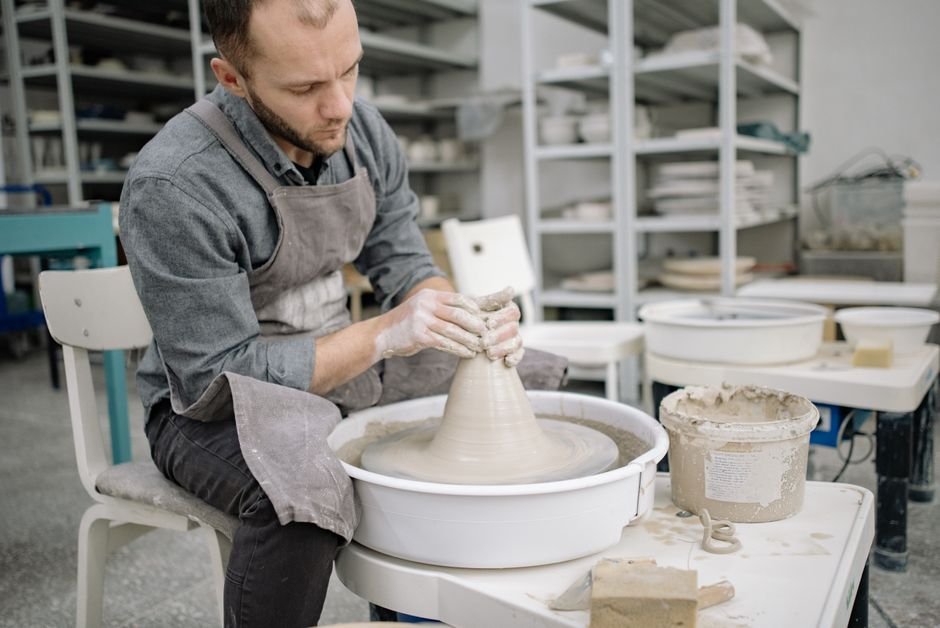
Want to try stoneware, porcelain, and earthenware hands-on? Join a class at Le Studio Art Space in Mordialloc.
Frequently Asked Questions
Which clay type is genuinely the best for a total beginner?
Stoneware is generally recommended, since it balances workability and durability well, though earthenware is also a genuinely reasonable, softer starting point.
Is porcelain really that much harder to work with than stoneware?
Yes, its smooth, fine structure gives it less strength while wet, making it genuinely more prone to slumping or cracking for a less experienced potter.
Can I fire earthenware and stoneware together in the same kiln load?
Generally not in the same firing, since they mature at different cone temperatures, and firing to the wrong range risks underfiring or overfiring one of them.
Why does stoneware cost less than porcelain at most suppliers?
Porcelain’s finer, more carefully controlled composition typically makes it pricier to produce, while stoneware’s simpler formulation keeps costs genuinely lower for most potters.
Does Le Studio Art Space stock all three clay types?
We stock what suits our kiln schedule and members’ typical projects, and staff are always happy to explain what’s currently available in the studio.
This article is provided for general educational purposes by Le Studio Art Space and reflects common studio practice.