Quick dry clay can suit beginners in some situations, mainly because of its faster turnaround between stages, but its shorter working time also makes it less forgiving for someone still learning basic technique. Whether it’s genuinely a good first choice depends more on what you’re making than on skill level alone.
Is Quick Dry Clay Good For Beginners
Quick dry clay gets recommended a lot for anyone impatient to see a finished piece, and honestly, that impatience is completely understandable when you’re new to pottery and excited about your first project. At Le Studio Art Space, this question comes up regularly from beginners who’ve seen quick dry clay mentioned online and want to know if it’s actually the right place to start. The honest answer has real nuance to it, since faster isn’t automatically the same as easier.
Understanding what quick dry clay actually changes about the working process helps you decide whether its faster turnaround is worth the tradeoffs that come with it.
What Quick Dry Clay Actually Is
Quick dry clay is formulated to lose moisture and firm up considerably faster than standard studio clay, which shortens the time between finishing a piece and being able to move it toward the next stage of the process.
This faster drying comes from adjustments to the clay body’s composition, often including different particle sizes or additives that encourage quicker, more even moisture loss compared to a standard clay formulation.
It’s still a genuine, kiln-firable clay body in most cases, not to be confused with air dry craft clay, which cures without firing at all and behaves quite differently as a material overall.
The appeal is obvious for anyone eager to see a project move forward quickly, particularly in a home setting where waiting days for a piece to dry naturally can feel like a genuine barrier to staying motivated.
It’s worth checking the specific product’s labelling before assuming exactly how it behaves, since quick dry formulations vary somewhat between manufacturers, and some are marketed more toward hand building projects than wheel work specifically.
The Upside For A Beginner
Faster turnaround means less waiting between stages, which can genuinely help a beginner stay engaged with a project rather than losing momentum during a long drying period between sessions.
For someone working at home without regular studio access, quick dry clay can make a real practical difference, letting a project progress across a single weekend rather than being spread out over a week or more of waiting.
Seeing quicker results can also be motivating in a way that matters more for beginners than more experienced potters might expect, since early enthusiasm is often what keeps someone coming back to try again after a rough first attempt.
For simple, single-session projects like a small dish or a basic figure, the faster drying time genuinely doesn’t cost much in terms of technique, making it a reasonably low-risk place to start experimenting.
It can also be genuinely helpful for a parent working alongside a child on a quick project, where finishing something in a single sitting matters more for keeping a young beginner engaged than working with the most forgiving clay body available.
The Downside Worth Knowing About
The same fast drying that makes quick dry clay appealing also means less working time before the clay becomes too stiff to shape comfortably, which can be genuinely frustrating for a beginner still learning basic forming technique.
For wheel throwing especially, that reduced working window can work against a beginner who needs more time to get comfortable centering and shaping clay, since standard clay’s longer working time is generally more forgiving while you’re still learning.
There’s also a higher risk of a piece drying unevenly if you step away for a break partway through, since quick dry clay’s faster moisture loss means thin edges or extremities can dry and crack while thicker sections are still workable.
None of this makes quick dry clay a bad choice outright, it just means the reduced margin for error can compound with the reduced margin for error that’s already normal for anyone still learning the basics.
Keeping a spray bottle of water nearby and lightly misting a piece between short breaks can help offset some of this risk, though it’s an extra habit a beginner has to remember on top of everything else they’re already learning.
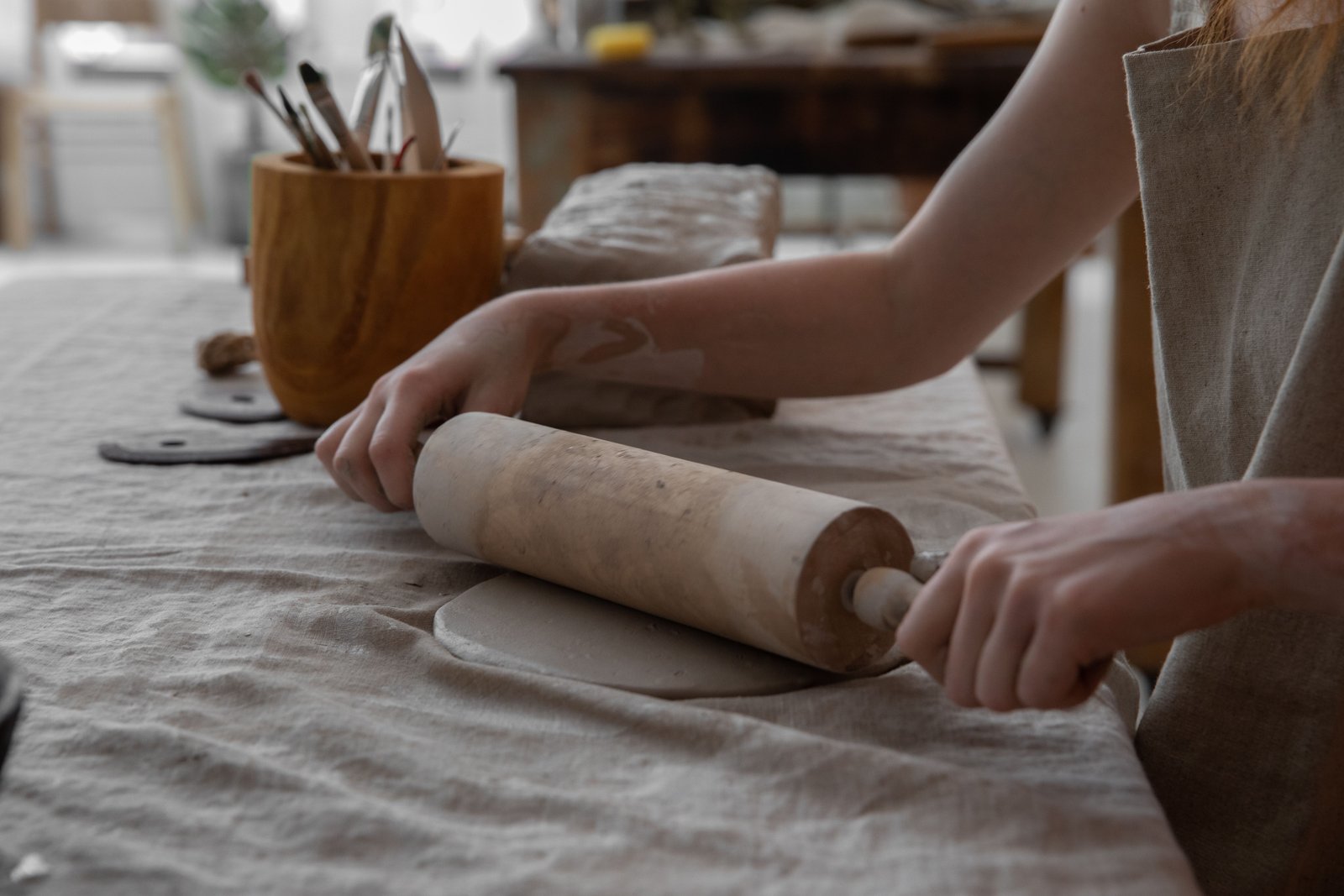
How It Compares To Standard Studio Clay
Standard studio clay generally offers a longer, more forgiving working window, which is part of why most studios, including Le Studio Art Space, favour it for beginner classes where students are still developing basic hand and wheel skills.
Quick dry clay trades some of that forgiveness for speed, which suits a specific kind of project and situation better than others, particularly quicker, simpler forms rather than anything requiring extended shaping time.
Firing behaviour between the two is broadly similar as long as both are genuine kiln-fired clay bodies within the same firing range, so the real difference sits almost entirely in the working and drying stage rather than the final fired result.
Cost and availability can also differ, since quick dry formulations are sometimes marketed as a specialty product at a slightly higher price point than standard studio clay bought in bulk.
Most working studios, including Le Studio Art Space, default to standard clay for exactly this reason, keeping quick dry formulations as more of a special order for members with a specific project in mind rather than a general studio staple.
What Competing Guides Leave Out
A detail many general guides skip is how differently quick dry clay behaves on the wheel compared to hand building. Wheel throwing genuinely benefits from a longer working window, while simpler hand building projects are much more forgiving of a shorter one.
Availability in a shared studio setting is another gap worth mentioning. Not every studio stocks quick dry clay specifically, since its faster drying can actually complicate group class scheduling if some students work at a different pace than others.
It’s also worth noting that reclaiming quick dry clay, meaning reworking dried scraps back into usable material, can take slightly different handling than standard clay, since it’s formulated to resist rehydrating as easily as it dries out.
Humidity and room temperature can affect quick dry clay’s already-short working window even further, something worth being aware of if you’re working somewhere warm or dry rather than in a climate-controlled studio space.
Whether A Beginner Should Start With Quick Dry Clay
If you’re planning simple, single-session hand building projects and mainly want to see faster results, quick dry clay is a genuinely reasonable choice that shouldn’t cause major frustration.
If you’re planning to learn wheel throwing specifically, starting with standard studio clay is generally the better choice, since the extra working time gives you more room to make mistakes and correct them while you’re still building foundational skill.
There’s no rule against trying both and seeing which you personally prefer, and many potters end up using different clay bodies for different kinds of projects once they’ve had a chance to compare. Preference often comes down to working style as much as skill level, so it’s genuinely worth forming your own opinion rather than relying purely on someone else’s recommendation.
If you’re unsure, asking a studio instructor which clay body suits your specific first project is a genuinely good way to avoid an unnecessary frustration early in your pottery journey. It’s a quick question that can genuinely save an otherwise promising first attempt from ending in disappointment.
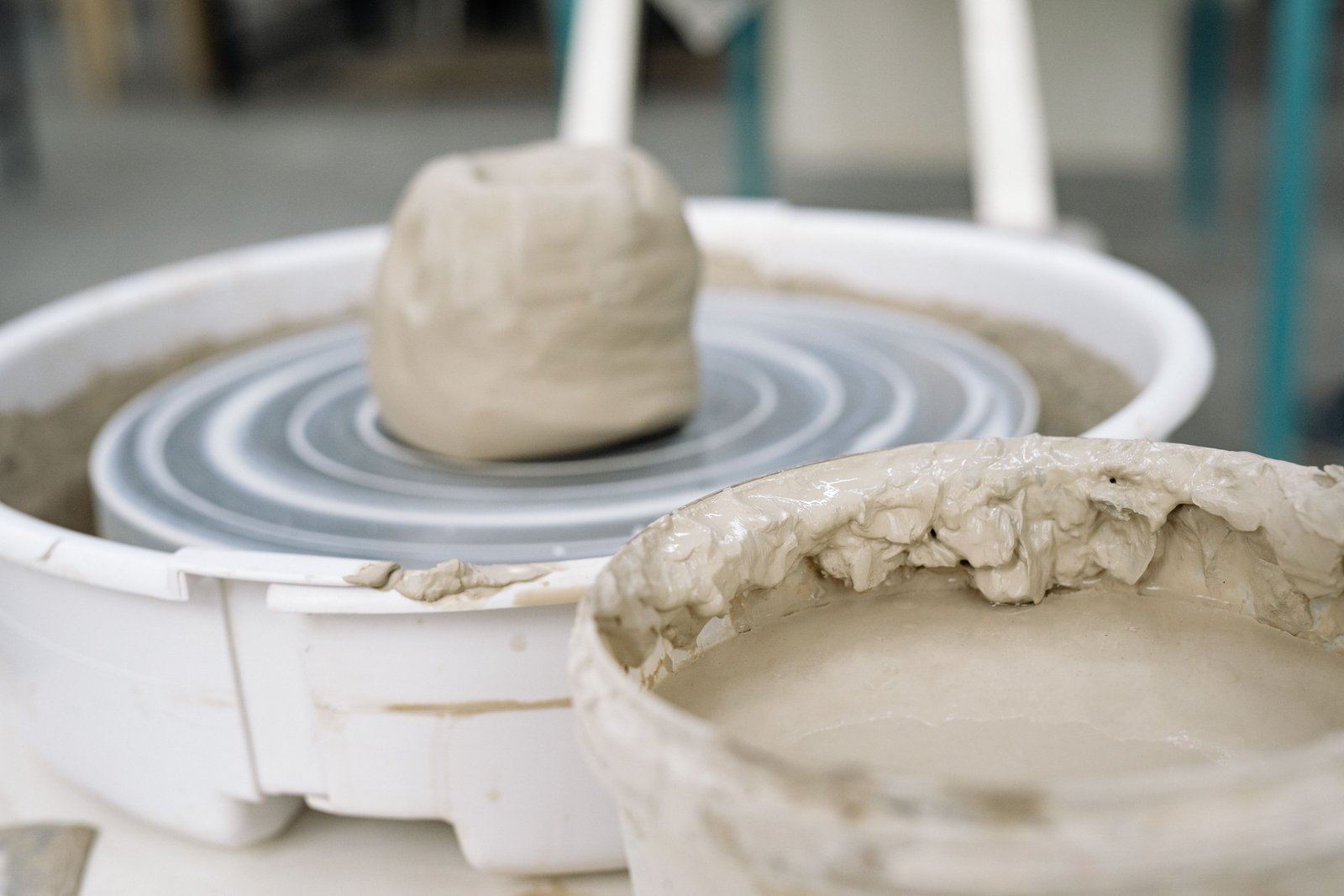
Curious which clay body suits your first project best? Ask about the clay options available for beginners at Le Studio Art Space in Mordialloc.
Frequently Asked Questions
Is quick dry clay actually harder to work with than regular clay?
It’s not necessarily harder, just less forgiving of a slower pace, since it dries faster and gives you a shorter window to shape it before it becomes too stiff to work.
Can beginners use quick dry clay for wheel throwing?
It’s possible, but standard studio clay is generally the better starting point for wheel throwing, since its longer working time is more forgiving while you’re still learning to centre and shape clay.
Will my piece dry unevenly if I take a break partway through?
It’s a genuine risk with quick dry clay, since thinner areas can dry and become brittle faster than thicker sections if you step away for too long during a project.
Does quick dry clay fire any differently once it’s finished?
Firing behaviour is generally similar to standard clay within the same firing range, since the main difference is in the drying and working stage rather than what happens in the kiln.
Should I just ask a studio which clay to use for my first project?
That’s genuinely a good idea. Instructors at a studio like Le Studio Art Space can recommend a clay body suited to your specific project and skill level rather than guessing on your own.
This article is provided for general educational purposes by Le Studio Art Space and reflects common studio practice. Individual results may vary depending on the specific clay product used.