Air dry clay cures through evaporation and never becomes as durable or water resistant as kiln fired clay, which undergoes a permanent chemical transformation under heat. For a real project meant to last or see regular use, kiln fired clay is almost always the stronger, more reliable choice.
Air dry clay shows up constantly in craft stores and kids’ activity kits, marketed as a no-fuss, no-kiln alternative to traditional pottery, and it’s a genuinely reasonable question whether it can hold its own for a more serious project. At Le Studio Art Space, this comparison comes up often from people weighing whether they really need proper studio access or could get away with something simpler at home.
The honest answer depends heavily on what you’re actually making and how long you need it to last, so it’s worth understanding exactly how these two materials differ before deciding.
How Air Dry Clay Actually Works
Air dry clay cures purely through evaporation, meaning the water content simply dries out of the material over time at room temperature, without any chemical transformation happening at a molecular level the way firing produces in kiln fired clay.
Because of this, air dry clay never becomes a true ceramic material. It remains, at its core, a dried clay or clay-composite substance that can reabsorb moisture and soften again if it gets wet enough, even long after it initially dried.
Most air dry clay products include binders and additives designed to improve strength and reduce cracking during the drying process, since natural clay alone tends to shrink and crack unevenly without some kind of stabilising ingredient added.
Its main appeal is accessibility. Anyone can use air dry clay at a kitchen table without needing a kiln, a wheel, or any specialised equipment at all, which is exactly why it’s so common in craft kits and classrooms.
It’s genuinely useful for what it’s designed for, but it’s important to understand upfront that it was never intended to match the durability of a properly fired ceramic piece. Some formulations also shrink slightly less than natural clay during drying, which can make them a little more predictable for beginners working without a kiln at all.
How Kiln Fired Clay Is Different
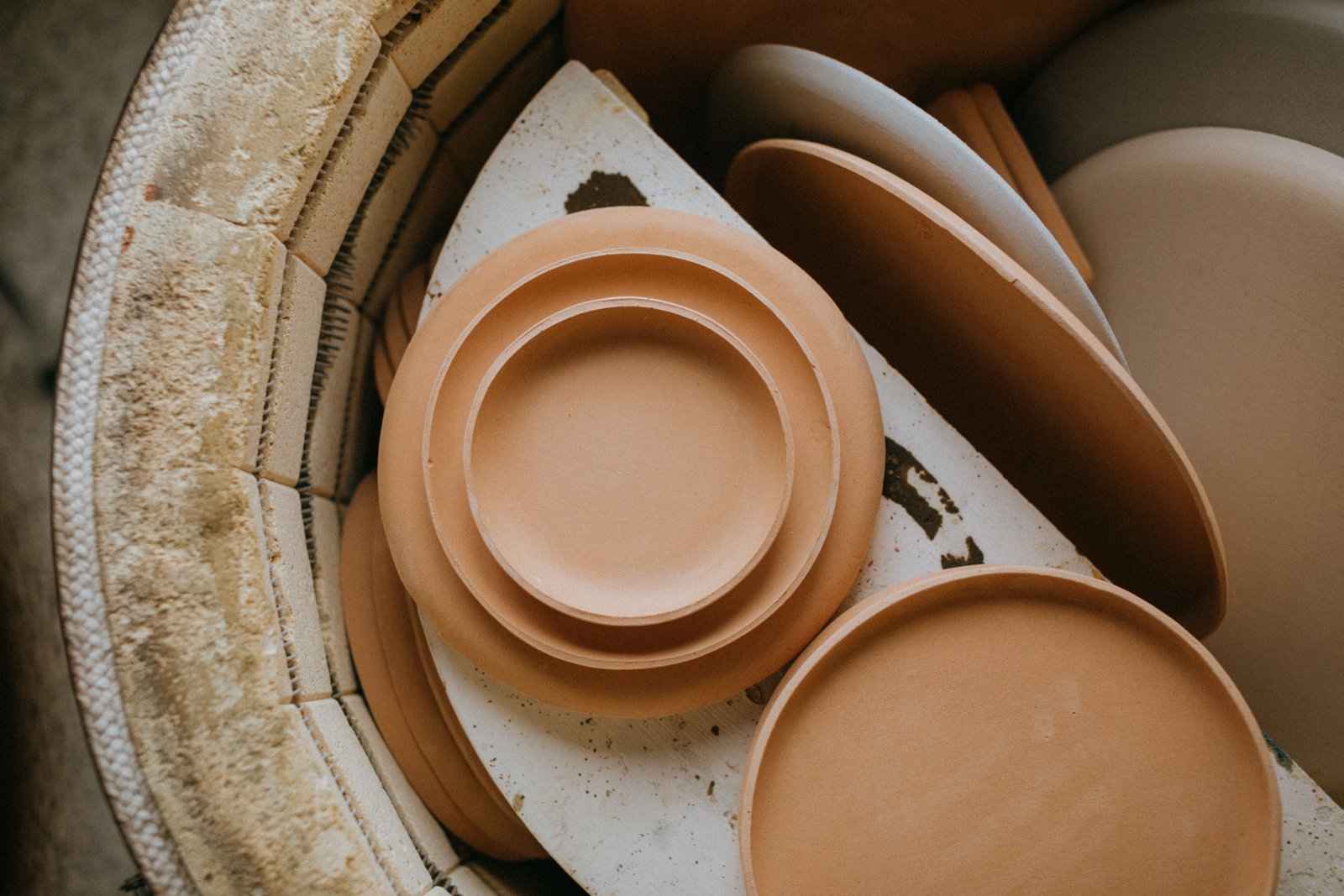
Kiln fired clay undergoes an irreversible chemical transformation when heated to the correct temperature, converting the raw clay into an actual ceramic material that can no longer dissolve back into clay even if soaked in water indefinitely.
This transformation is what gives fired ceramic its characteristic strength, water resistance, and durability, qualities that no amount of drying time can ever produce in an air dry clay product, regardless of how carefully it’s made.
Firing typically happens in at least two stages for a functional piece, a bisque firing to harden the raw clay, followed by a glaze firing that seals the surface and adds colour, strength, and often food safety if the glaze is formulated for it.
This process requires a kiln and, in most cases, access to a studio or shared facility, which is a genuine barrier compared to air dry clay’s total accessibility, but it’s exactly what produces a piece capable of lasting for generations rather than years. Many family heirloom ceramic pieces still in daily use today are proof of just how long a properly fired piece can genuinely last.
Durability Differences That Matter
Water resistance is the clearest practical difference. Kiln fired and properly glazed ceramic can hold liquid indefinitely, while air dry clay will eventually soften, weaken, or break down if it gets significantly wet, even after fully curing.
Long term structural strength also favours fired ceramic considerably. A fired piece can generally handle regular handling, stacking, and everyday wear for decades, while air dry clay tends to remain more brittle and prone to chipping or cracking under similar conditions.
Temperature tolerance is another meaningful gap. Fired ceramic can handle oven use, dishwashers, and general heat exposure far better than air dry clay, which typically can’t tolerate heat, moisture, and mechanical stress the way a properly fired piece can.
None of this means air dry clay is poorly made or a lesser craft material, it simply wasn’t designed to match the physical properties that firing produces, and comparing the two directly on durability sets an unfair expectation for what air dry clay was ever meant to do. Judged against its actual intended purpose rather than a fired ceramic’s, it holds up perfectly well.
Cost And Accessibility Differences
Air dry clay wins clearly on upfront accessibility, since it requires no kiln, no studio membership, and minimal equipment beyond the clay itself and basic hand tools, making it genuinely appealing for a quick, low-commitment project.
Kiln fired clay requires either your own kiln, which represents a significant investment, or access to a shared studio or firing service, adding both cost and a waiting period that air dry clay simply doesn’t involve.
Over the long run, though, a studio membership or pay-per-use firing service can be genuinely cost effective for anyone making pottery regularly, especially once you factor in the superior durability and finish quality of fired work.
For a one-off, low-stakes project, air dry clay’s low cost and total accessibility make a lot of sense, while an ongoing hobby or anything genuinely meant to last is usually better served by investing in proper studio access over time.
What Competing Guides Leave Out
A point many general comparisons don’t state plainly enough is that a piece meant to last, or to be used daily, should genuinely never be made from air dry clay, regardless of how carefully it’s finished or sealed afterward.
Sealants and varnishes marketed for air dry clay can improve water resistance somewhat, but they don’t come close to matching a proper fired glaze, and relying on them for anything holding food or liquid regularly isn’t a genuinely safe long term solution.
Where air dry clay genuinely makes sense is rarely spelled out clearly either. Decorative sculptures, classroom projects, prototyping a form before committing it to real clay, and kids’ craft projects are all situations where its limitations simply don’t matter much.
It’s also worth mentioning that air dry clay can be a genuinely useful, low-stakes way to practice hand building technique and form before investing time in a piece you intend to actually fire, letting you experiment without wasting studio clay or kiln space.
Which Option Suits Your Specific Project
If you’re making something purely decorative that won’t be handled often, exposed to moisture, or expected to last indefinitely, air dry clay is a perfectly reasonable, low-cost choice that doesn’t require any special access or equipment.
If you’re making anything functional, like a mug, bowl, or planter that will hold liquid or see regular daily use, kiln fired clay through a proper studio is genuinely the right choice, since it’s the only option that delivers the durability that kind of use demands.
For kids’ projects or quick, low-pressure creative sessions, air dry clay remains a genuinely good fit, letting younger or less experienced makers enjoy the process without the added logistics of firing.
If you’re still unsure which suits your specific idea, bringing the question directly to a working studio is a good way to get honest, practical guidance based on exactly what you’re hoping to make. A quick conversation before you start can save you from investing time into a piece made from the wrong material for what you actually intended it to do.
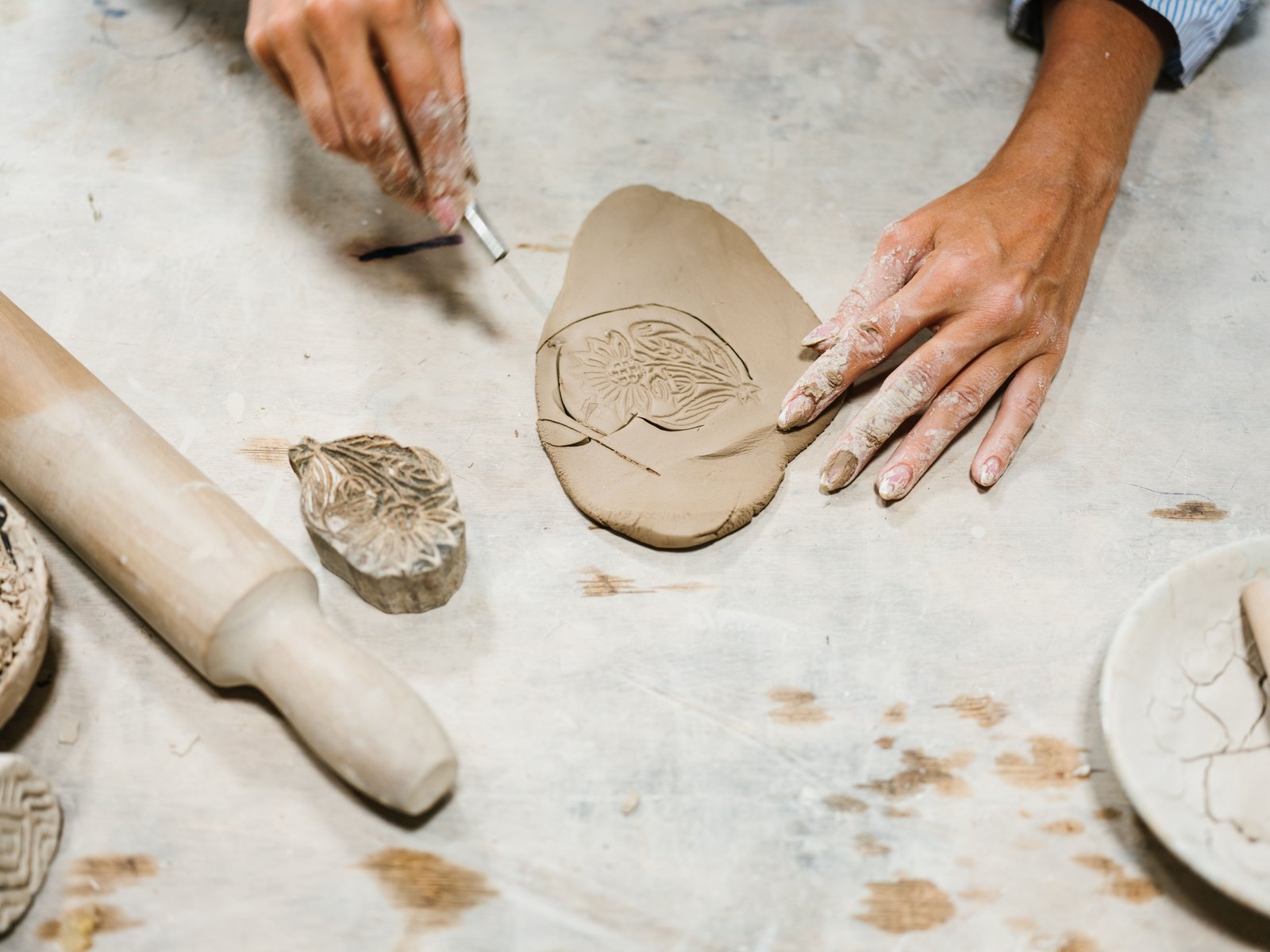
Want to see the difference between air dry and true kiln fired pottery for yourself? Visit Le Studio Art Space’s ceramic studio in Mordialloc.
Frequently Asked Questions
Can I really not use air dry clay for a mug at all?
It’s not recommended, since air dry clay isn’t genuinely water resistant or food safe, and it will degrade with regular exposure to liquid, unlike a properly fired and glazed ceramic mug.
Is kiln fired clay really that much stronger in practice?
Yes, genuinely. The firing process permanently transforms the clay at a molecular level, producing a material that’s far more durable, water resistant, and long lasting than anything air dry clay can achieve.
Does sealing air dry clay make it good enough for everyday use?
Sealants can improve water resistance somewhat, but they don’t match a proper fired glaze, so it’s still not a genuinely reliable choice for anything used daily or holding liquid regularly.
Is air dry clay a waste of time if I’m serious about pottery?
Not at all, it’s genuinely useful for practicing form and hand building technique before committing a design to real studio clay, even for someone planning to pursue pottery seriously.
How do I know if my project really needs proper firing?
If the piece needs to hold liquid, handle regular use, or last for years, it needs proper kiln firing. For purely decorative, low-handling pieces, air dry clay is often perfectly fine.
This article is provided for general educational purposes by Le Studio Art Space and reflects general material properties. Individual product performance may vary by manufacturer.