Clay artists develop their style gradually, through repetition, absorbed influences, and technical choices that become recognisable over time, rather than by deliberately choosing a style upfront. It’s a slow, cumulative process that emerges from actually making a lot of work, not from a single creative decision.
How Clay Artists Develop Their Style
New potters often ask when they’ll finally find their own style, as if it’s a single moment they’re waiting to arrive at. At Le Studio Art Space, this question comes up a lot, and the honest answer usually surprises people, since style isn’t something you find so much as something you slowly build without fully realising it’s happening.
Understanding how style actually develops, rather than expecting it to appear fully formed, makes the whole process feel a lot less like something you’re failing to achieve and more like something naturally unfolding.
Style As Something Built Over Time, Not Chosen
It’s tempting to think of style as a decision, picking a colour palette or a particular form and committing to it deliberately, but in practice, genuine style tends to emerge gradually from countless small choices made across many pieces.
Beginners often feel like they don’t have a style yet, and that’s completely normal, since early work tends to be more exploratory and imitative as you’re still learning what you even enjoy making in the first place. That early exploration phase is genuinely valuable, not wasted time on the way to something more defined.
Style also isn’t fixed once it appears. Most working clay artists continue to evolve their style throughout their practice, sometimes shifting noticeably over years as their skills, interests, and circumstances change. A style that feels settled today can look quite different a decade into someone’s practice, and that’s a genuinely normal part of growth rather than inconsistency.
Reframing style as something that develops naturally, rather than something you’re supposed to already have, takes a lot of unnecessary pressure off anyone still early in their pottery journey.
This shift in expectation alone often helps people relax into their practice, which paradoxically tends to let a more genuine style emerge faster than forcing the issue ever would. Trying to force a style prematurely often produces work that feels stiff or self-conscious rather than genuinely settled.
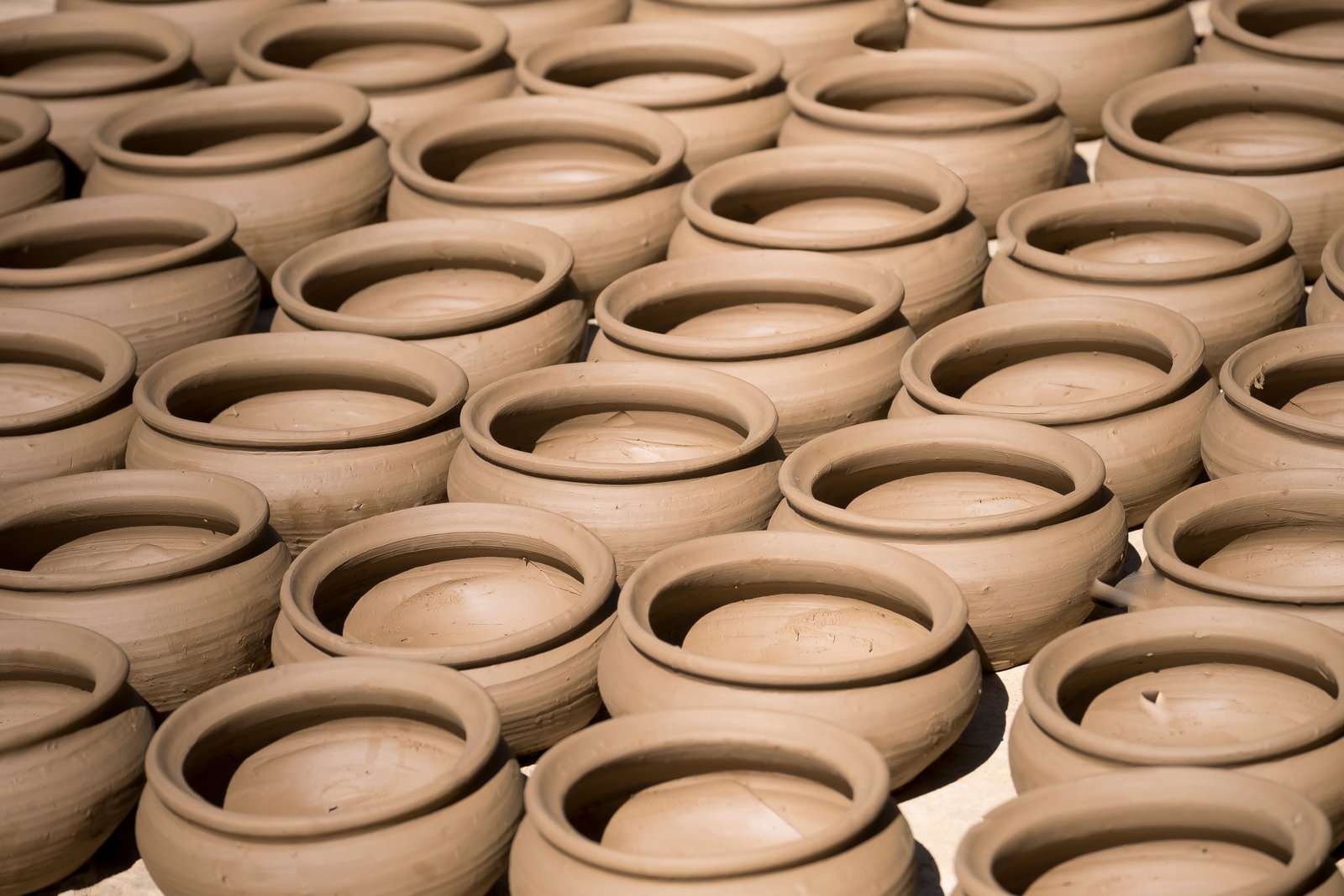
How Repetition And Practice Shape A Personal Style
Making the same or similar forms repeatedly is one of the most reliable ways a personal style actually develops, since repetition naturally reveals which choices feel right to you and which don’t, often before you can consciously articulate why.
Muscle memory plays a genuine role here too, particularly on the wheel, where repeated practice with a certain kind of form gradually shapes how your hands naturally want to move, which shows up as consistency across your work over time without you ever deliberately trying to standardise it.
Many clay artists find their style becomes more apparent not from a single breakthrough piece, but from looking back at a body of work made over months or years and noticing genuine patterns they hadn’t consciously planned. That retrospective moment of recognition often feels more like discovery than invention.
This is part of why simply making a lot of work, even work that doesn’t feel particularly special at the time, is genuinely one of the most effective paths toward developing a recognisable personal style. Volume, more than any single deliberate decision, tends to be the real engine behind how style quietly forms.
Influences Worth Drawing On Without Copying
Looking at other artists’ work, whether historical or contemporary, is a genuinely normal and healthy part of developing your own style, and it’s not the same thing as copying, provided you’re absorbing ideas rather than replicating them directly.
Many clay artists draw from multiple, sometimes quite different influences at once, blending elements in ways that create something genuinely their own rather than a direct imitation of any single source.
It’s worth being honest with yourself about the difference between inspiration and direct copying, particularly when a specific technique or form feels closely tied to another living artist’s recognisable body of work. That honest self-check is a genuinely healthy habit to build early in your own creative development.
Over time, as you absorb more influences and filter them through your own hands and preferences, the blend itself becomes distinctly yours, even if you could point to where certain elements originally came from. That filtering process is genuinely where personal style actually lives, not in any single borrowed idea.
Technical Choices That Become Part Of A Style
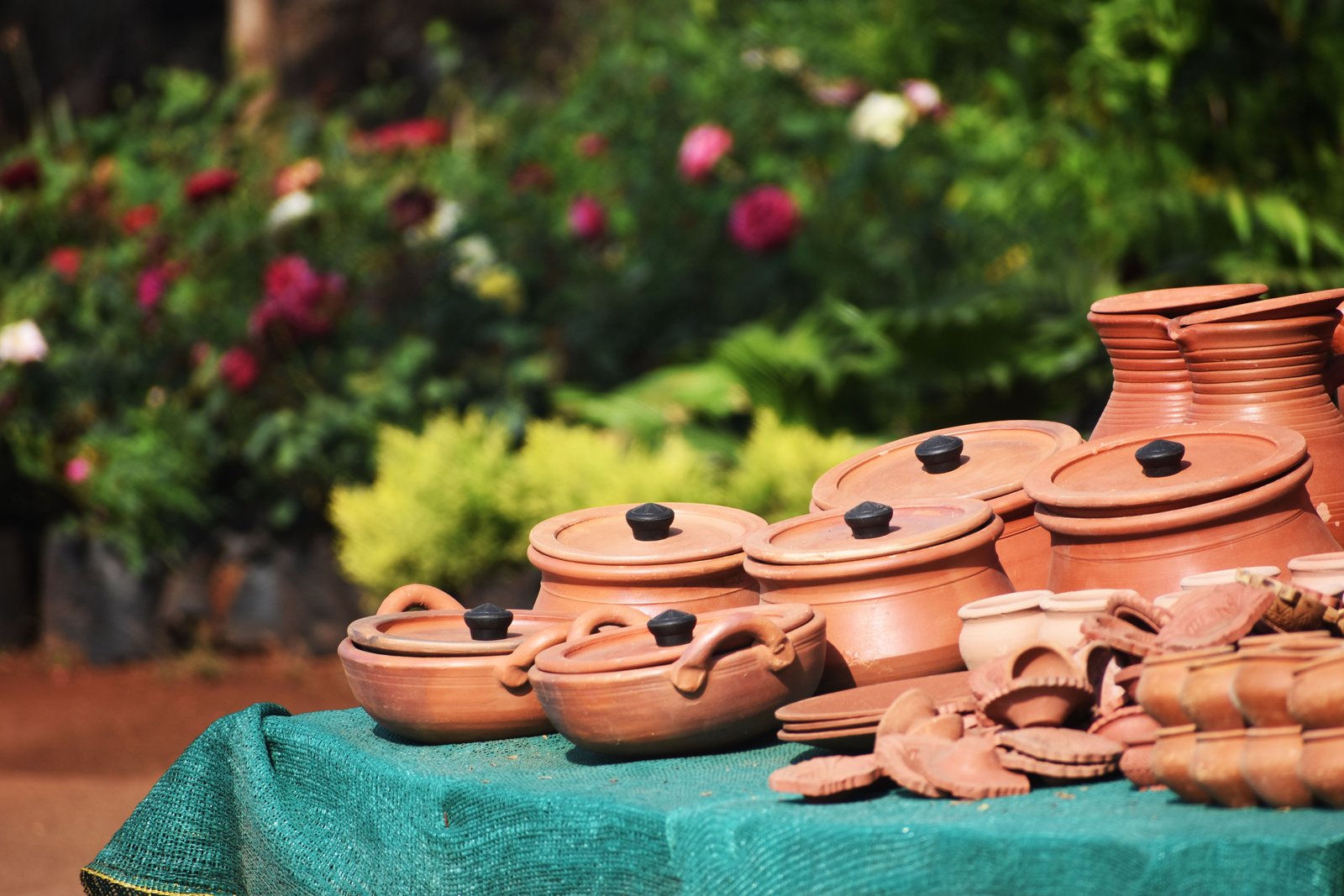
Consistent glaze choices, whether a particular colour palette or a favoured surface treatment, often become one of the more visually recognisable elements of a clay artist’s developing style over time.
Favoured forms also tend to recur, whether that’s a particular kind of handle, a specific proportion between height and width, or a consistent approach to how a piece’s foot or base is finished.
Surface texture choices, whether smooth and refined or deliberately raw and tactile, become another genuine signature element that often develops without the artist consciously deciding to make it a defining trait.
None of these technical choices need to be permanent, and many clay artists continue refining and shifting these elements throughout their practice as their taste and skill continue to develop. What feels signature at one stage of your practice may look quite different a few years further along.
What Competing Guides Leave Out
A gap many general articles on this topic skip is how much working within a shared studio community can genuinely accelerate finding your own style, simply through regular exposure to other members’ work and approaches.
Feedback from instructors and fellow members, even informal comments during a class, can help you notice patterns in your own work that you might otherwise take much longer to recognise entirely on your own, without that outside input.
Seeing a wide range of approaches side by side in a shared studio also helps clarify what you’re drawn to by contrast, sometimes making your own preferences clearer precisely because you can see what genuinely doesn’t interest you as much. That contrast is genuinely hard to replicate working entirely alone at home.
It’s also worth mentioning that style doesn’t need to be entirely unique to be genuinely yours. Plenty of respected clay artists work within recognisable broader traditions while still expressing something distinctly personal within that shared framework. Uniqueness for its own sake is rarely the real goal anyway.
Recognising Your Own Style As It Emerges
Looking back at your own work periodically, rather than only focused on the piece in front of you, is a genuinely useful habit for spotting patterns that have started to emerge without you fully noticing at the time.
Asking a trusted instructor or fellow potter what they notice as consistent across your work can offer a genuinely useful outside perspective, since patterns are often more obvious to someone else than to yourself, especially early on before you’ve built the habit of self-reflection.
It’s also worth paying attention to what you’re naturally drawn to repeat, even in small ways, since these small recurring choices are often the earliest, clearest signs of a developing personal style long before it feels fully formed.
Above all, patience matters here more than almost anywhere else in pottery. Style genuinely takes time, and rushing the process rarely produces something as authentic as simply continuing to make work consistently over months and years of regular studio practice.
Keep developing your own style with regular studio time. Join a class or drop in for a session at Le Studio Art Space in Mordialloc.
Frequently Asked Questions
Is it normal to still not feel like I have a style after months of pottery?
Completely normal. Style genuinely takes time to develop, often longer than people expect, and it usually emerges gradually rather than arriving as a single clear moment.
Am I copying if I’m inspired by another clay artist’s work?
Being inspired isn’t the same as copying, as long as you’re absorbing ideas and blending them with your own preferences rather than directly replicating someone else’s recognisable, specific work.
Does my style have to be completely unique to count as genuinely mine?
No, not at all. Many respected clay artists work within familiar broader traditions while still expressing something distinctly personal within that shared framework.
How do I actually notice patterns in my own work?
Looking back at pieces made over months or years, rather than focusing only on your most recent piece, and asking a trusted instructor or fellow potter for their outside perspective can both help.
Can working at a shared studio really help me find my style faster?
Yes, genuinely. Exposure to other members’ approaches at a studio like Le Studio Art Space often helps clarify your own preferences faster than working entirely alone would.
This article is provided for general educational purposes by Le Studio Art Space and reflects common observations about creative development. Individual experiences may vary considerably.