The Kemper Special Ribbon Series stands apart from standard ribbon tools through its smooth hardwood handle, high-strength stainless steel ribbon loops set in brass ferrules, and sharpened bevelled edges built for medium to heavy trimming work. It’s a genuinely durable, well-built option, though not the only reasonable ribbon tool on the market.
Comparing trimming tools side by side in a supply catalogue can feel surprisingly overwhelming once you realise how many ribbon tool options actually exist. Here at Le Studio Art Space, questions about what actually sets the Kemper Special Ribbon Series apart come up regularly once members start refining their trimming technique, so here’s a genuine, practical breakdown.
What The Kemper Ribbon Series Is
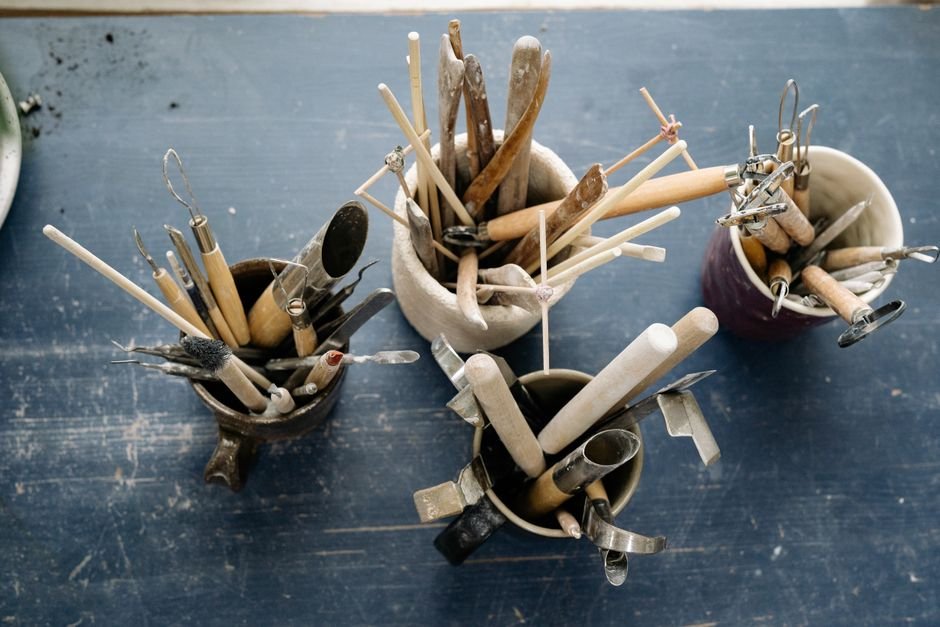
Ribbon tools take their name from the flattened metal ribbon loops that do the actual cutting, distinct from a wire loop tool’s rounded profile. Kemper’s Special Ribbon Series sits within the brand’s broader trimming tool range, built specifically around a smooth hardwood handle paired with sharpened stainless steel ribbon loops.
The loops themselves are held firmly in place by brass ferrules, a small but genuinely important construction detail that keeps the ribbon secure under the pressure of regular trimming work, rather than loosening or wobbling the way a less robust mounting method might over time.
The series comes in a few different sizes and loop widths, giving potters a choice between finer, more precise loops and wider ones suited to faster material removal, all built to the same core construction standard across the range.
Kemper as a brand has a long-standing reputation in the ceramics tool space more broadly, and the Special Ribbon Series sits as one of the more well-regarded lines within that wider catalogue, specifically built for potters who trim regularly enough to want a genuinely durable, well-considered tool.
How It Differs From Standard Ribbon Tools
Blade shape is one of the more noticeable differences, with Kemper’s ribbon loops sharpened and bevelled specifically to cut cleanly rather than simply scrape. That bevelled edge genuinely makes a difference in how smoothly the tool removes clay, particularly on firmer, leather-hard work.
Handle design is another area where the Special Ribbon Series stands out, using a genuinely comfortable, smooth hardwood handle sized for a secure grip during sustained trimming sessions, rather than a thinner or less ergonomic handle that can tire out your hand over a longer work period.
Durability is really where the series earns its reputation though. The combination of high-strength stainless steel ribbon and secure brass ferrule construction genuinely holds up to medium and heavy-duty use far better than a more basic, lower-cost ribbon tool that can bend or loosen with regular heavy trimming.
Consistency across the range is another quiet advantage. Because every tool in the series is built to the same construction standard, moving between different loop widths within the series feels genuinely familiar, rather than each size behaving noticeably differently the way mixing tools from several different, lower-consistency brands sometimes can.
What Trimming Tasks It Suits Best
Interior trimming, hollowing out the inside of a thicker-walled piece to reduce weight and even out thickness, is a genuine strength of this tool series, with the ribbon’s cutting profile removing material cleanly and efficiently even through firmer clay.
Exterior trimming, shaping foot rings and refining outer profiles on the wheel, is equally well suited to the series, particularly the narrower loop widths that give finer control over exactly how much material comes off in a single pass.
Fine detail work, like carving a crisp foot ring or refining a subtle curve, is where the more precise, narrower loop options in the series genuinely shine, offering a level of control that a wider, more general-purpose loop tool struggles to match.
Sculptural and hand-built work benefits from the series too, not just wheel-thrown pieces. Cleaning up seams, refining carved surfaces, or removing excess clay from a hand-built form all draw on the same clean-cutting quality that makes this tool series useful well beyond the wheel alone.
How It Feels To Use In Practice
Grip comfort is genuinely noticeable from the first use, with the smooth hardwood handle sitting comfortably in the hand during longer trimming sessions without the fatigue a thinner or less considered handle design can cause over time.
Control is where the sharpened, bevelled ribbon edge really shows its value, cutting cleanly through leather-hard clay with a genuinely satisfying, predictable feel rather than catching, dragging, or requiring extra pressure to remove material evenly.
For a genuine beginner still building trimming technique, there’s a bit of a learning curve with any ribbon tool, understanding how much pressure and angle to use takes some practice, but most potters find the series’ clean cutting action makes that learning process noticeably smoother than a lower-quality alternative would.
The weight and balance of the handle also contributes to how the tool feels in extended use, sitting comfortably without feeling too light and flimsy or unnecessarily heavy, a balance that genuinely matters more than it might seem to someone comparing tools purely on a spec sheet.
What Competing Guides Leave Out
How the Ribbon Series holds up with heavy studio use rarely gets addressed with real, practical detail. In our experience at Le Studio Art Space’s Ceramic Studio, tools from this series that see regular handling from many different members continue cutting cleanly well beyond what a budget alternative typically manages, which says a lot about the actual build quality behind the reputation.
Whether it’s worth the price over a basic ribbon tool for a beginner is another honest gap worth addressing. For someone still deciding whether trimming, and pottery more broadly, is a genuine long-term interest, starting with a more basic, inexpensive tool and trying studio-provided options first is a genuinely sensible approach before investing in a higher-end series like this one.
Sharpening and maintenance rarely get a clear mention either. Like any cutting tool, the ribbon edge can dull with heavy use over time, and knowing how to maintain or eventually replace a worn loop keeps a good-quality tool performing well for years rather than being discarded once it starts to feel less sharp.
Storage habits are a smaller but genuinely practical gap too. Keeping the ribbon loop protected from bumping against other metal tools in a shared bag or drawer helps preserve that sharpened edge for longer, a small habit that meaningfully extends how long the tool performs at its best.
Kemper Ribbon Series Versus Basic Trimming Tools
Basic, budget ribbon tools genuinely work fine for occasional, lighter trimming needs, and they’re a reasonable starting point for a beginner who isn’t yet sure how much trimming they’ll actually be doing on a regular basis.
A budget tool can also serve well as a genuine backup or a second option kept specifically for rougher, less precise removal work, letting you reserve a higher-end tool like the Ribbon Series for the finer trimming work where its precision genuinely makes the most difference.
The Special Ribbon Series earns its higher price point specifically through sustained durability and cutting performance under heavier, more frequent use, which matters far more to a serious hobbyist or working potter trimming regularly than to someone trimming occasionally.
For a first trimming tool, many studios, including ours, recommend trying whatever’s available on shared studio shelves first, getting a genuine feel for trimming technique before deciding whether investing in a higher-end series makes sense for your own regular practice.
Longevity is really the deciding factor for most working potters weighing this decision. A tool that lasts years of regular use, rather than needing replacement after a season or two of heavy trimming, often works out more cost effective over time even with a higher upfront price.

Want to feel the difference in a well-built ribbon tool for yourself? Try the Kemper Ribbon Series hands-on during a wheel class at Le Studio Art Space in Mordialloc.
Frequently Asked Questions
Is the Kemper Ribbon Series worth it for a genuine beginner?
Not necessarily on day one. It’s worth trying whatever trimming tools your studio already provides first to build basic technique before deciding whether a higher-end series suits your own regular practice and budget.
What actually makes the ribbon cut cleaner than a standard wire loop tool?
The flattened, sharpened, and bevelled ribbon profile removes material more cleanly than a rounded wire loop, particularly on firmer, leather-hard clay. That edge shape is really the core difference between ribbon and standard loop tools.
Do the ribbon loops wear out or dull with regular use?
Like any cutting tool, they can dull over time with heavy, regular use. In our experience, a well-maintained tool from this series still performs reliably for a long time before that becomes a genuine concern.
Which loop width should I start with as a beginner?
A mid-range width is generally the most versatile starting point, covering a reasonable range of trimming tasks. Narrower loops suit fine detail work, while wider ones remove material faster for heavier trimming jobs.
Is this series only useful for wheel-thrown work?
No, ribbon tools genuinely suit both wheel-thrown and hand-built sculptural forms, useful anywhere you need to remove or shape leather-hard clay cleanly, not just for foot rings and interior trimming on thrown pieces.
This article is provided for general educational purposes by Le Studio Art Space and reflects publicly available product information and common studio practice.