No bake ceramic paint pens work reasonably well for light decorative accents, since they air cure rather than needing a kiln, but they don’t match the vibrancy, durability, or food safety of a properly fired ceramic paint or glaze. They’re best treated as a convenient extra rather than a full replacement for a real studio firing.
No bake ceramic paint pens show up everywhere online, usually promising an easy way to decorate mugs, plates, and other pieces without ever needing a kiln. At Le Studio Art Space, this is one of those questions people ask with a slightly hopeful, slightly skeptical tone, because the idea sounds almost too convenient to be true. The honest answer sits somewhere in the middle, and understanding exactly where can save you from disappointment if you’re expecting studio-quality results.
Once you know what these pens actually are and how they behave compared to a proper fired finish, it becomes much easier to decide whether they suit what you’re trying to make.
What No Bake Ceramic Paint Pens Are
No bake ceramic paint pens are essentially specialty markers filled with an enamel or acrylic-based paint formulated to adhere to glazed or bisque ceramic surfaces without needing a firing to become permanent. They cure through air drying, sometimes helped along by a set period in a regular household oven at a low temperature, rather than a genuine high-heat kiln firing.
The appeal is obvious, since anyone can decorate a mug at their kitchen table without access to a studio or a kiln at all. That convenience is exactly why these pens have become popular for quick gifts and craft projects.
It’s worth being clear that these products are a genuinely different category from true ceramic paint or underglaze used in a working studio. They’re designed for accessibility rather than for matching the performance of a properly fired ceramic finish.
Understanding that distinction upfront sets realistic expectations for what a no bake pen can and can’t do, which matters a lot when you’re deciding what to actually use one for.
How They Perform Compared To Fired Ceramic Paint
Colour vibrancy is one of the more noticeable differences. Fired ceramic paint and glaze go through a genuine chemical transformation in the kiln, often producing richer, glossier, more saturated colour than an air cured pen can achieve sitting on top of the surface.
Coverage tends to differ too. No bake pens generally work best for fine lines, lettering, and small decorative details rather than broad, even coverage across a large surface, since the pen format itself lends itself more naturally to detail work.
Adhesion is where the gap becomes most apparent. A fired glaze becomes chemically bonded to the clay body itself, while a no bake pen sits more like a coating on top of the surface, which affects how it holds up over time in ways we’ll get into shortly.
None of this means no bake pens are bad, it just means they’re solving a different problem than a proper firing does, and comparing them directly to a kiln fired finish sets an unfair standard for what they were ever designed to do.
How Durable The Results Actually Are
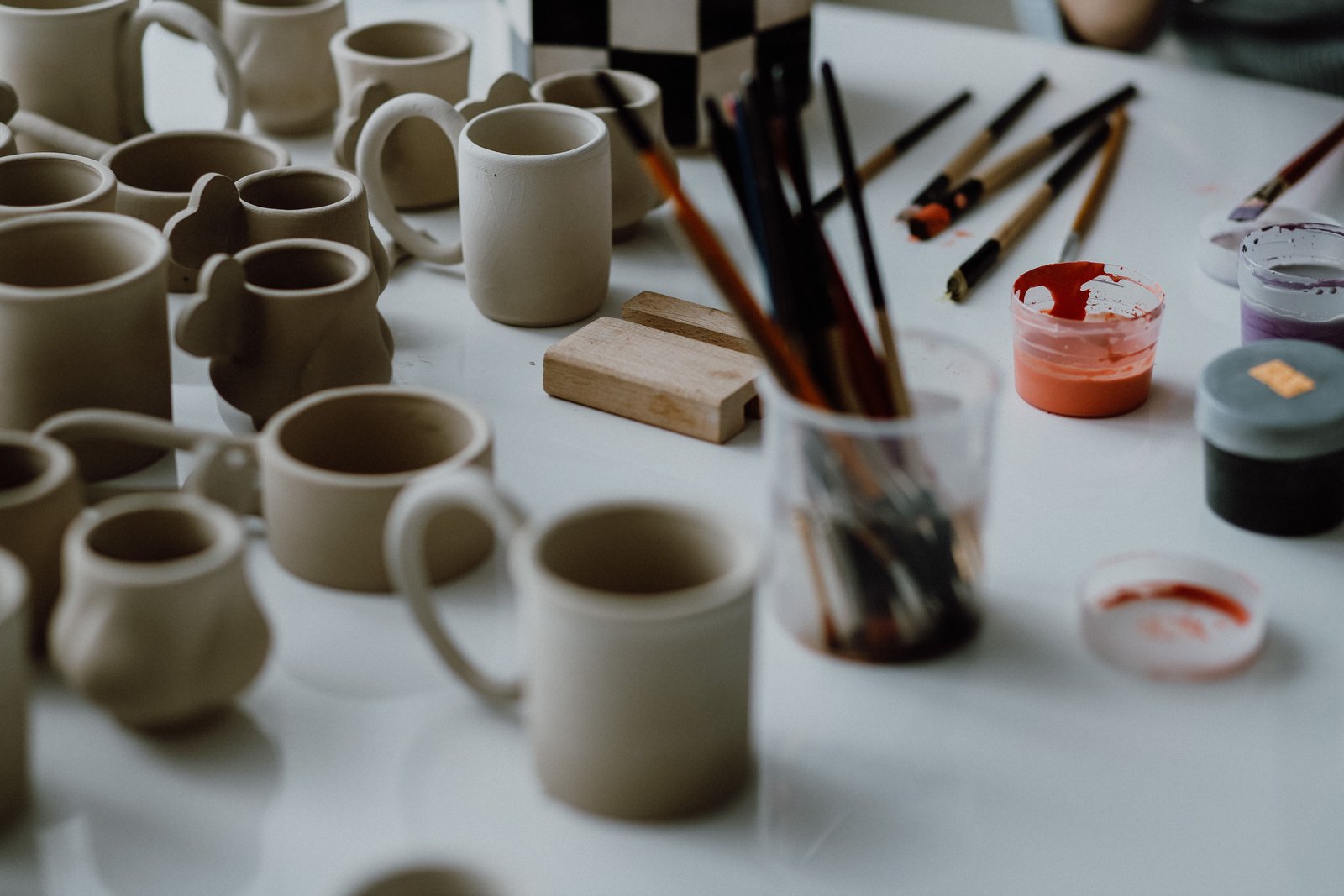
Durability is genuinely the weakest point for no bake pens compared to a proper fired finish. Most manufacturers explicitly recommend hand washing only, since dishwasher cycles and prolonged soaking can wear away the design over repeated use.
Everyday handling matters too. A piece decorated purely with a no bake pen and used daily as a coffee mug will likely show fading or wear on the design well before a properly glazed and fired piece would show any comparable change.
That said, for a piece that’s mostly decorative or only occasionally handled, this durability gap matters a lot less. A no bake pen design on a display piece can genuinely last a long time without ever facing the wear a functional mug would.
The honest takeaway is that durability expectations should match how the piece will actually be used, rather than assuming a no bake pen will hold up identically to a properly fired glaze under everyday conditions.
Best Uses For No Bake Paint Pens
Fine detail work is genuinely where these pens shine, whether that’s adding a name, a date, a small illustration, or delicate linework on top of an already glazed and fired piece. They’re a great tool for personalising a finished item without needing to send it back through a kiln.
They also work well for quick gifts or projects where the piece won’t see heavy daily use, like a decorative plate for display or a keepsake item that’s handled occasionally rather than washed constantly.
Kids’ craft projects are another genuinely good fit, since a no bake pen lets a child decorate a piece at home immediately without the wait and logistics of a kiln firing, even if the result isn’t quite as durable as a studio-fired piece would be.
Where they’re less suited is for anything intended for regular food or drink contact, since they aren’t generally rated food safe the way a properly fired, tested glaze is, which is worth knowing before choosing one for a functional mug.
They’re also a genuinely handy option for touching up a small chip or worn spot on an already fired piece, rather than sending an otherwise good mug or plate back for a full re-glaze over a minor cosmetic flaw. It’s a low-effort fix that can meaningfully extend how long you keep using a favourite piece.
What Competing Guides Leave Out
A gap many online guides skip is how curing time genuinely affects durability with these pens. Rushing the cure, whether that’s the air dry period or a recommended low-temperature oven set, tends to produce a noticeably weaker, more fragile finish than allowing the full recommended cure time.
Food safety is another area where guides are often vague rather than direct. Most no bake ceramic paint pens are explicitly marked as not food safe or for decorative use only, meaning they shouldn’t be used on the interior surface of anything meant to hold food or drink, even after curing.
It’s also worth knowing that results vary noticeably between brands, since formulations differ in how well they adhere, how vibrant the colour is, and how they hold up over time. Reading the specific manufacturer’s instructions rather than assuming all pens behave the same way genuinely matters here.
Surface preparation is another overlooked factor. A clean, dry, dust-free surface improves adhesion significantly, and skipping that simple step is one of the more common reasons people end up disappointed with how a design holds up.
No Bake Paint Pens Versus A Proper Studio Firing
A proper studio firing genuinely offers a different tier of result, with richer colour, permanent chemical bonding, and in many cases a food safe finish suitable for everyday use. That comes at the cost of needing kiln access and accepting a longer turnaround than an at-home pen allows.
No bake pens trade some of that performance for convenience and speed, which is a completely reasonable choice depending on what you’re making and how quickly you want it done. Neither approach is universally better, they simply suit different situations.
Many potters actually use both, choosing a no bake pen for quick personal touches on an already fired piece, while relying on a proper studio firing for anything meant to be used daily or given as a more considered gift.
If you’re genuinely unsure which suits your project, comparing the two side by side during a session at a working studio is a good way to see the difference firsthand rather than guessing from photos online. Seeing both finishes next to each other in person tends to make the decision far more obvious than any written comparison ever could.
Curious how a proper fired finish compares to a no bake pen? Come see for yourself during a session at Le Studio Art Space in Mordialloc.
Frequently Asked Questions
Are no bake ceramic paint pens actually worth buying, or are they a gimmick?
They’re genuinely useful for fine detail and quick decorative projects, but they’re not a full substitute for a proper fired finish. Understanding that distinction upfront helps you use them for what they’re actually good at.
Can I use a no bake pen on a mug I’ll drink from every day?
It’s not recommended for regular food or drink contact, since most no bake pens aren’t rated food safe. A properly fired glaze, like the kind used at Le Studio Art Space, is the safer choice for functional daily use pieces.
Will the design wash off in the dishwasher?
It’s likely to fade or wear over repeated dishwasher cycles, since most manufacturers recommend hand washing only for pieces decorated with these pens.
Do I really need to bake or heat it at all, or is it truly no bake?
Many brands recommend a low-temperature oven set to help the paint cure fully, even though it’s marketed as no bake, so it’s worth checking the specific product’s instructions rather than assuming zero heat is involved.
Why does the colour look duller than I expected once it’s dry?
Air cured paint typically doesn’t reach the same vibrancy as a properly fired glaze, since it doesn’t undergo the same chemical transformation that happens inside a kiln.
This article is provided for general educational purposes by Le Studio Art Space and reflects common product behaviour. Always check the specific manufacturer’s instructions and food safety rating before use.