The main shared art studio red flags are vague agreements and surprise fees, poor ventilation and dust control, unreliable or overbooked access to kilns, wheels and other equipment, dirty or badly maintained common areas, and a community culture that clashes with how you work. A good studio answers questions openly, shows you around properly and puts its terms in writing.
Joining a shared studio can transform your practice. You get space, equipment, community and a reason to show up regularly. But not every studio is a good fit, and some problems only reveal themselves after you’ve signed up and moved your materials in. Knowing the shared art studio red flags ahead of time can save you money, stress and wasted months.
At Le Studio Art Space in Mordialloc, we run individual, shared and teaching studios alongside a ceramic studio, so we think a lot about what makes shared spaces work. This guide covers the shared art studio red flags worth watching for, from unclear terms and safety issues to equipment access, upkeep and culture, plus the questions to ask on a tour.
Shared Art Studio Red Flags: Unclear Terms And Hidden Costs
A lack of written terms is one of the clearest shared art studio red flags. If a studio can’t tell you clearly what you’re paying for, what’s included and how to leave, expect confusion later.
Look for a written agreement that covers fees, payment dates, notice periods, access hours, storage, insurance requirements and house rules. Read it before you commit, and ask about anything that isn’t clear.
Hidden costs are another warning sign. Some studios advertise a low base rate, then add separate fees for kiln firings, clay, glaze, storage, cleaning or after hours access. Extra fees aren’t necessarily bad, but they should be explained upfront.
Ask whether prices include GST, how often fees change, and how much notice you’ll get before an increase.
Be wary of pressure to sign quickly. A reputable studio will let you take time to read terms and visit more than once.
Transparency is a good sign. At Le Studio, our shared space lists a monthly lease and a casual day rate, so artists can try the space before committing. Our studio hire cost planner helps you compare options.
Also check what happens to your work and materials if you leave or the studio changes hands. A clear policy on clearing out, storage deadlines and uncollected work protects both you and the studio.
Poor Safety And Ventilation
Safety is a non negotiable. Dust, fumes and poorly maintained equipment can affect your health and the health of everyone around you.
In ceramic spaces, clay and glaze dust is a key concern. Fine silica dust shouldn’t be swept dry or allowed to build up. Look for wet cleaning practices, mopped floors and wiped surfaces rather than dusty corners.
Ventilation matters for painters, printmakers and anyone using solvents, sprays or resins. Ask how the space is ventilated and whether certain materials are restricted.
Kilns need proper installation, ventilation and clearances. If a kiln room looks cluttered, has flammable materials stored nearby or lacks clear operating rules, treat it as a warning sign.
Check basic safety equipment too: fire extinguishers, first aid kits, clear exits and good lighting. Ask who’s responsible for safety and how incidents are handled.
Finally, look for safety guidance. Good studios have rules for equipment use, induction for new members and clear signage.
Ask about after hours safety as well. If you’ll work alone at night, find out how access is controlled, whether there’s lighting outside, and who to contact if something goes wrong.

Unreliable Access To Equipment
Shared studios often advertise equipment, but access matters more than the list. A studio with three kilns doesn’t help if they’re always booked or frequently out of action.
Ask how booking works. Is there a calendar, an app or a whiteboard? How far ahead can you book? Are there limits per person?
Kiln access is a frequent pain point in ceramic studios. Ask how firings are scheduled, how long you typically wait, and who loads and unloads. A firing service with clear turnaround times is a good sign. Our firing service typically works within five to fifteen working days.
For wheels and other shared tools, ask how many members share them and whether peak times are crowded.
Equipment maintenance is another indicator. Broken wheels, elements that never get replaced or tools left in poor condition suggest wider management problems.
Our article on inside a working ceramic studio explains what equipment areas usually look like.
It’s also worth asking what happens when equipment breaks. Is there a process for reporting faults, and how quickly are repairs usually made? A studio that answers this confidently is usually one that takes maintenance seriously.
Poor Maintenance And Cleanliness
Shared spaces need constant upkeep. When nobody takes responsibility, mess builds quickly and the space becomes less safe and less pleasant.
Look at common areas. Are sinks clogged with clay, benches crusted with old materials, or bins overflowing? Those are signs that cleaning systems aren’t working.
Ask about cleaning rosters, clean up expectations and whether professional cleaning happens. In ceramic spaces, ask how sinks are protected from clay buildup.
Storage is another clue. Overflowing shelves, abandoned work and unlabelled materials suggest unclear storage rules.
Building maintenance matters too. Leaks, broken heating or cooling, poor lighting and unreliable internet can all affect your work.
Clean doesn’t have to mean spotless. Working studios get messy. The key is whether there are systems to bring things back to a usable state.
Notice how existing members treat the space. If people clean up after themselves without being reminded, the studio’s systems are probably working. If everyone seems to leave mess for someone else, expect that to continue.
A Community That Does Not Fit
Community is one of the best parts of a shared studio, but it can also be a red flag if the culture clashes with how you work.
Noise levels vary. Some studios are lively and social, with music and conversation. Others are quiet and focused. Neither is wrong, but a mismatch can be frustrating.
Respect for shared space matters. Do members borrow tools without asking, use others’ materials or spread into shared areas? Watch how people interact during your visit.
Communication style is another factor. Is there a group chat, regular meetings or a manager who handles issues? Clear communication helps conflicts get resolved early.
Inclusivity is important. A welcoming studio makes room for different backgrounds, mediums and experience levels.
Our article on individual studio versus shared studio versus studio membership helps you decide which setup suits your working style.
What Competing Guides On Shared Art Studio Red Flags Leave Out
Most guides list red flags without explaining what to ask on a studio tour. Useful questions include: What exactly is included in the fee? How do I book equipment? How are firings scheduled? What are the cleaning expectations? How much notice do I need to give to leave? Can I talk to a current member?
Ask to visit at the time you’d normally work. A studio can feel very different on a quiet weekday morning than a busy evening.
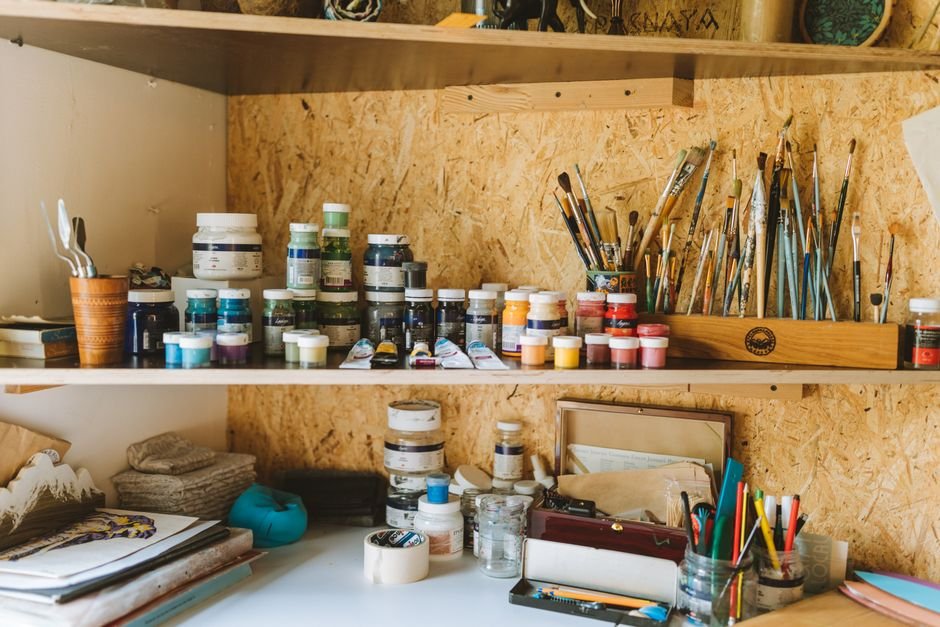
Another gap is how to judge whether a studio suits your medium. A painter needs good light and ventilation. A ceramicist needs kiln access, sinks with clay traps and space for drying work. A printmaker needs press access and safe solvent storage.
Check whether the studio has experience with your medium. A space designed for painting may not handle clay dust well, and a ceramic studio may not suit oil painters.
At Le Studio, our ceramic studio, individual studios and shared space cater to different mediums. Our guide to choosing a pottery studio membership offers more tips.
The best way to judge a studio is to see it in person. Arrange a tour of the shared studio space at Le Studio Art Space in Mordialloc, ask every question on your list, and meet the artists who work here.
Frequently Asked Questions
What should I look for when touring a shared art studio?
Check cleanliness, ventilation, equipment condition, storage and the general atmosphere. Ask about fees, booking systems and house rules.
Is it normal for shared studios to charge extra fees?
Some do, for things like firing, materials or storage. The key is that fees are explained clearly upfront.
How can I tell if a ceramic studio is safe?
Look for wet cleaning practices, good ventilation, properly installed kilns and clear safety rules. Dusty floors and cluttered kiln areas are warning signs.
Should I sign a contract for a shared studio?
A written agreement protects both you and the studio. Read it carefully, and ask questions about anything unclear.
Can I visit Le Studio Art Space before joining?
Yes. Le Studio Art Space welcomes visits, and the shared space casual day rate lets artists try the studio before committing to a monthly lease.
This article is provided for general educational purposes by Le Studio Art Space. It does not constitute legal, financial or safety advice, so review any agreement carefully and seek professional advice where needed.