Popular ceramic artists worth following today range from internationally recognised names showing in major galleries to local and emerging makers building a following through social media and small exhibitions. The most useful ones to follow are the ones whose style genuinely speaks to you, not simply whoever has the most recognition.
Popular Ceramic Artists Worth Following Today
Once you start paying attention to ceramic art, it’s easy to fall down a genuinely satisfying rabbit hole of artists, styles, and techniques you never knew existed. At Le Studio Art Space, members often ask where to start when they want to follow more ceramic artists for inspiration, and the honest answer is that there’s no single right list. There’s a wide, genuinely varied field worth exploring.
Rather than handing over a fixed list of names, it’s more useful to understand what actually makes an artist worth following, and where to look so you can build a list that genuinely reflects your own taste.
What Makes An Artist Worth Following In This Space
Technical skill is an obvious starting point, but it’s rarely the whole story. Plenty of technically excellent potters produce work that doesn’t particularly stand out, while artists with a distinctive visual voice, even a rougher or more experimental one, often stick in people’s minds far longer.
A clear point of view matters a lot too. Artists worth following tend to have a recognisable thread running through their work, whether that’s a consistent colour palette, a particular form they keep returning to, or a conceptual theme that shows up across many pieces.
Visibility and consistency play a role as well, since an artist who shares their process regularly, whether through exhibitions, social media, or publications, simply gives you more material to actually engage with and learn from over time.
None of this means popularity alone equals worth following. Plenty of genuinely excellent ceramic artists have a smaller, quieter following, and some of the most rewarding discoveries come from artists who aren’t yet widely known.
How an artist talks about their own process can also be a strong signal, since someone willing to explain their thinking, mistakes included, tends to offer far more genuine learning value than someone who only ever shows a polished final result.
A Range Of Styles Worth Exploring
Functional ware makers, people focused on beautifully made mugs, bowls, and everyday pieces, remain a huge and genuinely inspiring part of the ceramic art world, proving that function and artistry aren’t mutually exclusive.
Sculptural ceramic artists sit at the other end of the spectrum, treating clay purely as a material for form and concept rather than function, often producing work that pushes scale, texture, or narrative in ways functional ware rarely attempts.
Somewhere in between are artists blending both worlds, making pieces that are technically usable but clearly designed with a sculptural or conceptual sensibility first, blurring the line between a beautiful object and a purely artistic statement.
Exploring across these different styles, rather than settling into just one, tends to expose you to a much wider range of technique and thinking than sticking to a single narrow lane ever would.
Even within a single style category, there’s real diversity worth noticing, since two functional ware makers can approach form, glaze, and finish in completely different ways while both producing genuinely beautiful, usable pieces.
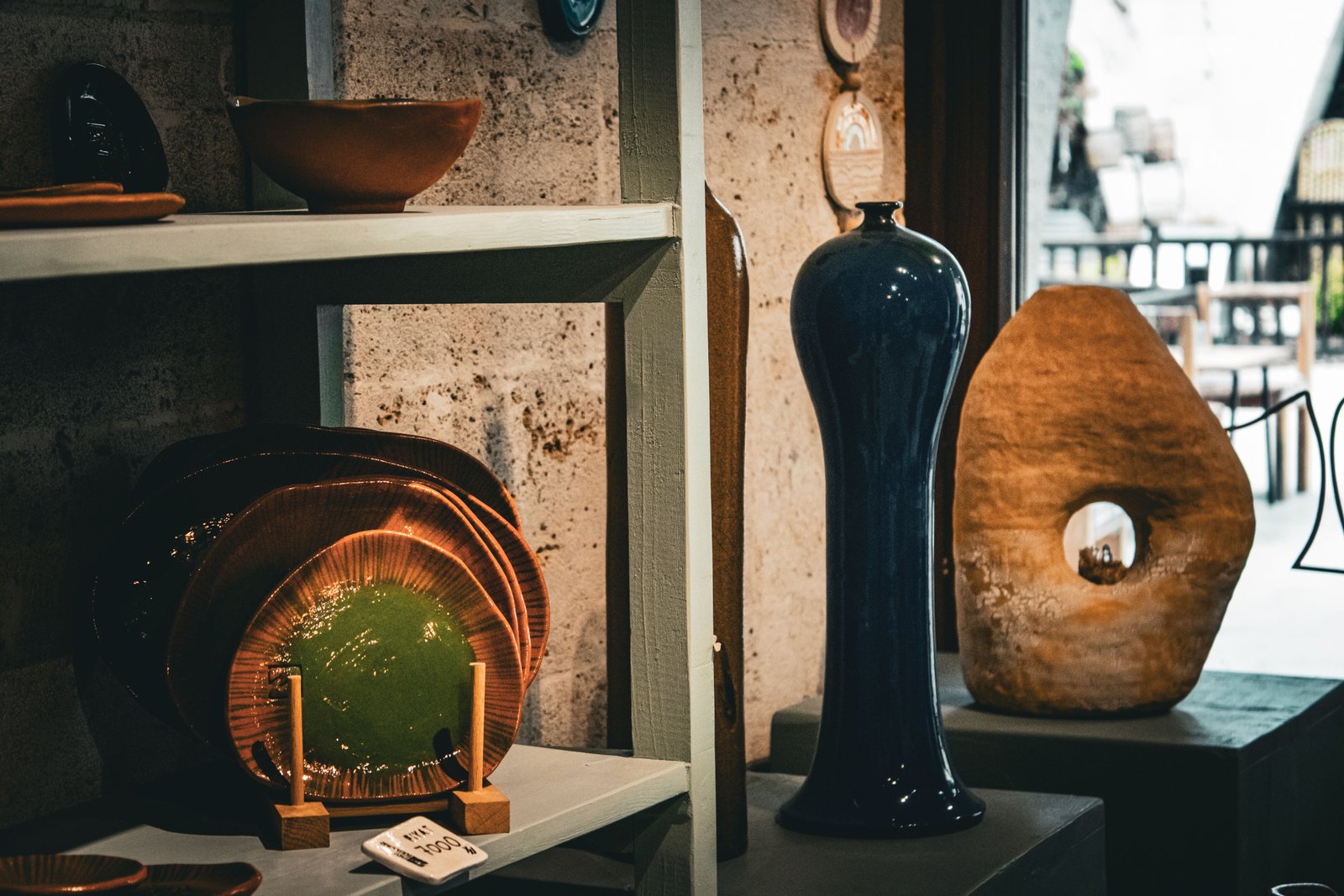
Where Most Potters Discover New Ceramic Artists
Social media has become one of the biggest discovery spaces for ceramic art, with many artists sharing process videos, finished pieces, and studio life directly with followers, offering a level of access that simply didn’t exist a generation ago.
Gallery and museum exhibitions remain genuinely valuable too, particularly for seeing scale, texture, and glaze detail that photographs rarely capture accurately. There’s a real difference between seeing a piece online and standing in front of it.
Ceramics publications and dedicated craft magazines continue to feature working artists in depth, often with more context about process and background than a short social media post ever provides.
Word of mouth within a studio community shouldn’t be underestimated either. Many potters find their favourite artists through a fellow member or instructor mentioning someone whose work genuinely resonated with them.
Art book publishers and dedicated ceramics archives are a slower but genuinely rewarding discovery route too, particularly for finding historical context behind artists whose influence still shapes contemporary practice today.
Local Versus Internationally Known Artists
Internationally known ceramic artists offer a valuable window into where the craft is heading globally, often setting trends that eventually filter down into wider studio practice over time.
Local artists, including many working around Melbourne’s bayside creative community, offer something different, a chance to actually see work in person, attend an opening, or even meet the artist directly at a local exhibition or pop-up show.
Following both genuinely rounds out your perspective, giving you exposure to global trends alongside the more grounded, accessible experience of engaging with artists working close to home.
There’s also real value in supporting local artists directly, since that support helps sustain a working creative community rather than only engaging with names already established on an international stage. Buying a piece directly from a local maker, or simply attending their exhibition opening, genuinely helps sustain that person’s practice in a tangible way.
What Competing Guides Leave Out
Many general articles on this topic lean heavily toward a fixed list of famous international names, which can actually be a little discouraging for someone still figuring out their own taste, since it implies there’s a single correct set of artists to know.
A genuinely more useful approach is finding artists whose work resonates with your own interests and style, rather than following someone purely because they’re widely recognised. An artist who barely registers for one person might be exactly the right inspiration for another.
Emerging and local artists deserve more attention than they usually get in these kinds of guides, since discovering someone early, before they’re widely known, can be genuinely rewarding and gives you a front row seat to watching their style develop.
It’s also worth pointing out that following an artist doesn’t mean copying their work directly. The real value is in absorbing influences and ideas, then translating them into something that’s genuinely your own.
A related gap is that many guides never mention how to actually reach out to an artist you admire. A thoughtful comment or a genuine question about their process is usually welcomed far more warmly than people expect, especially from smaller, less established makers.
Following Artists As A Way To Grow Your Own Practice
Regularly looking at other people’s ceramic work, whether online or in person, naturally feeds back into your own studio practice, often in ways you don’t consciously notice until you look back at how your own style has shifted.
It can also help push you out of a comfortable rut, giving you a reason to try a technique, form, or colour combination you might never have considered without seeing someone else explore it first.
Many potters find that following a mix of local and internationally known artists keeps their own motivation high, since there’s always something new to notice and think about between studio sessions.
At Le Studio Art Space, this kind of ongoing inspiration is genuinely part of the culture, with members regularly sharing artists and exhibitions they’ve come across during classes and casual studio conversation. That habit of sharing discoveries out loud, rather than keeping inspiration private, is part of what makes a working studio community genuinely valuable over time.

Want to talk ceramic artists and inspiration in person? Join a class or drop by Le Studio Art Space in Mordialloc and see what’s currently on the walls.
Frequently Asked Questions
Do I need to follow famous artists to actually learn anything useful?
Not at all. Plenty of lesser known and local artists offer just as much genuine insight and inspiration, and their work can sometimes feel more directly relevant to your own developing practice.
Is it copying if I’m inspired by another ceramic artist’s style?
Being inspired isn’t the same as copying. The goal is absorbing ideas and influences, then filtering them through your own taste and technique to make something genuinely your own.
How do I find local ceramic artists instead of just big international names?
Local galleries, studio exhibitions, and community pop-up shows, like the ones sometimes hosted at Le Studio Art Space, are genuinely good starting points for discovering artists working close to home.
Is social media actually a reliable way to discover good ceramic artists?
It can be, since many artists share process and finished work directly, though it’s worth remembering that photos don’t always capture texture, scale, or glaze accurately compared to seeing a piece in person.
What if none of the popular artists I see online actually match my own taste?
That’s completely normal, and it’s worth exploring more broadly across different styles, local artists, and smaller exhibitions rather than assuming popularity should dictate what resonates with you personally.
This article is provided for general educational purposes by Le Studio Art Space and reflects general observations about the ceramic art community. It is not an exhaustive or ranked list of artists.