A beginners ceramics class typically starts with an introduction and demonstration, followed by genuine hands-on time making a simple first project, with an instructor offering guidance throughout. Most classes provide materials and basic tools, so you mainly just need to show up ready to get your hands a little messy.
What To Expect In A Beginners Ceramics Class
Booking a first ceramics class often comes with a small flutter of nerves, especially for anyone who hasn’t touched clay since a childhood art project. At Le Studio Art Space, this is completely understandable, and knowing roughly what to expect genuinely helps take the edge off that first-timer uncertainty before you even walk through the door.
Here’s a realistic breakdown of how a typical beginners class actually unfolds, from the moment you arrive to what happens well after class ends.
How A Typical First Class Is Structured
Most beginners classes open with a brief introduction, covering basic safety, an overview of the studio’s equipment, and a short explanation of what you’ll actually be making during the session.
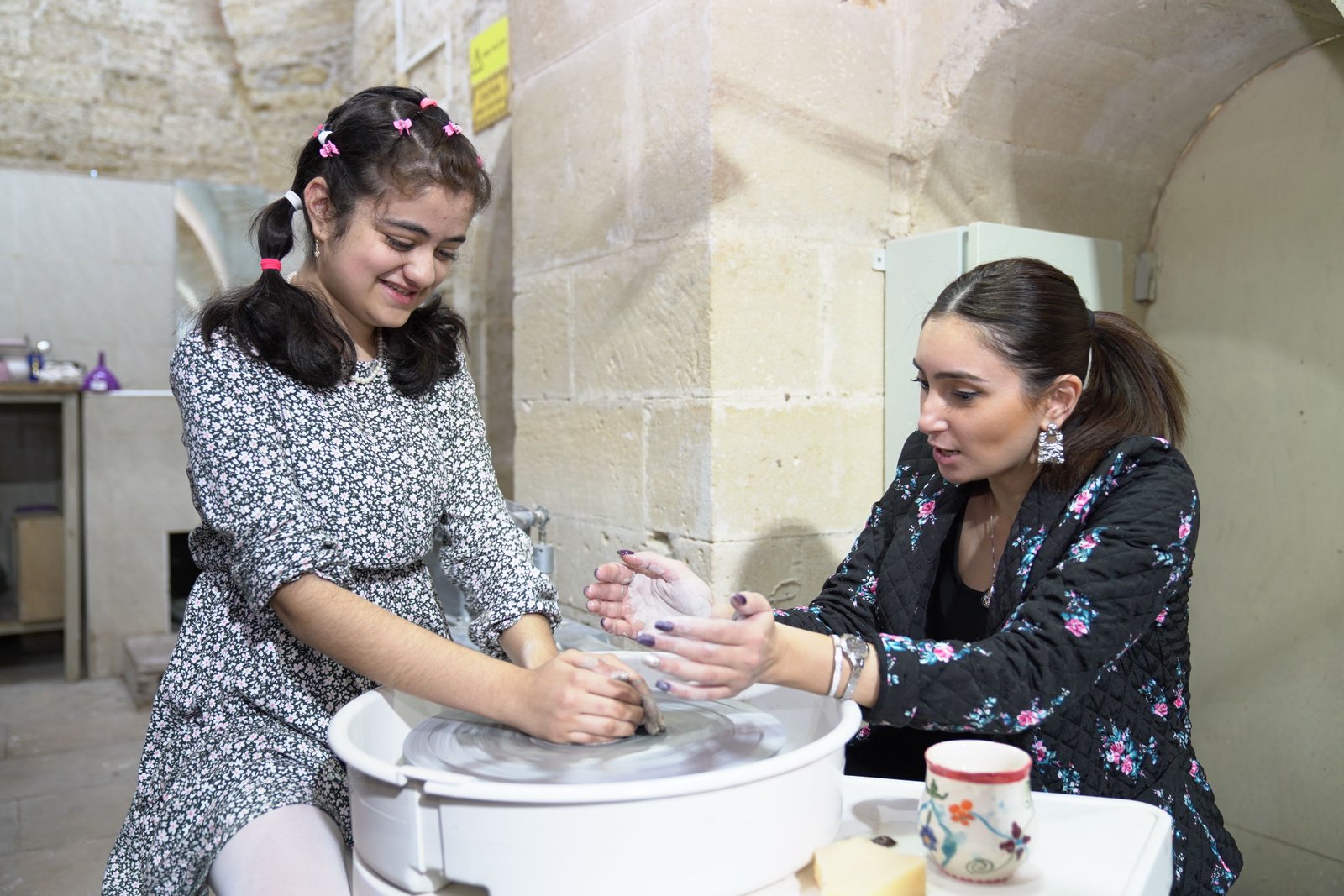
A demonstration typically follows, with the instructor showing the specific technique you’ll be learning, whether that’s basic hand building or an introduction to the wheel, before students move into hands-on practice themselves.
The bulk of class time is genuinely spent hands-on, working directly with clay under the instructor’s guidance, with far more time dedicated to actual practice than to watching or listening to instruction.
A typical two-hour beginners session might spend only fifteen to twenty minutes on introduction and demonstration, leaving the rest of the time for you to actually work the clay yourself with support close at hand whenever you need it.
Classes typically wrap up with a brief chance to clean up your workspace and hear what happens next for your piece, including drying and firing timelines you’ll need to know before you head home. Instructors also often use this final stretch to answer any lingering questions from the session.
What You Will Actually Make On Day One
First projects are deliberately kept simple, often a basic pinch pot, a small hand built dish, or an introductory attempt at centering clay on the wheel, rather than anything technically demanding.
The goal of a first project isn’t a polished, perfect piece, it’s genuinely about getting comfortable with how clay feels and responds to your hands, which matters far more at this stage than the final result looking impressive.
It’s completely normal, and expected, for a first piece to look a little rough or uneven, and instructors genuinely don’t judge this, since it’s simply part of everyone’s starting point in learning a new hands-on skill.
Some beginners classes offer a small choice between two or three simple project options, letting you pick whichever appeals to you most rather than everyone in the room making an identical piece.
Many students are pleasantly surprised by how satisfying even a simple first project feels, especially once they see it through drying and firing to a genuinely finished, usable piece afterward. That satisfaction is often exactly what turns a curious first-timer into a regular studio visitor.
What Is Provided Versus What You Should Bring
Most studios, including Le Studio Art Space, provide clay, basic tools, and access to equipment like wheels and kilns as part of a beginners class, meaning you generally don’t need to buy anything before your first session.
Aprons are often available too, though bringing clothes you don’t mind getting a little dirty is genuinely a sensible backup, particularly for wheel throwing where splatter is more likely than in hand building.
It’s worth confirming exactly what’s included when you book, since specifics can vary between studios, and knowing in advance saves any last-minute scrambling to find or buy something you assumed would be provided.
Closed, comfortable shoes are also worth considering, particularly for a studio with a working kiln area, since open sandals aren’t ideal around the kind of equipment and materials found in a ceramic studio.
Beyond appropriate clothing, there’s genuinely little else you need to bring for a first class, since the whole point of a beginners session is to lower the barrier to simply trying it out. Arriving a few minutes early is generally the only other thing worth planning for, giving you time to settle in before things get started.
How Much One On One Guidance To Expect
Class sizes for beginners sessions are typically kept small specifically to allow genuine individual attention, since hands-on skills like centering clay are hard to learn well from group demonstration alone.
Instructors generally circulate throughout the hands-on portion of class, checking in with each student and offering hands-on correction where needed rather than leaving anyone to figure it out entirely alone.
Don’t hesitate to ask questions during class, even ones that feel basic, since instructors genuinely expect and welcome questions from beginners as a normal, healthy part of the learning process, and there’s really no such thing as a silly question in a first session.
The amount of individual guidance you receive can vary somewhat with class size, so if personalised attention matters a lot to you, it’s worth asking about typical class sizes when booking. A smaller group generally means more one on one time with the instructor across the whole session.
What Competing Guides Leave Out
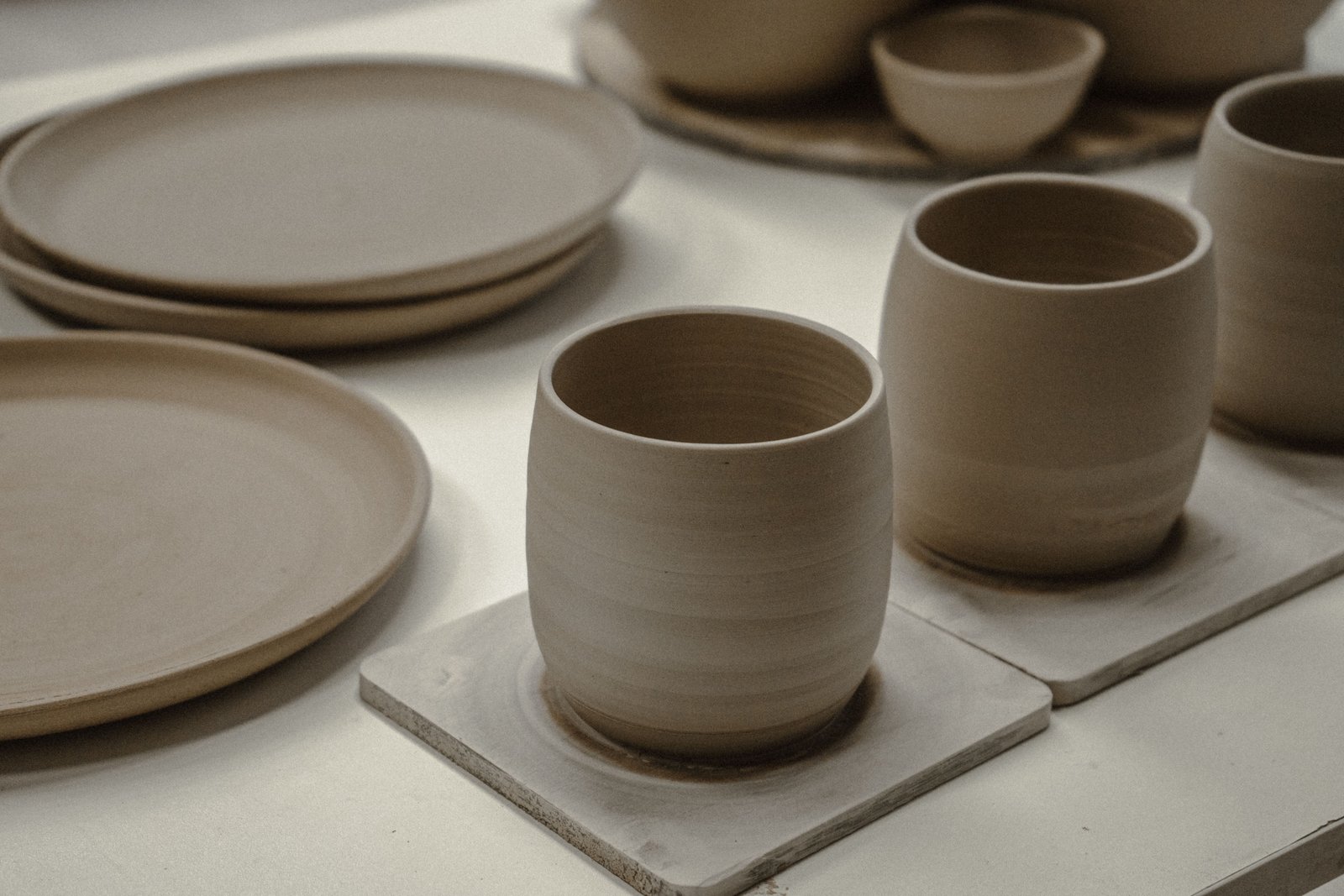
A detail many general guides skip is what actually happens to your piece after class ends, since it typically needs drying time before a bisque firing, followed by glazing and a second firing, meaning you won’t take a finished piece home the same day.
This timeline, often a week or more depending on the studio’s firing schedule, catches some first-timers by surprise, so it’s worth asking directly at the end of class roughly when your piece will be ready, especially if it’s intended as a gift for a specific date.
It’s also worth mentioning that most nervous beginners report feeling noticeably more comfortable by the end of their very first class, once the initial unfamiliarity wears off and hands-on practice takes over from anticipation.
Some guides also skip addressing cost transparency, so it’s worth confirming upfront exactly what’s included in a class price, including firing, to avoid any unexpected additional charges later. A quick question before booking clears this up far more easily than discovering it after the fact.
What Happens After Your First Class
Your finished piece typically goes through a drying period before its first, bisque firing, a process that can take anywhere from several days to a couple of weeks depending on the piece and the studio’s schedule.
Depending on the class structure, you may return for a second session to glaze your piece before its final firing, or the studio may handle this stage as part of a package deal, so it’s worth clarifying which applies to your specific class.
Many first-time students find that seeing their finished, fired piece for the first time is genuinely one of the most rewarding parts of the whole process, often prompting them to book a follow-up class not long after collecting it.
If you enjoyed your first class, ask staff about ongoing options, whether that’s further classes, casual studio access, or a membership, so you can keep building on what you learned during your first session rather than letting that early momentum fade.
Ready to book your first beginners ceramics class? Get started at Le Studio Art Space in Mordialloc and see what all the excitement is about.
Frequently Asked Questions
Is it embarrassing if my first piece looks really rough?
Not at all. Instructors genuinely expect first attempts to look uneven or imperfect, and it’s treated as a completely normal part of everyone’s starting point, not something to feel self-conscious about.
Do I need any experience or prior skill before booking a beginners class?
No prior experience is needed at all. Beginners classes, like those at Le Studio Art Space, are specifically designed for people who have never worked with clay before.
Will I take my finished piece home the same day?
No, typically not. Your piece needs drying and firing time afterward, which can take anywhere from several days to a couple of weeks depending on the studio’s schedule.
What if I feel nervous or out of place as a total beginner?
That’s completely normal, and most nervous beginners report feeling noticeably more comfortable by the end of their very first class once hands-on practice takes over from initial anticipation.
Do I need to bring my own tools or clay?
Generally, no. Most studios provide clay and basic tools as part of a beginners class, though it’s always worth confirming exactly what’s included when you book.
This article is provided for general educational purposes by Le Studio Art Space and reflects common class structure. Specific details may vary by studio and class type.