Clay that’s too wet tends to stick to your hands and tools and collapse under its own weight, while clay that’s too dry feels stiff, resists shaping, and cracks at the edges. Learning to recognise both signs early makes wheel throwing and hand building noticeably easier and more predictable.
Almost every potter, beginner or experienced, has hit a moment mid-project where the clay just isn’t cooperating and it’s hard to immediately tell why. At Le Studio Art Space, this is one of the most common frustrations newer members bring up, and more often than not, the actual answer comes down to moisture, either too much or too little. Learning to recognise the signs quickly saves a lot of frustration and wasted effort at the wheel or work table.
Once you know what to look and feel for, adjusting your clay’s consistency becomes a normal, almost automatic part of working rather than a mysterious problem you can’t quite pin down.
Signs Your Clay Is Too Wet
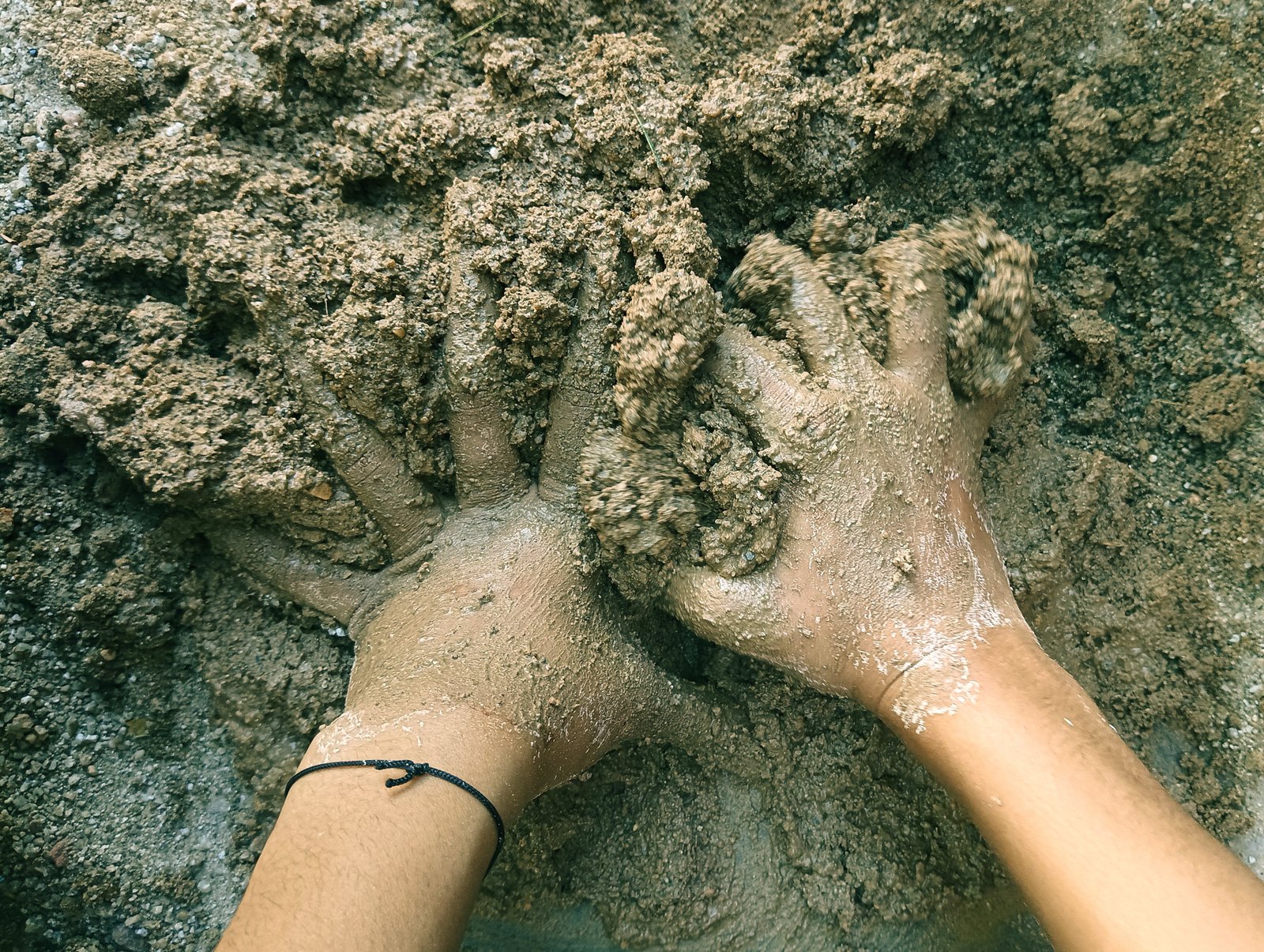
Clay that’s too wet tends to stick noticeably to your hands, tools, and the wheel head, making it hard to get clean, controlled movement, since everything you touch seems to drag or cling rather than release cleanly.
On the wheel specifically, overly wet clay often struggles to hold its shape as you throw, collapsing, slumping, or wobbling even when your technique is otherwise sound, since the clay simply doesn’t have enough structural strength to support itself yet.
In hand building, wet clay can feel almost slippery and difficult to join cleanly, since excess moisture at a seam can actually work against a strong bond rather than helping it, contrary to what beginners sometimes assume.
Visually, overly wet clay often looks slightly glossy or has visible surface moisture, and pressing a finger into it may leave a mark that doesn’t spring back or hold its shape properly.
If you notice these signs, it’s a clear signal to slow down and address the moisture level before continuing, since pushing forward with clay that’s too wet usually leads to more frustration rather than less. It’s a much smaller fix at this stage than trying to correct a piece that’s already collapsed partway through throwing.
Signs Your Clay Is Too Dry
Clay that’s too dry feels stiff and resistant under your hands, requiring noticeably more effort to shape than clay at the right consistency, and that extra resistance is often the first sign something’s off.
Cracking along edges or in thinner sections is one of the clearest signs of clay drying out too much while you’re working with it, particularly around rims, handles, or any area that’s naturally thinner than the rest of the piece.
On the wheel, dry clay tends to fight you rather than move smoothly under your hands, often chattering or catching unevenly rather than centering and shaping in one fluid motion.
In hand building, dry clay struggles to join properly to other pieces, since there isn’t enough moisture left to create a genuine bond between two sections, which often shows up later as a crack right along the seam.
Clay that’s gone very dry can also start to feel crumbly at the edges, almost powdery to the touch, which is a clear sign it’s moved well past workable and needs rehydrating before you continue. Trying to force a shape at this point usually just accelerates cracking rather than producing anything usable.
Why Getting The Moisture Right Matters So Much
On the wheel, correct moisture is essential for centering, since clay that’s too wet or too dry both fight against the smooth, even pressure that centering genuinely depends on to work properly.
In hand building, moisture consistency affects how well separate pieces of clay actually bond together, and a poor bond from mismatched moisture levels is one of the more common reasons a piece cracks later, sometimes not until after it’s already been fired.
Consistent moisture also affects drying evenness after you’ve finished a piece, since clay that started out unevenly wet or dry tends to dry unevenly afterward too, increasing the risk of warping or cracking well after you’ve put the tools down.
Getting this right isn’t about achieving some rare, perfect state, it’s simply about staying within a workable range and adjusting as needed rather than pushing through clay that’s clearly fighting you. Even experienced potters make small moisture adjustments constantly throughout a session rather than getting it perfect once and never touching it again.
Quick Fixes For Clay That Is Slightly Off
For clay that’s slightly too dry, wedging in a small amount of water gradually, rather than all at once, usually brings it back into a workable range without overshooting into overly wet territory.
For clay that’s slightly too wet, letting it sit exposed to air for a short period, or wedging it against a slightly absorbent surface like plaster, can help draw out some of the excess moisture before you continue.
A spray bottle of water is a simple, genuinely useful tool for maintaining moisture during a longer session, letting you lightly mist a piece that’s starting to dry out without needing to fully rehydrate it completely from scratch every time.
For more significantly dried out clay, a full reclaim process, breaking it down and rehydrating it more thoroughly, is often more effective than trying to work small amounts of water into an already stiff, resistant lump.
What Competing Guides Leave Out
Humidity and studio conditions genuinely affect clay’s moisture level day to day, something many general guides skip entirely. A humid room can keep clay workable noticeably longer, while a dry, air-conditioned space can dry it out faster than you’d expect during a single session.
Time of year and even time of day can subtly change how clay behaves in the same studio, which is part of why an experienced potter often adjusts instinctively rather than following a fixed, universal rule about moisture.
Knowing when a piece is too far gone to fix is another gap worth addressing honestly. If a piece has cracked badly or crumbled apart, it’s often more efficient to reclaim the clay entirely and start fresh rather than trying to rescue a badly compromised piece.
It’s also worth mentioning that different clay bodies hold moisture differently, so a technique that works well for one type of clay may need slight adjustment when you switch to a different body with a different grog content or particle structure.
Getting A Feel For The Right Consistency Over Time
Recognising the right moisture level by feel genuinely comes with practice, and it’s completely normal for a beginner to need several sessions before this starts to feel intuitive rather than like active guesswork.
Paying attention to how clay feels each time you sit down to work, rather than assuming every bag or reclaimed batch behaves identically, helps build this instinct faster than treating it as a fixed, one-time lesson learned once and forgotten.
Asking an instructor to check your clay’s consistency during early sessions is a genuinely useful shortcut, since direct feedback on what right actually feels like speeds up the learning process considerably compared to figuring it out entirely alone and guessing.
Over time, most potters stop consciously thinking about this at all, adjusting moisture almost automatically the same way an experienced cook adjusts seasoning without measuring every single time. That instinct is genuinely one of the more satisfying milestones in learning to work with clay confidently.
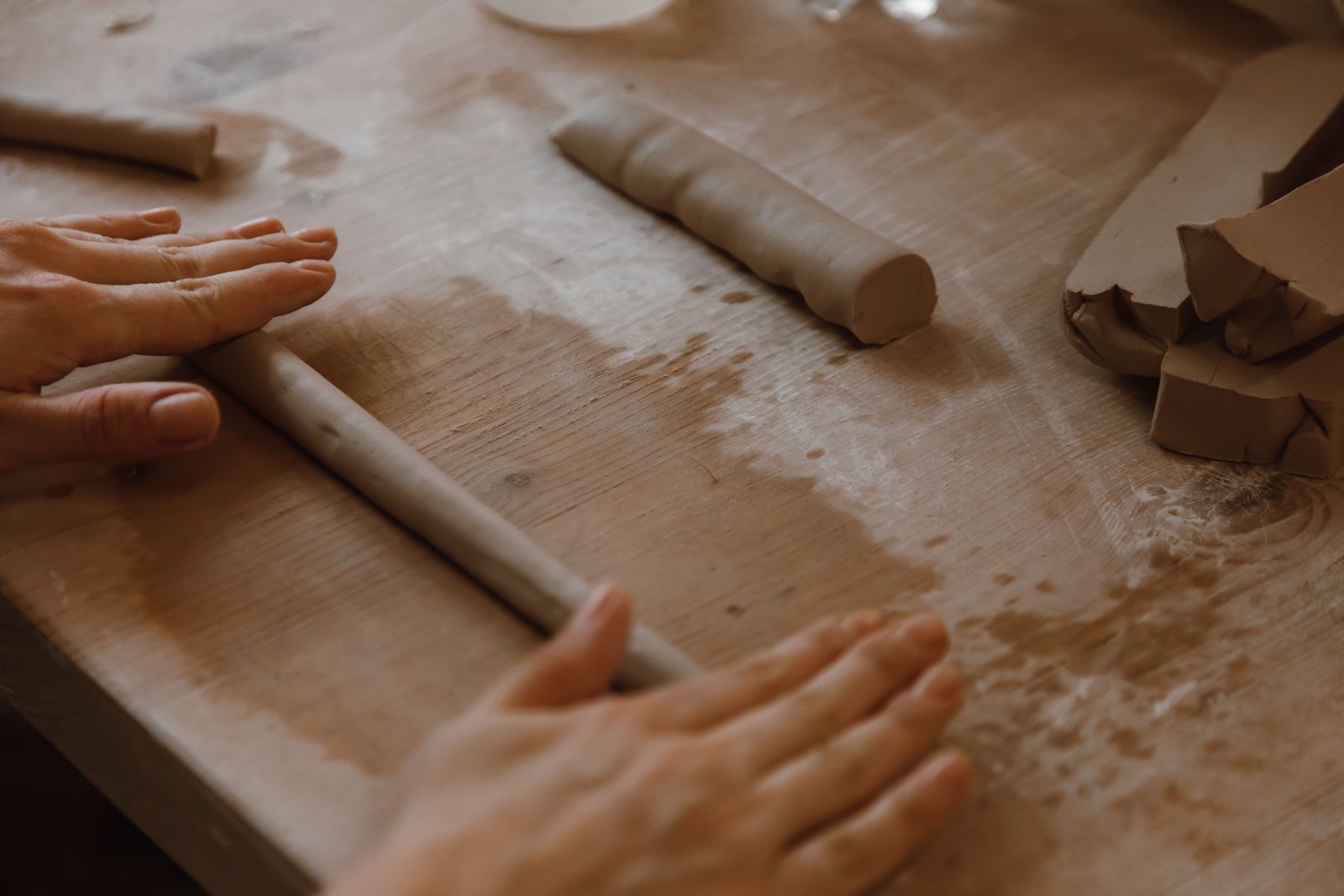
Want hands-on guidance getting a feel for clay consistency? Join a class at Le Studio Art Space in Mordialloc and practice with real feedback.
Frequently Asked Questions
Is it normal to struggle telling if my clay is actually too wet or too dry?
Yes, completely normal, especially early on. This is a skill that develops with hands-on practice, and most beginners find it becomes much more intuitive after a few sessions.
Can I just add water straight from the tap to fix dry clay?
You can, though it’s best added gradually while wedging rather than poured on all at once, which can make the clay unevenly wet rather than evenly workable.
Why does my clay dry out so much faster in some sessions than others?
Humidity, room temperature, and even the time of year can genuinely affect how quickly clay dries while you’re working, which is why the same clay can behave differently from one session to the next.
What if my piece has already cracked from being too dry?
A small crack can sometimes be repaired by carefully working in a little moisture and smoothing the area, but significant cracking usually means it’s more efficient to reclaim the clay and start again.
Should I ask for help checking my clay’s consistency as a beginner?
Definitely, it’s a genuinely useful shortcut. Instructors at studios like Le Studio Art Space can quickly tell you whether your clay’s consistency is on track before you invest more time into a piece.
This article is provided for general educational purposes by Le Studio Art Space and reflects common studio practice. Individual clay behaviour may vary by clay body and studio conditions.