Brent and Shimpo pottery wheels are both highly recommended, long established brands, with Brent generally known for sturdy, powerful build quality and Shimpo known for exceptionally smooth, quiet operation. Neither is objectively better, the right wheel depends on throwing style, studio setting, and personal preference.
Choosing a pottery wheel is a genuinely personal decision, and Brent and Shimpo are two of the names that come up constantly once a potter starts seriously comparing options. At Le Studio Art Space, members ask about this comparison regularly, and the honest answer is that both brands are excellent choices, they simply feel different at the wheel head, and that feel matters more than any spec sheet can capture.
This comparison aims to give an honest, practical breakdown rather than marketing language, so a potter can make a genuinely informed choice for their own work.
Both brands have been trusted by working potters, schools, and studios for decades, and both appear constantly in wheel recommendations across ceramics communities, which is exactly why this particular comparison comes up so often among potters shopping for their first serious wheel.
What Brent Wheels Are Known For
Brent wheels trace back to 1967, founded by Robert Brent, and have been manufactured by Amaco since the late 1970s, giving the brand a genuinely long, stable manufacturing history behind its current lineup of wheels sold today.
Brent wheels are widely recognised for sturdy, robust build quality and strong, reliable motors, which is part of why they show up so frequently in schools, universities, and busy shared studios that need equipment able to withstand heavy daily use.
Amaco’s involvement also means Brent wheels benefit from the same broader manufacturing infrastructure and parts network that supports the company’s kilns and glazes, which can genuinely simplify sourcing replacement parts down the line.
Their typical studio presence is genuinely significant too, with many ceramics programs and community studios across the world standardising on Brent specifically because of this reputation for durability under constant rotation between different users of varying skill and experience.
What Shimpo Wheels Are Known For
Shimpo was founded in 1952 in Tokyo as an electric motor manufacturer, introducing its first electric pottery wheels in 1955, before merging with Nidec, a major industrial drive technology company, in 1956 to form what eventually became known as Nidec-Shimpo Corporation.
That merger genuinely shaped the brand’s identity, since Nidec’s advanced motor and drive research has continuously been applied to Shimpo’s pottery wheel line, contributing to the brand’s reputation for smooth, notably quiet operation at the wheel.
The classic RK series, including the RK-3E and its smaller RK-55 counterpart, remains the most recognised and traditional Shimpo wheel design, genuinely beloved by many potters for its dependable, quiet feel session after session.
Shimpo’s North American operations opened in Chicago in 1974, and Nidec fully acquired the company in the mid 1990s, giving the brand decades of established presence and support specifically within the American and broader international ceramics market.
Comparing The Throwing Experience
Table height and splash pan design differ subtly between the two brands, and many potters find one setup simply feels more comfortable to their own posture and throwing style than the other, which makes trying both in person genuinely valuable before buying a wheel that could be in daily use for years to come.
Shimpo’s reputation for quiet, smooth operation tends to appeal particularly to potters sensitive to motor noise and vibration during long throwing sessions, while Brent’s robust motor delivers strong, consistent torque that many potters find reassuring on larger or heavier forms that demand real power at low speed.
Control responsiveness across both brands has improved considerably with modern electronic pedal controls, narrowing what was once a more noticeable difference between older mechanical wheel generations from either manufacturer.
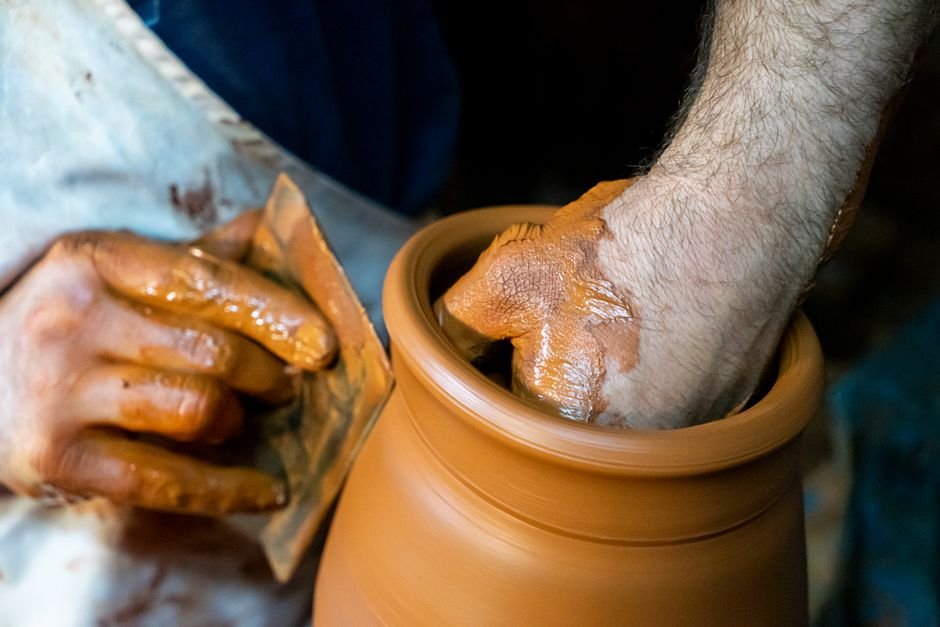
Wheel head size and splash pan depth also affect how much clay and water a potter can comfortably manage mid-session, and both brands offer multiple models varying in these dimensions, so comparing specific models directly matters more than comparing the two brands in the abstract without trying anything hands-on.
Comparing Price And Long Term Reliability
Both brands sit in a broadly similar mid to upper price bracket compared to budget wheel options, reflecting their long manufacturing histories and reputations for reliability rather than being positioned as entry level or disposable equipment.
Brent’s association with Amaco, a company with decades of broader ceramics manufacturing experience across wheels, kilns, and glazes, gives it a particularly strong reputation for parts availability and long term institutional support.
This institutional relationship matters more than it might seem, since a school or community studio buying dozens of wheels at once benefits enormously from a manufacturer with the scale and infrastructure to support that kind of large, ongoing order relationship reliably.
Shimpo’s connection to Nidec, a large, well resourced industrial drive technology company, similarly supports the brand’s reputation for durability, with many Shimpo wheels remaining in reliable daily use for decades in schools and studios.
That same corporate backing has also meant continuous research and development gets applied to Shimpo’s pottery wheel line over time, rather than the design stagnating the way a smaller, less resourced manufacturer’s product range sometimes can.
Both brands also offer strong secondhand value, since a used Brent or Shimpo wheel is generally viewed favourably by buyers familiar with either brand’s reputation, unlike a lesser known or unbranded wheel that might be harder to resell confidently later at a fair price.
What Competing Guides Leave Out
How each wheel performs in heavy shared studio rotation versus occasional home use rarely gets honest, practical treatment. Both brands are built to handle frequent use, but a busy community studio like Le Studio Art Space genuinely stresses equipment differently than a single home potter throwing occasionally on weekends, with many different hands using the same wheel week after week.
Noise consideration for a home studio, particularly one in a shared living space or apartment, is another gap worth naming directly, since Shimpo’s reputation for quiet operation can matter considerably more to a potter throwing in a converted garage or spare room than to one working in a dedicated, separate studio building.
Availability of left-handed or reversible wheel configurations is also worth checking directly with either brand, since not every model offers this feature, and it matters enormously to a left-handed potter’s actual comfort and technique at the wheel.
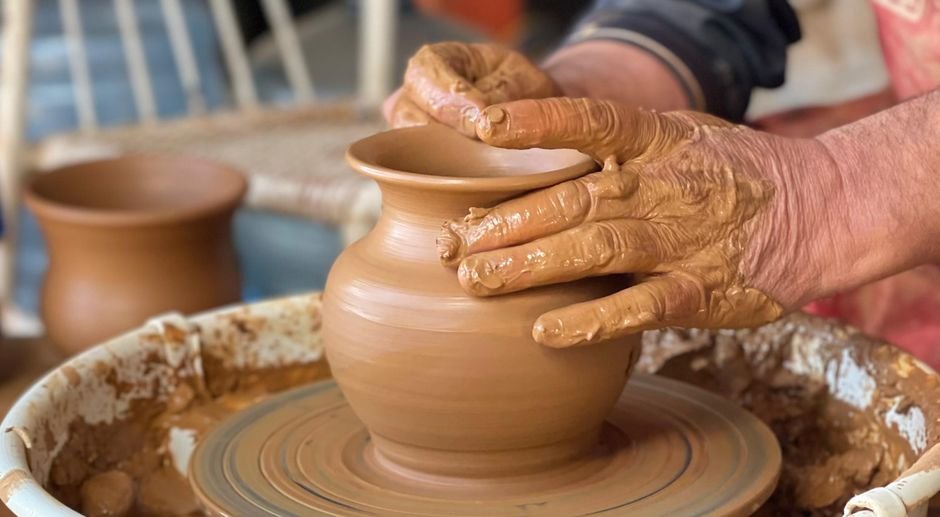
Portability and weight are worth a mention too, since a heavier, more robust wheel can be harder to relocate within a studio or transport to an offsite event, while a lighter model trades some of that sturdiness for easier mobility around a smaller or shared studio space.
Which Wheel Suits Which Kind Of Potter
A potter working on larger, heavier forms, or a shared studio needing equipment that withstands constant daily rotation between different users, may lean toward Brent’s reputation for sturdy, robust build quality.
A potter particularly sensitive to noise and vibration, or one prioritising an especially smooth, quiet throwing experience, may find Shimpo’s reputation for refined motor performance the more compelling choice.
Most studios report that both brands serve serious potters extremely well, and the deciding factor often comes down to hands-on feel, specific model features, and budget rather than either brand having a fundamental performance gap.
Talking to other potters who already own a specific model, and asking honestly about years of hands-on experience, genuinely rounds out the general comparison covered here with real, lived-in detail no brochure can fully capture.
Want to try both wheel styles hands-on before deciding what to buy? Join a wheel throwing class at Le Studio Art Space in Mordialloc and feel the difference yourself.
Frequently Asked Questions
Is one of these wheel brands genuinely better than the other?
Not objectively. Both are highly respected, long established brands. The better choice really comes down to personal throwing feel, noise sensitivity, and the kind of work you do most, not one brand outperforming the other universally.
Which wheel is quieter to use at home?
Shimpo has a strong reputation for smooth, quiet operation, which many potters specifically value in a home studio setting. Brent wheels are not loud by any means, but Shimpo is often singled out for this particular quality.
Are Brent wheels really tough enough for a busy shared studio?
Yes, genuinely. Brent’s sturdy build and reliable motors are exactly why so many schools and community studios rely on them for constant daily use across many different users.
Can I try both wheels before deciding which one to buy?
In our experience, trying both hands-on is genuinely the best way to decide. Many studios, including Le Studio Art Space, give members the chance to use different wheel brands during classes.
Does the wheel brand actually matter more than my own skill level?
Skill and practice matter far more than brand choice for most potters. Either wheel will serve a beginner through to an advanced thrower well, so don’t let the decision hold up getting started.
This article is provided for general educational purposes by Le Studio Art Space and reflects publicly available product information and common studio practice.