Ceramic glaze is a mix of powdered glass-forming minerals suspended in water that, once painted or dipped onto a piece and fired to a high temperature, melts into a hard, glassy coating fused permanently to the clay. The raw, chalky color you see in the jar or on an unfired piece is rarely close to the final result, since the true color and texture only develop once heat transforms the glaze inside the kiln. That transformation from dull powder to glossy, colorful surface is what makes glazing feel a little like magic even once you understand the chemistry behind it.
Watching a plain grey bisque pot go into the kiln and come out glossy and colorful is one of those moments that makes people fall in love with ceramics. Here at Le Studio Art Space in Mordialloc, it’s usually the first real “how does that even work” question new members ask, so here is the plain-language version of how ceramic glaze actually works, without the heavy chemistry.
What Ceramic Glaze Is Made Of
Ceramic glaze is essentially a carefully balanced recipe of three types of ingredients. Silica is the glass-former, the mineral that actually turns into glass under heat. Flux is what lowers the temperature at which that glass-forming happens, since pure silica alone needs extreme heat to melt. Colourants, usually metal oxides like iron, cobalt, or copper, are what give a glaze its fired color.
All of this is mixed with water into a liquid that can be brushed, dipped, or sprayed onto a piece. It looks nothing like its fired result at this stage, often chalky, pale, or a completely different shade than what comes out of the kiln, which is exactly why new potters are so often surprised by their first glaze firing.
The exact ratio of these three ingredients is what separates one glaze from another, even when two glazes look similar in the jar. A recipe with slightly more flux might melt at a lower temperature, while a different colourant blend can shift a fired result from warm and earthy to cool and vivid, which is part of why glaze development is genuinely treated as its own specialised craft within ceramics.
How Heat Turns Glaze Into Glass
As a kiln climbs to a glaze’s target temperature, the silica and flux in the glaze begin to melt and fuse together, a process called vitrification. The glaze layer transforms from a dry, powdery coating into a molten glass surface that flows slightly and bonds permanently to the clay body beneath it as the kiln cools.
This is also why firing temperature matters so much. Under-fire a glaze and it may stay dry, rough, or matte when it was meant to be glossy, since the glass-forming process never fully completed. Over-fire it and a glaze can run, pool, or drip off the piece entirely, which is exactly why glaze and clay bodies are matched to specific firing ranges rather than treated as interchangeable.
Cooling speed matters almost as much as the climb to peak temperature, since how slowly or quickly a kiln cools afterward genuinely affects the glaze’s final surface. Some glazes need a slow cool to develop matte crystalline effects properly, while others are far less sensitive to cooling rate, which is another reason a studio’s specific firing schedule shapes results as much as the glaze recipe itself.
Why Glaze Colour Changes In The Kiln
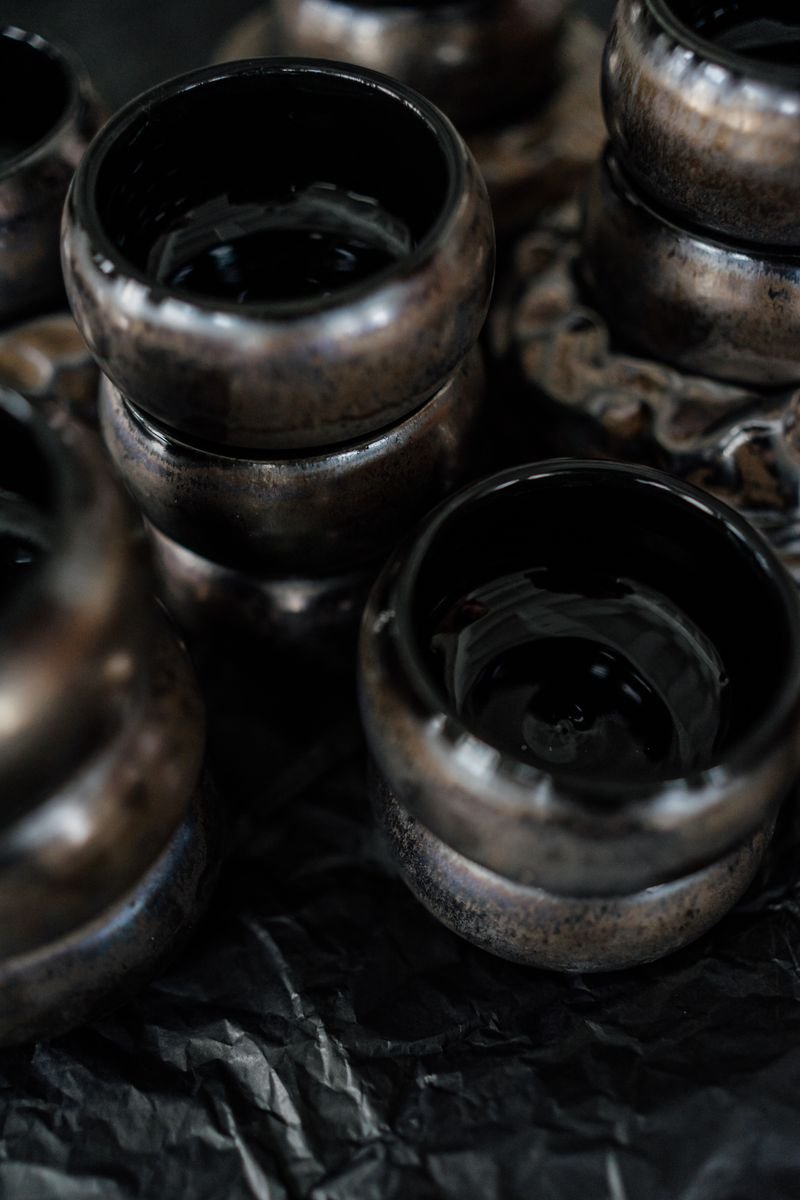
The single biggest surprise for beginners is how differently a glaze’s raw, unfired appearance compares to its fired color. A glaze that looks brownish grey in the jar might fire to a deep, glossy blue, because the colourant minerals inside it haven’t chemically reacted yet until heat triggers that transformation.
Oxygen levels in the kiln, the specific clay body underneath, and even how thickly the glaze was applied can all shift the final color slightly. This is normal and expected rather than a mistake, which is exactly why studios keep fired test tiles on hand, so members can see a glaze’s true color before trusting it on a finished piece.
It’s worth remembering this variability is part of what makes glazed ceramics feel genuinely alive compared to something mass produced. Small, natural shifts from piece to piece are usually seen as part of the charm of handmade work rather than a flaw, which is a mindset worth holding onto the first time a fired result surprises you.
How Application Method Affects The Result
Dipping, brushing, and spraying all put glaze onto a piece differently, and each affects the final look. Dipping tends to give the most even coat and is common for functional ware, while brushing allows more control for decorative work but can leave visible brush texture if the glaze is thin. Spraying builds up a fine, even layer and is often used for subtle gradients or layered effects.
Thickness matters just as much as method. A glaze applied too thin can look patchy or fail to develop its intended color, while one applied too thick can run, crawl, or pool during firing. Two coats of the exact same glaze can genuinely look different depending on how evenly each layer was built up, which is one of the more counterintuitive things beginners learn early on.
Practicing application technique on scrap tiles before working on a finished piece is genuinely worth the extra few minutes it takes. Getting a feel for how much glaze a brush actually holds, or how long to leave a piece submerged when dipping, builds a kind of muscle memory that no amount of reading about it can fully replace.
What Competing Guides Leave Out
Most explanations of ceramic glaze either stay purely theoretical, silica and flux ratios with no practical context, or skip straight to buying advice without explaining the actual transformation happening in the kiln. What they tend to miss is exactly why two coats of the same glaze can look different, and how a studio’s specific kiln firing schedule shapes the final result as much as the glaze recipe itself.
Every kiln has its own quirks, hot spots, cooling speed, shelf placement, and those variables genuinely affect how a glaze fires even when the recipe stays identical. At our Firing Service here in Mordialloc, we fire pieces on schedules matched to the specific glazes and clay bodies being used, which is a big part of why results come out consistent rather than a lottery.
Written glaze recipes and manufacturer instructions genuinely help, but they can only take you so far without accounting for a specific kiln’s individual behaviour. This is exactly why so much of ceramics knowledge gets passed down through hands-on studio experience rather than purely through books or product labels, and it’s part of what makes learning directly from working potters so valuable.
Common Questions About Ceramic Glaze Safety And Durability
Food safety is one of the most common practical questions about ceramic glaze, and it comes down to the specific glaze used and whether it was fired correctly to its intended temperature. Many glazes are formulated and tested to be food safe once properly fired, but that safety depends on following the glaze’s recommended firing range, not on glaze in general being automatically safe.
Durability works similarly. A properly fired glaze on a well-vitrified clay body is genuinely tough and can handle daily use including dishwashers in many cases, though hand washing is often recommended to protect delicate detail or metallic finishes over time.
Scratch resistance is another practical question worth understanding, since a fully vitrified glaze surface genuinely resists everyday cutlery marks far better than an under-fired one. If you notice grey metal marks building up on a glazed plate over time, that’s usually more about cutlery leaving a mark on a hard glass surface than the glaze itself wearing away underneath.
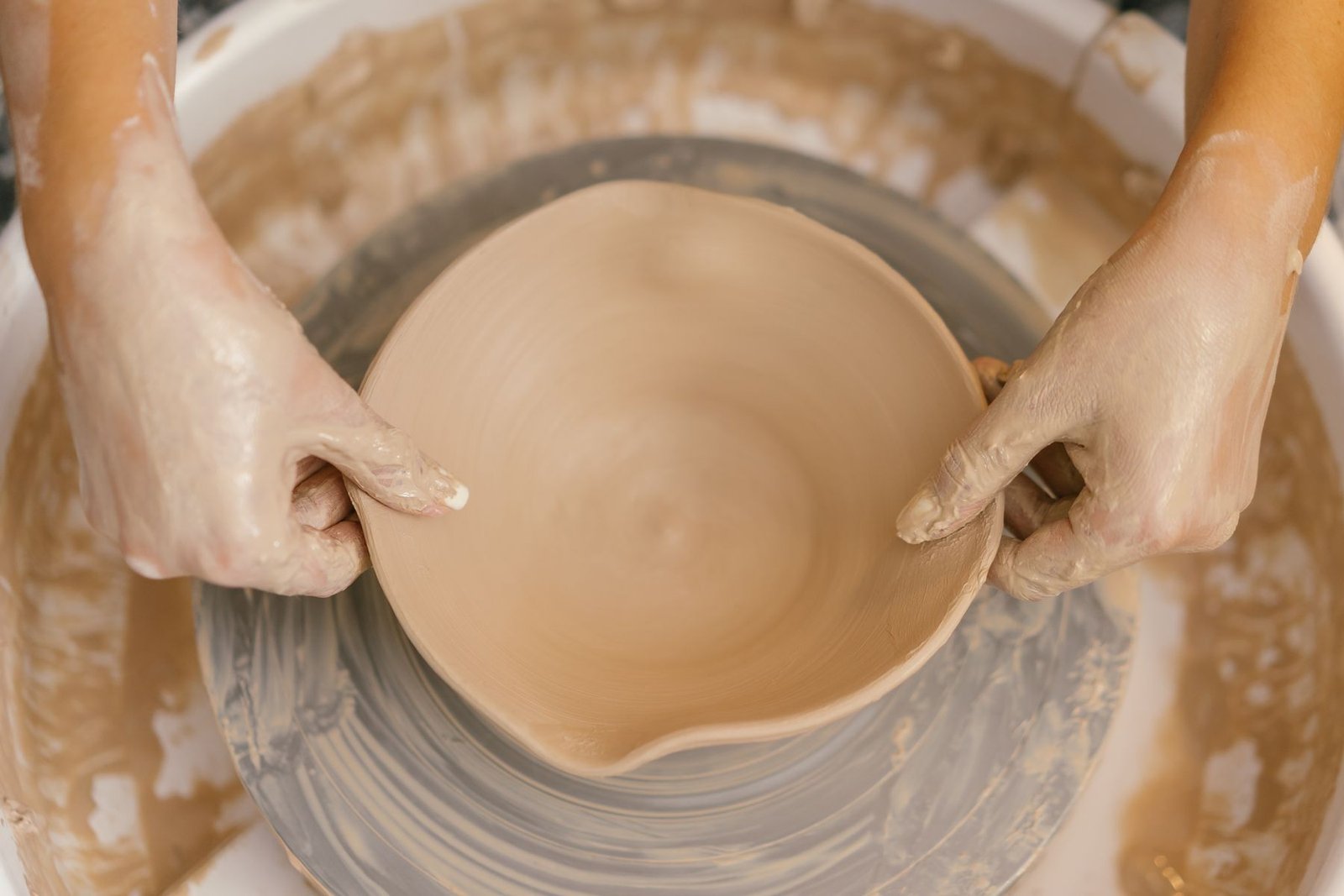
The best way to really understand ceramic glaze is to see fired pieces up close and ask questions while they’re still fresh from the kiln. Come see glazed and fired work in person at Le Studio Art Space’s ceramic studio in Mordialloc, and ask us anything about the process.
Frequently Asked Questions
Why does my ceramic glaze look completely different once it’s fired?
The raw, unfired color of a glaze rarely matches its fired result, since the colourant minerals inside it only fully react once heat triggers the glass-forming process. This is completely normal, which is exactly why fired test tiles are so useful before trusting a glaze on a finished piece.
Is ceramic glaze actually safe to eat and drink from?
Many glazes are formulated and tested to be food safe once fired correctly to their intended temperature, but that safety genuinely depends on following the glaze’s specific firing instructions rather than being automatic. Always check the labeling on a specific glaze if food safety matters for your piece.
Can I put my glazed pottery in the dishwasher?
A properly fired glaze on a well-vitrified clay body is usually durable enough for a dishwasher, though many potters still recommend hand washing to protect delicate detail or metallic finishes over the long term. In our experience, checking with whoever made or fired the piece is the safest approach.
Why do two coats of the same glaze look different on my piece?
Application thickness genuinely changes the fired result, so uneven coats can produce visibly different color or texture even from the identical glaze. Slowing down and applying glaze as evenly as possible is the most reliable way to avoid this.
Is ceramic glaze dangerous to work with before it’s fired?
Raw glaze should be handled with reasonable care, avoiding ingestion and washing hands after use, similar to any art material, though most studio glazes including what we use at Le Studio Art Space are formulated to be non-toxic. If you have specific safety concerns, checking a product’s safety data sheet is always worthwhile.
This article is provided for general educational purposes by Le Studio Art Space. It is not a substitute for the specific safety and firing information published by individual glaze manufacturers, which should always be checked before use.