Mayco Jungle Gems are a crystalline glaze line made by Mayco Colors, known for producing visible, sparkling crystal formations and dramatic texture in an ordinary cone 06 electric kiln firing. Potters reach for them when they want a piece with a genuinely eye-catching, gem-like surface that reads as far more complex than a standard glossy or matte glaze. They are not the only crystalline glaze option available, but they are one of the most widely trusted for consistent, dramatic results at an accessible low-fire temperature.
Every so often a piece comes out of the kiln with a surface that looks like it has actual gemstones growing across it, and more often than not, that’s Mayco Jungle Gems at work. Here at Le Studio Art Space in Mordialloc, we love recommending this line to members chasing that effect, so here’s what Jungle Gems glazes actually are and how to get the look right.
What Mayco Jungle Gems Glazes Are
Jungle Gems is a specialty crystalline glaze line from Mayco Colors, a major American ceramics glaze manufacturer that has been developing non-toxic, lead-free glazes since the 1950s. Where most glazes are formulated to fire smooth and even, Jungle Gems are deliberately engineered to grow visible crystal formations during firing, creating a dramatic, dimensional surface unlike a standard glaze.
The line fires to cone 06, the same accessible low-fire range most electric kiln studios already work in, which is a big part of why it’s become so popular. You don’t need specialized equipment or an unusual firing schedule to get the effect, just the right glaze and a bit of attention to application.
The line also spans a genuinely wide colour range, from deep, jewel-toned shades to lighter, more iridescent finishes, which means the crystalline effect can suit very different aesthetic goals depending on which colour you choose. Some potters gravitate toward the boldest, darkest options, while others prefer a subtler, more understated crystal texture in a paler shade.
Seeing several colours fired side by side is genuinely the best way to choose, since crystalline effects photograph inconsistently and a colour that looks striking online can read quite differently once you’re holding the actual piece under natural light.
How They Get Their Signature Sparkle And Texture
Crystalline glazes like Jungle Gems work by including mineral compounds that, under the right firing and cooling conditions, form visible crystal structures as the glaze cools rather than staying smooth and uniform. The result is a textured, sparkling surface where light catches each crystal formation differently.
The exact pattern is never perfectly predictable, which is genuinely part of the appeal rather than a flaw. Two pieces glazed identically with the same Jungle Gems color can still come out with slightly different crystal patterns, since small variations in thickness, kiln placement, and cooling all influence how the crystals form.
That unpredictability is worth embracing rather than fighting against. Many potters who work with crystalline glazes regularly describe a genuine sense of anticipation opening the kiln, since even after years of experience there’s still an element of surprise in exactly how each piece’s crystals will have formed.
This is also part of why crystalline glazes suit one-of-a-kind decorative pieces so well, since each result is genuinely unique in a way that’s difficult to replicate intentionally. A collector or gift recipient often appreciates knowing their piece’s exact crystal pattern will never be exactly repeated.
How To Apply Jungle Gems For The Best Result
Application thickness genuinely matters more with Jungle Gems than with a standard glaze, since the crystal-forming effect needs enough glaze material to actually develop. Many potters find a slightly heavier application than they’d use for a smooth glaze gives more dramatic, fuller crystal growth.
Placement on the kiln shelf is worth thinking about too, since Jungle Gems and other crystalline glazes can run or move more than a typical glaze during firing. Giving pieces a little extra clearance from neighbors on the shelf, and being mindful of glaze near the base of a piece, helps avoid an unexpected drip fusing to the kiln shelf.
Kiln shelf protection is worth considering too, since some potters use a kiln wash or a dedicated setter tile under pieces glazed with crystalline glazes as extra insurance. It’s a small, inexpensive precaution that can save a shelf from an unexpected glaze run, especially while you’re still getting familiar with how thickly to apply the glaze.
Firing position within the kiln can also make a subtle difference, since temperature can vary slightly from shelf to shelf. Discussing placement with whoever manages your firing, as we do for members using our own Firing Service, helps set realistic expectations for how a specific piece is likely to turn out.
What Kind Of Pieces Suit Jungle Gems
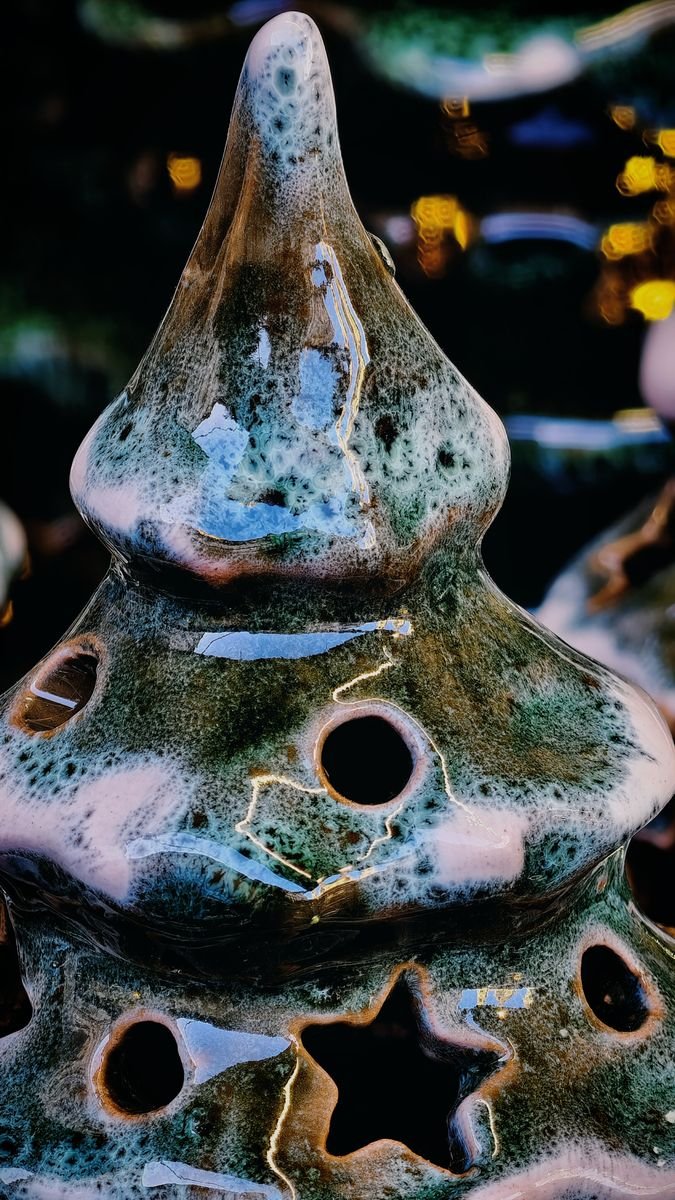
Decorative and sculptural pieces are where Jungle Gems really shines, vases, ornamental bowls, and standalone art pieces that exist specifically to be looked at rather than used daily. The dramatic texture and movement of the glaze becomes the focal point of the piece rather than a background finish.
Everyday functional ware, mugs and plates in heavy daily use, is a less natural fit, partly because the textured surface is less practical to clean and handle constantly, and partly because the effect is honestly better appreciated on a piece you can actually look at and turn in the light rather than one that’s usually holding your coffee.
Standalone forms like vases and bowls with a wide, open surface tend to showcase the crystal effect particularly well, since a broad, unbroken area of glaze gives the crystals more room to develop dramatically. Smaller, more intricately shaped pieces can still work beautifully too, just with a slightly less dramatic overall crystal display simply because there’s less continuous surface for the pattern to spread across.
What Competing Guides Leave Out
Most Jungle Gems guides are written by suppliers with polished showroom photos, which sets an expectation that doesn’t always match a beginner’s actual first result. Realistic expectations matter here. A first attempt with any crystalline glaze often looks less dramatic than a professional sample photo, since crystal formation depends on careful application and firing conditions that take a bit of practice to dial in.
Glaze movement is the other gap worth planning for honestly. Because Jungle Gems can run more than a standard glaze during firing, it’s worth testing on a sample tile first and asking about placement if you’re firing through a shared service like our Firing Service, so a dramatic glaze doesn’t accidentally drip onto a kiln shelf or a neighboring piece.
Cost is worth being upfront about too, since specialty crystalline glazes like Jungle Gems generally sit at a higher price point than a standard everyday glaze, reflecting the more complex formulation behind the effect. Most potters find that cost is genuinely justified for a decorative showpiece, even if it wouldn’t make sense to glaze an entire set of daily-use mugs with it.
Mayco Jungle Gems Versus Other Crystalline Glazes
Jungle Gems is far from the only crystalline glaze line on the market, and it’s worth being fair about that. Other manufacturers make their own crystalline and textured specialty glazes, some with different color ranges, different crystal scale, or different firing requirements that might suit a specific project better.
Where Jungle Gems tends to stand out is accessibility, a genuinely dramatic crystalline effect achievable at a common cone 06 electric kiln temperature, without needing a specialized high-fire setup some other crystalline glazes require. If your project calls for a different color palette or a subtler crystal effect, though, it’s worth exploring what else is out there rather than assuming Jungle Gems is automatically the right pick.
Talking to potters who’ve genuinely used a few different crystalline lines is often more useful than comparing spec sheets or marketing photos alone, since crystal effects are notoriously difficult to judge accurately without seeing real, fired examples in person. That’s exactly the kind of hands-on comparison a working studio can offer that a supplier catalog simply cannot.
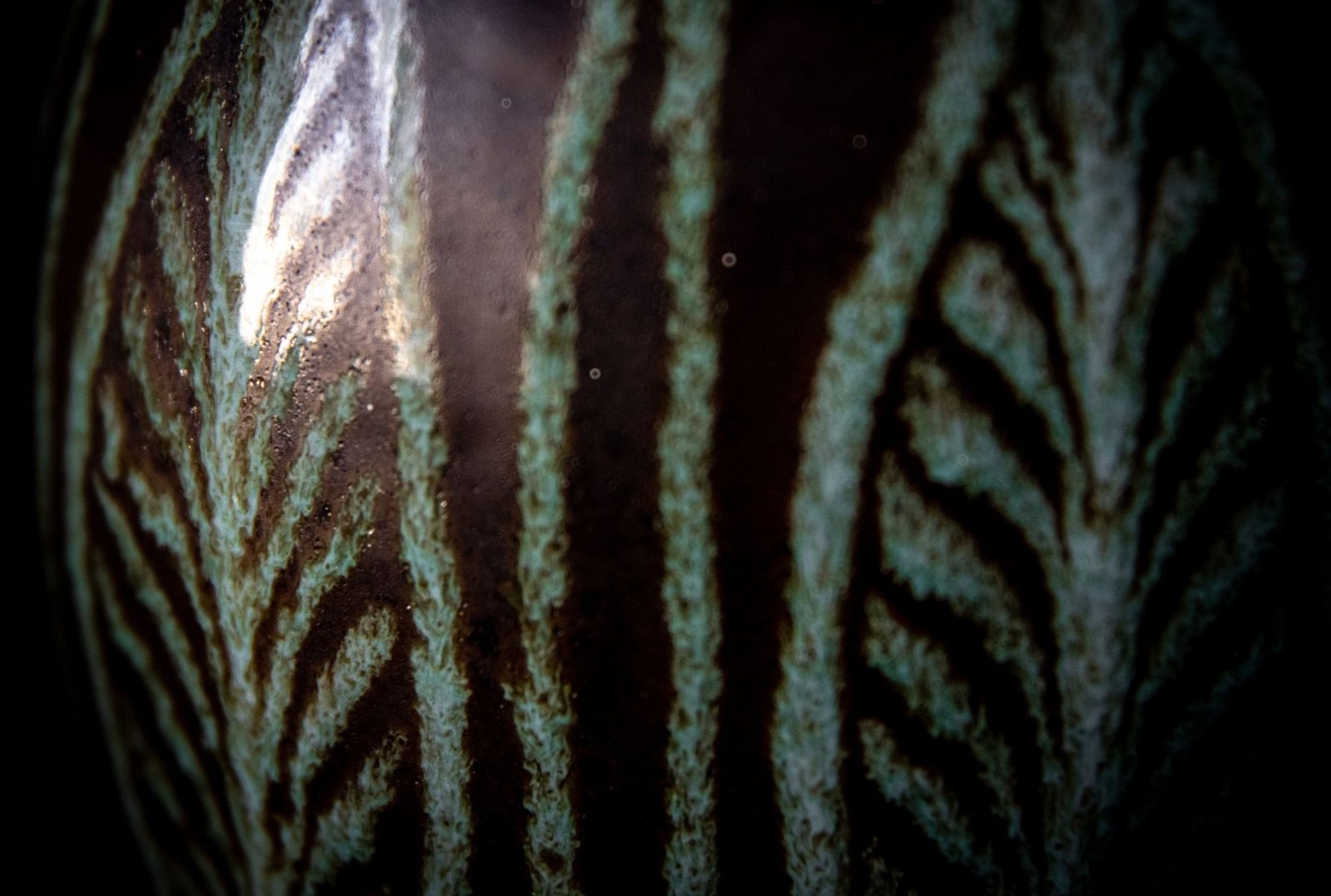
Photos genuinely don’t do this glaze justice. Come see Mayco Jungle Gems fired results in person and try them in a glazing session at Le Studio Art Space in Mordialloc.
Frequently Asked Questions
Are Mayco Jungle Gems hard to use for a beginner?
They’re a bit more particular than a standard glaze, mainly around application thickness and kiln placement, but they’re not out of reach for a beginner with a little guidance. Testing on a sample tile first is the best way to get comfortable with how the glaze behaves before committing a full piece.
Why didn’t my Jungle Gems piece look as dramatic as the sample photos?
Crystal formation depends on application thickness and firing conditions that take some practice to dial in, so a first attempt often looks more subtle than a polished professional sample. Many potters find their results become noticeably more dramatic after a couple of attempts.
Can I use Jungle Gems on everyday mugs and plates?
It’s possible, but the textured surface is less practical for constant daily handling and cleaning compared to a smooth glaze, so most potters reserve Jungle Gems for decorative or sculptural pieces instead. It genuinely shines on pieces made to be looked at.
Will Jungle Gems glaze run in the kiln and ruin a shelf?
It can move more than a standard glaze, so giving pieces extra clearance from neighbors and being mindful near the base helps avoid problems. If you’re firing through a service like ours at Le Studio Art Space, it’s worth mentioning you’re using a crystalline glaze so shelf placement can account for it.
Is Mayco Jungle Gems the only crystalline glaze worth trying?
Not at all, other manufacturers make their own crystalline and textured specialty glazes with different colors and effects. Jungle Gems stands out for being achievable at an accessible cone 06 temperature, but it’s worth exploring other options if you want a different look.
This article is provided for general educational purposes by Le Studio Art Space and reflects publicly available product information and common studio practice. Always check Mayco’s own product labeling and firing instructions before use.