Mayco Stoneware glazes fire across a genuinely wide cone 5-10 range, are formulated to perform reliably at mid-range cone 5/6 while many remain stable at cone 10, and are designed not to run during firing, working across both stoneware and porcelain bodies.
Choosing a glaze that performs consistently across the specific cone range a studio actually fires to is one of the most practical decisions a potter makes, and Mayco’s Stoneware line comes up often in that conversation at Le Studio Art Space.
This guide looks at how the Stoneware range genuinely performs, what firing range it actually covers, and where it fits compared to other Mayco glaze lines a potter might already be familiar with.
Understanding a glaze’s real firing behaviour, not just its listed cone range on the label, genuinely helps a potter avoid disappointing surprises once a piece comes out of the kiln.
The Firing Range And What It Means
Mayco Stoneware glazes are rated across a genuinely wide cone 5-10 range, corresponding to roughly 1196-1305°C, giving a potter meaningful flexibility depending on the specific kiln schedule and clay body their studio typically uses.
The range is primarily formulated around mid-range cone 5/6 firing, which covers a large share of studio and small commercial kilns, while still performing in a genuinely stable, predictable way for potters firing higher toward cone 10.
Firing schedule speed also plays a genuine role, since a slower ramp and hold near the target cone tends to give glazes across this range more time to fully mature and develop their intended surface than a rushed, fast-fired schedule would.
Firing the same glaze at different points within that range can noticeably shift its final appearance, so testing a specific colour at the exact cone your own kiln reaches is always worth doing before committing to a full batch.
This flexibility is part of why the Stoneware line remains popular with studios that fire at more than one cone depending on the piece, rather than sticking rigidly to a single firing temperature across all their work.
Kiln atmosphere and load size can also subtly affect how consistently a glaze fires within its rated range, so two studios firing at the same nominal cone can still see slightly different results depending on their specific kiln and loading habits.
Which Clay Bodies It Works On
Mayco Stoneware glazes are formulated to work reliably across both stoneware and porcelain clay bodies, giving potters genuine flexibility without needing an entirely separate glaze line for each different type of clay in the studio.
Consistent results across these two clay bodies matter for studios like Le Studio Art Space that support members working in more than one clay type, since it reduces the number of separate glaze lines needed on hand.
This cross-body reliability also simplifies inventory for a shared studio, since a smaller, well tested set of Stoneware colours can genuinely cover projects across both clay types rather than requiring entirely separate stock for each.
Surface texture and colour can still shift subtly between a stoneware and a porcelain piece using the exact same glaze, purely due to differences in clay body colour and surface, so a small test tile is genuinely worth firing first.
Iron content and general clay body colour play a genuine role here too, since a darker stoneware body can noticeably deepen a translucent glaze’s final colour compared to the same glaze fired over a lighter, cleaner porcelain body.
The Different Lines Within Stoneware
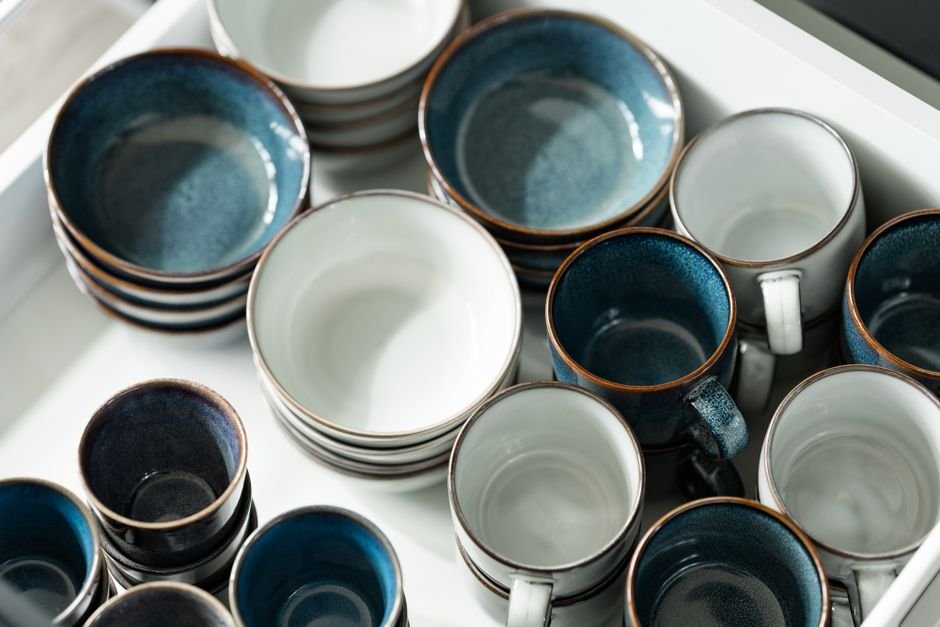
Stoneware Classic glazes range from bright, opaque, flat colours through to more complex, variegated surfaces, and also include the translucent Opals and Ice glazes for potters wanting a softer, layered finish.
Stoneware Matte glazes offer both solid opaque coverage and semi-transparent, variegated options, with application thickness genuinely affecting how the final matte surface develops once fired.
Stoneware Crystal glazes contain colourful crystals designed to melt and bloom during firing, producing a genuinely distinctive, textured surface that’s noticeably different from the smoother Classic and Gloss lines.
Stoneware Gloss glazes are formulated for bright, opaque colour with a genuinely high gloss finish, making them a popular choice for potters wanting bold, saturated colour on a functional piece.
Combining glazes from different lines on the same piece, such as a Gloss base with a Crystal accent, is genuinely common practice among more experienced potters, though it’s always worth testing the specific combination on a tile before committing to a finished piece.
Application Tips For Reliable Results
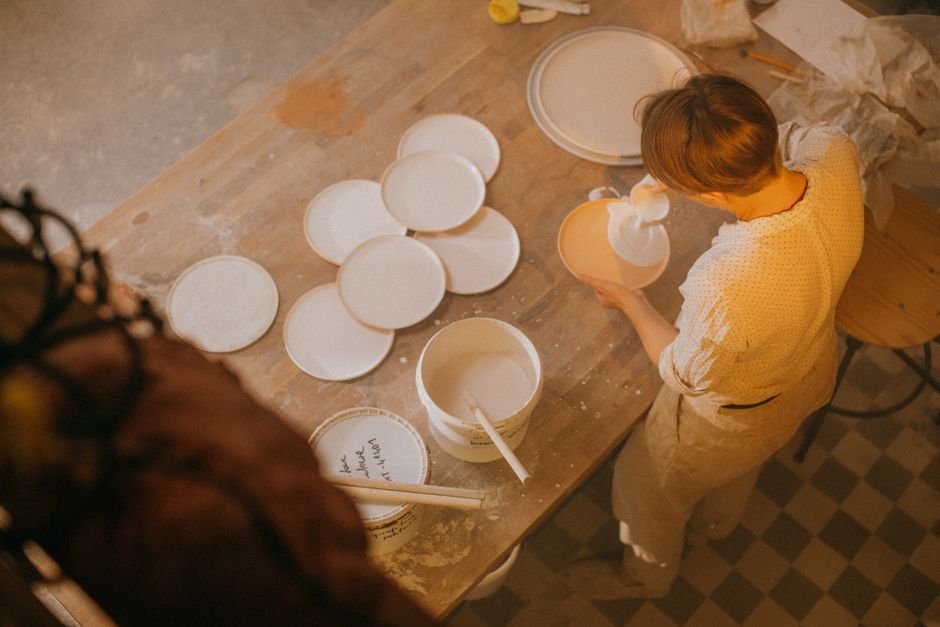
Dipping generally only needs one coat for full, even coverage, while brushing or spraying typically needs two to three coats, letting each layer dry thoroughly before adding the next for a genuinely consistent finish.
Getting application thickness right matters more for the Matte line specifically, since an uneven or too-thin application can leave patchy coverage that becomes obvious once the piece is fired.
A consistent stirring routine before each application session also genuinely helps, since pigment and glaze materials can settle unevenly in storage, and an unstirred glaze can apply with a noticeably different colour or texture than intended.
Applying glaze evenly to bisque-fired pieces, rather than unfired greenware, is essential for these glazes to perform as intended, giving the glaze a stable, absorbent surface to properly adhere to during application.
Keeping brushes clean between different Stoneware colours also matters more than it might seem, since even a small amount of leftover glaze from a previous colour can genuinely muddy a fresh application if brushes aren’t rinsed thoroughly beforehand.
What Competing Guides Leave Out
Most overviews describe the cone 5-10 range without genuinely explaining that the glaze is formulated primarily around mid-range firing, meaning potters firing consistently at cone 10 should still test a piece before trusting results across a whole batch.
How the Stoneware range compares to Mayco’s low-fire lines, like the cone 06 Jungle Gems Crystal glazes, rarely gets a clear explanation, and mixing lines rated for very different cone ranges on the same piece is a genuinely common mistake.
Storage and shelf life also matter more than most guides mention, since a glaze that’s separated or dried out in storage can behave unpredictably even when applied correctly, so giving a container a proper stir before use is always worth doing.
Batch consistency is another point rarely raised, and while Mayco maintains genuinely reliable quality control, keeping a small reserve of a favourite colour’s batch number for a larger project can help avoid a subtle shade mismatch across multiple pieces.
Choosing The Right Stoneware Glaze For Your Work
For potters wanting bold, dependable colour on functional ware, the Gloss line is a genuinely solid starting point, while those after a softer, more artistic surface often gravitate toward the Matte or Crystal lines instead.
Testing a small selection of colours on tiles fired at your own studio’s actual cone, rather than trusting the label’s full range alone, remains the most reliable way to know exactly how a glaze will perform on real work.
Labelling test tiles clearly with colour name, cone, and firing date genuinely pays off months later, when it’s otherwise easy to forget exactly which specific settings produced a particularly successful result.
Keeping notes on which specific colours and application methods worked well in past firings genuinely saves time and reduces wasted materials on future pieces using the same Stoneware line.
Newer potters are generally best served starting with two or three reliable Gloss or Classic colours before branching into the more variable Crystal and Matte lines, building confidence with the range’s overall behaviour before chasing more complex, unpredictable surfaces.
Curious how Mayco Stoneware glazes perform on your own work? Ask about glaze testing and firing schedules at Le Studio Art Space’s ceramic studio.
Frequently Asked Questions
What cone range do Mayco Stoneware glazes actually fire at?
Cone 5-10, roughly 1196-1305°C, with the line primarily formulated around mid-range cone 5/6 firing while remaining stable for many colours up to cone 10.
Do Mayco Stoneware glazes work on porcelain as well as stoneware?
Yes, they’re formulated to perform reliably on both clay bodies, though a small test tile is worth firing first since colour can shift subtly between the two.
How many coats of Mayco Stoneware glaze should I apply?
One coat if dipping, or two to three coats if brushing or spraying, letting each layer dry thoroughly between coats for even coverage.
What’s the difference between the Classic, Matte, Crystal, and Gloss Stoneware lines?
Classic ranges from flat to complex variegated surfaces including translucent Opals and Ice glazes, Matte offers solid or semi-transparent finishes, Crystal blooms with textured crystals during firing, and Gloss gives bold, high-shine colour.
Can I mix Mayco Stoneware glazes with Mayco’s low-fire lines like Jungle Gems?
Generally not on the same piece, since Jungle Gems Crystal glazes are rated to cone 06, a far lower temperature than the Stoneware line’s cone 5-10 range, and firing them together can give unpredictable results.
This article is provided for general educational purposes by Le Studio Art Space and reflects publicly available product information and common studio practice.