Mayco is an Ohio-based ceramics manufacturer that has made non-toxic, lead-free glazes since 1954, now producing more than 600 colors and finishes used in studios, schools, and art rooms worldwide. Potters use it because the range is genuinely huge and behaves predictably, so a color you tested once will fire the same way the next time you reach for it. It is not the only glaze brand worth knowing, but it has earned a reputation as a dependable, widely available studio staple.
If someone in a class mentioned Mayco and you smiled and nodded without really knowing what they meant, you are absolutely not alone. Here at Le Studio Art Space in Mordialloc, it is one of the most common names on our own glaze shelf, so here is the plain-English explanation of what Mayco actually is and why it comes up so often.
What Mayco Is
Mayco is short for Mayco Colors, a ceramics glaze manufacturer founded in 1954 and based in Hilliard, Ohio, near Columbus. Over decades the company has grown into one of the largest glaze producers in the industry, now manufacturing more than 600 different colors and finishes from a large dedicated production facility.
Every glaze in that catalog is formulated to be non-toxic and lead-free, a standard the company has held for its entire history rather than treating as a recent marketing addition. That combination of scale and long-standing safety focus is a big part of why Mayco shows up so consistently across school art rooms, university ceramics departments, and working studios like ours.
The company’s own supporting resources, colour charts, application notes, and troubleshooting guidance, reflect a genuine focus on education alongside manufacturing, which mirrors the values we hold here at Le Studio Art Space. A brand that clearly wants its users to understand the material, not just buy it, earns a different level of trust over time.
It’s also stayed a genuinely stable, established name across generations of potters, which counts for something in a craft where techniques and materials are often passed down and learned informally from one potter to another over many years.
The Mayco Product Range
Glazes are the heart of what Mayco is known for, spanning a broad everyday stoneware line alongside specialty products like the heavily pigmented, forgiving Stroke and Coat glaze and the dramatic crystalline Jungle Gems line. That range covers everything from reliable daily-use finishes to eye-catching decorative effects under one brand.
Underglazes and specialty finishes round out the catalog, giving potters detail and decoration options that pair naturally with Mayco’s own glaze range, though they work perfectly well combined with other brands too. The breadth of the range is exactly why so many studios can outfit most of their glaze shelf from Mayco alone if they choose to.
That said, breadth alone doesn’t automatically mean every line suits every project equally well. Getting genuinely familiar with a handful of Mayco glazes across different lines, rather than assuming any one bottle will behave like the rest of the catalog, is what actually helps a potter use the range confidently rather than just broadly.
Keeping a simple personal log of which specific Mayco products you’ve tried, and how they behaved, turns that familiarity into something genuinely useful over time rather than relying on memory alone as your collection of tried-and-tested colours grows.

Why Potters Choose Mayco
Consistency across such a massive catalog is genuinely impressive, and it is the reason potters keep coming back to it. A color tested once behaves the same way the next time, which matters enormously in a shared studio where multiple people are relying on the same jars turning out predictably.
The sheer breadth of color options means a studio rarely needs to look elsewhere to offer real variety, and wide availability through most major ceramics suppliers makes restocking straightforward. Put together, that reliability, choice, and accessibility is exactly what makes a glaze brand into a genuine studio default rather than just one option among many.
It also helps that Mayco is easy to recommend to a total beginner without needing a long disclaimer. A new potter can pick up a well-reviewed Mayco colour, follow the basic application guidance, and expect a genuinely predictable result, which is exactly the kind of low-risk starting point that builds confidence early in someone’s ceramics journey.
That early confidence tends to matter more than people expect, since a positive first glazing experience often shapes whether someone sticks with ceramics as a genuine ongoing practice or drifts away after a disappointing first attempt with a less forgiving material.
How Mayco Products Show Up In A Working Studio
Like most glaze brands, Mayco tends to enter a beginner’s world at the glazing stage, once a piece has already been thrown or hand-built and been through its first bisque firing. Standing in front of a shelf of Mayco jars for the first time is a genuinely common moment at our Ceramic Studio, usually met with the same slightly overwhelmed look every new potter gets.
It shows up again at the firing stage, since Mayco’s glazes are formulated for specific cone ranges that our Firing Service fires to precisely, which is a big part of why the results actually match what the label promised. Members also encounter it regularly during our Workshops and Classes, where it’s usually the first glaze brand a beginner learns to apply confidently.
It tends to reappear again once a member starts building a more personal, considered glaze palette, since the sheer size of the Mayco range means there’s usually room to keep discovering new colours and finishes within one trusted brand long after the total beginner stage has passed.
What Competing Guides Leave Out
Most articles about Mayco are either supplier product listings or the brand’s own marketing pages, neither of which is going to give you an honest beginner-specific take. Cost expectations are one real gap. Mayco sits at an accessible mid-range price, and because a little glaze covers a lot of surface, the actual cost per finished piece is smaller than the sticker price on a bottle might suggest.
Kiln type compatibility is another gap worth naming plainly. Most Mayco glazes are formulated for the electric kilns that the overwhelming majority of studios and schools actually use, so most potters are already working within the right range without needing to think hard about it, though reduction firing in a gas or wood kiln is a genuinely different situation that needs its own research.
How the different lines within Mayco actually apply is a third gap worth naming. A thick, forgiving line like Stroke and Coat handles very differently under a brush than a thinner, more standard stoneware glaze, so switching lines without adjusting technique slightly is a genuine source of beginner confusion that most brand overviews skip entirely.
Mayco Versus Other Glaze Brands
Mayco is not automatically the right choice for every project, and other brands are absolutely worth your attention too. Amaco is probably the most directly comparable major brand, similarly broad and similarly trusted, and smaller specialty glaze makers can offer effects that neither large manufacturer replicates.
Where Mayco tends to win out is sheer breadth and dependable consistency within a single, widely available brand. Most potters end up using it as a reliable everyday default and branching out to other brands specifically when a project calls for something Mayco’s catalog does not cover.
In practice, most working potters end up with genuinely personal preferences shaped by small, specific details, how a colour looks on their favourite clay body, or how a line handles under their own brushwork, rather than any dramatic quality gap between Mayco and its major competitors.
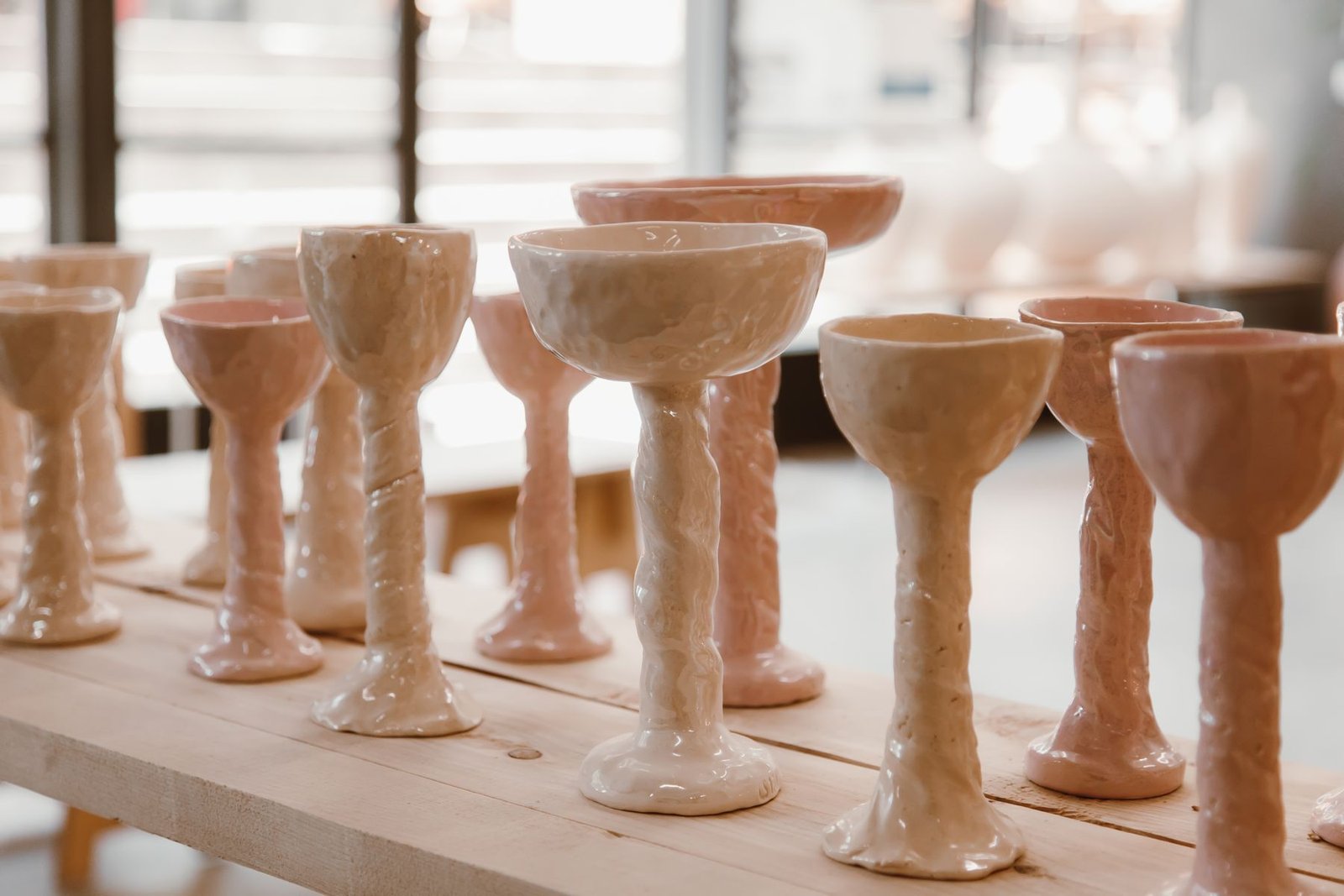
The easiest way to actually understand what Mayco offers is to see and use it firsthand. Come see and use Mayco products firsthand at Le Studio Art Space’s ceramic studio in Mordialloc.
Frequently Asked Questions
Is Mayco actually good for a total beginner, or is it more for experienced potters?
It genuinely suits beginners well, mostly because of how predictable and widely documented it is. A brand that fires consistently removes a lot of guesswork for someone still learning how glaze behaves.
Is Mayco glaze safe to use on mugs and plates?
Many Mayco glazes are formulated and tested to be food safe once fired correctly to the right temperature, and the entire range is non-toxic and lead-free. Always check the specific glaze’s labeling and firing instructions to confirm it suits a functional piece.
Why does Mayco glaze look nothing like the color on the bottle before firing?
This trips up nearly every beginner, since raw, unfired glaze rarely resembles its fired result. The true color only develops once heat, your specific clay body, and application thickness all come together in the kiln, so trust test tiles over the bottle.
Is Mayco too expensive for someone just starting out?
Not really, it sits at an accessible mid-range price, and because glaze covers a lot of surface per bottle, the actual cost per finished piece works out smaller than people expect. It is a genuinely reasonable brand to start building a glaze collection with.
Do I need a specific kiln to use Mayco glazes?
Most Mayco glazes are designed around the electric kilns that the majority of studios and schools already use, including the firing service here at Le Studio Art Space, so most beginners are already working in the right range without realizing it. Reduction firing in a gas or wood kiln is a different situation worth asking your studio about directly.
This article is provided for general educational purposes by Le Studio Art Space and reflects publicly available product information. Always check Mayco’s own product labeling and firing instructions before use.