Before buying slip casting molds, check the plaster’s condition for cracks or chips, ask how many castings it’s already had, confirm it matches the casting slip you plan to use, and weigh new versus secondhand pricing against realistic remaining lifespan.
Slip casting molds show up for sale in all sorts of places, from ceramics suppliers selling brand new stock to studio closures and secondhand marketplace listings offering a genuine bargain, or a genuine headache, depending on what you’re actually buying.
At Le Studio Art Space, members occasionally ask for a second opinion before committing to a mold purchase, since a plaster mold that looks fine in a photo can turn out to have real problems once it’s actually in your hands.
This guide walks through what’s genuinely worth checking before buying a slip casting mold, whether new or secondhand, so you avoid a purchase you’ll regret once it’s too late to return.
Checking The Mold’s Condition
Cracks in the plaster are the most obvious problem to look for, and even a hairline crack can genuinely widen with repeated use, eventually causing the mold to break apart mid-casting or leave a visible seam line on every piece.
Chips around the pour hole or rim are worth checking closely too, since damage in these high-contact areas affects how cleanly you can pour and how well multi-part molds seal together during a cast.
Run your hand gently over the mold’s interior surface, feeling for rough patches, embedded debris, or an uneven texture, all of which will transfer directly onto the surface of every piece cast from that mold.
If buying secondhand, ask to see or photograph the mold from multiple angles before committing, since online listing photos genuinely don’t always show the full condition of a mold’s interior casting surface.
For multi-part molds, also check that all pieces still fit together snugly with a clean, tight seal, since a warped or ill-fitting seam allows slip to leak out during the pour and produces a genuinely messy, uneven cast.
Understanding How Many Uses Are Left
Plaster molds wear down gradually with every casting, as repeated water absorption softens and erodes the interior surface, meaning a heavily used mold will absorb water more slowly and produce less crisp, less detailed results than a fresher one.
Most studio molds are genuinely good for dozens to a few hundred castings depending on size, complexity, and how carefully they’ve been dried and stored between uses, so asking a seller how many times a mold has already been cast is a fair and useful question.
A mold that’s been used heavily but shows no visible damage may still have real life left, while a lightly used mold that’s been poorly stored, left damp or exposed to temperature swings, can degrade faster than its casting count alone would suggest.
For fine detail work, like a mold designed for a sculptural piece with sharp texture, even moderate wear can noticeably soften detail well before the mold becomes unusable for a simpler, smoother shape.
Drying time can also creep up gradually as a mold wears, so a mold that used to reach casting thickness in twenty minutes but now genuinely takes closer to forty is telling you something real about its remaining condition.
Matching The Mold To Your Casting Slip
Not every casting slip behaves identically in every mold, and a slip formulated for a different shrinkage rate or particle size than what the mold was originally designed around can cast unevenly or crack more readily during release.
Checking whether the seller or manufacturer has any documented slip recommendation for that specific mold is worth doing before you buy, particularly for a specialty or handmade mold rather than a mass produced one from a major supplier.
If no specific recommendation exists, a standard commercial casting slip is generally a safe starting point for most common mold shapes, though testing a small trial cast before committing to a full batch is always a reasonable precaution.
Mismatched shrinkage rates between mold and slip can also affect long-term mold wear, since a slip that shrinks unpredictably against the plaster surface may stress and wear down the mold faster than a well matched pairing would.
If you’re switching to a new slip supplier after buying a mold from someone using a different brand, a small trial cast is genuinely the safest way to confirm the new pairing behaves the way you expect before committing a larger batch.
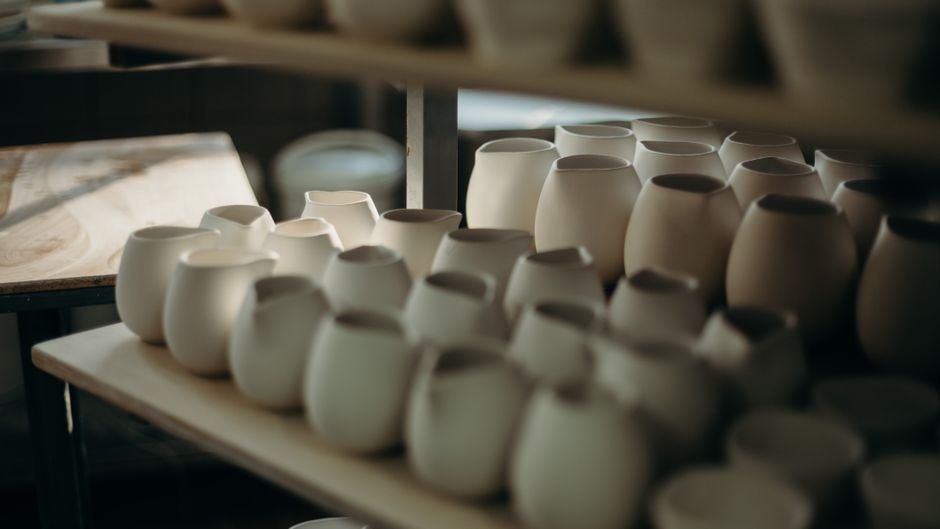
New Versus Secondhand Molds
A new mold comes with a genuinely predictable full lifespan and crisp, undamaged detail, but new molds, especially specialty or custom shapes, can carry a real price premium compared to buying secondhand.
Secondhand molds can offer genuine savings, particularly for simple, common shapes like mugs or bowls, but the trade-off is an unknown remaining lifespan and the real risk of buying a mold that’s closer to the end of its usable life than the price suggested.
Inspecting a secondhand mold in person, if at all possible, before paying is genuinely the safest approach, since it lets you check for cracks, chips, and surface wear directly rather than relying entirely on a seller’s description or photos.
For a complex, detailed, or rare mold shape that would be expensive or difficult to replace, paying more for a new one may genuinely be worth it, while a simple, easily replaceable shape is often a reasonable secondhand gamble.
What Competing Guides Leave Out
Most buying guides list condition checks without addressing realistic mold lifespan expectations honestly, and the wide range quoted, anywhere from dozens to hundreds of uses, depends heavily on mold size, detail complexity, and storage conditions rather than being a fixed, reliable number.
Where to buy from reputable sellers rarely gets specific treatment either. Established ceramics suppliers and known mold makers genuinely offer more accountability if a mold arrives damaged than an anonymous secondhand marketplace listing typically does.
Few guides mention that a genuinely reputable seller will usually answer detailed questions about a mold’s casting history and storage conditions honestly, and hesitation or vague answers to those specific questions is itself a meaningful warning sign worth taking seriously.
Shipping damage is another gap. A plaster mold is genuinely fragile in transit, and even a well packaged mold can develop a hairline crack from rough handling, so inspecting a newly arrived mold immediately, rather than storing it unchecked, catches shipping damage while it’s still a seller’s or courier’s problem to resolve.
Questions Worth Asking The Seller
Ask directly how many times the mold has been cast, and don’t be put off by a seller who genuinely doesn’t know exactly, since honest uncertainty is often more trustworthy than a suspiciously precise, confident number for a secondhand piece.
Ask how the mold has been stored between uses, since a mold kept dry and protected from temperature swings will genuinely hold up better than one left exposed to damp conditions or direct sunlight for extended periods.
Ask whether the mold has ever cracked or been repaired, since a professionally repaired mold can still be genuinely usable, but it’s information you deserve to know before deciding whether the price reflects that history fairly.
Ask what casting slip the seller used successfully with that specific mold, since a documented, working slip pairing genuinely saves you the trial and error of figuring out compatibility from scratch on your own.
Ask whether you can do a short test pour before finalising the purchase, if the sale allows it, since seeing the mold actually cast, even briefly, tells you far more than any description or set of photos ever could.

Not sure whether a mold is worth buying, or want to try casting before you invest? Ask about mold access and slip casting equipment at Le Studio Art Space’s ceramic studio in Mordialloc.
Frequently Asked Questions
Is it risky to buy a secondhand slip casting mold I haven’t seen in person?
It carries genuinely more risk than buying new or inspecting in person, so ask detailed questions about casting history and condition, and request clear photos of the mold’s interior surface before committing.
How do I know if a mold is too worn to use anymore?
Slower water absorption, softer detail in finished pieces, or visible surface roughness are all signs a mold is nearing the end of its usable life, even without an obvious crack.
Can I use any casting slip with any mold I buy?
Most standard commercial slip works reasonably well with most common mold shapes, but checking for any specific manufacturer recommendation and testing a small trial cast first is a genuinely sensible precaution.
Is a cracked mold ever still worth buying at a discount?
It depends on the crack’s location and severity, and a small, professionally repaired crack away from the pour path may still be usable, but it’s honestly a gamble worth reflecting the discounted price fairly.
Where’s the safest place to buy a slip casting mold?
An established ceramics supplier or known mold maker genuinely offers more accountability than an anonymous secondhand listing, though a well documented secondhand mold from a trustworthy seller can still be a reasonable choice.
This article is provided for general educational purposes by Le Studio Art Space and reflects common studio practice.