Underglaze is a coloured decorating medium applied directly to clay, usually at the bisque stage, to paint or draw detailed designs before a clear or coloured glaze goes over the top. Unlike glaze, it does not melt into glass in the kiln, it stays matte and fixed in place, which is exactly what makes it so reliable for fine detail, lettering, and illustration work. Most potters apply it with a brush much like paint, then cover it with a clear glaze afterward to seal and protect the design.
If you have ever seen a mug with a crisp painted illustration or a fine line drawing under a glossy surface, you have seen underglaze at work. Here at Le Studio Art Space in Mordialloc, it is one of the first questions we get before a decorating session, so here is a clear, practical explanation of what underglaze is and how to actually use it.
What Underglaze Actually Is
Underglaze is a coloured ceramic medium made from clay and mineral pigments suspended in a liquid base, similar in consistency to paint. Its key difference from glaze is that it does not vitrify, meaning it does not melt into a glassy surface during firing. It stays matte and stable, holding fine detail the way glaze simply cannot.
That difference is exactly why underglaze is the go-to choice for illustration, lettering, and detailed decoration. Glaze naturally moves and blends slightly as it melts, which is beautiful for color and texture but terrible for a crisp line drawing. Underglaze stays exactly where you put it.
Underglaze also comes in a range of consistencies beyond the standard bottled paint form, including underglaze pencils, chalks, and even pan sets similar to watercolours. That variety means the medium can suit very different hands and styles, from someone who wants confident, painterly brushstrokes to someone who prefers the precision of drawing with a pencil-like tool.
It’s genuinely worth trying a few different formats before settling on a favourite, since your comfort with a tool often matters more than any inherent quality difference between formats. A potter who feels awkward holding a fine brush might find an underglaze pencil unlocks a level of detail work they’d otherwise avoid entirely.
When In The Process You Apply Underglaze
Underglaze is most commonly applied to bisqueware, clay that has already been through its first firing but has not yet been glazed. Bisque is porous and slightly absorbent, which helps underglaze grip the surface evenly and makes brushwork more controllable than painting on raw, unfired clay.
Some potters also apply underglaze to greenware, unfired clay that is still leather-hard or bone dry, particularly for techniques like sgraffito where you scratch back through the underglaze layer. Bisqueware application tends to be the more forgiving, beginner-friendly starting point, since the piece has already survived its first firing and is more stable to handle.
Whichever stage you choose, working in a clean, well-lit space genuinely helps, since underglaze colour is much easier to judge accurately under good light than in dim studio corners. Many beginners find their brushwork improves noticeably once they simply move to a brighter part of the studio to paint.
How To Apply Underglaze For Clean Results
Brushing is the most common application method, and building up colour in two or three thin, even coats generally gives a more solid, consistent result than trying to achieve full opacity in a single thick pass. Letting each layer dry slightly before adding the next helps avoid lifting the color you already applied.
Layering underglaze colors on top of each other can create genuinely interesting blended effects, and sgraffito, scratching a design back through a solid underglaze layer to reveal the clay beneath, is a popular technique that pairs especially well with bold, simple designs. Test tiles are worth the extra few minutes here too, since underglaze colors can shift subtly once fired, just like glaze does.
Keeping brushes dedicated to specific underglaze colours, rather than rinsing and switching constantly between colours with the same brush, also helps keep results clean and predictable. A muddy brush can dull an otherwise vibrant colour surprisingly quickly, especially with lighter shades that pick up contamination easily.
Patience between layers matters just as much as the brushwork itself. Rushing straight into a second or third coat before the first has set slightly often lifts pigment rather than building it up, undoing careful work in a single stroke. A few minutes of drying time between layers genuinely pays for itself in the final result.
Do You Need To Glaze Over Underglaze
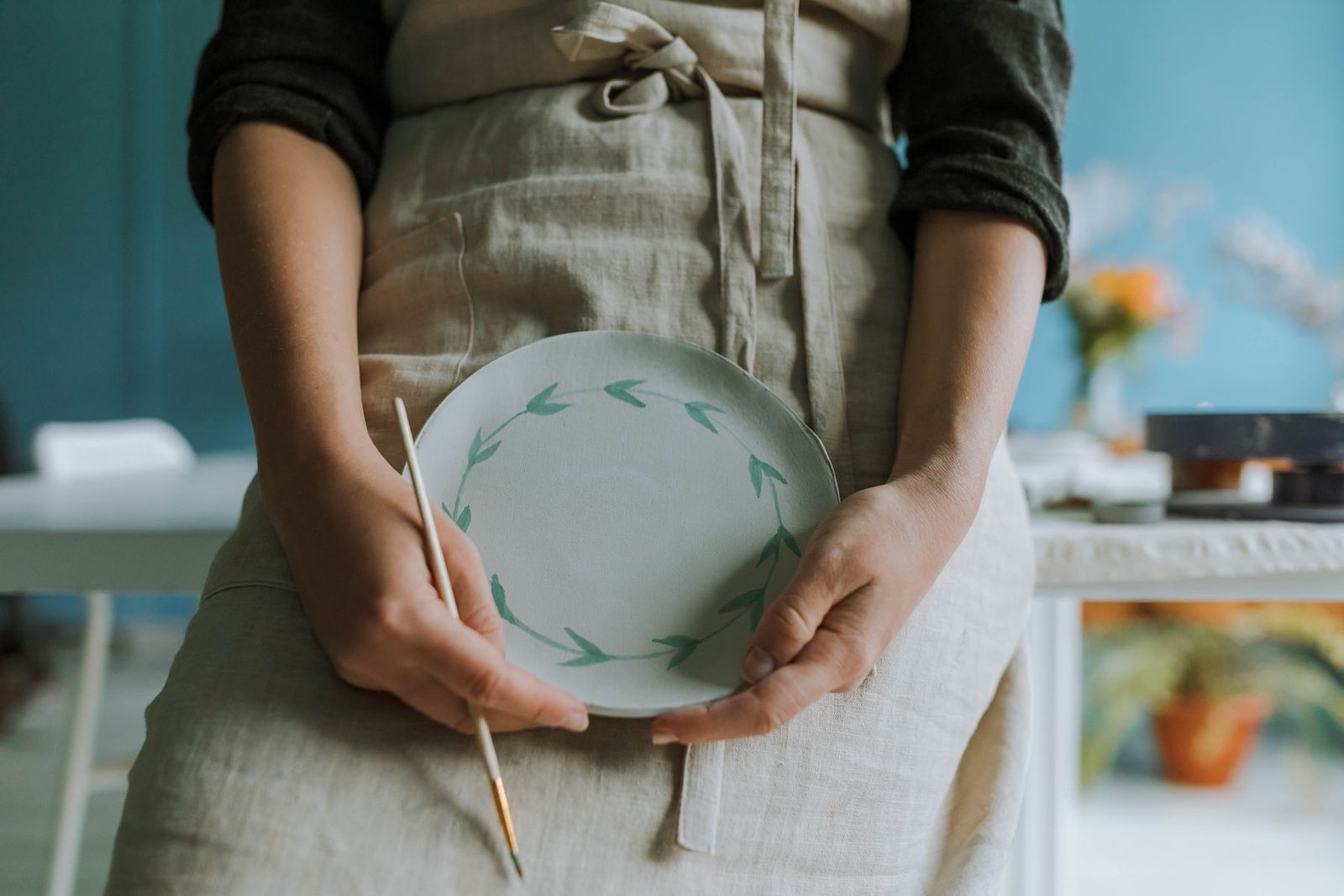
For anything functional, a mug, bowl, or plate meant for actual daily use, a clear glaze topcoat over underglaze is essential. Underglaze on its own is not vitrified and not food safe or waterproof, so the clear glaze is what actually seals the piece and makes it durable and usable.
Purely decorative or sculptural pieces have more flexibility, and some potters do leave underglaze unglazed for a deliberately matte, chalky finish. If food safety or daily use matters at all for the piece, though, a proper clear glaze over the underglaze, fired to the correct temperature, is not optional.
Choosing the right clear glaze also matters here, since not every clear glaze behaves identically over underglaze. Some can yellow slightly or subtly shift a colour underneath, so testing your specific underglaze and clear glaze combination on a sample tile first is worth doing before committing to a finished, detailed piece.
Application thickness of that clear coat matters too, since too thin a layer can leave a piece feeling slightly dry or under-protected, while too thick a layer risks pooling and softening the crisp underglaze detail underneath. Finding that balance is worth a bit of deliberate practice on test pieces before working on something you’ve spent real time decorating.
What Competing Guides Leave Out
Most underglaze guides cover the basic brushing technique and stop there, skipping tools that make detail work genuinely easier for beginners. Underglaze pencils and markers are a real gap worth mentioning, they let you draw fine lines and precise detail far more easily than a brush, especially for lettering or intricate illustration, and they are much more approachable for anyone without confident brush control.
The other gap is honesty about colour shift. Many underglaze colors look noticeably different once fired compared to their raw, unfired appearance, sometimes brighter, sometimes more muted, depending on the specific pigment and firing temperature. Keeping a set of fired test tiles on hand, something we maintain in our Ceramic Studio, takes a lot of the guesswork out of predicting a final result.
Application tools are the final gap worth naming. Many beginner guides assume a standard brush is the only option, when underglaze pencils and fine-tip applicators can genuinely transform what a beginner feels capable of achieving, especially for anyone who finds a paintbrush intimidating but is comfortable drawing.
Underglaze Versus Glaze Versus Slip
These three terms confuse a lot of beginners, and it is worth clearing up plainly. Glaze is the glass-forming coating that melts in the kiln to seal and finish a piece. Underglaze is a matte, stable decorating medium applied for detail and colour that does not melt. Slip is liquid clay, used for joining pieces together, for slip casting into molds, or sometimes brushed on decoratively in its own right.
A simple way to remember it is that glaze finishes a piece, underglaze decorates a piece, and slip is essentially clay in liquid form used structurally or decoratively before the piece is even bisque fired. Once you have that distinction clear, choosing the right material for what you are actually trying to achieve gets a lot easier.
It’s worth adding that these three materials are often used together rather than in isolation on a single piece. A form might be joined with slip, decorated with underglaze once bisque fired, and finally sealed with a clear glaze, with each material doing a genuinely distinct job at its own stage of the process.
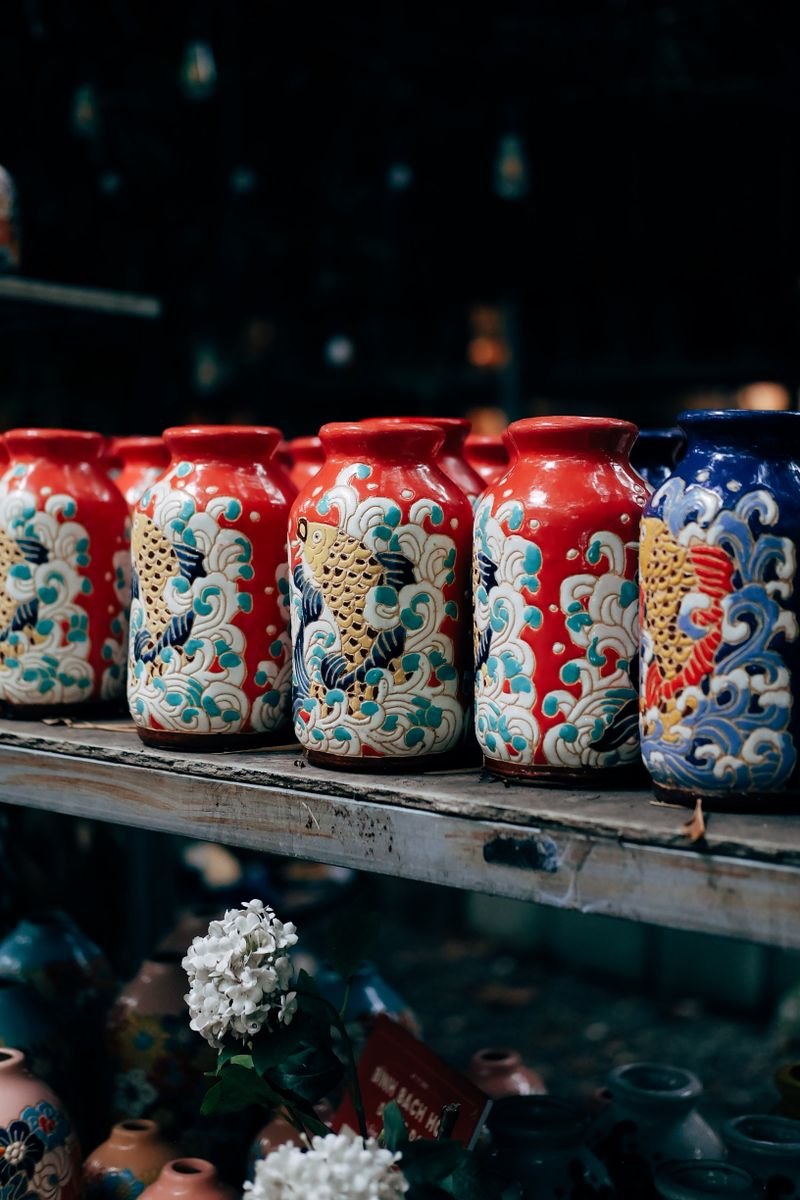
Underglaze decoration is genuinely satisfying to try hands-on once you see how it behaves on real bisqueware. Come try underglaze decoration during a studio session or class at Le Studio Art Space in Mordialloc.
Frequently Asked Questions
Is underglaze the same thing as glaze, just a different name?
No, they behave completely differently in the kiln. Glaze melts into glass, while underglaze stays matte and fixed in place, which is exactly why underglaze is used for detail work and glaze is layered over the top to finish and seal the piece.
Can I skip the clear glaze and leave underglaze bare?
You can for purely decorative or sculptural pieces, but anything meant for actual daily use, especially food or drink, needs a proper clear glaze on top to be safe and durable. Underglaze on its own is not waterproof or food safe.
Why did my underglaze color look different after firing?
This is genuinely common and not a mistake, many underglaze colors shift somewhat between their raw, unfired appearance and their fired result. Keeping fired test tiles on hand, which we do at Le Studio Art Space, is the most reliable way to know what a color will actually look like.
Do I need brush skills to use underglaze well?
Not necessarily, underglaze pencils and markers are widely available and let you draw fine detail and lettering without needing confident brush control. Many beginners find these tools much more approachable for their first decorated pieces.
What’s the difference between underglaze and slip if they’re both liquid clay-based?
Underglaze is a decorating medium made specifically for colour and detail, while slip is essentially liquid clay used structurally, for joining pieces or slip casting into molds. They can look similar in the jar, but they serve genuinely different purposes in the process.
This article is provided for general educational purposes by Le Studio Art Space and reflects common studio practice. Always check a specific underglaze product’s own labeling and firing instructions before use.