Amaco clay refers to the range of stoneware, earthenware, and specialty clay bodies made by American Art Clay Co, spanning roughly cone 05 earthenware through cone 10 stoneware, alongside their well known glazes, underglazes, and studio equipment.
Amaco is one of those names that comes up constantly once you start looking seriously at clay bodies, and for good reason. The company has been making ceramic and craft materials in the United States since 1919, and its clay range is genuinely broad enough to cover most studio projects.
At Le Studio Art Space, members choosing a clay body for a new project often ask what Amaco actually offers beyond the glazes it’s probably best known for, and how its clay bodies compare in practice to other options.
This overview covers what Amaco clay actually is, the different bodies within the range, how it feels to work with, and where it fits alongside the many other clay suppliers a potter might consider.
What Amaco Clay Is
Amaco, formally American Art Clay Co, produces clay bodies alongside its glazes, underglazes, and pottery equipment, making it one of the more genuinely full range suppliers a studio potter is likely to encounter.
The clay side of the business covers both moist, ready-to-use clay bodies for throwing and hand building, and air dry or self-hardening clay aimed more at craft and non-fired sculptural work.
Because the same company makes clay, glaze, and underglaze lines together, potters sometimes appreciate that Amaco’s own glazes are tested and documented against its own clay bodies, which takes some of the guesswork out of matching materials.
That said, Amaco clay is far from the only option on the shelf, and plenty of studios successfully mix and match Amaco clay with glazes from other makers, or the reverse, without any real issue.
The company’s history also matters a little here. Amaco Brent has been operating since 1919, which means its clay bodies and glaze formulas have been refined and tested across generations of studio use rather than being a recent addition to the market.
The Clay Bodies Amaco Is Known For
Amaco’s stoneware line includes bodies like Buff Stoneware No. 46 and White Stoneware No. 38, both rated across a genuinely wide cone 5 to cone 10 firing range, with White Stoneware giving its whitest results in oxidation and a warmer grey tone in reduction firing at the top of that range.
Terra Cotta Stoneware No. 77 blends finely ground and medium ground clays with grog, making it a genuinely popular red-bodied clay for a wide firing range, including raku work at larger scale.
On the lower fire end, Amaco’s earthenware bodies fire around cone 05, giving a softer, more traditional terracotta result suited to decorative and lower-temperature functional work.
Mid-range bodies sit between cone 5 and cone 7, giving potters a genuinely useful middle ground between the brighter colour retention of low-fire work and the added strength of full stoneware firing.
Amaco also produces specialty and porcelain-style bodies for potters wanting a finer, whiter clay for detail work, though these tend to demand more careful handling on the wheel than the more forgiving stoneware bodies most beginners start with.
What Amaco Clay Feels Like To Work With
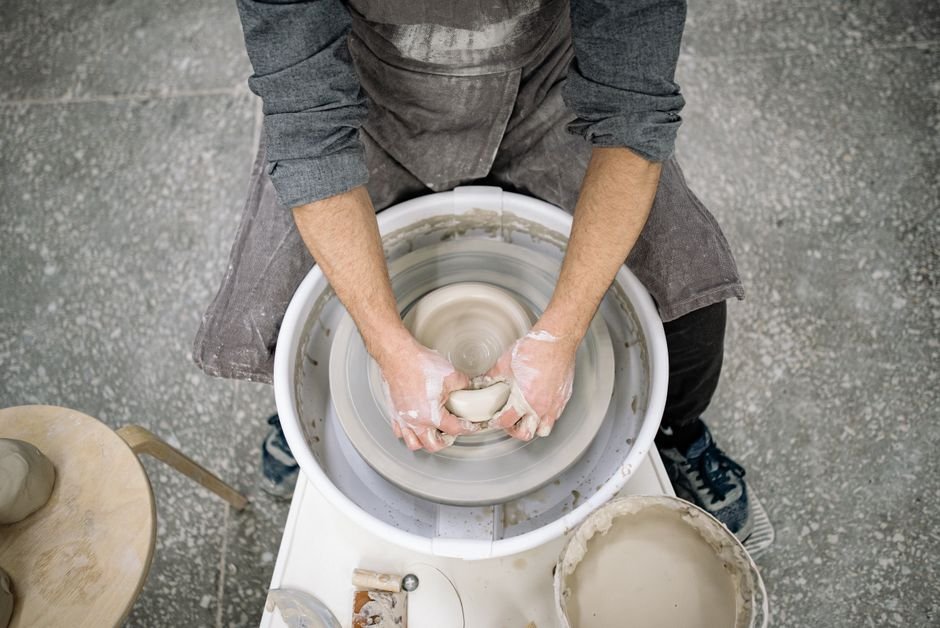
Many potters find Amaco’s stoneware bodies throw predictably on the wheel, with a consistency that holds its shape well during centering and pulling without feeling excessively short or crumbly in the hands.
The grogged bodies, including Terra Cotta No. 77, add a bit more tooth and texture, which some hand builders genuinely prefer for slab work since it helps resist warping and cracking as a larger piece dries.
Smoother bodies like the buff and white stonewares tend to suit wheel throwing and finer detail work better, since there’s less grog to interrupt a clean surface or catch on trimming tools.
As with any clay body, workability also depends heavily on how the clay has been stored and wedged before use, so a bag that’s sat open too long can feel noticeably stiffer than a properly conditioned one straight from a sealed bag.
Wedging thoroughly before centering is genuinely worth the extra few minutes with any stoneware body, since even small pockets of uneven moisture can throw off centering on the wheel or cause an uneven pull partway through a taller form.
Firing Range And Compatibility
Matching your clay body’s firing range to your glaze and your kiln’s actual firing schedule is one of the more important, and occasionally overlooked, parts of choosing a clay in the first place.
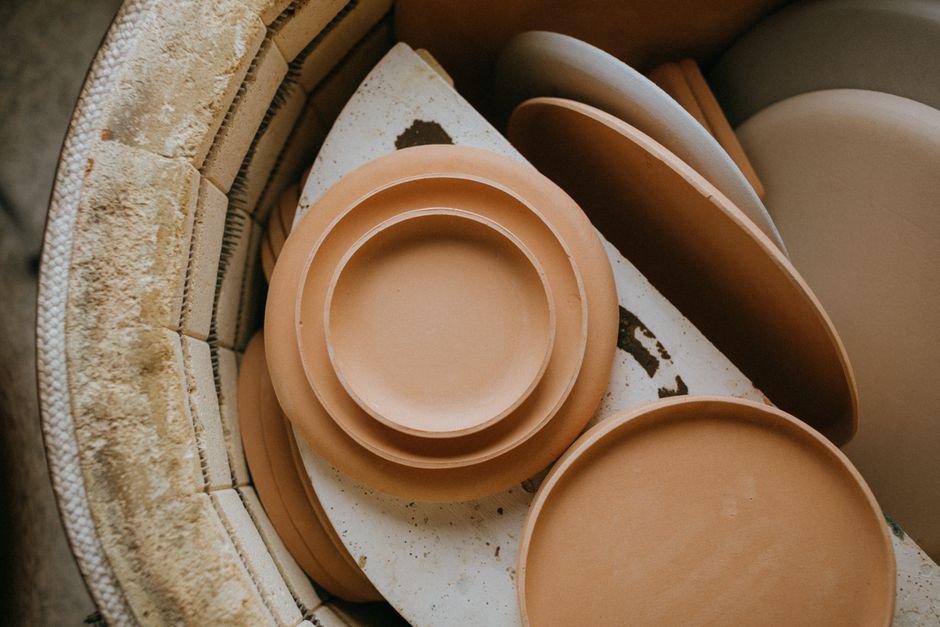
Amaco’s stoneware bodies rated cone 5 to 10 give genuine flexibility for a shared studio kiln, since the same clay can usually accommodate a firing anywhere within that range without cracking or underfiring.
Glazes formulated for a narrower cone range than your clay body’s tested range can still cause issues, including crazing or poor fit, so checking that your chosen Amaco glaze and Amaco clay body are rated for a genuinely overlapping cone range matters just as much as the clay’s own rating.
In a shared studio setting like Le Studio Art Space, where firing schedules are set for the group rather than one individual project, choosing a clay body with a wide compatible range like Amaco’s stoneware line reduces the risk of a piece being under or overfired relative to what it actually needs.
What Competing Guides Leave Out
Most overviews list Amaco’s cone ranges without genuinely addressing availability outside the United States, and Australian potters specifically often find shipping costs and import considerations make Amaco clay meaningfully more expensive landed than a comparable locally sourced clay body of similar quality.
Cost comparison in general gets glossed over too. Amaco clay tends to sit in the mid to upper price bracket compared to some budget clay bodies, though many studios report the consistency and documented compatibility with Amaco’s own glaze line offsets that cost for certain projects.
Few guides mention that Amaco’s air dry and self-hardening clay line is a genuinely separate product from its fired stoneware and earthenware bodies, and confusing the two, expecting a kiln-fired result from air dry clay, is a mistake worth flagging clearly upfront rather than discovering partway through a project.
Shelf life and storage also rarely get a mention, and moist clay bodies including Amaco’s will dry out and become unworkable if left unsealed, so proper storage in a sealed bag or bin genuinely matters just as much with Amaco clay as with any other moist clay body.
Amaco Clay Versus Other Clay Suppliers
Compared to a locally sourced clay body, Amaco’s main advantage for many potters is documented consistency and the convenience of a matched glaze line, rather than any inherent superiority in the clay itself.
Locally sourced clay, particularly in Australia, often works out cheaper once shipping is factored in, and many local suppliers offer bodies genuinely well suited to local kiln conditions and firing practices.
For a potter just deciding what to try next, the honest answer is that Amaco is a widely trusted, well documented choice worth considering, but it’s genuinely one option among several solid suppliers rather than a clear default.
Cost, availability, and how a body actually feels in your own hands tend to matter more day to day than any brand name, so weighing those factors against your specific project is generally more useful than assuming one supplier suits every situation.
Trying a small test batch of a couple of different clay bodies side by side, Amaco included, remains one of the most reliable ways to judge what actually suits your own hands and your studio’s firing schedule.
Curious what clay bodies are actually used at Le Studio Art Space? Come ask about our current stock and how it fires in our firing service during a visit to the studio in Mordialloc.
Frequently Asked Questions
Is Amaco clay actually better than other clay brands?
Not objectively. It’s a widely trusted, well documented choice, particularly for potters also using Amaco glazes, but plenty of other suppliers make excellent clay bodies too, so it comes down to what suits your project and budget.
Can I use Amaco clay with glazes from a different brand?
Yes, mixing brands between clay and glaze is common practice, though it’s worth checking that the cone ranges genuinely overlap and doing a small test tile before committing a full piece.
Is Amaco clay easy to get in Australia?
It’s generally available through ceramics suppliers, though shipping and import costs mean it often lands more expensive than a comparable locally sourced clay body of similar quality.
What’s the difference between Amaco’s stoneware and its air dry clay?
Stoneware and earthenware bodies are meant to be kiln fired for permanence, while Amaco’s separate air dry or self-hardening clay line is designed to harden at room temperature without any firing at all.
Which Amaco clay body should a beginner start with?
A mid-range stoneware body like Buff Stoneware No. 46 is a genuinely reasonable starting point, and asking at Le Studio Art Space about what’s stocked and how it fires in our kilns is a good next step.
This article is provided for general educational purposes by Le Studio Art Space and reflects publicly available product information and common studio practice.