Crystalline glazes are unpredictable because their zinc and silica chemistry, the exact cooling schedule, and even where a piece sits in the kiln all interact to influence crystal growth, meaning two pieces glazed identically can still fire to noticeably different results.
Few glazes divide a studio quite like crystalline glazes. Watch two pieces come out of the same firing, glazed from the same jar, and you can end up with one covered in bold, distinct crystal blooms and the other showing barely a trace.
At Le Studio Art Space, crystalline results are one of the more genuinely exciting things to see come out of a firing, and also one of the hardest to explain to a member seeing wildly different results from what looks like an identical setup.
This article digs into the actual chemistry and firing variables behind crystalline glazes, why even identical recipes can differ so much, and why that unpredictability is arguably the whole point rather than a flaw to be engineered out.
What Crystalline Glaze Chemistry Involves
Crystalline glazes rely on a genuinely high ratio of zinc oxide to silica in the glaze formula, which creates the right chemical conditions for visible zinc silicate crystals to grow within the molten glaze during firing.
Unlike most glazes, which are formulated specifically to stay smooth and stable, crystalline glazes are deliberately pushed toward instability, encouraging the glaze to want to crystallise rather than remain a uniform glassy surface.
The base glaze itself is also notably more fluid than a typical glaze recipe, which matters because those zinc silicate crystals need room and mobility within the molten glaze to actually form and grow into visible clusters.
This fluidity is exactly why crystalline glazes run so much during firing, and why every piece fired with one genuinely needs its own catch plate to protect the kiln shelf from dripping glaze.
Some crystalline recipes also include added colourants, and those pigments interact with the crystal structure itself, sometimes concentrating along crystal edges rather than spreading evenly, which adds yet another layer of visual unpredictability on top of the crystal formation.
Why Cooling Speed Changes Everything
Crystal growth doesn’t happen at peak firing temperature. It happens during a carefully controlled cooling phase, where the kiln is held at a specific temperature range for an extended period to give crystals time to actually form and grow.
A slower, more controlled cool through the crystal growth range genuinely tends to produce larger, more defined crystal clusters, while a faster cool through that same range often results in smaller, less distinct crystal formation.
Even small differences in how precisely a kiln holds its programmed cooling schedule can shift results meaningfully, since crystal growth is genuinely sensitive to both the exact temperature and how long it’s held there.
This is part of why crystalline firing is often treated almost as its own specialty within ceramics, since it demands a level of kiln control and monitoring that a standard bisque or glaze firing simply doesn’t require.
Some potters hold the crystal growth range for as little as fifteen minutes, while others extend the hold to several hours chasing larger, more dramatic crystal clusters, and both approaches genuinely produce valid, if visually different, results.
How Placement In The Kiln Affects Results
No kiln heats with perfect uniformity, and even a well calibrated electric kiln will have genuine hot and cool spots depending on element placement, shelf position, and how tightly the kiln is packed for that firing.
A piece positioned nearer a heating element may experience a subtly different effective temperature and cooling rate than one positioned toward the centre of a shelf, and for a technique this sensitive, that difference can be enough to change crystal size and distribution.
This is one of the genuine reasons two pieces glazed identically and fired in the same kiln load can still come out looking meaningfully different, purely because of where each one happened to sit.
Potters chasing more consistent crystalline results sometimes learn their own kiln’s particular hot spots over several firings and deliberately place crystalline pieces in the zone that’s historically given them the results they’re after.
In a genuinely shared studio kiln, that kind of deliberate placement is harder to control since firing loads change constantly, which is one honest reason why crystalline results at a working studio tend to vary more firing to firing than in a dedicated single-purpose setup.
Why Even Identical Recipes Can Differ
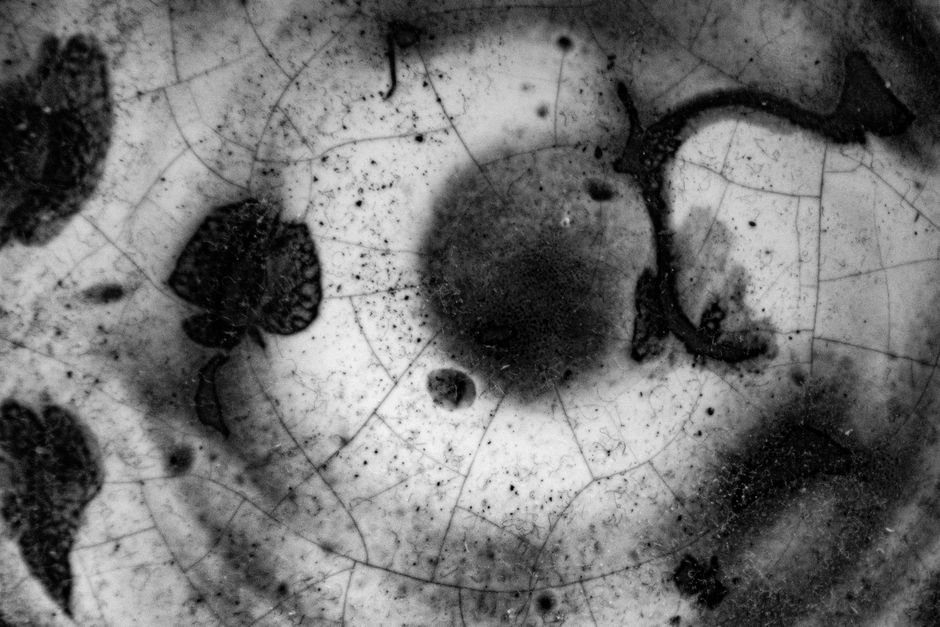
Beyond cooling and placement, small variables compound into visibly large differences, including how thickly the glaze was applied, how evenly it was applied, and the exact shape and surface of the piece it’s sitting on.
A slightly thicker application in one spot gives crystals more material and room to grow there, while a thinner spot nearby may barely develop crystals at all, which is why crystalline results often look genuinely different across a single piece, not just between pieces.
Even humidity and ambient studio conditions on the day a piece was glazed can subtly affect how the glaze dries and sits on the surface before firing, adding yet another small variable into an already sensitive process.
None of these variables alone is usually decisive, but crystalline chemistry is sensitive enough that several small factors compounding together genuinely can shift a result from a dramatic crystal bloom to a comparatively quiet, subtle surface.
This is exactly why experienced crystalline potters rarely blame a single cause when a piece underperforms, and instead look at the whole picture of application, placement, and cooling together before adjusting anything for the next attempt.
What Competing Guides Leave Out
Most general explanations of crystalline chemistry stop at zinc and silica ratios without genuinely addressing how much harder consistency becomes in a shared studio kiln, where firing schedules and load composition change from one firing to the next depending on everyone else’s work going in alongside yours.
A dedicated home kiln fired the exact same way every time, purely for crystalline work, is a genuinely different and more controllable situation than a shared studio kiln juggling many potters’ pieces and firing needs.
Realistic expectations for a first attempt rarely get addressed honestly either. Many potters find their first few crystalline pieces show only modest, subtle crystal formation, and that’s a completely normal starting point rather than a sign of doing something wrong.
Few guides also mention that crystalline glaze runoff can genuinely fuse a piece to its catch plate if the setup isn’t quite right, which is a good reason to have an experienced eye check your kiln setup before your first crystalline firing rather than troubleshooting after the fact.
Embracing The Unpredictability Rather Than Fighting It
Many experienced crystalline potters genuinely come to see the variation as the appeal of the technique rather than a flaw, since no two pieces can ever be perfectly reproduced, making every successful result something close to genuinely one of a kind.
Keeping detailed notes on glaze thickness, kiln placement, and cooling schedule for each crystalline firing helps build a personal understanding of your own kiln’s tendencies over time, even if it never guarantees an identical result twice.
Approaching a first few crystalline attempts with curiosity rather than a fixed expectation of a specific outcome tends to make the process considerably more enjoyable, and often leads to noticing genuinely interesting results that a stricter, more controlling approach might dismiss as failures.
Most studios report that once a potter stops chasing an identical repeat of one particularly striking piece, and instead treats each crystalline firing as its own experiment, the technique becomes a lot more satisfying to work with long term.
Want to see crystalline results up close before trying it yourself? Come look at glaze samples and ask about advanced glazing workshops at Le Studio Art Space in Mordialloc.
Frequently Asked Questions
Why did my crystalline glaze not form any crystals at all?
It’s usually down to the cooling schedule not holding long enough in the crystal growth range, glaze applied too thinly, or kiln placement, and it’s genuinely common for a first attempt to show little to no crystal formation.
Can I get consistent, repeatable crystalline results if I control everything carefully?
You can improve consistency with careful notes and a controlled cooling schedule, but true identical repeatability is genuinely difficult even under controlled conditions, since so many small variables interact at once.
Is crystalline glazing safe to try in a shared studio kiln?
Yes, with proper catch plates and setup, and Le Studio Art Space can advise on preparing a piece correctly before it goes into a shared firing to protect both your work and the kiln shelf.
Why does my piece have crystals in some spots but not others?
That’s typically down to uneven glaze thickness or application, since thicker areas give crystals more material and room to grow while thinner areas often develop little to no visible crystal formation.
Do I need a special kiln to try crystalline glazes?
Not necessarily a special kiln, but you do need one capable of holding a precise, extended cooling schedule, which is worth discussing with an experienced potter or your studio before attempting your first firing.
This article is provided for general educational purposes by Le Studio Art Space and reflects common studio practice.