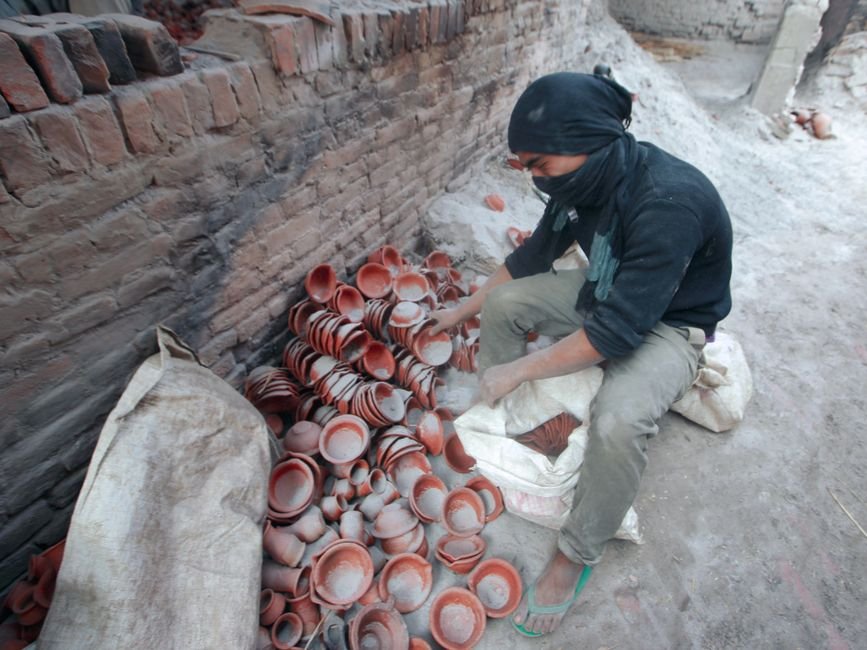
Top Loading Vs Front Loading Kilns Explained
Top loading vs front loading kilns explained: Le Studio Art Space compares loading, ergonomics, space, cost, heat distribution, and how to choose.
Top loading vs front loading kilns explained: Le Studio Art Space compares loading, ergonomics, space, cost, heat distribution, and how to choose.
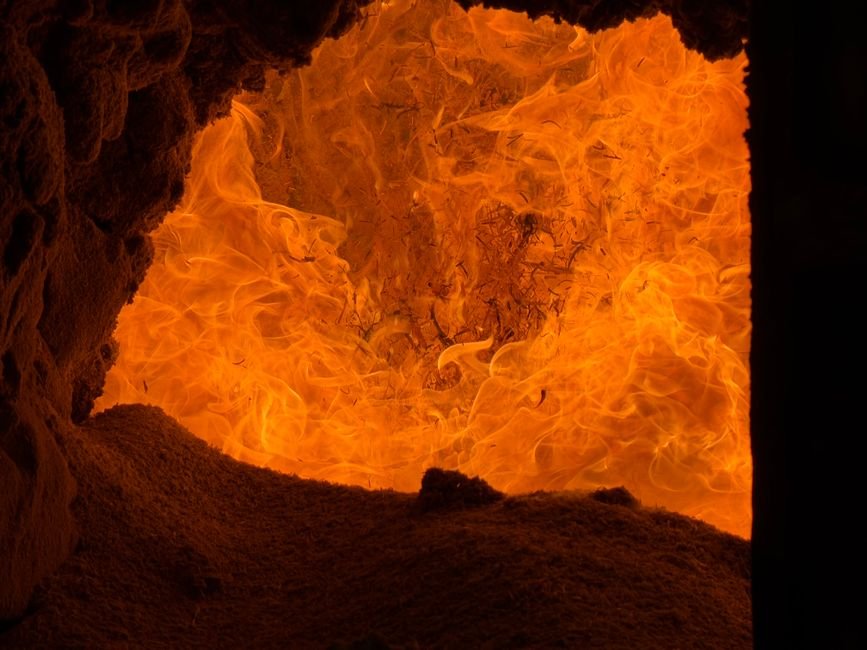
Raku firing vs traditional kiln firing: Le Studio Art Space compares how each works, the finished results, safety realities, and how to try raku.

Cone 6 vs cone 10 explained: Le Studio Art Space compares mid fire and high fire ranges, clay and glaze behaviour, kilns, energy, and how to choose.
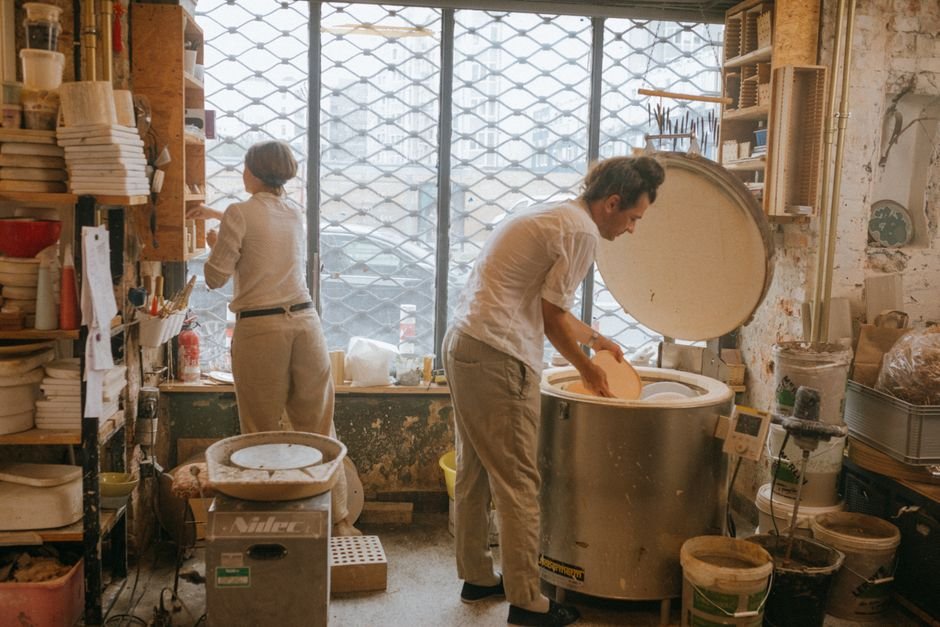
Electric kiln vs gas kiln for a home studio: Le Studio Art Space compares how each works, safety, running costs, local rules, and which suits you.

Pottery cone numbers explained: Le Studio Art Space covers what pyrometric cones are, why 06 is cooler than 6, heat work, and how to read clay and glaze labels.

Why can pottery explode in the kiln? Le Studio Art Space explains the real causes and how a well managed studio avoids the risk entirely.
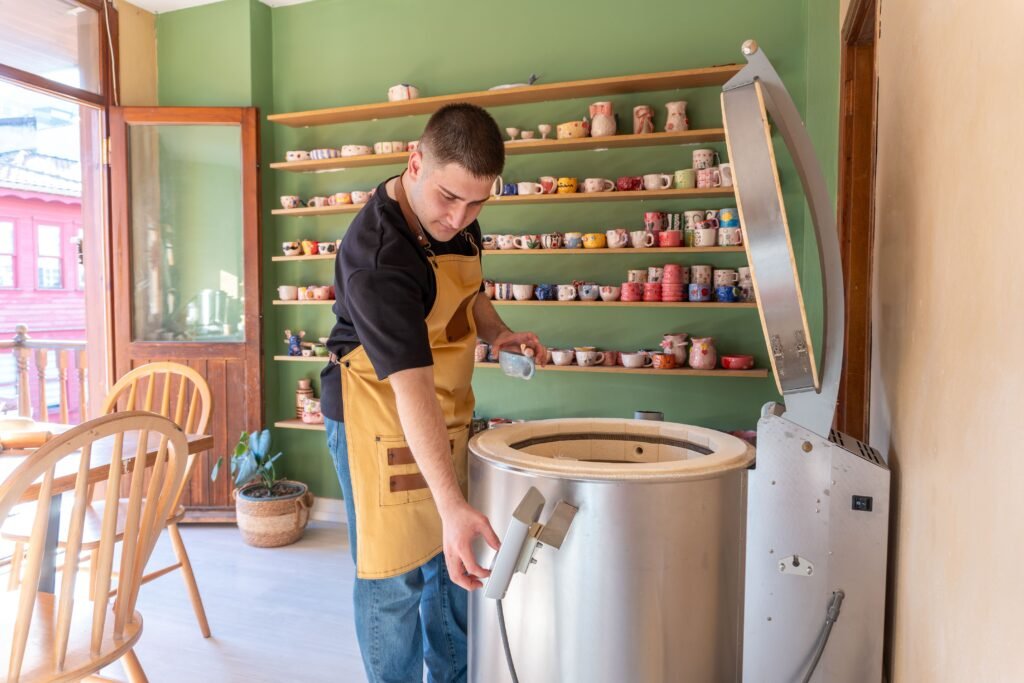
What are the parts of a kiln every potter should know? Le Studio Art Space breaks down the chamber, elements, and controls simply and clearly.

Why do pots crack in the kiln? Le Studio Art Space explains trapped moisture, uneven thickness, fast firing, and weak joins, and how to prevent cracking.