A career as a ceramic artist usually combines making work with firing, finishing, photographing, pricing, selling, and plenty of admin. Most ceramic artists earn from several sources at once, such as selling pieces, taking commissions, teaching classes, and exhibiting. Ceramic artist jobs are rarely a single salaried role, and access to a studio, kilns, and a creative community makes a big difference.
If you love clay, it’s natural to daydream about doing it full time. The picture in your head might be quiet mornings at the wheel, shelves of finished pots, and a gallery opening with friends. Parts of that are real. But the day to day reality of ceramic artist jobs is broader, busier, and a lot more varied than most people expect.
At Le Studio Art Space in Mordialloc, we share our building with working artists, teachers, and members who are building their practice one firing at a time. This guide is an honest look at what a ceramic career actually involves, so you can decide whether it’s something you’d like to grow toward, and how you might start.
What A Ceramic Artist Actually Does Day To Day
Making is the heart of it, but making itself has many stages. A typical week might include wedging and throwing or building new forms, trimming and finishing leather hard pieces, applying slips or underglazes, and preparing work for the bisque kiln. Clay runs on its own timetable, so a lot of planning goes into keeping work moving at the right pace.
Then comes firing. Loading kilns, glazing bisqueware, checking results, and dealing with the pieces that crack, warp, or come out differently than expected all take real time. Many ceramic artists will tell you that a portion of every batch doesn’t make the cut, and sorting seconds from finished work is part of the routine.
After firing, there’s finishing. Sanding bases, checking glazes, labelling, wrapping, and packing pieces for sale or exhibition can take hours, especially for an order of matching tableware.
And then there’s the unglamorous side: answering emails, updating a website or online shop, invoicing, ordering clay and glaze materials, keeping records for tax, and cleaning the studio. Many working ceramic artists say that if you add it all up, a big share of their week isn’t spent with their hands in clay at all.
Common Ways Ceramic Artists Earn A Living
Selling work is the most obvious income stream. That can mean markets, online shops, galleries, design stores, and direct sales through social media. Functional ware like mugs and bowls tends to sell more steadily, while sculptural or exhibition pieces sell less often but at higher prices.
Commissions are another option. Restaurants, cafes, and private clients sometimes order custom tableware, tiles, or one off pieces. Commission work can be rewarding, but it also brings deadlines, client expectations, and the pressure of getting consistent results across a whole order.
Teaching is a big part of many ceramic careers. Running classes and workshops brings regular income, keeps you connected to people, and often sharpens your own skills because you have to explain what you do. Residencies, grants, and artist talks can add further income or opportunities.
Most ceramic artists combine several of these, often alongside part time work outside clay, especially in the early years. If you’d like a broader overview of roles in the field, from production potter to technician, our guide to what ceramic jobs are out there covers the wider options.
The Skills Beyond Making
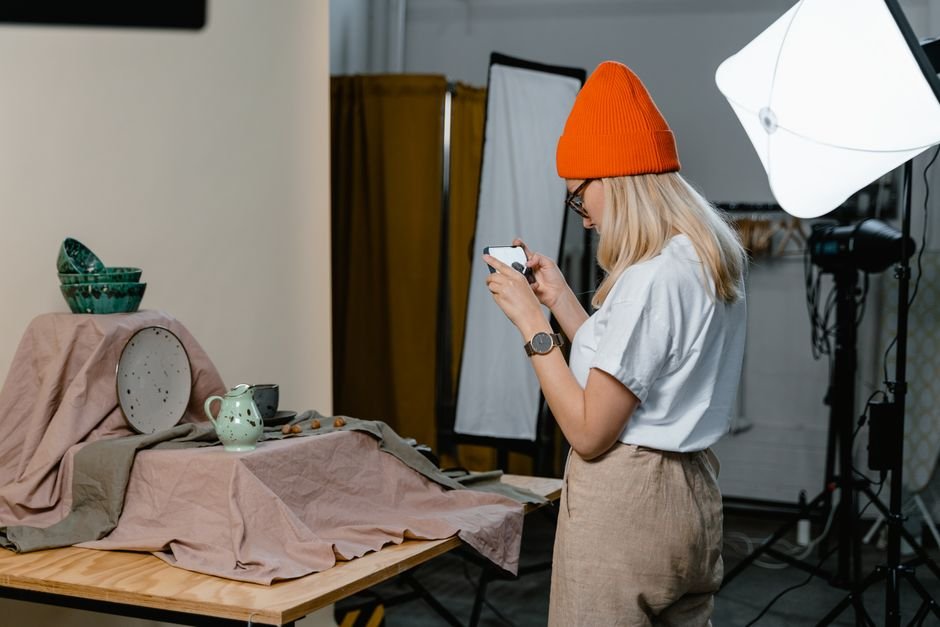
Being good with clay is essential, but it’s only part of the job. Photography matters a lot, because most people will see your work on a screen before they ever hold it. Learning to take clear, well lit photos of your pieces is one of the most useful skills you can build.
Pricing is another. Ceramic artists need to understand their real costs, including materials, firing, studio time, and their own hours, and price work so it’s sustainable. Many beginners underprice their work at first, which can make it harder to grow later.
Showing work well is a skill too, whether that’s arranging a market stall, preparing a body of work for a gallery, or presenting pieces online. Consistency, clear labelling, and thoughtful display help people understand and value what you make.
Finally, there’s talking about your practice. Writing a short artist statement, describing your process to a customer, or giving a talk at an exhibition opening all help people connect with your work. It can feel awkward at first, but most artists find it gets easier with practice.
Basic business skills round things out. Keeping simple records of income and expenses, understanding when you may need an ABN or to register for GST, and knowing roughly what each piece costs to make all help you make better decisions. You don’t need to be an accountant, but a little organisation early on saves a lot of stress later, and a chat with a qualified adviser is worth it once sales start to grow.
The Role Of Studio Space And Community
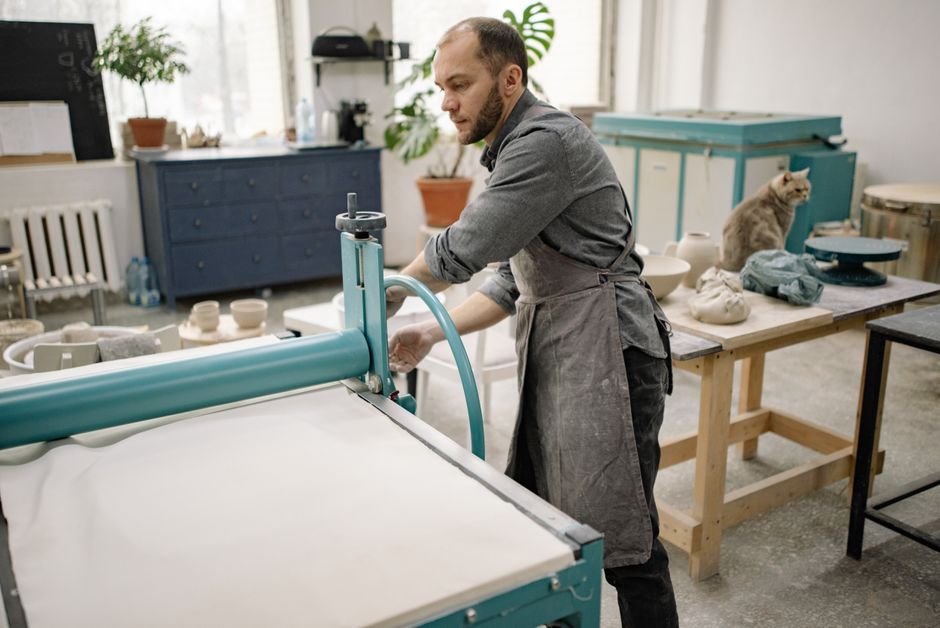
Ceramics needs equipment. Wheels, kilns, shelving, wedging tables, glaze areas, and a place for work to dry slowly are hard to fit into a spare room. Setting all this up yourself can be expensive, which is why many ceramic artists start by renting space or joining a shared studio.
Access to kilns is especially important. Firing is where work is made or lost, and having reliable kilns, or a trusted firing service, lets you focus on making. Many artists find that working from a studio with established kilns removes a big barrier in their first years.
Community matters just as much. Working alongside other makers means sharing knowledge, troubleshooting glaze problems together, hearing about markets and exhibitions, and getting honest feedback on new work. Many artists say their peers taught them as much as any course did.
If you’re weighing up options, our guide comparing individual studios, shared studios, and studio memberships explains the trade offs, and you can learn more about our own ceramic studio and how members use it.
What Competing Guides Leave Out About Ceramic Artist Jobs
Most articles about ceramic artist jobs focus on job titles and income ranges. What they rarely mention is how much of the work isn’t making. Admin, marketing, packing, and studio maintenance can take up a large part of every week, and loving clay doesn’t automatically mean loving those tasks.
They also skip the uneven nature of income. Sales often rise around markets and the end of year gift season and dip at other times. Many artists plan around that rhythm and keep a mix of income sources to smooth things out.
Another gap is how emerging artists actually get seen. Big galleries are hard to break into, but local studios, community galleries, group shows, and pop up exhibitions often give newer artists their first public showing. Those early shows help build confidence, a body of work, and a network.
Finally, competing guides often present a ceramic career as all or nothing. In reality, many people build a practice gradually, keeping other work while their clay income grows. There’s no single path, and a slow, steady build is often more sustainable than a sudden leap.
First Steps Toward A Ceramic Practice
Start by building skill and consistency. Regular studio time, classes, and plenty of repetition will do more for your future practice than any business plan. Our workshops and classes are a good place to keep developing.
Next, begin to develop a recognisable body of work. That might mean settling on a clay body, a few glazes, and a range of forms you can make reliably. Using a dependable firing service helps keep results consistent while you’re still deciding whether to invest in your own kiln.
Then test the waters. A small market stall, a shared exhibition, or a handful of pieces online can show you what people respond to without a big upfront commitment. Keep notes on what sells, what people ask about, and what you enjoy making most.
Most importantly, be patient and realistic. Building a ceramic practice takes time, and results vary from person to person. Many artists find the journey itself, and the community they meet along the way, is a big part of what makes it worthwhile.
Thinking about building a ceramic practice? Le Studio Art Space in Mordialloc offers studio access, kilns, a firing service, and a gallery for exhibitions, so you can grow your work alongside a community of local makers.
Frequently Asked Questions
Can you actually make a living as a ceramic artist?
Some people do, but it usually involves combining several income streams like sales, teaching, and commissions. Many artists also keep other work, especially while their practice is growing.
Do I need a degree to become a ceramic artist?
No. Some ceramic artists have formal training, while many learn through classes, studio memberships, and years of practice. What matters most is skill, consistency, and a body of work.
How long does it take to build a ceramic practice?
It varies widely. Many artists spend several years developing skills and a recognisable style before selling regularly, and timelines depend on how much time you can put in.
Is it worth buying my own kiln straight away?
Not necessarily. Many emerging artists use a shared studio or firing service first, which lowers startup costs while they work out what they need.
How can Le Studio Art Space help me start out?
Le Studio Art Space offers studio space, classes, a firing service, and a gallery for exhibitions. It’s a practical way to build skills and connect with other makers in Mordialloc.
This article is provided for general educational purposes by Le Studio Art Space. It is not financial or career advice, and individual results vary.