Potters choose Kemper tools for clay because the American company has been making handcrafted pottery tools since 1947, building a reputation for durable, affordable equipment that holds up to years of daily studio use. Their ribbon tools, trimming loops, and wire cutters have become close to an industry standard, found on shelves in home studios and teaching studios alike. They are not the only reliable clay tool brand, but they are one of the most trusted starting points for building a personal tool kit.
Walk past almost any working pottery bench and you will spot at least one Kemper tool, usually a ribbon tool or a trimming loop that has clearly seen years of use. Here at Le Studio Art Space in Mordialloc, we hand these tools to new members constantly, so here is a genuine, practical explanation of why potters keep choosing Kemper.
What Kemper Tools Are
Kemper Tools is an American company that has been handcrafting tools for ceramic artists since 1947, building a catalog that now spans carving tools, trimming loops, needle tools, sponges, wire cutters, and their well-known ribbon tools. The company has stayed genuinely rooted in the craft, with staff who have often been there for decades, which shows in how consistently their tools are made.
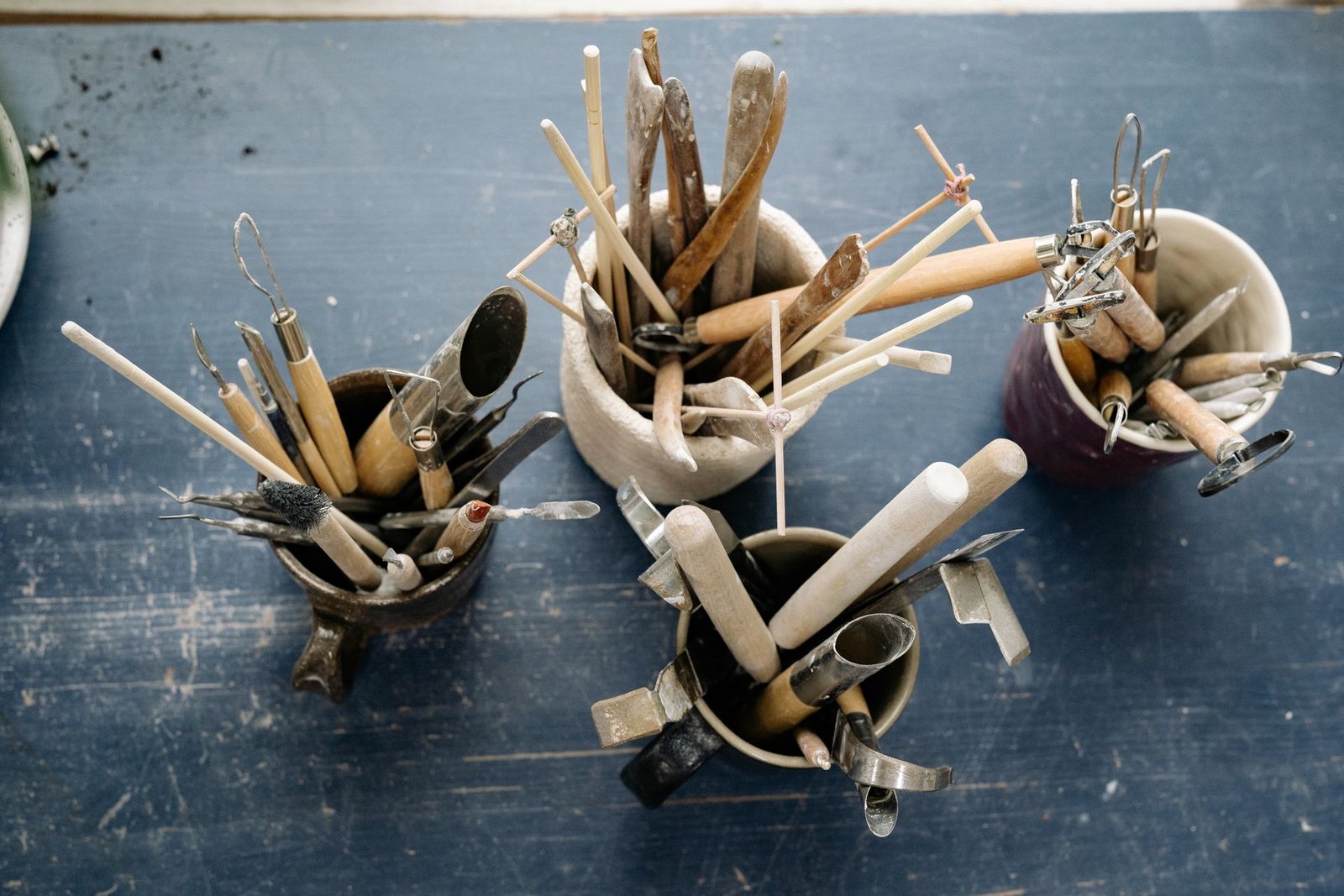
Their ribbon tools are probably the most recognizable item in the range, shaped cutting heads made from heavy stainless steel ribbon with sharpened edges, formed onto ends made from clock-spring steel and secured with brass ferrules. That construction is exactly why they hold an edge and a shape through years of regular use rather than bending or dulling quickly.
Beyond hand tools, Kemper also produces items that quietly become studio staples, cone holders, banding wheels, and various measuring and marking tools that don’t get talked about as often but genuinely earn their keep in daily studio operation. It’s the kind of full-catalog depth that comes from decades of listening to what working potters actually ask for.
That depth also means a potter can genuinely grow with the brand over time, starting with a small handful of essentials and gradually discovering more specialised items in the catalog as specific techniques and preferences develop, rather than outgrowing the range and needing to switch brands entirely.
Why Potters Trust Kemper For Everyday Studio Work
Durability is the word that comes up constantly when potters talk about why they reach for Kemper. A tool that survives years of daily trimming, carving, and cutting without needing replacement is genuinely valuable in a busy studio, where equipment gets handled by many different people with very different levels of care.
Ergonomic design plays a real role too, tools shaped to sit comfortably in the hand through long trimming sessions reduce fatigue and make fine control easier to maintain. Consistency across the range matters as well, once you know how one Kemper tool feels and performs, you have a reasonable idea of what to expect from the rest of the catalog, which builds genuine trust over time.
That trust compounds in a teaching environment specifically. When staff at a studio like ours are handing tools to dozens of different students across a term, knowing those tools will behave predictably in unfamiliar hands, without breaking or dulling after a single class, genuinely matters for keeping a busy teaching schedule running smoothly.
It also reduces the mental overhead for instructors, who can focus entirely on teaching technique rather than constantly troubleshooting equipment that’s behaving unpredictably in different students’ hands.
The Kemper Tools Most Potters Reach For First
Ribbon tools are usually the first Kemper tool a new potter picks up, useful for trimming, carving, and shaping clay with their distinctive wire loop cutting heads that come in a range of shapes and sizes. They are versatile enough to cover a huge range of everyday tasks at the wheel and on hand-built work alike.
Trimming tools, used to remove excess clay from the base of a thrown piece once it’s leather-hard, and simple wire cutters, used to slice clay off a block or lift a finished piece from the wheel, round out the essentials most beginners reach for constantly. These three categories alone cover the vast majority of what a new potter actually needs day to day.
A needle tool tends to become the fourth essential fairly quickly too, useful for scoring surfaces before joining clay, checking wall thickness by feel, and trimming excess clay from a rim. It’s a small, inexpensive tool, but most potters find themselves reaching for it almost as often as their ribbon tool once they’ve settled into a regular practice.
Building A Starter Kit Around Kemper Tools
You don’t need to buy the entire catalog to get started well. A practical starter kit usually covers one or two ribbon tools in different shapes, a basic trimming tool, a needle tool for scoring and checking thickness, and a simple wire cutter, which together handle the large majority of everyday tasks a beginner will run into.
Budget-aware doesn’t mean cutting corners on the tools you’ll use constantly. Many potters find it makes more sense to buy fewer, better tools you’ll genuinely reach for often than a large kit padded with specialty items you might rarely use, especially while you’re still discovering which techniques you actually enjoy.
A simple carrying case or roll is worth adding to that starter kit too, since keeping tools organised and protected genuinely extends their working life. Loose tools rattling around in a bag are far more prone to bent edges and lost pieces than ones kept in dedicated pockets or slots.
What Competing Guides Leave Out
Most tool guides describe what Kemper tools do without addressing how they actually hold up over years of real studio use, which is honestly the more useful question for anyone deciding what’s worth investing in. In our experience at Le Studio Art Space’s Ceramic Studio, our Kemper tools that see daily handling from dozens of different members still perform reliably years in, which says a lot about their build quality.
The other gap is honesty about where cheaper alternatives are genuinely fine. A beginner doesn’t necessarily need to start with premium tools for absolutely everything, some basic, inexpensive tools work perfectly well while you’re still learning, and it’s reasonable to upgrade specific tools to Kemper once you know which ones you actually use often enough to justify the investment.
Maintenance is a gap worth mentioning too, since even durable tools benefit from basic care, rinsing clay off promptly rather than letting it dry and cake onto metal edges, and drying tools fully before storage to avoid rust on steel components. This small habit meaningfully extends how long any quality tool, Kemper included, stays in good working condition.
Kemper Versus Other Clay Tool Brands
Kemper isn’t the only respected clay tool brand, and it’s worth being fair about that. Other manufacturers make quality tools too, sometimes at a lower price point that suits a genuine beginner’s budget better, and plenty of experienced potters also make or modify their own handmade tools for specific techniques a commercial tool doesn’t quite address.
Where Kemper tends to stand out is consistency and longevity across a broad, dependable catalog, which is exactly why it functions as such a common studio default. If you’re chasing a very specific specialty tool or working within a tighter budget as a total beginner, it’s genuinely worth looking at what else is available rather than assuming Kemper is the only sensible choice.
Trying tools from a few different brands side by side, rather than reading specs alone, is genuinely the most reliable way to know what actually suits your own hands and working style. What feels perfect to one potter can feel awkward to another, regardless of how well-regarded the brand is overall.
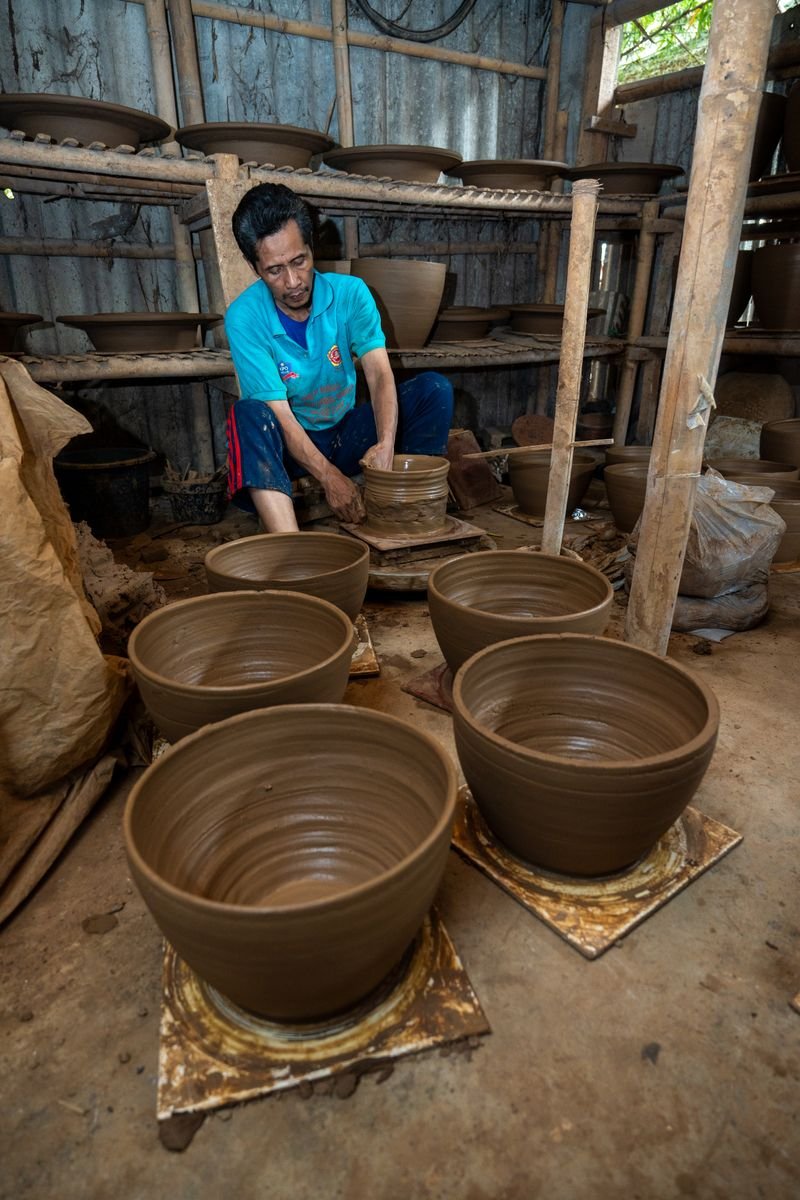
The best way to know which tools actually suit your hands and your work is to try them yourself. Come try Kemper tools hands-on and get personal recommendations at Le Studio Art Space’s ceramic studio in Mordialloc.
Frequently Asked Questions
Are Kemper tools actually worth the price compared to cheaper options?
For tools you’ll use constantly, most potters find the durability genuinely justifies the cost over time, since a well-made ribbon tool or trimming tool can last for years of regular studio use. For occasional or specialty tools, a cheaper option is often perfectly reasonable while you figure out what you actually need.
What’s the very first Kemper tool I should buy as a complete beginner?
A basic ribbon tool is usually the most versatile first purchase, useful across trimming, carving, and shaping tasks. Many beginners at Le Studio Art Space start there before adding a trimming tool and wire cutter as their needs become clearer.
Do Kemper tools actually last as long as people say?
In our experience, yes, our own studio tools see daily use from many different members and still perform reliably years later. That said, how a tool is cared for and stored also affects its lifespan, so reasonable maintenance still matters.
Is it okay to start with cheaper, non-Kemper tools as a beginner?
Absolutely, plenty of inexpensive tools work perfectly well while you’re still learning and figuring out which techniques you genuinely enjoy. Upgrading specific tools to Kemper once you know what you use often is a completely reasonable, budget-conscious approach.
Can I try Kemper tools before deciding whether to buy my own?
Yes, our studio tools at Le Studio Art Space are available to members during classes and studio sessions, which is a genuinely useful way to get a feel for specific tools before spending money on your own kit.
This article is provided for general educational purposes by Le Studio Art Space and reflects publicly available company information and common studio practice.