Ceramics as a material is essentially clay that has been permanently transformed by heat, changing from a soft, workable substance into a hard, stable one that can no longer be reshaped or dissolved back into clay.
Most people know ceramics as the finished mug on their shelf or the bowl on their table, without ever really thinking about what happens at the material level to get there.
At Le Studio Art Space, we love walking curious members through exactly this, because understanding the material genuinely deepens your appreciation for the whole process.
This guide breaks down what actually makes something a ceramic, how it gets there, and why the transformation matters so much to how the material behaves.
None of this requires a science background. A few clear ideas about heat, chemistry, and structure are genuinely all you need to follow along.
By the end, you’ll have a genuinely solid grasp of ceramics as a material, not just as a category of finished objects sitting on a shelf.
What Makes Something A Ceramic Material
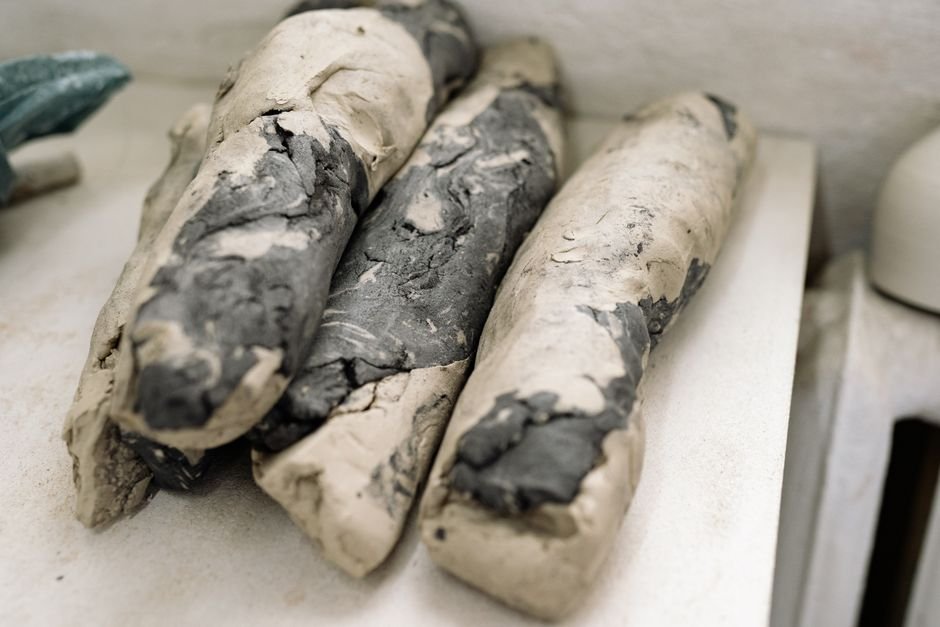
At its core, a ceramic material starts as clay, a naturally occurring substance made of fine mineral particles that become plastic and workable when mixed with water.
What genuinely defines ceramics as a category is the permanent transformation that heat brings about, turning something soft and reshapeable into something hard and fixed.
This is different from materials like wood or metal, which can often be reshaped again after their initial forming without a fundamental chemical change.
Once clay is fired to a sufficient temperature, the mineral structure itself genuinely changes, and there’s no practical way to reverse that process.
This permanence is part of why ceramics have survived for thousands of years in archaeological sites, long after other organic materials have decayed away.
It’s also why a fired ceramic piece, unlike an unfired clay one, can hold water, survive daily handling, and withstand years of genuine use.
Understanding this basic definition helps explain almost everything else about how ceramics are made, used, and cared for.
It also explains why an unfired clay piece feels so different in the hand from a finished one, even though the shape may look identical.
The Journey From Raw Clay To Finished Ceramic
Wet clay is the very beginning of the journey, soft, plastic, and fully workable on the wheel or by hand, exactly as it comes out of the bag.
As a piece dries, it passes through a leather hard stage, firm enough to trim and handle carefully but still containing meaningful moisture within the clay body.
Fully dried, unfired clay is called greenware, genuinely fragile and easily damaged, since none of the permanent chemical transformation has happened yet.
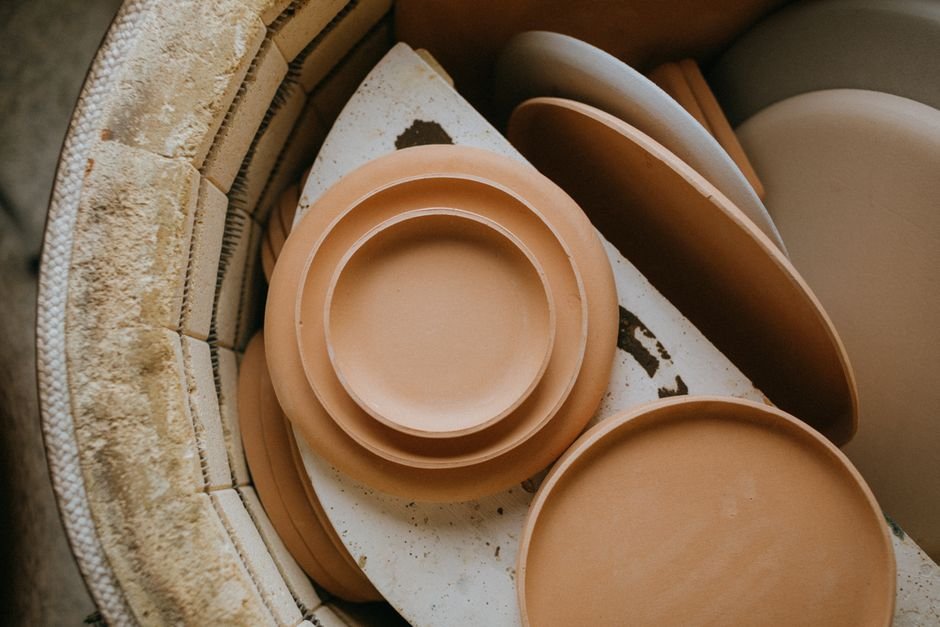
The first firing, called a bisque firing, hardens the piece permanently into bisqueware, though it remains somewhat porous and ready to accept glaze.
A second, typically hotter firing then matures the glaze and the clay body together, producing the dense, glassy, finished ceramic you’d recognise on a shelf.
Each of these stages genuinely matters, and skipping or rushing one can affect how the finished piece ultimately performs and looks.
At Le Studio Art Space’s ceramic studio, members move through every one of these stages with guidance, which genuinely helps the material make sense in practice.
Why Firing Permanently Changes The Material
The permanent change that happens during firing is called vitrification, a process where the clay’s mineral particles genuinely begin to fuse together at a molecular level.
Below a certain temperature, this fusion simply doesn’t happen, which is exactly why unfired clay can always be reclaimed, softened, and reused.
Once vitrification occurs, though, the material’s internal structure has genuinely changed, and no amount of water will ever soften it back to clay again.
This is also why a fired ceramic piece is so much stronger and more water resistant than the same piece would be if it were left unfired.
Different clay bodies vitrify at different temperatures, which is exactly why earthenware, stoneware, and porcelain all behave so differently once fired.
Firing too far above a clay’s intended range can genuinely overfire it, causing warping, bloating, or even collapse, since vitrification has limits too.
Respecting a clay body’s correct firing range is essential precisely because this transformation is a one-way process with no do-overs.
How Ceramics Compares To Other Materials
Glass shares some similarities with ceramics, since both involve heat-driven transformation, though glass melts into a fully liquid, amorphous state rather than fusing like clay.
Metal, by contrast, can generally be melted and reshaped repeatedly without the same kind of one-way chemical transformation that defines ceramics.
Wood and other organic materials degrade over time and can be reworked with tools, but they never undergo anything comparable to vitrification either.
What genuinely sets ceramics apart is this combination of permanence, hardness, and chemical stability, achieved specifically through controlled heat rather than cooling or drying alone.
This is exactly why ceramic materials are used well beyond art and tableware, appearing in everything from tiles to industrial and even aerospace applications.
Understanding this broader context helps explain why ceramics have remained such a valued material across so many different cultures and centuries.
It also highlights just how much genuine science underlies something that can feel, in the studio, like a fairly simple hands-on craft.
Recognising that overlap can make the whole process feel more grounded, even for someone who’s never thought of themselves as a science person.
What Competing Guides Leave Out
Many overviews explain vitrification in fairly abstract, chemistry-heavy terms without ever tying it back to why it genuinely matters for a beginner sitting at a wheel.
Few guides mention that understanding the material helps you troubleshoot real studio problems, like why an underfired piece stays weak or why cracks appear during drying.
What a clay body’s raw material composition actually looks like, and how it differs between suppliers, is another gap most beginner-facing guides skip over entirely.
The connection between material science and practical decisions, like which clay to use for a functional piece versus a purely decorative one, rarely gets proper attention.
Most guides also don’t mention that grasping this material-level view genuinely helps you communicate more clearly with studio staff about firing schedules and clay choices.
Regional differences in available clay materials get skipped too, even though what’s genuinely accessible varies meaningfully depending on where you’re working.
How temperature control equipment actually manages this transformation in a working firing service is another practical detail many overviews leave out.
Why This Material Knowledge Actually Helps Your Pottery
Understanding ceramics at the material level genuinely helps you make smarter choices, like matching a clay body’s firing range to your studio’s actual kiln.
It also helps explain, and troubleshoot, common frustrations, from cracking during drying to a piece staying porous after what felt like a proper firing.
Knowing why the transformation is permanent helps you appreciate why care during the wet and leather-hard stages genuinely matters so much to the finished result.
This knowledge also makes conversations with studio staff and fellow potters genuinely more productive, since you’re working from a shared, accurate understanding of the material.
Many potters find that once the material finally clicks, glazing, firing schedules, and even clay selection all start to make a lot more intuitive sense.
It’s genuinely not necessary to become a materials scientist, but a working understanding pays off in fewer surprises and more confident decisions in the studio.
At Le Studio Art Space, we find members who grasp the basics of the material tend to progress with real confidence more quickly.
Want to explore the material properties of clay hands-on? Join a class at Le Studio Art Space in Mordialloc.
Frequently Asked Questions
Is ceramics really just clay, or is there more to it?
Clay is the starting material, but ceramics specifically refers to what clay becomes once it’s permanently transformed by heat through firing, which is a genuinely important distinction.
Can fired ceramic ever be turned back into clay?
No, once vitrification happens during firing, the material’s structure has permanently changed, and there’s genuinely no way to soften it back into workable clay again.
Why does understanding this actually matter for a beginner potter?
It helps explain common issues like cracking or porosity, and at Le Studio Art Space, members who understand the material tend to troubleshoot problems more confidently.
Is all ceramic material basically the same once it’s fired?
Not at all. Different clay bodies vitrify at different temperatures and produce genuinely different finished properties, from porous earthenware to dense, translucent porcelain.
Do I need a science background to understand ceramics as a material?
Not really. A few clear, practical ideas about heat and transformation are genuinely enough, and studio staff are always happy to explain further as questions come up.
This article is provided for general educational purposes by Le Studio Art Space and reflects common studio practice.